Should I Buy a Generator Here Is What You Need to Know
Buying a generator is one of the smartest investments you can make for your home. A reliable generator keeps your lights on, your fridge running, and your family safe during power outages. This guide breaks down everything you need to know before you buy.
Power goes out. The lights flicker. The fridge stops humming. And suddenly, you are staring at a dark house wondering what to do next. This is the moment when almost every homeowner asks themselves the same question: should I buy a generator?
The answer is not as simple as yes or no. It depends on your budget, your home, and how prepared you want to be. A generator can be a lifesaver during storms, blackouts, and emergencies. But it is also a big investment. You need to know what you are getting into before you spend your hard-earned money.
This guide walks you through everything. From the different types of generators to the costs, the benefits, and the mistakes to avoid. By the end, you will have a clear answer on whether a buy a generator decision makes sense for you.
Key Takeaways
- Generators save you from costly food spoilage and discomfort during outages.
- Portable generators are affordable and great for basic needs.
- Standby generators offer automatic backup for your entire home.
- Fuel type and runtime matter more than you think.
- Proper sizing prevents overload and wasted money.
- Maintenance keeps your generator running for years.
📑 Table of Contents
Why You Might Need a Generator
Power outages happen more often than most people realize. Storms, accidents, and equipment failures can knock out electricity for hours or even days. When that happens, a backup power source becomes essential.
Protect Your Home and Belongings
Without power, your refrigerator stops working. Food spoils within hours. Sump pumps fail, and basements flood. A home generator keeps these systems running so you do not lose valuables or deal with expensive repairs.
Think about all the electronics and appliances you use every day. Computers, medical devices, heating systems, and security cameras all need electricity. A generator keeps your home functioning even when the grid goes down.
Stay Safe and Comfortable
During winter storms, losing heat can be dangerous. In summer, losing air conditioning can be unbearable. A generator keeps your HVAC system running. This is especially important for families with young children, elderly members, or anyone with health conditions.
Beyond comfort, there is a safety factor. Generators keep lights on, which prevents accidents. They keep phones charged so you can call for help. They keep your home secure by powering alarm systems.
Peace of Mind Is Worth a Lot
Knowing you have a plan when the power goes out brings real peace of mind. Instead of scrambling for candles and coolers, you just flip a switch or start your generator. That calm feeling is worth a lot, especially if you live in an area prone to storms or frequent outages.
Types of Generators You Can Buy
Not all generators are the same. Understanding the different types helps you choose the right one for your needs. Here is a breakdown of the most common options.
Portable Generators
Portable generators are the most popular choice for first-time buyers. They are affordable, easy to move, and simple to use. You can plug essential appliances directly into them or connect them to your home’s electrical panel.
These units typically run on gasoline or propane. They are great for short-term power needs. If you only need to keep a few lights, the fridge, and some chargers running, a portable unit works well.
Pros: Low cost, easy to store, simple to operate.
Cons: Limited power output, needs manual setup, louder than other types.
Inverter Generators
Inverter generators are a step up from traditional portable units. They produce cleaner power that is safe for sensitive electronics like laptops and phones. They are also quieter and more fuel-efficient.
If you want a generator you can use for camping trips or tailgating, an inverter model is a great choice. They cost a bit more than standard portables, but the benefits are worth it.
Standby Generators
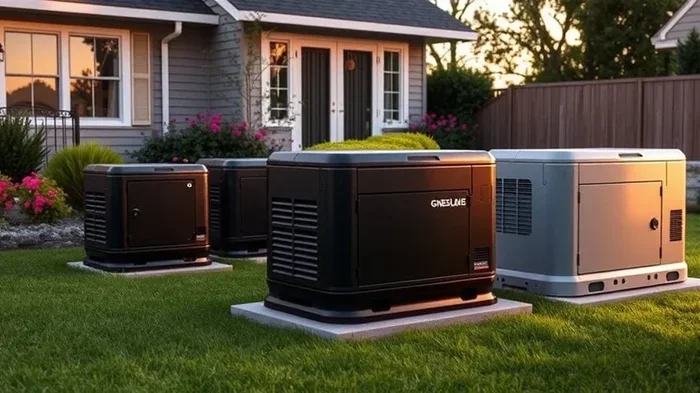
Standby generators are the heavy hitters. They install outside your home and connect directly to your electrical system. When power goes out, they kick on automatically within seconds. You do not even have to be home.
These units run on natural gas or propane and can power your entire house. They are more expensive upfront, but they offer the most convenience and protection. If you want a true whole house generator setup, this is the way to go.
Pros: Automatic operation, powers the whole home, runs on natural gas.
Cons: High upfront cost, requires professional installation.
Dual-Fuel Generators
Dual-fuel generators can run on both gasoline and propane. This gives you flexibility. If one fuel is hard to find during an emergency, you can switch to the other. They are a solid middle-ground option for many homeowners.
How Much Does It Cost to Buy a Generator?
Cost is one of the biggest factors in the decision to buy a generator. Prices vary widely depending on the type, size, and brand. Here is a general breakdown.
| Generator Type | Price Range | Best For |
|---|---|---|
| Portable Generator | $500 – $1,500 | Basic backup, camping |
| Inverter Generator | $1,000 – $3,000 | Sensitive electronics, quiet use |
| Standby Generator | $3,000 – $15,000+ | Whole home backup |
| Dual-Fuel Generator | $800 – $2,500 | Fuel flexibility |
Keep in mind that the price of the generator is not the only cost. You also need to factor in fuel, maintenance, and installation. For standby generators, professional installation can add $1,000 to $3,000 to the total.
When you think about the cost of spoiled food, flooded basements, or uncomfortable nights without power, a generator starts to look like a smart investment. Many homeowners find that the cost pays for itself after just one major outage.
Running Costs and Fuel Efficiency
Fuel costs add up over time. If you are wondering how much natural gas does a generator use, the answer depends on the size and load. A typical standby generator uses about 2 to 3 cubic feet of natural gas per hour at half load. Portable gasoline units use about 0.5 to 1 gallon per hour.
Inverter generators tend to be the most fuel-efficient because they adjust engine speed based on the load. This means lower fuel costs over time, which adds up to real savings.
How to Choose the Right Generator for Your Home
Choosing the right generator comes down to matching the unit to your needs. Here is how to approach the decision.
Calculate Your Power Needs
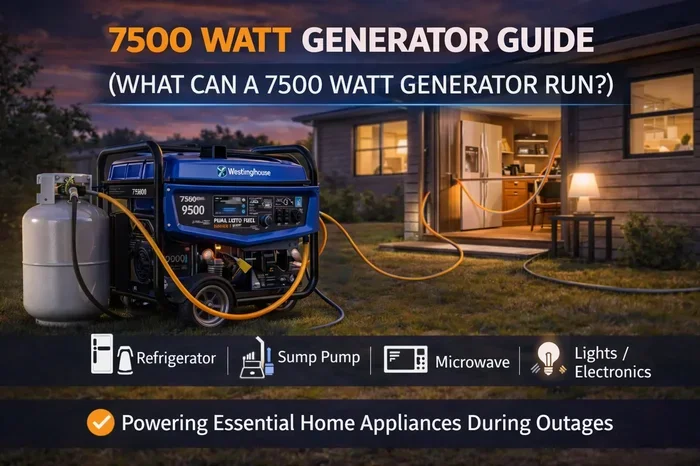
Start by listing the essential items you want to keep running during an outage. Add up their wattage. This gives you the minimum wattage you need from a backup generator.
Common essentials include:
- Refrigerator (600-800 watts)
- Lights (100-400 watts each)
- Phone and laptop chargers (50-100 watts each)
- Sump pump (800-1,200 watts)
- Window AC unit (1,000-1,500 watts)
If you are unsure about sizing, check out our guide on how big of a backup generator do I need. It walks you through the math step by step.
Consider Your Budget
Be honest about what you can afford. A portable generator is a great starting point for many families. You do not need to spend thousands to get reliable backup power. But if you live in an area with frequent or long outages, a standby generator is worth the investment.
Think About Noise
Nobody wants a generator that sounds like a jet engine in their backyard. Inverter generators are the quietest option. Standby generators are louder but are placed outside, so the noise is less of an issue inside the home.
Check Local Regulations
Some areas have noise ordinances or rules about where generators can be placed. Check with your local government before making a purchase. This avoids headaches later.
Maintenance Tips to Keep Your Generator Running
A generator is only as good as its maintenance. A neglected unit will fail when you need it most. Here is how to keep yours in top shape.
Regular Oil Changes
Just like a car, a generator needs regular oil changes. Most manufacturers recommend changing the oil every 100 hours of use or at least once a season. Use the oil type recommended in your owner’s manual.
Run It Regularly
A generator that sits unused for months can develop problems. Run it for at least 15 to 20 minutes once a month. This keeps the engine lubricated and the battery charged.
Check the Fuel System
Old fuel can gum up the carburetor and cause starting problems. Use fuel stabilizer if you plan to store the generator for more than a month. This is a simple step that saves a lot of trouble.
Replace Air Filters and Spark Plugs
Dirty air filters reduce efficiency and can cause the engine to run poorly. Check and replace them according to the manufacturer’s schedule. Spark plugs should also be inspected and replaced as needed.
Common Mistakes People Make When Buying a Generator
Avoid these common pitfalls to make a smart purchase.
Buying the Wrong Size
The biggest mistake is buying a generator that is too small. It will overload and shut down when you need it most. Always size up slightly from your calculated needs. If you are unsure, it is better to go bigger.
Ignoring Fuel Availability
During a widespread outage, gas stations may not have power to pump fuel. Consider a generator that runs on propane or natural gas. These fuels are often available even when the grid is down.
Skipping the Installation
For standby generators, do not try to DIY the installation unless you are qualified. A professional ensures safe wiring, proper ventilation, and code compliance. Bad installation can damage your home or even create safety hazards.
Forting About Safety
Never run a generator indoors or in an enclosed space. Carbon monoxide is a silent killer. Always place portable generators outside, at least 20 feet from your home, with the exhaust facing away from windows and doors.
Is Buying a Generator Worth It?
The honest answer is: it depends on your situation. If you live in an area with frequent power outages, a generator is almost a necessity. If you live somewhere with reliable power and only experience rare brief outages, a portable unit might be overkill.
However, consider this: the next major storm could knock out power for days. Without a generator, you are at the mercy of the weather and the utility company. With one, you keep your home running and your family safe.
A generator is not just a gadget. It is a tool for resilience. It gives you control when everything else is out of your hands. That is a powerful thing to have.
If you are still on the fence, start small. A portable generator costs a few hundred dollars and can cover your essentials. You can always upgrade to a standby unit later. The important thing is to take the first step toward being prepared.
Final Thoughts
So should I buy a generator? If you value your home, your comfort, and your family’s safety, the answer is yes. A generator is one of the best investments you can make for your household. It provides backup power when you need it most, protects your belongings, and gives you peace of mind.
Take the time to research your options, size your needs correctly, and maintain your unit properly. A well-chosen and well-maintained generator will serve you reliably for many years. Do not wait for the next outage to wish you had one.
Start your search today. Whether you choose a portable unit, an inverter model, or a full standby system, you will be glad you made the decision to be prepared.
Frequently Asked Questions
How long does a generator last?
A well-maintained generator can last 10 to 30 years depending on the type and usage. Standby generators typically last longer because they are built for heavy-duty use. Portable generators may need replacement sooner, especially with regular use.
Can I install a standby generator myself?
It is strongly recommended to hire a professional for standby generator installation. Improper wiring or ventilation can be dangerous and may violate local building codes. A licensed installer ensures everything is safe and up to standard.
What fuel type is best for a home generator?
Natural gas is the most convenient option for standby generators because it connects directly to your home’s gas line. Propane is a good alternative with a long shelf life. Gasoline works well for portable units but requires proper storage.
How do I know what size generator I need?
Add up the wattage of all the appliances and devices you want to run during an outage. Then choose a generator with a wattage rating 20% higher than that total. This buffer prevents overload and extends the life of your unit.
Are generators loud?
Noise levels vary by type. Inverter generators are the quietest, often running at 50 to 60 decibels. Traditional portable generators are louder, around 70 to 80 decibels. Standby generators are the loudest but are placed outside, so the noise is less noticeable indoors.
What maintenance does a generator need?
Regular maintenance includes oil changes every 100 hours, monthly test runs, air filter replacement, and spark plug inspection. Using fuel stabilizer during long storage periods also prevents fuel system problems and keeps the unit ready to go when you need it.