Where to Put Your Generator Outside During a Storm
Knowing where to put generator during storm conditions is one of the most important safety decisions a homeowner can make. Proper generator placement prevents carbon monoxide poisoning, electrical hazards, and storm damage. This guide covers the safest outdoor spots, distance rules, and practical tips to keep your home powered and your family protected.
When the skies turn dark and the wind picks up, a where to put generator during storm question becomes critical. Your backup power source can keep lights on, food cold, and your family comfortable. But placing it wrong can create serious dangers. Carbon monoxide, fire hazards, and electrical risks all come from bad generator placement. This guide gives you clear, simple steps to find the safest spot every time.
Whether you own a portable unit or a standby system, the rules stay the same. You need distance from your home, proper ventilation, and protection from water. We will walk you through each decision point. By the end, you will feel confident about your setup and ready for the next severe weather event.
Generator placement during storm season is not something you want to figure out mid-crisis. Planning ahead saves lives and prevents costly mistakes. Let us dive into the details.
Key Takeaways
- Keep generators at least 20 feet from the house: This distance prevents carbon monoxide from entering your home through windows and vents.
- Always choose a high, dry, level surface: Elevated ground protects against flooding and keeps the unit stable during high winds.
- Never place a generator in an enclosed space: Garages, sheds, and carports trap deadly exhaust fumes and create serious health risks.
- Use a weatherproof cover and anchor straps: These simple tools protect your unit from rain, wind, and storm debris.
- Plan your setup before storm season: A pre-storm checklist ensures you are ready and reduces rushed, unsafe decisions during emergencies.
- Test your generator before you need it: A quick test run confirms everything works and your placement is safe and effective.
📑 Table of Contents
- Why Generator Placement Matters During a Storm
- The Best Spots to Place Your Generator Outside
- How Far Should Your Generator Be from the House
- Common Mistakes People Make When Placing a Generator in a Storm
- How to Protect Your Generator from Storm Damage
- Quick Tips for Setting Up Your Generator Before a Storm Hits
- Final Thoughts on Generator Placement During Storms
Why Generator Placement Matters During a Storm
Many people think any outdoor spot works for a generator. That is not true. Where you place your generator during a storm directly affects your safety. Bad placement can lead to carbon monoxide buildup inside your home. It can also cause electrical fires or water damage to the unit itself.
During severe weather, conditions change fast. Rain, wind, and flooding can all threaten an improperly placed generator. The goal is to keep the unit running safely while protecting your family from invisible dangers like exhaust fumes.
The Hidden Dangers of Wrong Placement
Carbon monoxide is a silent killer. It has no color or smell. A generator placed too close to windows, doors, or vents can send fumes indoors. Even a few feet of wrong placement can be deadly. This is the number one reason experts stress proper generator placement guidelines.
Electrical hazards are another concern. Water and electricity do not mix. If your generator sits in a puddle or flood zone, it can short circuit or shock anyone nearby. Electrical safety starts with choosing a dry, elevated spot.
A power outage during a storm can last for days. You will want your generator running reliably the entire time. But a bad placement can shut it down early or, worse, put your family at risk. This is why taking the time to plan your outdoor generator setup matters so much.
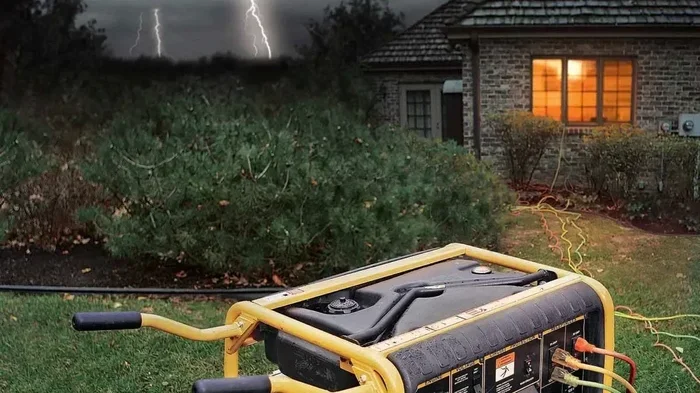
Quick Tip: Always point the generator exhaust away from windows and doors. This simple step reduces carbon monoxide risk significantly.
Why Storm Conditions Change Everything
Calm days and storm days are very different. Wind direction shifts. Rain intensifies. Water levels rise. A spot that seems safe on a sunny day might become dangerous during a downpour. This is why storm preparedness includes planning your generator location before the weather hits.
Think of it like anchoring a boat. You secure it before the storm, not during. The same logic applies to your outdoor generator setup. A little planning goes a long way toward keeping your home safe and your backup power running strong.
Expert Insight: “Most carbon monoxide poisonings from generators happen because the unit is placed within 10 feet of a home opening. Keep it at least 20 feet away and point exhaust away from the house.” – National Safety Council guidelines
The Best Spots to Place Your Generator Outside
Not all outdoor locations are equal. Some spots offer better protection and safety than others. Here are the best places to set up your unit when a storm is coming.
On a High, Dry Surface
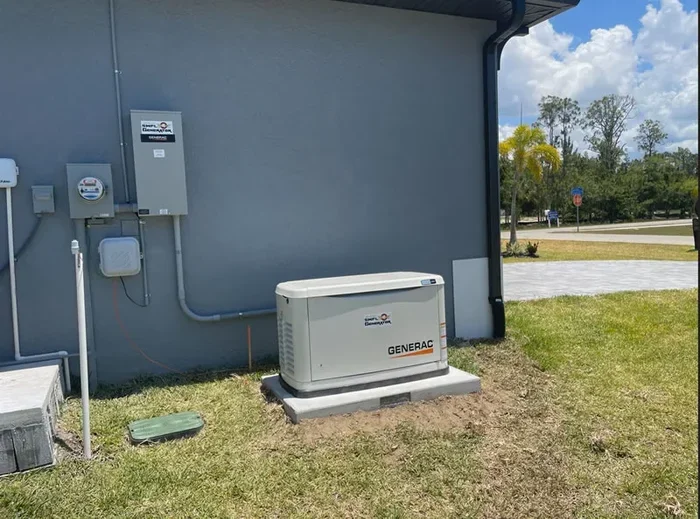
Elevated ground is your best friend. A concrete pad, a raised platform, or even a sturdy wooden pallet works well. The key is keeping the generator above standing water. This protects the unit and reduces the risk of electrical shorts.
Avoid low-lying areas. These tend to collect rainwater and runoff. Even a small puddle can cause big problems for your portable generator placement and safety. A high spot also helps with ventilation for generator airflow, keeping the unit cool and efficient.
On Level Ground
A level surface prevents fuel from spilling. It also keeps the generator running smoothly. Uneven ground can cause vibration, which leads to damage over time. Check that the area is flat before you start the unit.
Place the generator on a firm surface like concrete, asphalt, or packed gravel. Soft ground like grass or dirt can shift, especially during heavy rain. This could tilt the unit and cause fuel leaks. A stable base is a key part of any safe generator placement plan.
Away From Windows, Vents, and Doors
This is a big one. Your generator needs to be far from any opening that could let exhaust inside. Carbon monoxide can seep through screens, cracks, and open windows. Keep the unit at least 20 feet from your home.
Also watch for HVAC intake vents. These pull air into your home, and that air could carry fumes if the generator is too close. Generator placement guidelines always stress keeping the exhaust pointed away from any building opening. Generator distance from house is not just a number. It is a life-saving rule.
| Placement Option | Safety Rating | Storm Protection | Best For |
|---|---|---|---|
| Concrete pad, 20+ ft from house | Excellent | Good (with cover) | Most homeowners |
| Raised platform on gravel | Very Good | Moderate | Flood-prone areas |
| Paved driveway, away from garage | Good | Fair | Quick setup |
| Under a deck or porch | Poor | Bad | Not recommended |
| Inside garage or shed | Dangerous | Very Bad | Never during storms |
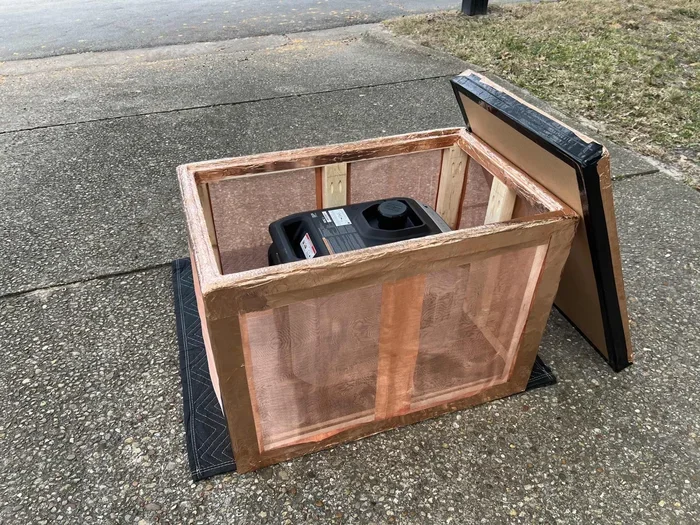
This table shows why generator placement guidelines matter so much. The safest spot is always an open, elevated area far from your home. A generator enclosure can add extra protection, but only if it allows proper airflow and keeps exhaust away from your home.
Quick Tip: Mark your ideal generator spot before storm season. Use chalk or a small stake so you know exactly where to place it when the warning comes.
How Far Should Your Generator Be from the House
Distance is one of the most important factors in safe generator placement during hurricane season and all storm events. The right gap keeps exhaust fumes away and reduces fire risk.
The Rule of Thumb for Distance
The general rule is at least 20 feet from your home. This gives exhaust plenty of room to dissipate. It also keeps the unit far enough from doors and windows that fumes cannot enter.
Some experts recommend 25 to 30 feet for extra safety. The farther, the better, as long as you can reach it with extension cords. The goal is generator distance from house that balances safety with practicality. You want enough room for safe operation without making it hard to connect your appliances.
Why Distance Matters for Safety
Carbon monoxide can travel fast. Even at 15 feet, fumes can enter through open windows or HVAC systems. The 20-foot rule is a minimum, not a suggestion. Treat it as the floor, not the ceiling.
Wind can push fumes in unexpected directions. During a storm, gusts change rapidly. A safe distance gives you a buffer even when wind shifts. This is a core part of generator safety tips every homeowner should know. Never assume the wind will blow the exhaust away from your home. Plan for the worst and keep a generous distance.
Common Mistakes: Placing the generator right next to the garage door is one of the most frequent errors. The exhaust can easily drift into the house through the door or nearby windows. Always measure the distance before you start the unit. Use a tape measure if needed. It takes five seconds and could save lives.
Can You Run Extension Cords That Far
Yes, but you need the right cords. Use heavy-duty extension cords outdoor rated for the wattage of your generator. Look for cords with a thick gauge, like 10 or 12 AWG. Thinner cords can overheat and cause fires.
Keep cords off the ground and away from walkways. Use cord covers or hang them on hooks to prevent tripping. During a storm, water can pool on the ground, so elevated cords stay safer and drier. Proper cord management is a simple part of electrical safety that makes a big difference.
Expert Insight: “I always tell my clients to measure the distance from their generator spot to their main electrical panel before storm season. This way, they know exactly what gauge extension cord they need and can avoid dangerous shortcuts.” – Licensed Electrician, Storm Preparedness Specialist
Common Mistakes People Make When Placing a Generator in a Storm
Learning from other people’s errors is one of the best ways to stay safe. Here are the most common generator placement mistakes and how to avoid them.
Putting It in the Garage or Enclosed Space
This is the number one deadly mistake. A garage, even with the door open, is not safe for a running generator. Carbon monoxide builds up quickly in enclosed or semi-enclosed spaces. It can fill your home within minutes and reach lethal levels before anyone even notices the danger.
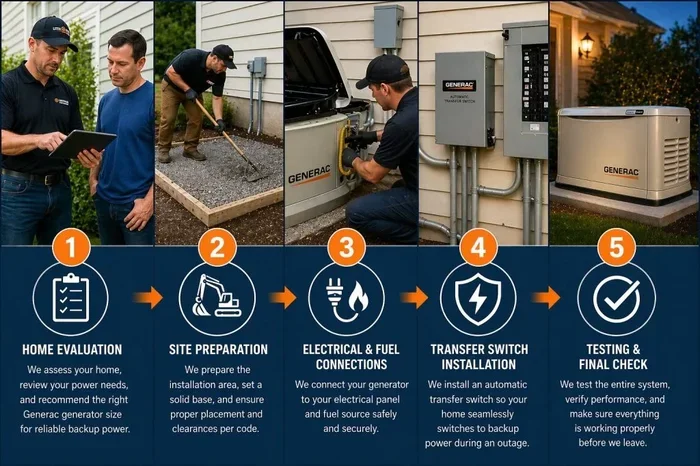
Never run a generator inside a garage, carport, or shed. These spaces trap exhaust and send it right into your living area. If you need power inside, use a transfer switch installed by a licensed electrician. This is a much safer way to connect backup power to your home without risking fume exposure.
Ignoring Wind Direction
Wind changes during storms. A spot that seems safe when the wind blows one way can become dangerous when it shifts. Always check which direction the wind is coming from before you start the generator.
Point the exhaust away from your home and away from any neighbor’s property. Generator exhaust contains toxic fumes that should never blow toward occupied buildings. This is a simple generator safety tip that many people overlook until it is too late.
Placing It Near Flood-Prone Areas
Storms bring rain, and rain brings water. Low spots, ditches, and areas near gutters can flood quickly. A generator sitting in even a few inches of water can short circuit or become a shock hazard.
Check your yard for flood zones. If your home is in a flood-prone area, elevate the generator on a platform or use a proper generator enclosure. Flood zone awareness is a key part of storm preparedness planning. A little extra effort upfront can save you from a total loss during a storm.
Forgetting About Grounding
Proper generator grounding is essential for electrical safety. An ungrounded generator can cause electrical shock, especially in wet conditions. Follow the manufacturer’s grounding instructions carefully.
Use a grounding rod if required. Connect it properly to the generator frame. This step is easy to skip but very important for protecting everyone who touches the unit or connected appliances. Grounding is one of those generator safety tips that people forget until something goes wrong.
Common Mistakes: Skipping the grounding rod because “it seems fine” is a dangerous habit. Wet conditions increase the risk of electrical shock dramatically. Always ground your generator properly, especially during storm season when the ground is wet and conditions are unpredictable.
How to Protect Your Generator from Storm Damage
Your generator works hard during a storm. Protecting it from damage ensures it keeps working when you need it most. Here is how to keep your unit safe in harsh conditions.
Using a Weatherproof Generator Cover
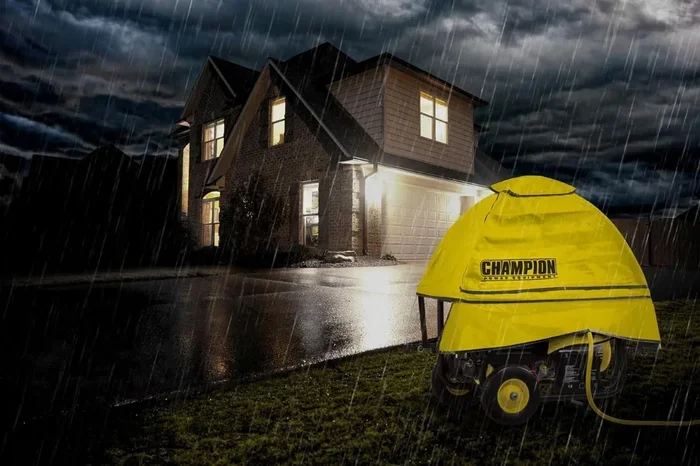
A weatherproof generator cover shields the unit from rain and debris. Look for covers made from waterproof, breathable materials. These prevent water from pooling on top while still allowing airflow.
Never use a tarp that completely wraps the generator while it runs. Covering the exhaust or intake vents can cause overheating and carbon monoxide buildup. The cover should protect the top and sides while leaving the ends open for ventilation. A proper generator enclosure designed for running generators is a smart investment for any homeowner in storm-prone areas.
Make sure the cover fits snugly but does not touch hot surfaces. A loose cover can flap in the wind and get caught in moving parts. A snug, secure fit is the goal. Check the cover before each use and replace it if it shows signs of wear or tearing.
Securing the Generator Against Wind
High winds can tip over or drag a generator across your yard. Use straps, chains, or a locking frame to anchor the unit. This is especially important during severe weather events with sustained winds over 40 miles per hour.
Anchor the generator to a heavy base or a ground stake. This prevents it from becoming a projectile in extreme wind. A secure outdoor generator setup is a safe one. Wind can turn an unsecured generator into a serious hazard very quickly.
Keeping Fuel and Cords Safe
Store fuel containers away from the generator and away from any ignition source. Follow fuel storage safety guidelines from your local fire department. Keep fuel in a cool, ventilated area, ideally in a separate location from the generator.
Check all cords for damage before each use. Frayed or cracked cords are a fire hazard, especially in wet conditions. Replace damaged cords immediately. Proper cord care is a simple but overlooked part of storm preparedness that can prevent fires and keep your generator safety tips checklist complete.
Quick Tip: Fill the generator with fuel before the storm hits, but let it cool for at least 10 minutes before refueling. Hot engines and fuel are a dangerous combination that can lead to fires.
Quick Tips for Setting Up Your Generator Before a Storm Hits
The best time to set up your generator is before a storm arrives. Waiting until the last minute leads to rushed decisions and unsafe placement. Here is a simple pre-storm checklist to follow every time a storm threatens.
Test It Before You Need It
Run your generator for 15 to 20 minutes before storm season. This checks for mechanical issues and lets you verify the placement works. A test run also confirms the outdoor generator setup is stable and safe.
Listen for unusual sounds. Check for excessive vibration. Make sure the exhaust is directed away from your home. Fix any problems now, not during an emergency. A power outage during a storm is not the time to discover your generator needs repairs.
Have a Checklist Ready
Print or write out a checklist and keep it with your generator. Include these items:
- Fuel level checked and fresh
- Oil level at the proper mark
- Extension cords in good condition
- Weatherproof cover nearby and ready
- Carbon monoxide detector with fresh batteries
- Grounding rod and connections checked
- Anchor straps or chains in place
- Distance from house measured at 20+ feet
- Exhaust direction confirmed away from windows
- Fuel stored in a safe, ventilated area
Checking off each item takes minutes but provides peace of mind. This checklist becomes part of your storm preparedness routine and helps you stay organized when time is short and stress is high. A prepared homeowner is a safe homeowner.
Expert Insight: “The families who handle storms best are the ones who prepare before the storm arrives. A 30-minute pre-storm checklist for your generator can prevent hours of stress and keep your family safe through any power outage.” – Emergency Preparedness Advisors
Final Thoughts on Generator Placement During Storms
Knowing where to put generator outside during a storm is a skill every homeowner should have. It is not complicated, but it does require thought and planning. The right placement keeps your family safe from carbon monoxide, electrical hazards, and flood damage.
Start by choosing a high, dry, level surface at least 20 feet from your home. Point the exhaust away from windows and doors. Secure the unit against wind and protect it with a proper cover. Follow these generator placement guidelines every single time you run your unit during bad weather.
Preparation is your best defense. A few simple steps before storm season can make all the difference. Your generator is a valuable tool for backup power during outages. Treat it with the respect and care it deserves, and it will serve you well when you need it most.
Take a few minutes today to review your setup. Make adjustments if needed. Your future self will thank you when the next storm rolls in and your home stays powered and safe. Proper generator placement is one of the easiest and most important things you can do for your family’s safety during severe weather.
Frequently Asked Questions
Can I put my generator under a deck or porch during a storm?
No, placing a generator under a deck or porch is dangerous and not recommended. These enclosed spaces trap carbon monoxide and can allow fumes to enter your home through gaps and openings. Always keep your generator in a fully open outdoor area with plenty of airflow around it.
What is the safest distance from my house for a generator during a storm?
The safest distance is at least 20 feet from your home, with the exhaust pointing away from windows and doors. Some experts recommend 25 to 30 feet for extra safety. This distance prevents carbon monoxide from entering your living space and reduces fire risks during severe weather.
Can I use a generator during heavy rain or a hurricane?
Yes, but you must protect it properly. Use a weatherproof generator cover that allows ventilation and keeps rain off the unit. Never let the generator sit in standing water, and always place it on a high, dry surface. A generator enclosure designed for wet conditions can add extra protection during hurricanes.
Do I need a transfer switch for my generator?
A transfer switch is the safest way to connect your generator to your home’s electrical system. It prevents backfeed, which can endanger utility workers and damage your electrical system. A licensed electrician should install the transfer switch to ensure it meets local codes and electrical safety standards.
How do I protect my generator from flooding during a storm?
Elevate the generator on a platform, concrete blocks, or a dedicated lift kit if you live in a flood-prone area. Never place it in a low-lying zone or near drainage paths. A weatherproof generator cover adds another layer of protection against rain and rising water during severe storms.
What kind of generator cover should I use during a storm?
Choose a cover made from waterproof, breathable material that fits your generator model. The cover should protect the top and sides while leaving the exhaust and intake vents open for airflow. Never wrap the generator completely while it is running, as this can cause overheating and dangerous carbon monoxide buildup.