Generator Cost The Ultimate Budgeting Guide for You
Generator cost varies widely based on type, size, fuel source, and installation needs. This guide breaks down every expense so you can budget smartly and avoid surprise costs. Whether you need a portable unit or a whole-home standby system, understanding pricing helps you make the best investment.
Key Takeaways
- Portable generators cost $500–$2,500: They are affordable and great for temporary or light power needs but limited in runtime and output.
- Standby generators cost $3,000–$15,000+: These whole-home systems offer automatic backup but require professional installation and higher fuel consumption.
- Fuel type significantly impacts long-term cost: Natural gas and propane burn differently, affecting your monthly operating budget.
- Installation fees add $1,000–$5,000: Permits, electrical work, and mounting are often overlooked but essential expenses.
- Regular maintenance keeps costs down: Annual servicing prevents costly breakdowns and extends your unit lifespan.
- Proper sizing saves money: Oversized units waste fuel while undersized units struggle under load.
📑 Table of Contents
What Is Generator Cost and Why Does It Matter?
When the power goes out, a generator becomes your best friend. But before you rush out to buy one, understanding generator cost is essential. The total expense is about much more than the sticker price. It includes the unit itself, fuel, installation, permits, and ongoing maintenance. Ignoring any of these pieces can lead to budget surprises you did not see coming.
Generator cost also matters because it directly affects the type of system you can afford. A small portable unit fits a tight budget, but it will not power your entire home during a long outage. A standby generator handles heavy loads automatically, yet the upfront investment is steep. Knowing where your money goes helps you pick the right balance between cost and capability.
In this guide, we break down every dollar involved in buying and running a generator. You will learn pricing ranges, hidden expenses, and smart strategies to keep your budget in check. Let us dive in.
Types of Generators and Their Price Ranges
Not all generators are built the same. The type you choose shapes almost every other cost decision. Here is a look at the most common categories and what you can expect to pay.
Portable Generators
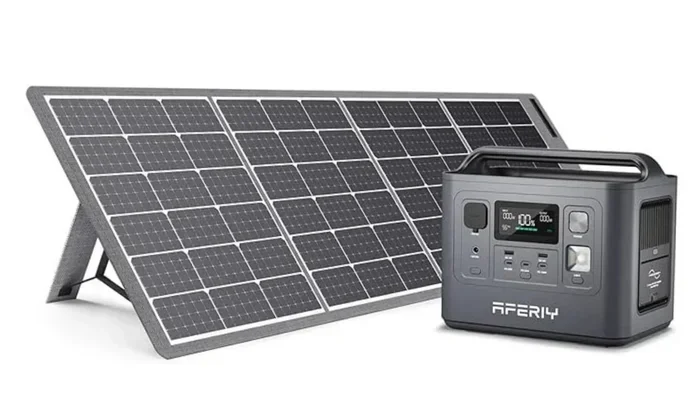
Portable generators are the most budget-friendly option. Most models fall between $500 and $2,500. They run on gasoline or propane and are easy to move around. These units work great for camping, construction sites, or powering a few essential appliances during a short outage.
However, portable units have limits. They typically deliver 3,000 to 7,000 watts. That is enough for lights, a fridge, and a phone charger, but not for central air conditioning. You also need to start them manually and refuel them regularly.
Inverter Generators
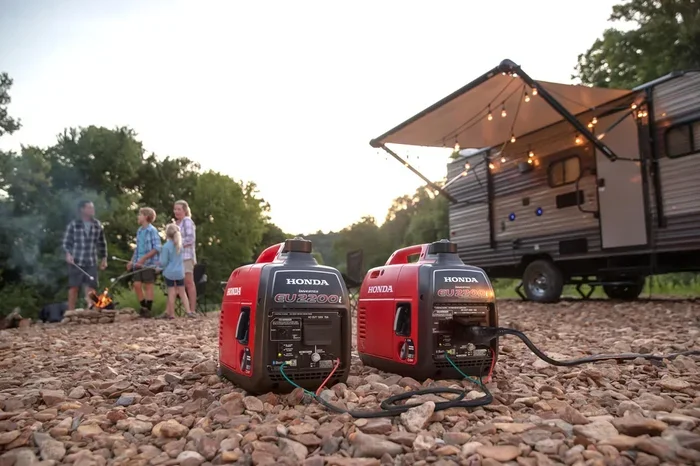
Inverter generators sit in the mid-range price tier, usually costing $1,000 to $4,000. They produce cleaner power that is safe for sensitive electronics like laptops and TVs. These units are quieter and more fuel-efficient than conventional portables. Their trade-off is lower wattage output and a higher price tag per unit of power.
Standby Generators
Standby generators are the heavy hitters for home backup power. Prices range from $3,000 to $15,000 or more, depending on capacity. These systems install permanently outside your home and kick on automatically when the grid fails. They run on natural gas or propane, which means no refueling trips during an emergency.
If you are unsure what size standby unit you need, check out this how big of a backup generator do I need resource for helpful guidance on sizing your system properly.
Commercial and Industrial Generators
For businesses and large properties, commercial generators range from $10,000 to $100,000+. These units deliver tens or hundreds of kilowatts. They are built for continuous duty and heavy electrical loads. The cost reflects robust construction, advanced control panels, and professional installation requirements.
Key Factors That Affect Generator Cost
The sticker price on a generator only tells part of the story. Several important factors push the final number higher or lower. Let us break them down.
Power Output and Wattage Requirements
Wattage is the biggest cost driver. Generators rated for higher wattage cost more because they use larger engines, heavier alternators, and more robust frames. Before buying, make a list of the appliances and systems you want to run. Add up their wattage requirements, then add a buffer of 20 to 25 percent. This prevents overload issues and keeps your system running smoothly.
Keep in mind that some devices draw more power at startup than during normal use. This is called surge wattage. A refrigerator might need 1,200 watts to run but 3,600 watts to start. Your generator must handle that surge without tripping.
Fuel Type and Consumption
Fuel choice creates a ripple effect across your entire budget. Here is a quick comparison:
- Gasoline: Cheapest to buy, widely available, but has a short shelf life and higher consumption rates.
- Propane: Clean burning and long storage life, but produces less energy per gallon than gasoline.
- Natural gas: Unlimited supply from utility lines, steady pricing, but requires a dedicated gas line installation.
- Diesel: Very efficient and durable, but fuel costs more and units are heavier and louder.
Fuel consumption directly shapes your long-term generator cost. For example, natural gas tends to cost less per unit of energy delivered. If you want to understand how much fuel a typical unit burns, this how much natural gas does a generator use guide breaks down consumption rates clearly.
Brand Quality and Warranty
Trusted brands like Generac, Honda, and Kohler charge premium prices, but they also deliver reliability. A strong generator warranty often covers 3 to 5 years for portable units and up to 10 years for standby systems. Cheap brands may save money upfront, but repair bills can quickly erase that savings. Investing in quality usually pays off over the life of the unit.
Portability vs. Fixed Installation
Portable units cost less and offer flexibility. Standby systems cost more but offer hands-off convenience. The installation itself adds significant expense. A portable generator needs no setup beyond dragging it to a location. A standby unit needs a concrete pad, wiring, permits, and a professional technician. Those installation fees easily add $1,000 to $5,000 to your total project cost.
Local Regulations and Permits
Many cities and counties require permits for generator installation. Fees vary widely but typically run from $50 to $500. Some areas also restrict noise levels and placement distance from windows. These rules add small costs but keep you safe and compliant. Skipping permits can lead to fines or insurance problems, so always check local codes first.
How to Budget for a Generator the Smart Way
Smart budgeting starts with knowing what you actually need. Follow these steps to create a realistic plan.
Step 1: Determine Your Power Needs
Walk through your home and list every device you want to keep running during an outage. Use this checklist:
- Refrigerator and freezer
- Lights in key rooms
- Heating system or air conditioner
- Well pump (if applicable)
- Phone chargers and internet router
- Medical equipment (if needed)
Add up the running watts and surge watts for each item. That total becomes your minimum generator capacity target.
Step 2: Set a Realistic Price Range
Once you know your wattage needs, research models that fit. Use this rough guide:
- Essential circuits only (3,000–5,000 watts): $2,000–$5,000 for a portable; $5,000–$8,000 for a small standby.
- Partial home backup (7,000–12,000 watts): $4,000–$8,000 for a portable; $8,000–$12,000 for a standby unit.
- Whole-home power (15,000–25,000+ watts): $10,000–$15,000+ for a standby system.
Step 3: Factor in All Costs
Your total budget should include more than just the generator price. Here is a full cost snapshot for a typical standby installation:
- Generator unit: $4,000–$10,000
- Installation and labor: $1,500–$5,000
- Permits: $100–$500
- Fuel line (if needed): $500–$2,000
- Annual maintenance: $150–$400
- Fuel costs per year: $200–$800 depending on use
When you see the full picture, you can plan and avoid financial stress later. Also consider that a well-maintained unit lasts 15 to 20 years for standby models. That is a long-term investment, not just a quick purchase.
Step 4: Explore Financing Options
Many dealers offer financing plans for standby generators. Interest rates vary, so shop around. Some home equity lines of credit or personal loans also cover these expenses. Just make sure monthly payments fit comfortably into your household budget.
Hidden Costs: Installation, Fuel, and Maintenance
These three areas catch many buyers off guard. Understanding them early helps you budget with confidence.
Installation Expenses
Installation is where costs often jump. A standby generator needs a solid foundation, proper electrical connections, and sometimes a new gas line. Licensed electricians and plumbers handle this work, and their labor adds up. Permits add another layer. Some areas also require sound barriers or vibration dampening, which increases costs further.
Portable generators skip most of these expenses. You simply pull one out, add fuel, and plug in your devices. That simplicity is a big part of their appeal and lower total cost.
Fuel Costs Over Time
Fuel is a recurring expense that depends on usage. A standby generator running 100 hours per year might consume 200 to 300 gallons of propane or natural gas. At current rates, that could mean $300 to $700 annually. During extended outages, fuel use spikes sharply. Planning for a steady fuel supply or a natural gas connection helps control this variable.
For those curious about runtime and battery backup systems that complement generators, this how long does a generator battery last resource offers useful insights into backup power duration and efficiency.
Maintenance and Repair Costs
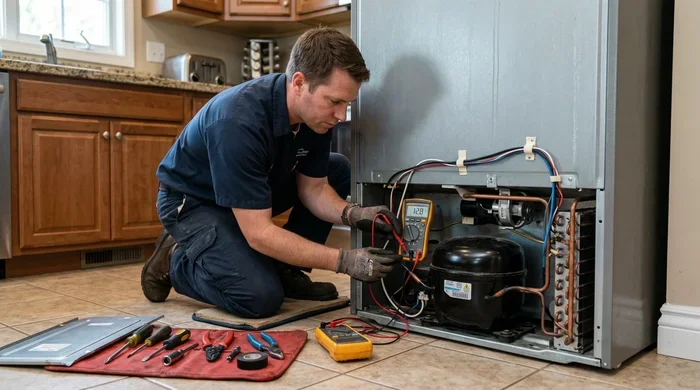
Regular maintenance keeps your generator reliable and prevents expensive emergency repairs. A typical annual service includes an oil change, filter replacement, spark plug check, and system test. Budget roughly $200 to $400 per year for professional servicing. Some dealers offer maintenance plans that bundle these services at a discount.
Neglecting maintenance is the fastest path to costly breakdowns. Units that sit unused for months can develop fuel system issues, battery corrosion, and starting failures. Running periodic tests ensures everything works when you need it most. If you want to learn more about keeping systems in top shape, this generator testing resource covers essential testing procedures.
Insurance Implications
Installing a standby generator may lower your homeowners insurance premium in some cases. Insurers view backup power as a risk reducer. Check with your provider to see if you qualify for discounts. This small saving can partially offset your ongoing costs.
Expert Tips to Lower Your Generator Cost
You do not have to overspend to get reliable power. These practical strategies help you cut costs without sacrificing quality.
Buy During Off-Peak Seasons
Generator prices tend to rise before storm seasons and power outage forecasts. Buying in late spring or early summer often lands you better deals. Sellers run promotions to move inventory. Patience pays off here.
Compare Multiple Quotes
Always get at least three quotes for standby generator installation. Labor rates vary significantly between contractors. A little competition among installers can save hundreds or even thousands of dollars on the same unit.
Choose the Right Size
Oversized generators waste fuel and cost more upfront. Undersized units work too hard and burn out faster. Proper generator sizing hits the sweet spot. Work with a professional to calculate your exact load requirements and pick a unit that matches.
Maintain Your Unit Diligently
As mentioned, regular servicing prevents major repairs. A $300 oil change every year beats a $2,000 engine replacement. Keep a maintenance log and stick to a schedule. This habit alone extends your unit lifespan by years.
Consider Refurbished or Used Units
For portable generators, buying a well-maintained used unit can save 30 to 50 percent of the original price. Look for units with low hours on the meter and a clean maintenance history. For standby systems, certified refurbished models from reputable dealers offer solid value with warranty coverage.
Group Your Electrical Loads
Instead of running everything at once, prioritize essential circuits. Many standby systems come with a transfer switch that lets you power only key areas. This approach reduces fuel consumption and extends runtime during long outages. It is a simple habit that delivers real savings over time.
Explore Tax Credits and Incentives
Some states and local governments offer tax credits for installing energy-efficient backup power systems. These incentives can offset a meaningful chunk of your upfront cost. Check federal, state, and utility programs before making your purchase. Every dollar saved counts toward your overall budget.
Conclusion
Understanding generator cost goes far beyond the price tag on the box. From fuel type and installation fees to maintenance routines and hidden permits, every dollar matters. By breaking down each expense category and planning ahead, you make a confident and informed decision. Whether you choose a portable unit for basic needs or a standby system for whole-home protection, the knowledge in this guide puts you in control of your budget.
Take your time, compare options, and resist impulse buying. A generator is a long-term investment in comfort, safety, and peace of mind. Apply these tips, do your research, and you will find the right system at the right price. Power outages do not wait, so smart preparation ensures you are ready when they arrive.
Frequently Asked Questions
How much does a typical generator cost for home use?
A portable generator for home use costs between $500 and $2,500, while a standby generator ranges from $3,000 to $15,000 or more. The final price depends on wattage, fuel type, brand, and installation complexity. Always factor in permits and setup fees for a complete picture.
Are standby generators worth the high generator price?
Yes, standby generators are worth the investment if you experience frequent outages or need whole-home backup. They activate automatically, run on natural gas or propane, and handle heavy electrical loads. Over 15 to 20 years of reliable service, the upfront cost spreads out into reasonable annual expense.
What is the cheapest fuel option for running a generator?
Gasoline is usually the cheapest fuel at the pump, but it has a short shelf life and higher consumption. Natural gas often provides the best value long-term because it connects to your utility line and avoids refueling. Propane is a clean alternative with a long storage life. For detailed consumption rates, check how much natural gas a generator uses.
How much does generator installation typically cost?
Installation costs range from $1,000 to $5,000 for standby generators. This includes labor, permits, electrical wiring, and sometimes a new gas line. Portable generators require no installation, which makes them far cheaper to get running. Always get multiple quotes to find the best price on installation work.
How often does a generator need maintenance?
Most generators need professional maintenance at least once a year. This includes an oil change, filter replacement, and a full system test. Units used frequently may need servicing every 6 months. Regular maintenance prevents costly breakdowns and keeps your warranty valid.
Can I install a generator myself to save money?
Portable generators are easy to set up yourself, but standby units require professional installation. Electrical wiring, gas connections, and building codes demand licensed technicians. Attempting DIY installation can void your warranty, violate local codes, and create serious safety hazards. Hiring a pro is always the safer and smarter choice.