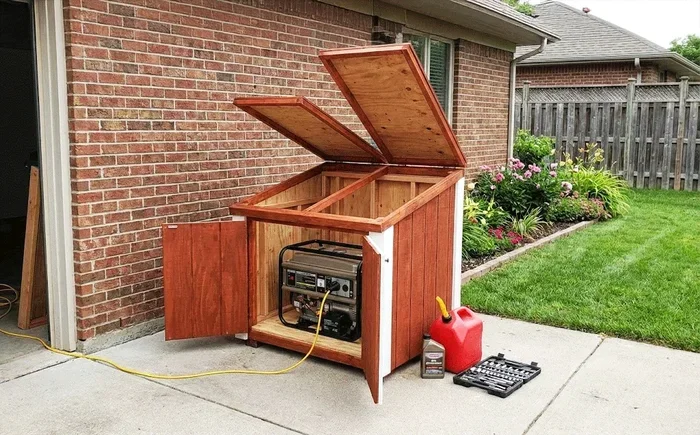
Portable Power Generator Guide for Home and Outdoor Use
A portable power generator is a compact, mobile energy solution that keeps your essential devices running during outages, camping trips, and outdoor adventures. Whether you need backup electricity for your home or a reliable power source for tailgating and RV travel, these versatile units deliver clean, dependable energy on demand. This guide covers everything you need to know about choosing, using, and maintaining the right portable power generator for your specific needs.
Key Takeaways
- Match your wattage needs: calculate total power for essential appliances before buying.
- Maintain regularly: oil changes and filter checks ensure reliable backup when emergencies strike.
- Always run outdoors: portable generators emit carbon monoxide dangerous in enclosed spaces.
- Pick the right fuel: gasoline, propane, or dual-fuel options affect cost and runtime.
- Choose inverter models for electronics: they deliver cleaner, safer power for sensitive devices.
- Plan for outdoor fun too: portable generators power camping trips and outdoor events easily.
📑 Table of Contents
- What Is a Portable Power Generator and Why You Need One
- Types of Portable Power Generators
- How to Choose the Right Portable Power Generator for Your Needs
- Setting Up and Using Your Portable Power Generator Safely
- Portable Power Generator Maintenance Tips
- Top Uses for a Portable Power Generator at Home and Outdoors
- Final Thoughts on Portable Power Generators
What Is a Portable Power Generator and Why You Need One
A portable power generator is one of the most practical tools you can own. Whether you are dealing with unexpected blackouts or planning a weekend camping trip, this device keeps your essential appliances running. It is basically a compact machine that converts fuel into electricity you can use on the go. Unlike a whole-house standby system, a portable power generator is lightweight, easy to move, and ready whenever you need it.
So why do so many homeowners and outdoor enthusiasts swear by them? Simple. A portable power generator gives you backup power during storms, lets you run power tools on a job site, and even keeps your devices charged while you are off the grid. It is like having your own personal electricity plant that fits in the back of your truck. In this guide, we will walk you through everything you need to know to pick, use, and maintain one properly.
We will cover the different types available, how to choose the right size, and the safety rules you should follow. By the end, you will feel confident about making a smart purchase. Let us get into it.
How a Portable Power Generator Works
The concept is straightforward. A small engine burns fuel, which spins a generator shaft. That shaft produces electricity that flows through electrical outlets on the unit. You plug your devices directly into the unit, and you have power.
Most units run on gasoline, diesel, or propane. Some newer models even combine a battery with a solar panel for a portable power station experience. The key difference is that a traditional portable power generator uses a combustion engine, while a power station relies on stored battery energy. Both have their place, so it really depends on your situation.
Types of Portable Power Generators
Not all generators are created equal. There are several distinct types on the market, and each one serves a slightly different purpose. Knowing the differences helps you avoid buying something that does not fit your needs.
Conventional Portable Generators
These are the workhorses you see at construction sites and tailgate parties. A conventional portable power generator runs on gasoline or diesel and delivers solid wattage output. They tend to be affordable and widely available.
- Great for heavy-duty tools and appliances
- Typically louder than inverter models
- Offer longer runtime on a single tank
- Usually heavier and less fuel-efficient
Inverter Generators
If you value quiet operation and clean power, an inverter model is your best bet. These units adjust the engine speed to match the demand, which saves fuel and reduces noise level. They are perfect for sensitive electronics like laptops and cameras.
Many people ask whether they can pair two inverter units together. Yes, some models offer parallel capability, which lets you connect two generators for double the output without buying a bigger unit.
Dual-Fuel and Tri-Fuel Models
These give you flexibility. A dual-fuel portable power generator can run on gasoline and propane, while tri-fuel models add natural gas to the mix. This is handy when one fuel type is hard to find during an emergency.
Solar and Battery-Powered Units
These are technically not generators in the traditional sense, but they serve a similar purpose. A solar portable power station charges via panels and stores energy in a battery. They produce zero emissions and are whisper-quiet. The trade-off is they usually have lower wattage output and take time to recharge.
| Type | Best For | Fuel Source | Noise Level | Portability |
|---|---|---|---|---|
| Conventional | Heavy tools, whole-home backup | Gasoline, Diesel | High | Moderate |
| Inverter | Electronics, camping | Gasoline, Propane | Low to Medium | High |
| Dual-Fuel | Flexibility, emergencies | Gasoline + Propane | Medium | Moderate |
| Solar/Battery | Quiet off-grid use | Solar, Battery | Very Low | High |
How to Choose the Right Portable Power Generator for Your Needs
Picking the right portable power generator can feel overwhelming with so many options out there. But if you focus on a few key factors, the decision becomes much easier. Let us break down what really matters.
Calculate Your Power Needs
Start by listing the appliances and devices you want to run. Then check their wattage requirements. You need to understand the difference between starting watts and running watts. Starting watts are the extra burst needed to kick on a motor, while running watts are what the device needs to keep going.
For example, a refrigerator might need 600 watts to run but 1,800 watts to start. Add up those numbers and you will know what size unit you need. If you are unsure about your setup, you can check resources like how big of a backup generator do I need for helpful guidance on sizing.
Consider Fuel Efficiency and Runtime
Nobody wants to refuel every hour. Look for a unit with a generous fuel tank capacity and good fuel efficiency. A larger tank means longer runtime between fill-ups. Inverter models generally win here because their engines adjust speed based on load.
If you plan to use the unit for extended outages, it is also worth learning about fuel options. For instance, understanding how much natural gas does a generator use can help you plan your fuel supply more accurately during long emergencies.
Think About Portability and Weight
A true portable power generator should be easy to carry. Look for models with built-in handles, wheels, or compact frames. If you plan to carry it on hikes or move it around a job site, aim for something under 50 pounds. Heavier units are fine if they stay in one spot, like near your home’s electrical panel.
Check the Number and Type of Outlets
You need enough electrical outlets to handle your devices. Common options include standard 120V household outlets, 12V DC ports, and USB charging ports. Some models even offer 240V outlets for large appliances. Make sure the outlet types match what you plan to plug in.
Noise Matters
If you are using the generator near your home or while camping, noise level is a real concern. Inverter models typically run at 50-60 decibels, which is about the same as a normal conversation. Conventional models can hit 75-85 decibels, which is comparable to a lawnmower. If quiet operation is a priority, invest in an inverter-style unit.
Setting Up and Using Your Portable Power Generator Safely
Safety should always come first when dealing with any kind of generator. A portable power generator produces electricity, but it also produces dangerous fumes. Following proper setup procedures protects you, your family, and your appliances.
Never Run a Generator Indoors
This is the number one rule. Generators produce carbon monoxide, which is a colorless, odorless gas that can be deadly. Always place your unit outdoors, at least 20 feet away from windows, doors, and vents. Even a partially open garage is not safe enough.
Position the Unit on a Dry, Level Surface
Water and electricity do not mix. Set your generator on a dry, flat area. If it is raining, use a canopy or pop-up tent designed for generator use. Some people build a simple wooden platform to keep the unit elevated off wet ground.
Use Proper Extension Cords
If you need to run cords into your home, use heavy-duty outdoor extension cords rated for the wattage you are pulling. Look for cords with thick gauges, ideally 12 or 14. Lightweight indoor cords will overheat and can cause a fire.
Avoid Backfeeding
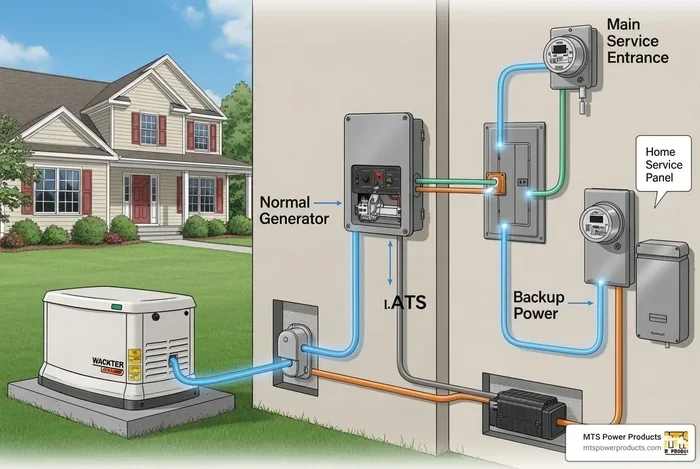
Plugging your generator directly into a wall outlet is extremely dangerous. This is called backfeeding, and it can send power back into the utility lines, putting workers and neighbors at risk. If you want to power your whole home during an outage, a transfer switch is the safe way to do it. You can learn more about proper setup through generator testing resources that walk you through safe installation practices.
Store Fuel Safely
Keep extra gasoline in approved containers, stored in a cool, ventilated area away from heat sources. Fuel should not be stored for more than a few months without a fuel stabilizer, as old gasoline can clog the carburetor and cause starting problems.
Portable Power Generator Maintenance Tips
Regular maintenance keeps your portable power generator running reliably when you need it most. Neglecting upkeep can lead to starting failures, poor performance, or even permanent damage. Here is what you should do on a regular basis.
Change the Oil Regularly
Most manufacturers recommend changing the oil after the first 20-25 hours of use, then every 100 hours or once a season. Fresh oil keeps the engine running smoothly and prevents overheating. Always refer to your specific model’s manual for the correct oil type and weight.
Replace or Clean the Air Filter
A dirty air filter restricts airflow and reduces power output. Check the air filter before each use and clean or replace it as needed. This is a small task that makes a big difference in performance and longevity.
Check the Spark Plug
The spark plug ignites the fuel in the engine. Over time, it can wear out or get fouled. Inspect it periodically and replace it when you notice hard starting or rough idling. A new spark plug usually costs just a few dollars and is easy to install.
Run the Generator Periodically
Even if you do not need power, start your generator once a month and let it run for about 15 minutes. This keeps the fuel system lubricated and prevents the carburetor from getting gummed up. It also gives you a chance to check that everything is working properly.
Monitor the Battery
If your generator has an electric start feature, keep the battery charged. You can also learn more about battery longevity and whether you should consider a different setup by reading about how long does a generator battery last. A dead battery means you will need to pull the recoil cord to start the unit, which is not ideal in an emergency.
Inspect Fuel Lines and Connections
Look for cracks, leaks, or loose connections in the fuel system. Replace any damaged fuel lines immediately. A small fuel leak can become a serious safety hazard if left unchecked.
Top Uses for a Portable Power Generator at Home and Outdoors
One of the best things about a portable power generator is how versatile it is. Here are some of the most popular ways people use them every day.
Emergency Backup During Power Outages
Storms, grid failures, and equipment malfunctions can knock out electricity for hours or even days. A portable power generator keeps your refrigerator running, your lights on, and your phone charged. It is a lifesaver during severe weather events and unexpected blackouts.
Camping and Outdoor Adventures
Campers love generators for powering lights, fans, and cooking equipment. Modern inverter models are quiet enough to use at crowded campgrounds without disturbing anyone. You can also charge drones, cameras, and other gadgets that make outdoor trips more enjoyable.
Powering Tools at Job Sites
Contractors and DIY enthusiasts rely on portable power generators to run drills, saws, sanders, and compressors. A good unit can handle multiple tools at once, making it an essential part of any mobile workshop. If you are comparing options, understanding the difference between a portable power generator and a dedicated electrical generator can help you decide which fits your workflow better.
Tailgating and Outdoor Events
Want to power a TV, speaker, and microwave at your tailgate spot? A portable generator makes it happen. These units handle entertainment setups and small appliances with ease, adding comfort to any outdoor gathering.
RV and Van Living
For those living the nomadic lifestyle, a compact generator provides independence from campground hookups. It lets you run air conditioning, cooking appliances, and entertainment systems without relying on external power sources. Paired with solar panels, it creates a reliable off-grid energy system.
Home Improvement and DIY Projects
From pressure washing to running a shop vac, a generator gives you the flexibility to tackle projects anywhere on your property. No extension cords running through the house, no tripping hazards, just clean portable power wherever you need it.
Quick Tips for First-Time Users
- Always read the owner’s manual before your first use
- Start with a test run before you actually need the generator
- Keep a flashlight and basic toolkit near the unit
- Label your circuits if you plan to use a transfer switch
- Practice setting up the generator so you are not fumbling during an emergency
Common Mistakes to Avoid
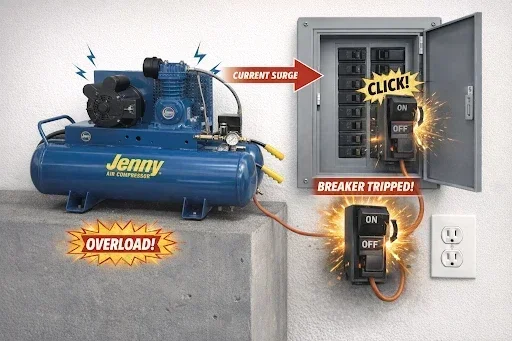
- Overloading the unit beyond its rated capacity
- Running the generator in enclosed or poorly ventilated spaces
- Using damaged cords or faulty connections
- Ignoring regular maintenance schedules
- Storing the unit without draining the fuel for long periods
Expert Insights on Getting the Most Value
Industry professionals recommend investing a little more in quality brands that offer solid warranties and accessible customer support. A slightly pricier portable power generator often pays for itself through reliability and longer lifespan. Look for models with easily accessible oil fill caps, tool-free maintenance points, and clear labeling on the unit itself.
Experts also suggest pairing your generator with a surge protector for sensitive electronics. Even clean power can experience spikes that damage equipment. A good surge protector adds an extra layer of defense and costs very little.
Final Thoughts on Portable Power Generators
A portable power generator is more than just a convenience. It is a reliable safeguard against the unexpected. Whether you face a winter storm that knocks out your electricity, head into the woods for a weekend escape, or need power at a remote job site, the right generator keeps you covered.
We have covered how these units work, the different types available, and the key factors to consider when shopping. You now know how to set one up safely, maintain it properly, and get the most out of every use. The bottom line is that a well-chosen portable power generator brings peace of mind and real-world utility to your home and outdoor life.
Take your time, do your research, and pick a unit that matches your actual power needs. With the right setup and a little regular care, your generator will serve you faithfully for years to come. Power up with confidence and enjoy the freedom that comes from having your own reliable source of electricity.
Frequently Asked Questions
What is a portable power generator and how does it work?
A portable power generator is a compact device that converts fuel or battery energy into electricity you can carry anywhere. It works by running an engine or drawing from a rechargeable battery to produce AC or DC power through an outlet. These generators are ideal for backup power at home, camping trips, and job sites where you need reliable electricity on the go.
What size portable power generator do I need for home backup?
The right size depends on which appliances you want to keep running during an outage. A 2,000 to 3,000-watt unit can handle essentials like lights, a fridge, and a phone charger. For larger needs like central air or multiple rooms, look for a 5,000 to 7,500-watt portable power generator to cover your home comfortably.
Can I use a portable power generator indoors safely?
You should never run a fuel-powered generator indoors because it produces carbon monoxide, which is deadly. Always place it outside at least 20 feet away from windows and doors. If you need indoor-safe power, consider a battery-powered portable power station that produces zero emissions.
How long does a portable power generator run on a full tank?
Runtime varies by model, fuel tank size, and the load you are running. Most mid-sized units last between 8 and 12 hours at half load on a full tank of gasoline. Battery-powered models typically run 4 to 10 hours depending on the devices you are charging.
What fuel types do portable power generators use?
Most traditional units run on gasoline, which is easy to find and store. Some models offer dual-fuel options that accept propane or natural gas for longer runtime. There are also solar generators and battery-powered units that charge via wall outlets or sunlight, making them a clean and quiet choice for outdoor use.
How do I maintain my portable power generator for long-term use?
Regular maintenance keeps your generator running smoothly when you need it most. Drain old fuel or use a stabilizer if you store it for more than 30 days, and change the oil after every 100 hours of use. Check the air filter, spark plug, and battery terminals periodically to ensure peak performance.