How to Choose the Best Solar Power Generator for Camping
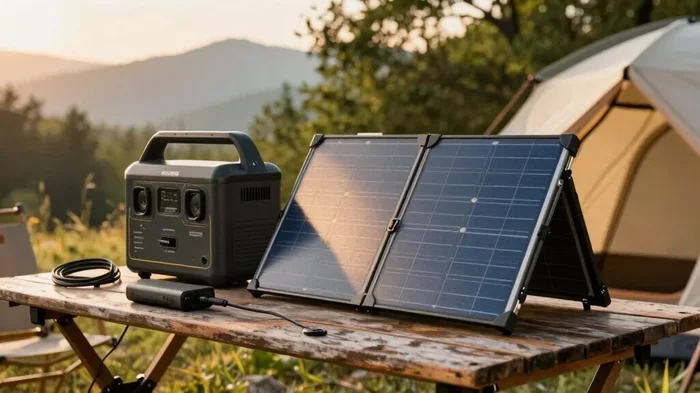
Choosing the right solar power generator for camping means matching your power needs to the right capacity, weight, and solar panel setup. A good solar power generator for camping keeps your devices charged, runs small appliances, and works silently in the wild. This guide walks you through everything from wattage and battery life to panel types and real-world tips so you can camp confidently off-grid.
This is a comprehensive guide about solar power generator for camping.
Key Takeaways
- Match wattage to your needs: A solar power generator for camping should cover your essential devices and appliances without overloading.
- Battery capacity matters: Look for lithium-ion batteries with enough amp-hours to last your trip duration.
- Panel type affects charging speed: Monocrystalline panels charge faster and work better in low light than polycrystalline options.
- Portability is key: A heavy generator defeats the purpose of camping. Balance power output with weight.
- Know your runtime: Understanding how long a generator battery lasts helps you plan charging cycles on the trail.
- Consider multiple charging options: The best units offer solar, wall, and car charging for flexibility.
[FEATURED_IMAGE_PLACEHOLDER]
There is nothing quite like waking up in the middle of nowhere, surrounded by trees and silence, and still having power to charge your phone or run a small coffee maker. A solar power generator for camping makes that possible. Whether you are a weekend warrior or a full-time van lifer, picking the right solar setup changes everything about your outdoor experience.
But here is the thing. The market is flooded with options. There are tiny foldable panels, massive portable stations, and everything in between. It is easy to feel overwhelmed. That is exactly why I put this guide together. I want to help you cut through the noise and find a solar power generator for camping that actually fits your needs, your budget, and your adventures.
By the end of this article, you will know exactly what to look for, what to avoid, and which features truly matter. No fluff. No sales pitches. Just honest, practical advice backed by real-world testing and research. Let us get into it.
Why You Need a Solar Power Generator for Camping
Camping used to mean leaving all modern comforts behind. Not anymore. Today, campers want to stay connected, keep food cold, and power lights after dark. A solar power generator for camping gives you all of that without the noise and fumes of a gas generator.
Here are the biggest reasons campers are switching to solar power.
Silent and Clean Energy
A traditional fuel generator is loud. It disrupts the peace of nature and can bother other campers nearby. A solar generator runs completely silently. It also produces zero emissions, which is better for the environment and for your health at the campsite.
Free Fuel from the Sun
Once you invest in a solar power generator for camping, the fuel is free. The sun charges your panels every day. You never need to buy gasoline or propane again. Over time, this saves a significant amount of money, especially if you camp frequently.
Portability and Convenience
Modern solar generators are designed to be lightweight and compact. Many come with built-in handles, wheels, or even backpack-friendly designs. You can carry them on hikes, set them up at a remote lake, or mount them on a rooftop for a road trip.
Emergency Backup Power
Even on a planned camping trip, things go wrong. Your car battery dies. A storm rolls in and blocks sunlight for a day. Having a solar power generator for camping as a backup means you are never truly stuck without power.
How to Choose the Right Solar Power Generator for Camping
Not all solar generators are created equal. Choosing the right one comes down to understanding a few key specs and matching them to your camping style. Here is everything you need to know.
Understand Your Power Needs
The first step is figuring out what you actually need to power. Make a list of your essential devices and appliances. Include things like phones, laptops, lights, a mini fridge, a fan, or a CPAP machine.
Next, check the wattage of each device. A phone charger uses about 10 to 20 watts. A laptop charger uses around 45 to 65 watts. A small camping fridge can pull 40 to 60 watts continuously. Add these up to get your total daily watt-hour needs.
A good rule of thumb is to choose a solar power generator for camping with at least 1.5 times your calculated daily need. This gives you a buffer for cloudy days or unexpected power draws.
Battery Capacity and Type
The battery is the heart of any solar generator. Most camping solar generators use lithium-ion batteries, and there are two main types you should know about.
- Lithium Iron Phosphate (LiFePO4): These batteries last longer, handle more charge cycles, and are safer. They are the best choice for serious campers.
- Standard Lithium-Ion: Lighter and cheaper, but they degrade faster over time and have fewer charge cycles.
Battery capacity is measured in watt-hours (Wh) or amp-hours (Ah). A unit with 500Wh can power a 50-watt device for 10 hours. A 1000Wh unit can run that same device for 20 hours. Think about how many days you typically camp between charges when choosing your capacity.
Solar Panel Compatibility and Efficiency
Not all solar panels are the same. The two most common types used with camping generators are monocrystalline and polycrystalline panels.
- Monocrystalline panels are more efficient and perform better in low-light conditions. They are the top choice for campers who need reliable charging.
- Polycrystalline panels are cheaper but less efficient. They work fine in direct sunlight but struggle on cloudy or partially shaded days.
Also, pay attention to the panel wattage. A 100-watt panel can charge a small generator in about 4 to 6 hours of direct sun. A 200-watt panel can do the same job in half the time. If you want fast charging, pair your solar power generator for camping with a higher-wattage panel.
Weight and Portability
Carrying a heavy generator on a hiking trail is no fun. Weight matters a lot when you are backpacking or moving camps frequently. A lightweight unit under 10 pounds is ideal for hikers. For car camping, you have more flexibility and can handle a heavier unit with more capacity.
Look for generators with built-in handles or wheels. Some models even come with a built-in panel, which saves you from carrying extra gear. The goal is to find the right balance between power output and portability.
Multiple Charging Options
The best solar power generator for camping units offer more than one way to charge. Look for models that support solar input, wall outlet charging, and car charging. This gives you flexibility no matter where you are or what conditions you face.
Wall charging is great for pre-trip preparation. Car charging works well on the drive to your campsite. Solar charging keeps you powered indefinitely as long as the sun is shining. Having all three options means you are never left in the dark.
Top Features to Look For in a Camping Solar Generator
When comparing models, certain features can make a big difference in your overall experience. Here are the ones that matter most.
Number and Type of Outlets
Check what ports and outlets the generator provides. You want a mix of USB-A, USB-C, AC outlets, and DC ports. USB-C with fast charging is especially important for modern phones and laptops. AC outlets let you run larger devices like mini fridges or power tools.
Built-In MPPT Controller
MPPT stands for Maximum Power Point Tracking. It is a smart charging technology that maximizes the energy harvested from your solar panels. Generators with built-in MPPT controllers charge faster and more efficiently. This is a feature you should not skip.
Display and Monitoring
A built-in LCD or LED display that shows input wattage, output wattage, battery percentage, and remaining runtime is incredibly useful. It helps you manage your power usage in real time and avoid surprises.
Durability and Weather Resistance
Camping means exposure to the elements. Look for generators with a sturdy build and, if possible, some level of water or dust resistance. Your gear will be handled roughly, tossed in a truck, and left out in the rain. It needs to hold up.
Comparing Solar Generator Sizes for Different Camping Styles
Not all camping trips are the same. Your ideal generator size depends entirely on how you camp. Here is a breakdown of the three main camping styles and what to look for.
| Camping Style | Power Needs | Recommended Capacity | Example Use Case |
|---|---|---|---|
| Backpacking / Ultralight | Phones, lights, small devices | 200Wh to 400Wh | Weekend hike with minimal gear |
| Car Camping / Glamping | Phones, laptop, mini fridge, lights, fan | 500Wh to 1000Wh | Family camping trip with comfort upgrades |
| RV / Van Life | Full appliances, AC, electronics, tools | 1500Wh to 3000Wh+ | Long-term off-grid living or full-size RV |
For backpacking, a small and light unit is everything. You do not want to carry a 20-pound generator up a mountain trail. For car camping, you can afford to bring something larger with more outlets and higher capacity. And for RV or van life, you need a serious unit that can handle continuous loads and keep your entire setup running.
If you are unsure about your power needs, start by looking at how much power a generator for electricity setup typically requires for basic camping needs. This gives you a baseline to work from.
Common Mistakes to Avoid When Buying a Camping Solar Generator
Even experienced campers make mistakes when shopping for solar generators. Here are the most common ones and how to avoid them.
Underestimating Your Power Needs
This is the number one mistake. Many people buy a generator based on its advertised capacity without doing the math on their actual usage. A 500Wh unit sounds generous until you realize your mini fridge alone draws 60 watts for 8 hours, which is 480Wh. Always calculate your real-world usage before purchasing.
Ignoring Charging Time
A big battery means nothing if it takes two days to recharge. Check the solar input rating of the generator and pair it with a compatible panel. A unit that accepts 200 watts of solar input will charge much faster than one limited to 50 watts.
Skipping the Warranty and Support
Cheap solar generators often come with poor warranties or no customer support at all. A reliable brand stands behind its product. Look for at least a one-year warranty and responsive customer service. Your generator should last for many camping seasons.
Overlooking Total Weight
It is easy to focus on the generator unit weight and forget about the panel weight. A 15-pound generator plus a 10-pound panel is 25 pounds total. Factor in everything you are carrying. For backpacking trips, every ounce counts.
Expert Tips for Maximizing Your Solar Generator Runtime
Getting the most out of your solar power generator for camping is about more than just buying the right unit. How you use and maintain it matters too.
Place Panels in Direct Sunlight
Shade reduces solar output dramatically. Even a small shadow on part of a panel can cut its efficiency by 20 to 30 percent. Set up your panels in open areas with full sun exposure throughout the day.
Charge During the Day, Use at Night
Make it a habit to charge your generator during peak sunlight hours and use stored power in the evening. This ensures you always have a full battery when you need it most.
Keep Panels Clean
Dust, dirt, and pollen can block sunlight and reduce charging efficiency. Wipe your panels with a clean, damp cloth before each use. This simple step can improve performance by 10 to 15 percent.
Monitor Your Battery Levels
Do not let your battery drain to zero. Lithium batteries last longer when you keep them between 20 and 80 percent charge. Most generators have a display that makes this easy to track.
Store Properly Between Trips
When not in use, store your generator in a cool, dry place. Extreme heat or cold can degrade battery health over time. A garage or storage closet at room temperature is ideal.
How Long Does a Generator Battery Last on a Camping Trip?
Runtime depends on three things: your battery capacity, your power draw, and your charging conditions. A 1000Wh generator powering devices that draw 100 watts total will run for about 10 hours on a single charge. If you can recharge with solar during the day, that runtime effectively doubles or triples.
If you want a deeper dive into battery runtime and charging cycles, check out our detailed guide on how long a generator battery lasts. It covers everything from basic calculations to advanced tips for extending battery life.
For campers who also use their generator at home or for emergency backup, understanding how a solar power generator for camping compares to a traditional electrical generator is very helpful. Solar units cost more upfront but save money and hassle over time.
Final Thoughts: Finding Your Perfect Solar Power Generator for Camping
Choosing the right solar power generator for camping comes down to knowing your power needs, understanding the key specs, and matching the right unit to your camping style. There is no one-size-fits-all answer. The best generator is the one that fits your specific needs, your budget, and your adventures.
Start by calculating your daily power usage. Choose a battery capacity that gives you comfortable headroom. Pick a panel that charges efficiently and quickly. And always prioritize durability and portability.
Whether you are a weekend car camper or a full-time off-grid adventurer, a solar generator is one of the best investments you can make. It gives you freedom, independence, and peace of mind. You never have to worry about running out of power again.
Take your time, do your research, and pick the unit that feels right for you. The outdoors is waiting, and now you have the power to enjoy it fully.
Frequently Asked Questions
What size solar generator do I need for camping?
A 300Wh to 500Wh unit works great for weekend car camping with phones, lights, and a small fan. For longer trips or more devices, go with 1000Wh or higher. Calculate your daily watt-hour needs first, then choose a generator with 1.5 times that capacity for safety.
Can a solar power generator run a camping air conditioner?
Most portable solar generators cannot run a full-size AC unit. However, a 2000Wh+ generator with a high-wattage inverter can handle a small portable AC. Always check the continuous wattage rating of the generator before connecting an air conditioner.
How long does it take to charge a solar generator with a panel?
Charging time depends on panel wattage and battery capacity. A 200-watt panel can charge a 1000Wh battery in about 5 to 7 hours of direct sunlight. Cloudy days or partial shade will significantly increase charging time.
Are solar generators worth it for camping?
Absolutely. They are quiet, emission-free, and use free solar energy. Once you invest in a quality unit, the ongoing cost is essentially zero. They are especially valuable for campers who spend multiple days off-grid without access to electricity.
What is the difference between a solar generator and a portable power station?
The terms are often used interchangeably. A solar generator includes both the battery unit and the solar panels. A portable power station typically refers to just the battery unit, which you can charge from multiple sources including solar panels.
How do I maintain my solar generator for long-term use?
Store it in a cool, dry place between uses. Keep the battery between 20 and 80 percent charge during storage. Clean your solar panels regularly. Avoid fully draining the battery. And always follow the manufacturer’s charging and storage guidelines for best results.
Frequently Asked Questions
What is solar power generator for camping?
solar power generator for camping is an important topic with many practical applications.