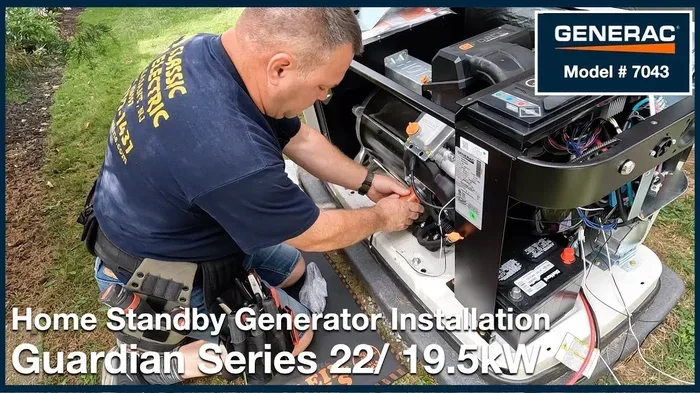
Can I Install a Whole House Generator Myself Safely
You can physically install a whole house generator yourself, but it comes with serious safety and legal risks. A whole house generator is a powerful backup system that keeps your home running during outages. However, improper generator installation can lead to electrical fires, carbon monoxide poisoning, code violations, and voided warranties. This guide breaks down every step, cost, and risk so you can make the safest choice for your home.
Power outages are more common than most people think. Storms, grid failures, and aging infrastructure can leave your home in the dark for hours or even days. A whole house generator solves this problem by keeping your lights on, your fridge running, and your family comfortable no matter what.
But here is the big question: can you install a whole house generator yourself? The short answer is technically yes. The real answer is a lot more complicated. There are safety risks, legal requirements, and technical challenges that make DIY installation a tough call for most homeowners. Let us walk through everything you need to know before you pick up a wrench.
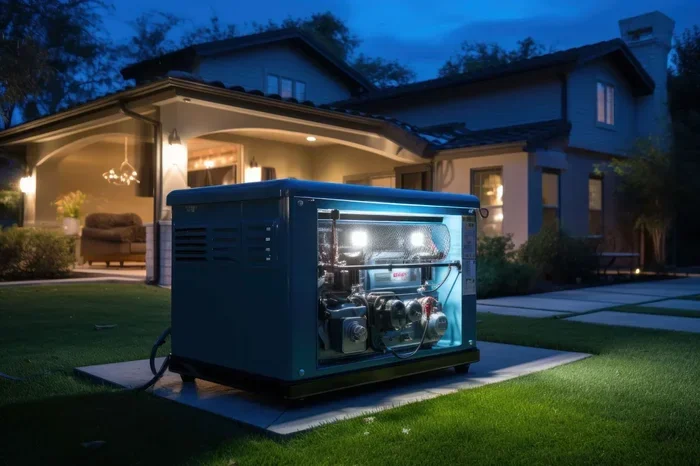
A standby generator is not the same as a portable unit you pull out during a storm. A whole house system is permanently installed outside your home. It connects directly to your electrical panel and runs on natural gas or propane. This means the installation involves electrical wiring, gas lines, and structural considerations. Get any of these wrong, and you could face serious consequences.
Key Takeaways
- Legal and Safety Risks: DIY installation of a whole house generator can violate local electrical codes and void your warranty.
- Complex Process: Proper setup requires knowledge of fuel lines, electrical panels, transfer switches, and ventilation.
- Cost Savings Are Limited: Hiring a pro costs more upfront but prevents costly mistakes and future repairs.
- Permits Are Usually Required: Most jurisdictions require a generator permit and inspection for whole house units.
- Wrong Sizing Is a Common Mistake: Choosing the wrong size generator leads to poor performance and wasted money.
- Carbon Monoxide Danger: Improper placement of a standby generator can be deadly.
- Professional Installation Offers Peace of Mind: Licensed electricians ensure safe, code-compliant setup.
📑 Table of Contents
What Is a Whole House Generator?
A whole house generator is a backup power system designed to run your entire home. It kicks on automatically when the main power goes out. Most systems run on natural gas or liquid propane. Some models can even operate on diesel fuel.
These generators range in size from about 7 kilowatts to 200 kilowatts or more. The right size depends on how many appliances and systems you want to keep running during an outage. A small unit might power just your essentials. A large one can handle everything from your air conditioner to your well pump.
How Does a Standby Generator Work?
A standby generator sits outside your home, much like a central air conditioning unit. It connects to your home’s fuel supply. When it detects a power loss, it starts up within seconds. An automatic transfer switch disconnects your home from the grid and connects it to the generator. This prevents backfeeding, which is extremely dangerous for utility workers.
The generator runs until power is restored. Then it switches back to grid power and shuts down. All of this happens automatically. You do not need to be home or even awake for it to work.
Common Types of Home Backup Generators
Not all generators are the same. Here are the most common types used for whole house backup:
- Natural Gas Generators: These connect to your home’s existing gas line. They are convenient because you do not need to refill fuel tanks.
- Propane Generators: These run on LP gas stored in tanks. They are popular in rural areas where natural gas is not available.
- Diesel Generators: These are less common for residential use but offer excellent fuel efficiency and long run times.
- Dual-Fuel Generators: Some models can run on both natural gas and propane, giving you flexibility.
Can You Install a Whole House Generator Yourself?
The honest answer is yes, physically you can. But should you? That is a different question entirely. Installing a whole house generator involves electrical work, gas connections, and compliance with local building codes. One mistake can be dangerous or even fatal.
Legal and Code Requirements
Most cities and counties require a generator permit for whole house installations. This permit ensures the system meets local electrical code and safety standards. Without a permit, you could face fines, forced removal, or problems when you sell your home.
Many jurisdictions also require a licensed electrician to pull the permit and perform the electrical portion of the work. Even if your area allows DIY electrical work, a whole house generator installation almost always falls outside the scope of what a homeowner should handle alone.
Safety Risks of DIY Installation
Working with electricity and gas is inherently dangerous. Here are some real risks:
- Electrical Shock: Connecting a generator to your panel involves handling high-voltage wiring. One slip can cause serious injury or death.
- Carbon Monoxide Poisoning: A generator placed too close to windows, doors, or vents can send deadly fumes into your home.
- Fire Hazard: Improper wiring or fuel connections can spark fires.
- Backfeeding: If the generator feeds power back into the grid, it can electrocute utility workers repairing power lines.
- Gas Leaks: Incorrect fuel line connections can lead to gas leaks, which pose explosion risks.
These are not hypothetical risks. They happen every year to homeowners who attempt DIY generator installations without proper training.
Warranty and Insurance Concerns
Most generator manufacturers void the warranty if the unit is not installed by a licensed professional. This means if something breaks down, you pay for all repairs out of pocket. Some insurance policies also require professional installation. If your generator causes damage and it was installed incorrectly, your claim could be denied.
Before you decide to go the DIY route, check your generator’s warranty terms and your homeowner’s insurance policy. The savings from a self-installation might not be worth the risk.
Tools and Permits You Will Need
If you still want to explore a DIY approach, you need to understand what is involved. Preparation is key. Here is what you will need before you start.
Required Permits
Contact your local building department to find out what permits are needed. Most areas require:
- A generator permit for the unit itself
- A separate permit for electrical work
- A permit for gas line modifications
- An inspection after installation is complete
Skipping permits is illegal and can create major headaches down the road. Always check with your local authorities before starting any work.
Essential Tools and Equipment
You will need more than just basic hand tools. Here is a list of what a typical installation requires:
- Generator pad or concrete slab: A stable, level base for the unit
- Automatic transfer switch: This is the brain of the system that manages power switching
- Electrical wiring and conduit: Rated for the generator’s amperage
- Gas pipe fittings and connectors: For connecting to your fuel supply
- Concrete anchor bolts: To secure the generator pad
- Voltage tester and multimeter: For checking electrical connections
- Pipe wrench and thread sealant: For gas line work
- Drill and masonry bits: For mounting and anchoring
You will also need access to a crane or lifting equipment for placing the generator on the pad. These units are heavy, often weighing several hundred pounds.
Generator Sizing Basics
Choosing the right size is one of the most important parts of the process. A generator sizing calculation involves adding up the wattage of all the circuits and appliances you want to power during an outage.
Here is a simple way to estimate your needs:
- Essentials only (fridge, lights, furnace): 7,000 to 10,000 watts
- Partial home (add AC, well pump): 12,000 to 16,000 watts
- Full home (everything running): 20,000 watts or more
Buying a generator that is too small will cause it to overwork and fail. Buying one that is too big wastes money. Take the time to calculate your needs carefully.
Step-by-Step Installation Guide
If you have decided to move forward despite the risks, here is a general overview of the installation process. Remember, this is for informational purposes only. Always consult a licensed professional before attempting any of these steps.
Step 1: Choose the Location
Place the generator on a level surface at least five feet from any window, door, or vent. This prevents exhaust fumes from entering your home. The location should also allow for proper airflow and easy access for maintenance.
Check local setback requirements. Many codes require the generator to be a certain distance from property lines and structures. Your local building department can provide these specifications.
Step 2: Install the Generator Pad
Pour a concrete pad or use a pre-made composite pad. The pad must be level and strong enough to support the generator’s weight. Anchor it securely to the ground using concrete bolts.
A proper pad also helps reduce vibration and noise. It prevents the unit from sinking into soft ground during heavy rain.
Step 3: Connect the Fuel Line
If you are using natural gas, you will need to tap into your home’s existing gas line. This involves cutting into the pipe and installing a shut-off valve and pressure regulator. For propane, you will connect to your existing tank using approved fittings and gas-rated piping.
Fuel line installation must be done with care. Any leak can be extremely dangerous. Use thread sealant on all connections and test for leaks with a soap solution before starting the generator.
Step 4: Wire the Electrical Connections
This is the most dangerous part of the process. You need to run a dedicated circuit from the generator to your electrical panel through the automatic transfer switch. The transfer switch must be installed between the generator and your main panel.
Use wiring that matches the generator’s amperage rating. All connections must be properly grounded. This work should ideally be done by a licensed electrician who understands local electrical code requirements.
Step 5: Install the Transfer Switch
The automatic transfer switch is the most important safety component. It detects when grid power is lost and switches your home to generator power. It also prevents backfeeding into the grid.
Install the transfer switch near your main electrical panel. Follow the manufacturer’s instructions exactly. Make sure all connections are tight and secure.
Step 6: Test the System
Once everything is connected, run a test. Start the generator and verify that power flows to your home correctly. Check that the transfer switch engages and disengages properly.
Run the generator under load for at least 30 minutes. Listen for unusual sounds and check for leaks. This test run helps you catch problems before a real emergency.
Step 7: Schedule the Inspection
Most jurisdictions require a final inspection before you can legally operate a whole house generator. Contact your local building department to schedule this. The inspector will check all electrical connections, fuel lines, and placement to ensure everything meets code.
Common Mistakes to Avoid
Even experienced DIYers make mistakes during generator installations. Here are the most common errors and how to avoid them.
Underestimating the Complexity
Many homeowners think installing a generator is like putting together a large piece of furniture. It is not. The electrical and gas work involved is complex and potentially life-threatening. Underestimating the complexity leads to rushed work and dangerous shortcuts.
Ignoring Local Codes
Every area has different rules for generator installation. What is legal in one city might be illegal in the next. Ignoring local codes can result in fines, forced removal, and safety hazards. Always research your local requirements before starting.
Choosing the Wrong Size Generator
Buying a generator based on price alone is a mistake. If the unit is too small, it will overload during use. If it is too large, you waste money on fuel and installation. Always size the unit based on your actual power needs.
Skipping the Transfer Switch
Some homeowners try to connect the generator directly to their panel without a transfer switch. This is extremely dangerous. A transfer switch prevents backfeeding and protects your home’s electrical system. Never skip this component.
Poor Placement
Placing the generator too close to your home is a serious mistake. Exhaust fumes contain carbon monoxide, which is odorless and deadly. Always follow the manufacturer’s recommended clearance distances.
Neglecting Maintenance After Installation
A generator that sits unused for months can develop problems. Fuel can degrade, batteries can die, and components can corrode. Regular generator maintenance keeps the system ready when you need it most.
DIY vs. Hiring a Professional
This is the biggest decision you will make. Both options have pros and cons. Let us compare them side by side.
Cost Comparison
DIY installation saves you the labor cost, which typically runs between $500 and $2,000. However, if you make a mistake, the repair costs can far exceed those savings. A botched electrical connection can damage your entire electrical panel. A gas leak can force an evacuation and require expensive remediation.
Professional installation typically costs between $2,000 and $5,000 depending on your location and the complexity of the job. This includes labor, permits, and inspection fees. While it costs more upfront, it provides peace of mind and protects your warranty.
Time and Effort
A professional crew can usually complete a generator installation in one to two days. A DIY project can take several days or even weeks, especially if you run into unexpected issues. You will also need to coordinate with your local building department for permits and inspections.
Safety and Peace of Mind
Hiring a licensed professional means your installation is backed by insurance and warranties. If something goes wrong, you have recourse. A DIY installation leaves you fully responsible for any problems that arise.
For most homeowners, the safety and peace of mind that come with professional installation are well worth the extra cost. A whole house generator is meant to protect your home and family. It should not put them at risk.
When DIY Might Make Sense
There are rare cases where a DIY approach might be reasonable. If you are a licensed electrician or plumber with experience in fuel systems, you have the skills to handle the technical aspects. You would still need to pull permits and pass inspections. In most cases, though, professional installation is the safer and smarter choice.
Maintenance Tips for Your New Generator
Once your whole house generator is installed, regular maintenance keeps it running smoothly. Here are some simple tips:
- Run the generator monthly: A 15-minute test run keeps the engine in good shape
- Change the oil regularly: Follow the manufacturer’s recommended schedule
- Check the air filter: Clean or replace it every few months
- Inspect fuel lines: Look for cracks, leaks, or corrosion
- Keep the area clear: Remove debris, leaves, and snow from around the unit
- Test the transfer switch: Make sure it engages properly during each test run
- Schedule annual professional maintenance: A pro can catch issues you might miss
Regular maintenance extends the life of your generator and ensures it is ready when you need it most. A well-maintained unit can last 20 to 30 years with proper care.
Final Thoughts on Installing a Whole House Generator
A whole house generator is a valuable investment that protects your home and family during power outages. It keeps your lights on, your food cold, and your HVAC system running through the worst weather.
Can you install it yourself? Technically yes. Should you? For most people, the answer is no. The risks of electrical shock, gas leaks, code violations, and voided warranties are simply too high. Hiring a licensed professional ensures the job is done safely, correctly, and up to code.
If you are still leaning toward a DIY approach, at minimum get a permit, follow the manufacturer’s instructions to the letter, and have a professional inspect your work before you ever turn the unit on. Your safety and your family’s safety are worth more than any savings.
Take the time to research your options, get quotes from licensed installers, and make an informed decision. A properly installed whole house generator will serve you reliably for decades. It is one of the best investments you can make for your home.
Frequently Asked Questions
Do I need a permit to install a whole house generator?
Yes, most cities and counties require a generator permit for whole house installations. The permit ensures your system meets local electrical and building codes. Contact your local building department to learn about the specific requirements in your area.
Can a homeowner wire a generator to their electrical panel?
In most cases, no. Connecting a generator to your panel requires working with high-voltage electrical systems. Many jurisdictions require a licensed electrician to perform this work. Even where DIY electrical work is allowed, whole house generator wiring typically falls outside what is safe for a homeowner to handle alone.
How much does it cost to install a whole house generator?
The total cost includes the unit itself and professional installation. The generator can range from $2,000 to $15,000 or more. Installation typically adds $2,000 to $5,000 depending on your location, the size of the unit, and any electrical or gas line upgrades needed.
What happens if I install a generator without a permit?
Installing without a permit is illegal in most areas. If discovered, you could face fines, be forced to remove the unit, or have problems selling your home. Insurance claims related to an unpermitted installation may also be denied.
How close can a generator be placed to my house?
Most manufacturers and local codes require the generator to be at least five feet from windows, doors, and vents. This prevents exhaust fumes, including carbon monoxide, from entering your home. Always check both the manufacturer’s guidelines and your local building codes for specific distance requirements.
Does a whole house generator add value to my home?
Yes, a properly installed whole house generator can increase your home’s value and appeal to buyers. Many homebuyers view backup power as a desirable feature, especially in areas prone to frequent outages. Just make sure the installation is permitted and documented for the best return on investment.