How Does a Compressor Work Explained for Beginners
A compressor works by taking in air and squeezing it into a smaller space, which increases pressure and stores energy. Whether you use a piston, rotary, or diaphragm compressor, the basic principle remains the same: reduce volume to boost pressure. This guide breaks down every step so beginners can understand compressor mechanics with ease.
Have you ever wondered what happens inside a machine that fills up an air tank or powers your favorite pneumatic tools? The answer lies in a simple but brilliant concept: squeezing air into a smaller space. How does a compressor work is a question many beginners ask, and the answer is easier to grasp than you might think.
At its core, a compressor takes in air from the surrounding environment and forces it into a confined space. This process raises the pressure of the air and stores energy that can be used for a wide range of tasks. From inflating tires to running industrial machinery, compressed air is one of the most versatile forms of energy we use every day.
In this guide, we will walk through the entire process step by step. You will learn about the different compressor types, the key parts inside the machine, and how the compression cycle actually works. By the end, you will have a clear picture of why compressors are so important and how to choose the right one for your needs.
Key Takeaways
- Basic Principle: A compressor draws in air and reduces its volume to increase pressure, storing energy for later use.
- Main Types: The three most common compressor types are piston, rotary screw, and diaphragm compressors, each suited for different tasks.
- Key Components: Essential parts include the motor, piston, cylinder, valves, and tank that work together to compress and store air.
- Compression Cycle: The process follows four stages: suction, compression, discharge, and expansion, repeating in a continuous cycle.
- Pressure Matters: Understanding suction and discharge pressure helps you choose the right compressor for your needs.
- Maintenance is Key: Regular upkeep like draining the tank and checking valves keeps your compressor running efficiently and safely.
- Real-World Uses: Compressors power everything from nail guns and spray painters to industrial manufacturing tools and home workshops.
📑 Table of Contents
- What Is a Compressor and Why Does It Matter?
- The Basic Parts of a Compressor
- How the Compression Cycle Works
- Types of Compressors Explained
- Understanding Pressure and Flow
- Common Compressor Applications
- Tips for Choosing the Right Compressor
- Common Mistakes Beginners Make with Compressors
- How to Maintain Your Compressor for Long Life
- Conclusion
What Is a Compressor and Why Does It Matter?
A compressor is a machine that converts mechanical energy into compressed air. Think of it like a bicycle pump, but on a much larger and more powerful scale. When you push down on a bike pump, you are compressing the air inside, making it denser and increasing its pressure. A compressor does the same thing, just with more precision and power.
Compressed air is called the “fourth utility” because it sits alongside electricity, gas, and water as an essential resource in many industries. Factories, construction sites, auto shops, and even home garages rely on compressed air systems to get work done. Without compressors, many of the tools we take for granted simply would not function.
Understanding how a compressor works gives you a big advantage. Whether you are a DIY enthusiast or someone exploring industrial equipment, knowing the basics helps you make smarter buying decisions. It also helps you troubleshoot problems and maintain your machine properly. The more you understand about compressor mechanics, the better equipped you are to get the most out of your equipment.
The Basic Parts of a Compressor
Before diving into how the compression process works, let us look at the main components inside a typical compressor. Each part plays a specific role in drawing in, squeezing, and delivering compressed air.
The Motor
The motor is the heart of the compressor. It provides the mechanical energy needed to drive the compression process. Most home and workshop compressors use electric motors, while larger industrial units may run on gasoline or diesel engines. The motor spins a crankshaft or drives a rotary element, depending on the compressor type.
The Piston and Cylinder
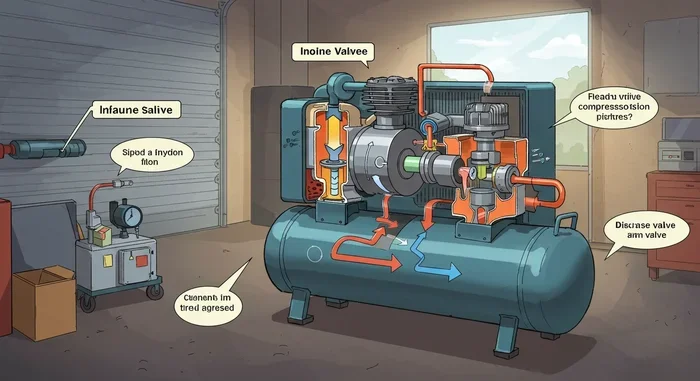
In a piston compressor, the piston moves up and down inside the cylinder. As it moves down, it creates a vacuum that pulls air in through the intake valve. As it moves up, it compresses the air and pushes it out through the discharge valve. This back-and-forth motion is the foundation of how a piston compressor operates.
The Valves
Valves control the flow of air into and out of the cylinder. The intake valve opens to let air in during the suction phase. The discharge valve opens to release the compressed air into the tank or delivery line. These valves must open and close at exactly the right time for the compressor to work efficiently.
The Tank
The air tank stores the compressed air until it is needed. This allows the compressor to run in cycles rather than constantly. The tank also helps stabilize the pressure, delivering a steady stream of air to your tools. Over time, moisture can build up inside the tank, which is why regular draining is so important.
How the Compression Cycle Works
The compression cycle is the process that makes a compressor do its job. It follows a repeating pattern of four stages that work together to draw in, compress, deliver, and reset the system. Let us walk through each stage so you can see exactly what happens inside the machine.
Stage 1: Suction (Intake)
The cycle begins when the intake valve opens and the piston moves downward inside the cylinder. This movement creates a low-pressure area that pulls fresh air from the surroundings into the cylinder. Think of it like the drawing phase of a syringe. The suction pressure is lower than the atmospheric pressure outside, which is what allows air to flow in.
Stage 2: Compression
Once the intake valve closes, the piston begins moving upward. This reduces the volume inside the cylinder and compresses the air. As the air gets squeezed into a smaller space, its pressure rises significantly. This is where the actual gas compression happens. The higher the compression ratio, the more pressure the air achieves.
Stage 3: Discharge
When the compressed air reaches the desired pressure, the discharge valve opens. The high-pressure air flows out of the cylinder and into the storage tank or directly to the output line. This is the phase where the stored compressed air energy becomes available for use. Your pneumatic tools, spray gun, or air mattress inflator receives the pressurized air it needs to operate.
Stage 4: Expansion and Reset
After the discharge phase, the system resets. The piston moves back down, the discharge valve closes, and the intake valve opens again. The cycle repeats continuously as long as the compressor is running. This cyclical process is what allows compressors to deliver a steady supply of compressed air over time.
The entire process happens rapidly and in a continuous loop. Modern compressors are engineered to complete these cycles with minimal energy loss, making them highly efficient for both light-duty and heavy-duty applications.
Types of Compressors Explained
Not all compressors work the same way. Different designs use different methods to achieve compression, and each type has its own strengths. Understanding the main compressor types helps you pick the right machine for your specific needs.
Piston Compressors (Reciprocating)
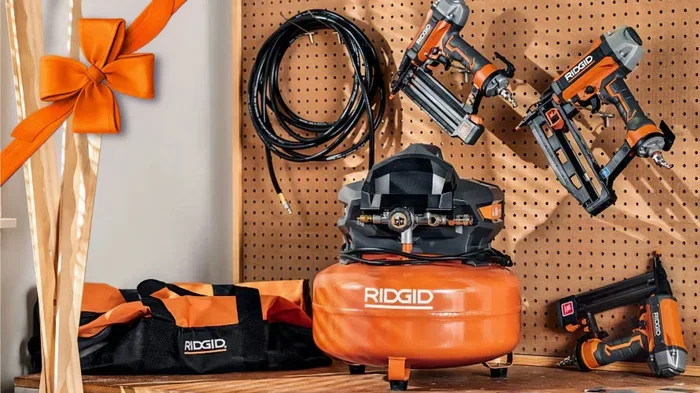
Piston compressors are the most common type found in home workshops and small garages. They use the up-and-down motion of a piston inside a cylinder to compress air. These machines are durable, affordable, and great for tasks like powering nail guns, inflating tires, and running small impact wrenches.
Piston compressors come in single-stage and two-stage versions. A single-stage compressor compresses the air in one stroke, while a two-stage compressor passes the air through a second piston for even higher pressure. Two-stage models are more efficient and produce cooler air, which extends the life of your tools.
Rotary Screw Compressors
Rotary screw compressors use two interlocking helical screws to compress air. As the screws rotate, air gets trapped in the spaces between them and is gradually squeezed into a smaller volume. These compressors are smoother, quieter, and designed for continuous use. You will often find rotary screw compressors in factories and large workshops where they run for hours at a time.
The main advantage of rotary screw compressors is their reliability and consistent output. They also require less maintenance than piston compressors because they have fewer moving parts that experience heavy wear. However, they tend to cost more upfront.
Diaphragm Compressors
Diaphragm compressors use a flexible membrane instead of a piston to compress air. The diaphragm moves up and down, creating pressure changes that draw in and push out air. These compressors are ideal for situations where the air must remain completely oil-free. They are commonly used in medical and laboratory settings where air purity is critical.
Diaphragm compressors are also quieter than piston models and require very little maintenance. The trade-off is that they typically deliver lower pressure and flow rates, so they are not suited for heavy-duty industrial tasks.
Centrifugal Compressors
Centrifugal compressors use a high-speed rotating impeller to accelerate air and then slow it down in a diffuser, converting kinetic energy into pressure. These are high-capacity machines used in large-scale industrial applications like power plants and chemical processing. They are not common for everyday use but are worth knowing about if you are exploring the full range of compressor types.
Understanding Pressure and Flow
Two key measurements define how a compressor performs: pressure and flow. Understanding these numbers helps you choose the right machine and avoid common mistakes.
Pressure: PSI and Bar
Pressure measures how hard the air is being compressed. It is measured in pounds per square inch (PSI) or bar. Most home workshop tools work fine at 90 to 150 PSI. Industrial tools may require 200 PSI or more. The discharge pressure is the pressure of the air leaving the compressor, while the suction pressure is the pressure of the air entering the machine.
Flow: CFM and SCFM
Flow measures how much air the compressor delivers over time. It is measured in cubic feet per minute (CFM) or standard cubic feet per minute (SCFM). If you run multiple tools at once, you need a compressor with a higher CFM rating. A simple rule of thumb is to add up the CFM requirements of all the tools you plan to use and choose a compressor that exceeds that total.
Pressure vs. Flow: Why Both Matter
Pressure is like water pressure in a garden hose. Flow is like the volume of water coming out. You need enough pressure to power your tool, and enough flow to keep it running continuously. A compressor with high pressure but low flow will struggle to keep up with demand. Similarly, a compressor with high flow but low pressure will not deliver enough force to operate certain tools. Balancing both is essential for optimal performance.
Common Compressor Applications
Compressors serve a huge variety of purposes across different settings. Here are some of the most common ways people use them every day.
- Home Workshops: Powering nail guns, staplers, sanders, and spray guns for woodworking and painting projects.
- Automotive Shops: Running impact wrenches, air ratchets, paint sprayers, and tire inflators in auto repair businesses.
- Construction Sites: Operating jackhammers, concrete breakers, and pneumatic drills on job sites.
- Manufacturing Plants: Driving assembly line machinery, conveyor systems, and packaging equipment in factories.
- Medical and Dental: Supplying clean, oil-free air for dental chairs, breathing equipment, and laboratory instruments.
- Agriculture: Running pneumatic grain conveyors, sprayers, and automated feeding systems on farms.
- HVAC and Refrigeration: Compressing refrigerant gases in air conditioning and cooling systems.
You might also be interested in how other power equipment works. For example, if you use gas-powered tools or generators alongside your compressor, understanding fuel consumption helps you plan your budget. Check out how much gas a generator uses to learn more about fuel costs for your workshop or jobsite power setup.
Tips for Choosing the Right Compressor
With so many options available, picking the right compressor can feel overwhelming. Here are some practical tips to guide your decision.
- List Your Tools: Write down every tool you plan to run and note its CFM and PSI requirements. This gives you a clear target to aim for.
- Consider Duty Cycle: If you plan to run your compressor for long periods, look for a model with a high duty cycle rating. This tells you how long the machine can run continuously before needing to cool down.
- Think About Portability: If you move your compressor around frequently, consider a portable model with wheels and a carrying handle. Smaller units are great for home use, while larger stationary models suit fixed workshops.
- Check the Tank Size: A larger tank holds more compressed air, which means the motor does not have to cycle on and off as often. This reduces wear and provides a more consistent air supply.
- Factor in Noise: Compressors can be loud. If noise is a concern, look for models with sound enclosures or consider rotary screw compressors, which tend to run quieter than piston models.
- Set a Budget: Compressors range from affordable home models to expensive industrial units. Setting a clear budget helps you narrow down your options and avoid overspending.
Setting up a home workshop or garage also involves thinking about your overall power needs. If you are considering a backup power source alongside your compressor, understanding how much a home generator costs can help you plan your total investment wisely.
Common Mistakes Beginners Make with Compressors
Even with the best intentions, new compressor users often make mistakes that shorten the life of their machine. Here are a few to watch out for.
- Ignoring Moisture Buildup: Compressed air contains moisture that collects in the tank. Failing to drain the tank regularly leads to rust, reduced efficiency, and potential tool damage.
- Overloading the Compressor: Running too many high-demand tools at once can exceed the compressor’s CFM capacity. This causes the motor to overheat and wear out faster.
- Skipping Oil Changes: Oil-lubricated compressors need regular oil changes to keep internal parts running smoothly. Skipping this step increases friction and leads to premature failure.
- Using the Wrong Hose: A hose that is too narrow or too long restricts airflow and reduces tool performance. Always match your hose size to your compressor’s output.
- Neglecting Air Filter Maintenance: A clogged intake filter reduces the amount of air the compressor can pull in, lowering efficiency and potentially overheating the motor.
How to Maintain Your Compressor for Long Life
Proper maintenance keeps your compressor running smoothly and extends its lifespan. Follow these simple steps on a regular basis.
- Drain the Tank: After every use, open the drain valve to release trapped moisture. Do this at least once a week if you use the compressor frequently.
- Check the Oil Level: For oil-lubricated models, inspect the oil level before each use and change the oil according to the manufacturer’s schedule.
- Inspect the Air Filter: Clean or replace the intake filter when it looks dirty. A clean filter ensures proper airflow and protects the internal components.
- Tighten Fittings: Over time, fittings and connections can loosen. Check them regularly to prevent air leaks that reduce efficiency.
- Listen for Unusual Sounds: Strange noises like grinding, rattling, or squealing can signal a problem early. Address issues promptly before they become costly repairs.
- Store Properly: When not in use, keep the compressor in a clean, dry area. Protect it from dust, moisture, and extreme temperatures.
Just like with any power equipment, understanding fuel and power requirements is important. For those who also work with generators, learning about what size generator to run a house can complement your knowledge of power systems and help you plan for both workshop and backup power needs.
Conclusion
Now you know the answer to the question how does a compressor work. From the basic suction and compression cycle to the different types and real-world applications, you have a solid foundation to build on. The core concept is simple: a compressor takes in air, reduces its volume, and increases its pressure to create useful stored energy.
Whether you are using a small piston compressor in your garage or a large rotary screw model in a factory, the principles remain the same. Understanding these principles helps you use your equipment more effectively, maintain it properly, and make better purchasing decisions in the future.
Compressed air is a powerful and versatile tool in any setting. With the right knowledge and a little regular maintenance, your compressor will serve you well for years to come. Start applying what you have learned today, and you will see the difference in both performance and longevity.
If you are also exploring portable power solutions for outdoor adventures or camping trips, you might want to learn about how big of a generator you need for your camper to ensure you have the right backup power setup for your equipment on the go.
Frequently Asked Questions
What is the main purpose of a compressor?
A compressor takes in air from the surrounding environment and compresses it into a smaller volume, increasing its pressure. This stored energy is then used to power pneumatic tools, inflate objects, and provide a reliable source of compressed air for countless applications.
How is a compressor different from a generator?
A compressor converts mechanical energy into compressed air, while a generator converts fuel or mechanical energy into electricity. They serve different purposes, though both are essential pieces of equipment in workshops, construction sites, and industrial settings.
Can a beginner use a compressor safely?
Yes, compressors are designed to be user-friendly and safe for beginners. As long as you follow the manufacturer’s instructions, wear appropriate safety gear, and perform regular maintenance, a compressor is a safe and valuable tool for any skill level.
How often should I drain my compressor tank?
You should drain your compressor tank after every use or at least once a week if you use it frequently. Moisture buildup from compressed air can cause rust inside the tank, reduce efficiency, and potentially damage your tools over time.
What is the difference between single-stage and two-stage compressors?
A single-stage compressor compresses air in one piston stroke, while a two-stage compressor passes the air through a second piston for additional compression. Two-stage models produce higher pressure, cooler air, and are more efficient, making them better suited for continuous or heavy-duty use.
Do all compressors require oil?
No, not all compressors require oil. Oil-lubricated compressors use oil to reduce friction between moving parts, while oil-free compressors come pre-lubricated with special coatings that eliminate the need for regular oil changes. Oil-free models are popular for home use and applications where air purity matters.