How Much Is a Compressor for a Refrigerator Replacement
How much is a compressor for a refrigerator replacement? The average cost ranges from $200 to $450 for the compressor alone, with total installation costs reaching $500 to $1,000. Several factors influence the final price, including your fridge model, brand, and whether you choose a professional technician or a DIY approach. Understanding these costs helps you make an informed decision and avoid overspending on your refrigerator compressor replacement.
Finding out how much is a compressor for a refrigerator replacement can feel overwhelming at first. The truth is, the cost varies quite a bit depending on several factors. But understanding what drives the price helps you make a smart decision. In this guide, we break down everything you need to know about refrigerator compressor replacement cost. You will learn about average prices, what affects the cost, and when to call a professional.
Your refrigerator compressor is the heart of the cooling system. When it fails, your fridge stops cooling, and food can go bad quickly. Replacing a compressor for refrigerator is a significant expense, but it is often the best option. We will walk you through the costs, the process, and how to save money. By the end, you will feel confident about your next steps.
Key Takeaways
- Compressor costs vary widely: Expect to pay between $200 and $450 for the compressor unit alone, with total replacement costs ranging from $500 to $1,000.
- Brand and model matter: Premium brands and newer models often cost more for compressor parts and specialized installation.
- Age affects your decision: If your fridge is over 10 years old, replacing the entire unit may be more cost-effective than a compressor replacement.
- DIY is possible but risky: Skilled homeowners can save on labor costs, but improper installation can lead to further damage.
- Warranty coverage helps: Many compressors come with a warranty, and homeowner insurance may cover part of the cost.
- Regular maintenance prevents failure: Cleaning coils and ensuring proper airflow can extend compressor life and reduce repair needs.
📑 Table of Contents
Understanding Your Refrigerator Compressor
What Does a Refrigerator Compressor Do?
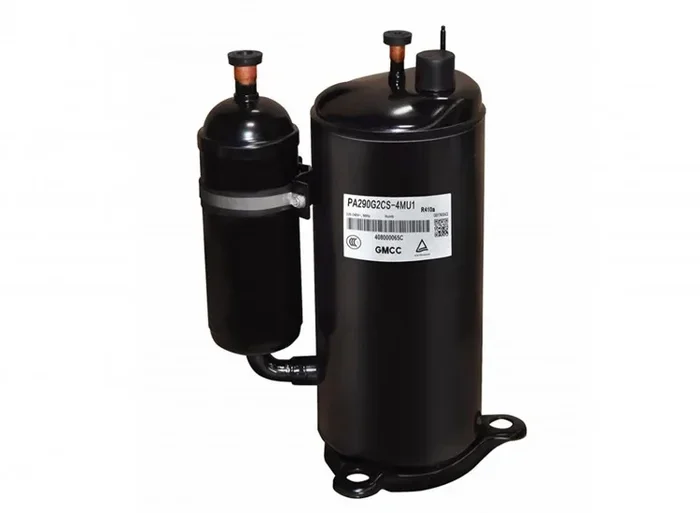
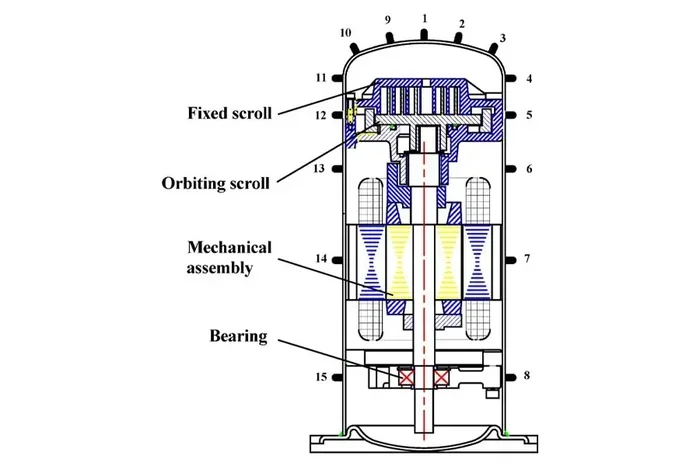
The compressor motor is the engine behind your fridge’s cooling system. It compresses refrigerant gas and pushes it through the coils. This process removes heat from inside your fridge and keeps your food cold. Without a working compressor, the entire refrigerator cooling system stops functioning.
Think of the compressor as the lungs of your refrigerator. It breathes in warm refrigerant and breathes out cool air. When this component fails, temperatures inside the fridge rise fast. Perishable items like milk, meat, and vegetables can spoil within hours.
How the Cooling System Works Together
The compressor works alongside several other parts. The evaporator coils absorb heat inside the fridge. The condenser coils release that heat outside. The expansion valve regulates refrigerant flow. All of these parts depend on the compressor to keep things moving.
When one part fails, it can strain the others. That is why addressing a compressor failure quickly matters. Ignoring the problem can lead to bigger refrigerator repair cost down the road. Sometimes a simple fix becomes a major expense if you wait too long.
How Much Is a Compressor for a Refrigerator Replacement
Average Compressor Cost Breakdown
The fridge compressor price depends on the type and brand of your refrigerator. On average, the compressor unit itself costs between $200 and $450. Add labor costs, and the total refrigerator compressor replacement cost typically ranges from $500 to $1,000.
Here is a quick look at what you might pay:
- Compressor unit only: $200 to $450
- Labor for installation: $200 to $500
- Total replacement cost: $500 to $1,000
- Refrigerant refill (if needed): $50 to $150
- Additional parts (valves, relays): $30 to $100
These numbers can vary based on your location and the complexity of the job. Urban areas often have higher labor rates. Rural areas may have fewer technicians available, which can also affect pricing.
Brand Name vs. Generic Compressors
OEM (original equipment manufacturer) compressors cost more but fit perfectly. They come with a compressor warranty and match your fridge’s specifications. Generic or aftermarket compressors are cheaper but may not perform as well.
Popular brands like Whirlpool, Samsung, LG, and GE each have specific compressor model numbers. Finding the right match is essential. Using the wrong compressor can void your warranty and cause performance issues. Always check your fridge manual or consult a technician before purchasing.
Factors That Affect Compressor Replacement Cost
Refrigerator Size and Model
Larger refrigerators need more powerful compressors. A side-by-side fridge will cost more to repair than a compact model. French door refrigerators often use specialized compressors that carry a higher fridge compressor price.
The age of your model also plays a role. Newer fridges have advanced compressors with digital controls. These units require technicians with specific training. Older models may use simpler compressors that are easier and cheaper to replace.
Severity of the Damage
A partial compressor failure costs less to fix than a complete breakdown. Sometimes the issue is a faulty relay or starter, not the compressor itself. A technician needs to diagnose the problem accurately before giving you a quote.
If the compressor has seized completely, the repair becomes more complex. The refrigerant must be recovered, the old compressor removed, and the new one installed. This process takes more time and adds to the refrigerator repair cost.
Location and Accessibility
Where you live affects the price. Technicians in major cities charge more per hour. Your fridge’s placement in your kitchen also matters. If the compressor is hard to reach, the job takes longer and costs more.
Some older refrigerators have compressors located in tight spaces behind the panel. Accessing them requires extra care and time. This is one reason why getting multiple quotes is always a smart move.
DIY vs. Professional Compressor Replacement
When to Call a Technician
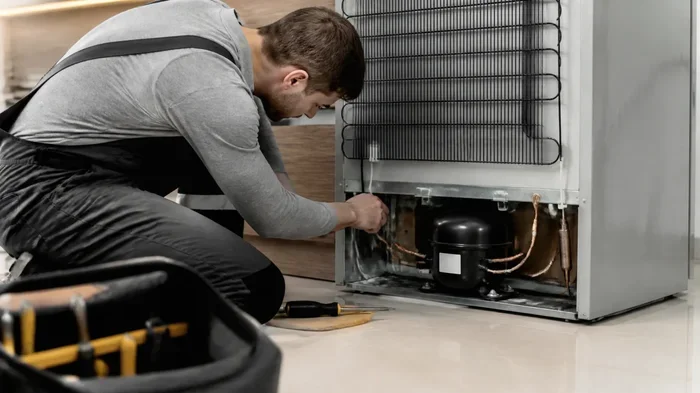
Replacing a refrigerator compressor is not a simple DIY job. It requires handling refrigerant, which needs special certification in most states. A licensed technician has the tools and training to do the job safely.
Professional compressor installation also comes with a warranty on the work. If something goes wrong after the repair, the technician will fix it at no extra cost. This peace of mind is worth the investment for most homeowners.
Cost Comparison: DIY vs. Professional
Here is how the two options compare:
- DIY compressor replacement: Saves on labor but requires refrigerant handling certification, specialized tools, and technical knowledge. Risk of mistakes is higher.
- Professional replacement: Costs more upfront but includes labor warranty, proper refrigerant handling, and diagnostic expertise.
For most people, hiring a professional is the safer choice. The cost difference is usually $200 to $500 for labor. But the risk of damaging your fridge during a DIY attempt can cost far more.
Can a Generator Help During the Wait?
While waiting for your compressor replacement, your fridge will not stay cold. If you experience a prolonged repair wait, you might consider a portable generator to keep essentials cool. Knowing what size generator to run a refrigerator helps you choose the right unit. A small generator can keep your fridge running temporarily and prevent food waste during the repair process.
Make sure you also understand the power needs of your freezer. The freezer compressor is just as important as the fridge compressor. Check out this guide on what size generator to run refrigerator and freezer to size your backup power correctly.
Warning Signs Your Compressor Is Failing
Common Compressor Problems
Catching compressor issues early can save you money. Here are the most common signs of a failing cooling compressor:
- Loud clicking or humming noises: The compressor struggles to start or runs constantly.
- Warm air from the vents: Your fridge or freezer stops cooling properly.
- Ice buildup on the coils: This can indicate refrigerant leaks or compressor issues.
- Frequent cycling on and off: The compressor turns on and off more than usual.
- Higher electricity bills: A failing compressor works harder and uses more energy.
How to Diagnose Compressor Issues
Start by checking the basics. Make sure the fridge is plugged in and the thermostat is set correctly. Clean the condenser coils and check for airflow blockages. Sometimes the problem is not the compressor at all.
If the basics check out, it is time for refrigerator troubleshooting. Listen for unusual sounds near the back of the fridge. Feel the compressor for vibration or heat. A technician can use a multimeter to test the compressor windings and determine if it needs replacement.
Do not ignore warning signs. A compressor that clicks but does not start will not fix itself. Early diagnosis can sometimes mean a cheaper repair instead of a full compressor replacement.
Tips to Reduce Compressor Replacement Costs
Warranty and Coverage Options
Check your refrigerator warranty before scheduling a repair. Many compressors come with a 5 to 10-year warranty from the manufacturer. If your fridge is still under warranty, the compressor replacement cost may be fully covered.
Homeowner insurance policies sometimes cover appliance repairs. Check with your insurance provider to see if compressor failure is included. Some policies cover sudden breakdowns but not wear and tear. Understanding your coverage can save you hundreds of dollars.
Preventive Maintenance Steps
Regular refrigerator maintenance is the best way to avoid compressor failure. Here are simple steps you can take:
- Clean the condenser coils every six months.
- Keep the fridge at the recommended temperature setting.
- Do not overfill the fridge, as it blocks airflow.
- Check the door seals for gaps and replace them if needed.
- Leave space between the fridge wall and the back of the unit for proper ventilation.
These small habits add up over time. A well-maintained compressor can last 10 to 15 years. Neglected compressors often fail after just 5 to 7 years.
When to Replace the Entire Refrigerator
Sometimes replacing the compressor does not make financial sense. If your fridge is over 10 years old, the repair cost may exceed the value of the unit. In that case, buying a new energy-efficient model saves money in the long run.
New refrigerators use 40% less energy than models from 2005. That means lower electricity bills every month. A new fridge also comes with a fresh warranty and modern features. Weigh the repair cost against the price of a replacement before making a final decision.
If you are considering a backup power solution for your home, understanding how much a generator costs can be helpful. Check out this guide on how much does a home generator cost to plan for power outages that could affect your refrigerator’s compressor.
Conclusion
How much is a compressor for a refrigerator replacement? The answer depends on your fridge model, the severity of the damage, and whether you go with a professional or DIY approach. On average, expect to pay between $500 and $1,000 for a complete compressor replacement, including parts and labor.
Regular maintenance and early diagnosis are your best tools for avoiding costly repairs. Keep an eye out for warning signs like unusual noises or warm air from the vents. When in doubt, consult a licensed technician who can give you an accurate assessment.
A failing compressor is stressful, but it does not have to break the bank. With the right information and a solid plan, you can handle the replacement confidently. Take action at the first sign of trouble, and your refrigerator compressor will thank you for it.
Frequently Asked Questions
How long does a refrigerator compressor typically last?
A well-maintained compressor can last between 10 and 15 years. However, heavy use, poor maintenance, or power surges can shorten its lifespan significantly. Regular cleaning and proper temperature settings help extend compressor life.
Can I replace a refrigerator compressor myself?
Replacing a compressor yourself is not recommended unless you have HVAC certification. The job involves handling refrigerant, which requires special licensing in most states. Improper installation can damage the compressor and void your warranty.
Is it worth replacing a refrigerator compressor?
It depends on the age and condition of your fridge. If your refrigerator is less than 8 years old, replacing the compressor is usually worth it. For older units, the repair cost may exceed the value of a new energy-efficient model.
How do I know if my compressor is bad?
Common signs include loud clicking or humming noises, warm air from the fridge, ice buildup on the coils, and frequent cycling. A technician can use a multimeter to test the compressor windings and confirm whether it has failed.
What causes a refrigerator compressor to fail?
Compressor failure is often caused by dirty condenser coils, low refrigerant levels, power surges, or age-related wear. Overworking the fridge by keeping it too full or setting the temperature too low can also strain the compressor over time.
Does homeowner insurance cover compressor replacement?
Some homeowner insurance policies cover sudden appliance breakdowns, but coverage varies by policy. Wear and tear is typically not covered. Check with your insurance provider to understand what is included in your specific plan before scheduling a repair.