Where Is the AC Compressor Located and Why It Matters
The AC compressor is the heart of any air conditioning system, and knowing where is the ac compressor helps you troubleshoot problems and maintain your unit properly. Whether you are looking at a car AC compressor or a home AC compressor, the location affects how the system cools and how easy it is to service. This guide covers every common location, why placement matters, and what to do when things go wrong.
Key Takeaways
- Car AC compressors are typically found near the front of the engine, attached to the serpentine belt.
- Home AC compressors sit inside the outdoor condenser unit and are the most critical component for cooling.
- Knowing where is the ac compressor helps you spot early warning signs like noise, leaks, or warm air.
- Regular maintenance of your AC compressor unit can extend its lifespan by years.
- Replacement costs vary widely depending on whether it is a car AC compressor or a home AC compressor.
- Understanding AC compressor function makes troubleshooting much easier for homeowners and drivers alike.
📑 Table of Contents
- Where Is the AC Compressor Located?
- What Does an AC Compressor Do?
- Why the Location of the AC Compressor Matters
- Common Signs Your AC Compressor Is Failing
- AC Compressor Maintenance Tips
- AC Compressor Replacement Cost
- AC Compressor and Generator Backup Power
- Expert Insights on AC Compressor Placement
- Common Mistakes People Make with Their AC Compressor
- Conclusion
Where Is the AC Compressor Located?
If you have ever wondered where is the ac compressor, you are not alone. It is one of the most asked questions among homeowners and car owners. The answer depends on whether you are talking about a vehicle or a home cooling system. Both systems use the same core idea, but the physical setup is very different.
The AC compressor is the component that pressurizes and circulates refrigerant through the system. Without it, your air conditioner simply cannot cool anything. Think of it as the engine of your cooling system. If the compressor fails, the whole system stops working.
In this article, we will walk you through the exact location of the compressor in both cars and homes. We will also cover why placement matters, common problems, and how to keep your unit running smoothly. Let us get started.
AC Compressor Location in Cars
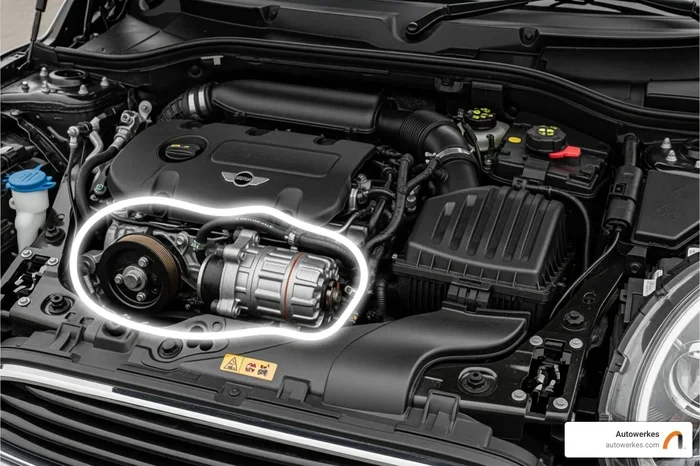
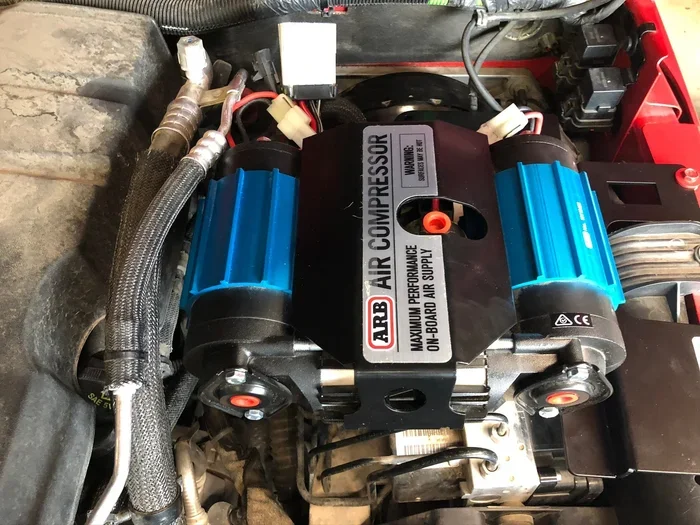
When you ask where is the ac compressor on a car, the answer is almost always the same. It sits at the front of the engine, driven by the serpentine belt. You will usually find it mounted to the engine block or the accessory bracket.
Here is what to look for:
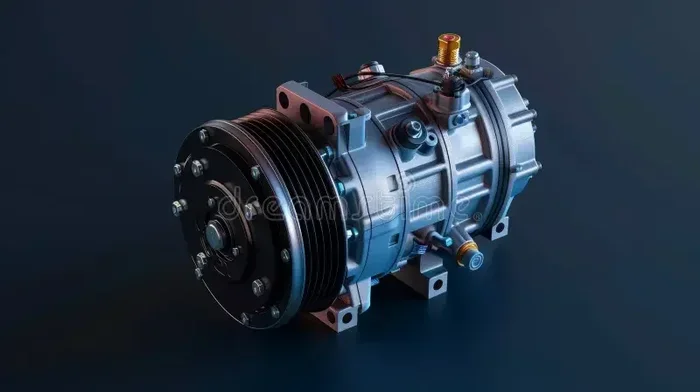
- It is a large, cylindrical component with refrigerant lines connected to it.
- The AC compressor clutch sits at the front and spins when the AC is turned on.
- It is typically located on the passenger side of the engine in most vehicles.
- The compressor connects to the condenser, which is usually at the front of the radiator.
Finding your car AC compressor is relatively simple once you pop the hood. Look for the belt-driven component with two rubber hoses attached. One hose carries high-pressure refrigerant in, and the other carries it out. If you are unsure, consult your vehicle manual or look up a diagram for your specific make and model.
AC Compressor Location in Homes
For a home system, where is the ac compressor is a different story. In a central air conditioning system, the compressor lives inside the outdoor condenser unit. This is the large box you see sitting outside your house.
Here is a quick breakdown of the outdoor unit:
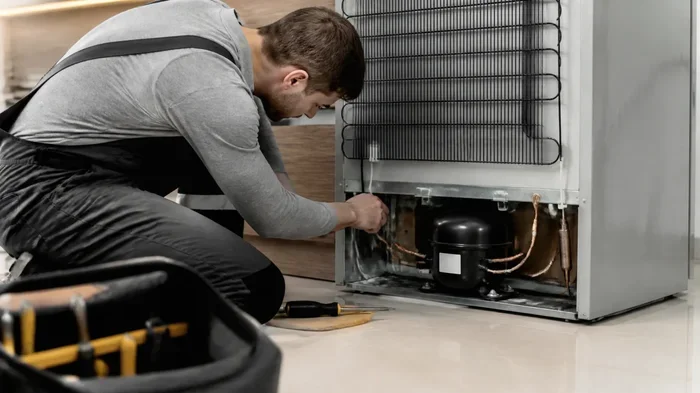
- The compressor sits at the bottom or back of the outdoor cabinet.
- The condenser coils surround the compressor and help release heat.
- A fan on top blows air across the coils to cool the refrigerant.
- The compressor connects to indoor evaporator coils through refrigerant lines that run through your walls.
In a window AC unit, the compressor is sealed inside the entire window-mounted box. You cannot easily access it without removing the unit or calling a professional. In a ductless mini-split system, the compressor is in the outdoor unit, similar to a central system, but the setup is more compact.
What Does an AC Compressor Do?
Understanding AC compressor function helps you appreciate why its location matters so much. The compressor does the heavy lifting in your cooling system. It takes low-pressure refrigerant gas and compresses it into a high-pressure, high-temperature gas.
This compressed gas then flows to the condenser, where it releases heat and turns into a liquid. The liquid refrigerant then moves to the evaporator coil inside your home or car, where it expands and absorbs heat from the surrounding air. This cycle repeats continuously to keep your space cool.
Without a working refrigerant compressor, the entire cooling cycle stops. Your AC will blow warm air, and the system may suffer further damage if you keep running it. This is why knowing where is the ac compressor and how it works is so important for everyday maintenance.
The Compression Cycle Explained Simply
The compression cycle has four main stages. First, the compressor pulls in low-pressure refrigerant gas from the evaporator. Second, it compresses that gas, raising its pressure and temperature. Third, the hot gas flows to the condenser, where it sheds heat and becomes a liquid. Fourth, the liquid refrigerant returns to the evaporator to absorb more heat and start the cycle again.
Each stage depends on the previous one. If the AC system compressor fails at any point, the whole process breaks down. This is why regular inspections of your compressor are so valuable.
Why the Location of the AC Compressor Matters
You might think the location of the compressor is just a technical detail. But it actually affects cooling efficiency, maintenance access, and even repair costs. Where the compressor sits determines how well it can dissipate heat and how easy it is for a technician to service it.
For example, a home AC compressor that is blocked by debris or plants may overheat. A car AC compressor that is hard to reach may cost more to repair because of labor time. Let us look at why location really matters.
Cooling Efficiency
The compressor needs good airflow to work properly. In a home, the outdoor unit must have plenty of space around it. If bushes, fences, or walls block the airflow, the compressor has to work harder. This leads to higher energy bills and faster wear and tear.
In a car, the compressor relies on the natural airflow through the engine bay while driving. At low speeds or when idling, the cooling fan helps. But if the engine bay is cluttered or the fan is malfunctioning, the compressor may struggle to cool the refrigerant effectively.
Maintenance and Repair Access
Knowing where is the ac compressor makes maintenance much easier. For a home system, the outdoor unit is easily accessible. You can clean the coils, remove debris, and check the refrigerant lines yourself. For a car, the compressor is usually visible under the hood, which makes basic inspections straightforward.
However, accessing the internal parts of the compressor often requires professional tools and training. Refrigerant handling, for instance, is regulated by law in many areas. You cannot just open up the compressor and fix it yourself without proper certification.
Noise and Vibration
The compressor location also affects how much noise you hear. In a home, the outdoor unit is designed to be away from windows and bedrooms. This keeps the AC compressor noise from disrupting your daily life. In a car, a failing compressor may produce loud grinding or squealing noises that are impossible to ignore.
If you notice unusual sounds coming from your AC system, it is a good idea to investigate the compressor area right away. Early detection can save you from expensive repairs down the road.
Common Signs Your AC Compressor Is Failing
No matter where your compressor is located, it will show warning signs before it completely fails. Recognizing these AC compressor symptoms early can save you time and money.
Here are the most common signs of a failing air conditioning compressor:
- Warm air from the vents. If your AC is blowing warm or room-temperature air, the compressor may not be pumping refrigerant properly.
- Strange noises. Grinding, squealing, or clicking sounds from the outdoor unit or engine bay often point to compressor problems.
- Frequent cycling. If your AC turns on and off repeatedly, the compressor may be struggling to maintain the correct pressure.
- Fluid leaks. Refrigerant leaks near the compressor are a serious issue and require immediate attention.
- Higher energy bills. A failing compressor works harder and uses more electricity, which shows up on your utility bill.
- Ice buildup on the coils. This can happen when the compressor is not circulating refrigerant at the right rate.
If you notice any of these signs, do not ignore them. The longer you wait, the worse the damage can get. A simple AC compressor repair early on can prevent a full replacement later.
AC Compressor Maintenance Tips
Keeping your compressor in good shape does not have to be complicated. A few simple habits can add years to the life of your AC compressor unit. Here is what you can do at home.
For Home Systems
- Keep the area around the outdoor unit clear of leaves, dirt, and debris.
- Clean the condenser coils at least once a year using a garden hose.
- Check the refrigerant lines for visible leaks or damage.
- Replace your air filter regularly to ensure proper airflow.
- Schedule a professional tune-up at least once per year.
For Car Systems
- Run your AC for at least 10 minutes every week, even in winter. This keeps the compressor lubricated.
- Check the serpentine belt for cracks or wear during routine engine checks.
- Listen for unusual sounds when you turn on the AC.
- Have a professional check the refrigerant level during annual service visits.
- Keep the engine bay clean so the compressor can breathe properly.
Quick Tip: If your car has been sitting unused for a long time, run the AC on high for about 15 minutes before driving. This helps the AC compressor clutch engage properly and circulates fresh refrigerant through the system.
AC Compressor Replacement Cost
When a compressor fails, the big question is always about cost. The AC compressor replacement cost varies a lot depending on the system type, the brand, and labor rates in your area.
For a home central AC system, replacing the compressor typically costs between $1,000 and $2,500 for parts and labor. If the system is old or uses a discontinued refrigerant, you may need to replace the entire outdoor unit, which can push the cost to $5,000 or more.
For a car, replacing the car AC compressor usually costs between $500 and $1,000, including parts and labor. Luxury vehicles or European brands may cost more due to pricier parts and specialized labor.
It is worth noting that some repairs are not worth the cost. If your compressor is old and has suffered internal damage, a full replacement is often the best option. Trying to repair a badly damaged compressor can lead to repeated failures and higher costs in the long run.
When to Consider a Full System Replacement
If your home AC system is over 15 years old and the compressor fails, it may make more sense to replace the entire unit. Newer systems are far more energy-efficient and use environmentally friendlier refrigerants. Plus, you get a warranty that covers parts and labor for years to come.
In some situations, you may want a backup power source to keep your AC compressor home running during outages. A portable generator can help, but you need to make sure it has enough capacity to handle the cooling load. For more information on generator costs, check out our guide on how much a generator for a 2-ton AC unit costs.
AC Compressor and Generator Backup Power
Power outages can be a real headache, especially during hot summer months. When the grid goes down, your home AC compressor stops working, and indoor temperatures can rise quickly. Many homeowners turn to portable or standby generators to keep their cooling systems running.
A portable generator can power a window AC unit or a small central system, but you need to match the generator’s wattage to the compressor’s startup surge. Central AC compressors draw a significant amount of power when they first kick on. This is called the startup surge, and it can be two to three times the running wattage.
If you are considering a whole-home generator to keep your AC running during outages, a Generac standby generator is a popular choice. To understand the cost involved, check out our detailed breakdown on how much a Generac generator costs. Having a reliable backup power source ensures your air conditioning compressor keeps running even when the grid fails.
It is also worth noting that some homeowners use ozone generators to improve indoor air quality alongside their AC systems. While these are not the same as AC compressors, they can complement your home’s cooling and air purification setup. Learn more about what an ozone generator does in our dedicated article on what is an ozone generator.
Expert Insights on AC Compressor Placement
HVAC professionals and automotive mechanics agree on a few key points about compressor placement. These insights can help you make better decisions about your cooling system.
Placement affects longevity. A compressor that has good airflow and is protected from debris will last longer. A compressor that is crammed into a tight, poorly ventilated space will wear out faster. This is true for both home and car systems.
Location affects repair complexity. A car AC compressor that is easy to access saves on labor costs. A home compressor that is buried behind landscaping or hard to reach will cost more to service. When installing a new system, always choose a location that gives technicians easy access.
Noise levels depend on placement. The compressor is the loudest part of any AC system. Placing the outdoor unit away from bedrooms and living areas reduces noise pollution. In cars, mounting the compressor securely with vibration dampeners reduces rattling and noise over time.
Efficiency drops with poor placement. If the condenser coils on your home unit are shaded by a tree or wall, the compressor has to work harder to reject heat. In cars, a slipping serpentine belt reduces compressor efficiency and can cause the AC compressor clutch to slip as well.
Regular inspections are essential. No matter where your compressor is, schedule regular check-ups. A professional can spot small issues before they become big problems. This applies to both your home AC compressor unit and your vehicle’s air conditioning compressor.
Refrigerant type matters for location. Older systems use R-22 refrigerant, which is being phased out. Newer systems use R-410A or R-32. The type of refrigerant affects how the compressor is designed and where it is placed. Always consult a professional if you are unsure about the refrigerant in your system.
Common Mistakes People Make with Their AC Compressor
Even with the best intentions, many people make mistakes that shorten the life of their compressor. Here are the most common ones to avoid.
- Ignoring strange noises. Many people brush off clicking or grinding sounds. These are often early signs of compressor failure.
- Skipping annual maintenance. Without regular servicing, small issues like dirty coils or low refrigerant go unnoticed.
- Running the AC 24/7. Constantly running the compressor without breaks causes excessive wear. Give your system time to rest.
- Blocking the outdoor unit. Placing furniture, storage boxes, or plants too close to the outdoor condenser restricts airflow.
- Using the wrong refrigerant. Adding the wrong type of refrigerant can damage the compressor and void your warranty.
- DIY refrigerant refills. Handling refrigerant without proper certification is illegal in many places and can be dangerous.
Avoiding these mistakes will help your AC compressor home or vehicle system run efficiently for many years. Prevention is always cheaper than repair.
Conclusion
Now you know exactly where is the ac compressor in both cars and homes. Whether it is the belt-driven component under your hood or the outdoor unit in your backyard, the compressor is the most important part of any cooling system. Understanding its location, function, and common problems empowers you to take better care of your AC.
Regular maintenance, early detection of warning signs, and smart placement can all extend the life of your air conditioning compressor. Do not wait until your AC blows warm air to pay attention to the compressor. Stay proactive, and your system will reward you with years of reliable, efficient cooling.
If you are dealing with a failing compressor or planning a replacement, use the tips in this guide to make informed decisions. And remember, when in doubt, always consult a qualified HVAC technician or automotive mechanic. They have the tools and expertise to handle AC compressor troubleshooting and repairs safely.
Frequently Asked Questions
Can I drive my car with a bad AC compressor?
Yes, you can usually drive your car with a bad compressor, but the AC will not cool properly. The compressor is driven by the serpentine belt, so a severely damaged compressor can sometimes affect other belt-driven accessories. It is best to get it checked and repaired as soon as possible.
How long does an AC compressor last?
A home AC compressor typically lasts 15 to 20 years with proper maintenance. A car AC compressor usually lasts 10 to 15 years, depending on driving conditions and how often the AC is used. Regular maintenance is the single biggest factor in extending compressor lifespan.
Is it safe to run my AC if the compressor is making noise?
It is not recommended. Unusual noises from the compressor often indicate internal damage. Running the system in this state can make the problem worse and lead to a complete compressor failure. Turn off the AC and have a professional inspect it right away.
Can I replace the AC compressor myself?
For a home system, compressor replacement requires refrigerant handling certification, which is legally required in most areas. For a car, it is a more advanced repair that needs proper tools and knowledge. It is best to hire a qualified professional for both types of systems.
What causes an AC compressor to fail?
Common causes include low refrigerant levels, dirty coils, electrical problems, age-related wear, and lack of maintenance. Overheating due to poor airflow is another major cause. Regular upkeep can prevent most of these issues and keep your AC compressor function running smoothly.
Does a compressor need to be replaced if it leaks refrigerant?
Not always. Small leaks can sometimes be repaired and the system recharged. However, if the compressor body itself is cracked or damaged, replacement is usually the only option. A professional can assess the damage and recommend the best course of action for your specific situation.