How Much Is a New Compressor for AC Unit Replacement
The average AC compressor replacement cost ranges from $1,200 to $2,800 for the unit alone, with total installation costs between $3,700 and $6,500. The price depends on your AC unit size, compressor type, labor rates, and whether you choose a single-stage or variable-speed model. This guide covers every cost factor, warning signs, and money-saving tips you need to know.
Your air conditioner works hard to keep your home cool. But when the compressor fails, the whole system stops. One of the first questions homeowners ask is, how much is a new compressor for AC unit replacement. The answer isn’t always simple, and that’s exactly why we put together this guide.
Whether you have a central air system or a smaller window unit, the AC compressor replacement cost can vary a lot. The type of compressor, the size of your unit, labor charges, and even your location all play a role. In this article, we break down every cost factor so you know what to expect before you spend a dime.
We’ll also cover the warning signs of a failing compressor, whether you should call a pro or try a DIY fix, and smart ways to save money. By the end, you’ll feel confident making the right decision for your home and your budget.
Key Takeaways
- Average compressor replacement cost: $3,700 to $6,500 total with installation.
- Compressor-only price: $1,200 to $2,800 depending on the type and size.
- Labor adds $500 to $1,500: Complex installations and refrigerant handling increase costs.
- Warning signs: Warm air, strange noises, frequent cycling, and rising energy bills signal compressor failure.
- DIY is risky: Professional installation ensures proper refrigerant handling and warranty coverage.
- Saving tips: Get multiple quotes, check warranties, and consider matching your compressor to your existing unit.
📑 Table of Contents
- What Does an AC Compressor Do?
- How Much Is a New Compressor for AC Unit Replacement?
- Signs Your AC Compressor Is Failing
- Should You Repair or Replace the Compressor?
- DIY vs Professional Compressor Replacement
- How to Save Money on AC Compressor Replacement
- How Long Does an AC Compressor Last?
- FAQ
- Conclusion
What Does an AC Compressor Do?
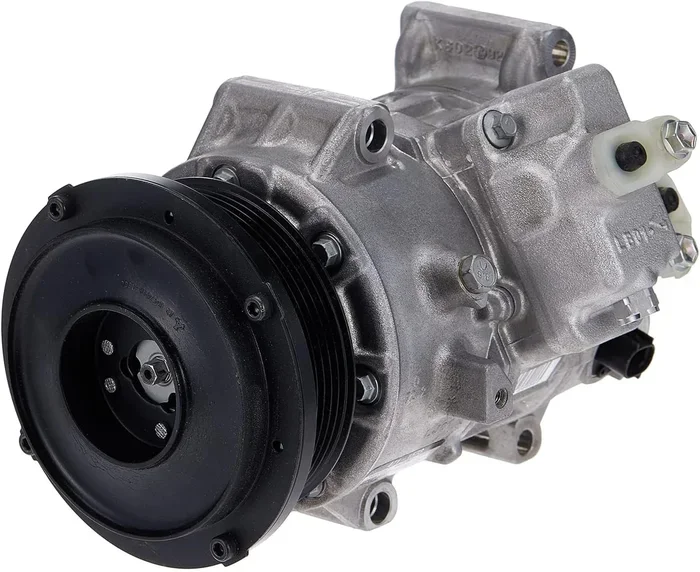
The compressor is the heart of your air conditioning system. Without it, cool air simply doesn’t happen. Think of it as the engine that drives the entire cooling process.
How Your AC Compressor Works
Here’s a simple way to understand it. Your AC system uses refrigerant to absorb heat from inside your home. The compressor takes that warm refrigerant gas and squeezes it into a high-pressure, high-temperature state. This hot gas then moves to the outdoor coil, where it releases heat and turns back into a liquid.
That cycle repeats over and over. If the compressor stops working, the refrigerant can’t move. No refrigerant movement means no cooling. That’s why a compressor failure is such a big deal.
Common Types of AC Compressors
Not all compressors are the same. Different systems use different compressor types, and each one comes with its own price tag.
- Reciprocating compressors: These use pistons to compress refrigerant. They’re common in smaller home systems and are usually the most affordable option.
- Scroll compressors: These use two spiral-shaped parts to compress refrigerant. They’re quieter and more reliable than reciprocating models.
- Rotary compressors: These are compact and smooth-running. You’ll often find them in smaller AC units and heat pumps.
- Centrifugal compressors: These are used in large commercial systems. They’re not common in homes, but they’re worth mentioning for completeness.
- Variable-speed compressors: These adjust their speed based on cooling demand. They’re more energy efficient but also more expensive to replace.
The type of compressor in your system directly affects the AC compressor replacement cost. Scroll and variable-speed models typically cost more than basic reciprocating ones.
How Much Is a New Compressor for AC Unit Replacement?
This is the big question, and the answer depends on several factors. Let’s break it all down so you have a clear picture of what to expect.
Average Cost Ranges
Here’s a general overview of what you might pay for an AC compressor replacement:
- Compressor unit only: $1,200 to $2,800
- Labor for installation: $500 to $1,500
- Total replacement cost (unit + labor): $3,700 to $6,500
- Additional costs (refrigerant, parts, permits): $200 to $800
So if you’re asking yourself, how much is a new compressor for AC unit replacement, the total bill usually lands somewhere in the $3,700 to $6,500 range. But that’s just the average. Your actual cost could be higher or lower depending on your situation.
Factors That Affect the Price
Several things can push the cost up or pull it down. Here are the biggest factors to consider.
1. Size of Your AC Unit
Larger homes need bigger compressors. A 3-ton unit will cost more to replace than a 2-ton unit. The size is measured in tons, and it refers to the cooling capacity. Most residential homes use 2 to 5-ton units. The bigger the unit, the higher the replacement cost.
2. Compressor Type
As we mentioned earlier, different compressor types come with different price tags. A standard reciprocating compressor costs less than a variable-speed scroll compressor. If your system uses a premium model, expect to pay more.
3. Labor Rates in Your Area
HVAC labor costs vary by region. In major cities, you might pay $150 or more per hour. In rural areas, rates could be closer to $75 per hour. The complexity of the job also matters. If your compressor is hard to access, labor costs go up.
4. Refrigerant Costs
Your technician will need to recharge the system with refrigerant after the replacement. The type of refrigerant your system uses affects this cost. Older systems that use R-22 (Freon) may face higher refrigerant prices since it’s been phased out. Newer systems using R-410A are generally cheaper to refill.
5. Warranty Coverage
If your compressor is still under warranty, you could save hundreds of dollars. Many manufacturers offer a 10-year compressor warranty. Check your warranty paperwork before you commit to any replacement costs.
6. Time of Year
AC compressor replacements are most common in spring and summer. During peak season, HVAC companies may charge more due to high demand. Scheduling the replacement in the off-season could save you money.
Cost Comparison: Compressor Replacement vs Full Unit Replacement
Sometimes replacing just the compressor isn’t the best option. Here’s a quick comparison to help you decide.
- Compressor replacement only: $3,700 to $6,500 total cost.
- Full AC unit replacement: $5,000 to $12,000 total cost.
If your unit is over 10 years old, a full replacement might make more sense. New units are more energy efficient and often come with better warranties. On the other hand, if your unit is relatively new and the rest of the system is in good shape, replacing just the compressor is the smarter financial move.
Signs Your AC Compressor Is Failing
Catching compressor problems early can save you a lot of money. Here are the most common warning signs to watch for.
Warm Air from the Vents
This is the most obvious sign. If your AC is running but blowing warm or room-temperature air, the compressor may not be working properly. The refrigerant isn’t circulating, so no heat is being removed from your home.
Strange Noises
Listen to your outdoor unit. Grinding, clanking, or screeching sounds often point to compressor trouble. A healthy compressor should run relatively quietly. Any loud or unusual noise is worth investigating.
Frequent On-and-Off Cycling
If your AC keeps turning on and off more than usual, the compressor might be struggling. This short cycling puts extra stress on the system and drives up your energy bills.
Rising Energy Bills
A failing compressor works harder to cool your home. That extra effort shows up on your monthly energy bill. If you notice a sudden spike in costs without changing your usage habits, the compressor could be the culprit.
Ice Buildup on the Unit
Ice forming on the outdoor unit or the refrigerant lines can signal low refrigerant levels, which often relates to compressor issues. Don’t ignore this sign. Call a professional to take a look.
Tripped Circuit Breakers
If your AC keeps tripping the breaker, the compressor might be drawing too much power. This is a serious issue that needs immediate attention. Continuing to run the system could cause further damage.
Should You Repair or Replace the Compressor?
This is one of the toughest decisions homeowners face. The right choice depends on a few key factors.
When Repair Makes Sense
- Your AC unit is less than 8 years old.
- The warranty covers the compressor.
- The rest of the system is in good condition.
- The repair cost is less than half the cost of a new unit.
When Replacement Is the Better Option
- Your AC unit is over 12 years old.
- Multiple components are failing at once.
- The repair cost exceeds 50% of a new unit’s price.
- You want to upgrade to a more energy efficient model.
Sometimes the cost of replacing just the compressor is close to the cost of replacing the entire outdoor unit. In those cases, going with a full unit replacement often makes more financial sense in the long run.
DIY vs Professional Compressor Replacement
Some homeowners wonder if they can save money by replacing the compressor themselves. While it’s technically possible, it’s not recommended for most people. Here’s why.
Why Professional Installation Is Important
AC compressor replacement involves handling refrigerant, which requires EPA certification. Improper handling is illegal in many areas and can be dangerous. A licensed HVAC technician has the training, tools, and certifications to do the job safely and correctly.
Professional installation also protects your warranty. If you DIY the replacement and something goes wrong, the manufacturer may void your warranty. That could cost you even more money down the road.
On top of that, a professional will properly size the refrigerant charge, test the system, and make sure everything is running efficiently. A poorly installed compressor can lead to repeated breakdowns and higher energy costs.
What You Can Do Yourself
While the replacement itself needs a pro, there are things you can do to save money:
- Get at least three detailed quotes from licensed HVAC companies.
- Ask about warranty options for both the compressor and the labor.
- Schedule the work during the off-season for lower labor rates.
- Check if your home warranty or insurance covers part of the cost.
These steps put you in control of the process without putting your system at risk.
How to Save Money on AC Compressor Replacement
Replacing an AC compressor is a significant expense. But there are smart ways to reduce the cost without sacrificing quality.
1. Get Multiple Quotes
Don’t just go with the first quote you receive. Contact at least three HVAC companies and ask for detailed breakdowns. Compare the compressor unit cost, labor charges, and any additional fees. Sometimes the difference between quotes can be hundreds of dollars.
2. Check Your Warranty
Before you spend any money, check your warranty. Many manufacturers cover compressor failures for 10 years or more. If your unit is still within the warranty period, you could save a significant amount. Keep your purchase receipt and warranty documents handy.
3. Consider a Home Warranty Plan
If you don’t have a manufacturer’s warranty, a home warranty plan might help. These plans typically cover major appliance and system repairs, including HVAC components. The annual cost is usually $300 to $600, which could save you thousands if your compressor fails.
4. Maintain Your System Regularly
The best way to avoid compressor replacement is to prevent problems in the first place. Regular maintenance keeps your system running efficiently and extends the life of your compressor.
- Change your air filter every 1 to 3 months.
- Clean the outdoor unit to remove debris and dirt.
- Schedule professional maintenance at least once a year.
- Keep the area around the outdoor unit clear and unobstructed.
Proper maintenance costs a fraction of what a compressor replacement costs. It’s one of the smartest investments you can make for your home.
5. Ask About Payment Plans
Many HVAC companies offer financing options for major repairs. Some even offer 0% interest for 12 to 24 months. This lets you spread the cost of the replacement over time, making it more manageable for your budget.
How Long Does an AC Compressor Last?
Understanding the lifespan of your compressor helps you plan for the future. On average, an AC compressor lasts between 12 and 15 years. However, this can vary based on several factors.
Regular maintenance plays a huge role. Systems that get annual tune-ups tend to last longer than neglected ones. The quality of the original installation matters too. A compressor that was improperly sized or installed may fail much earlier than expected.
Environmental factors also come into play. Homes in very hot climates put more stress on the compressor. Units in coastal areas may corrode faster due to salt air. And homes with poor airflow due to dirty ducts or clogged filters will wear out the compressor sooner.
If your compressor is nearing the 15-year mark, it might be time to start planning for a replacement. Being proactive gives you time to budget and avoid the stress of an unexpected breakdown on the hottest day of the year.
While you’re thinking about home cooling costs, it’s also worth noting that other home equipment, like backup power systems, can add to your overall energy expenses. For instance, if you’re considering a generator for your home, understanding its operating costs can help you plan your household budget more effectively.
FAQ
How much does it cost to replace an AC compressor?
The total cost to replace an AC compressor ranges from $3,700 to $6,500, including both the compressor unit and professional installation. The compressor unit alone typically costs between $1,200 and $2,800, while labor adds $500 to $1,500 depending on your location and the complexity of the job.
Is it worth replacing just the AC compressor?
It’s worth replacing just the compressor if your AC unit is less than 10 years old and the rest of the system is in good condition. If your unit is older or multiple components are failing, a full unit replacement might be a better long-term investment.
Can I replace an AC compressor myself?
While it’s technically possible, DIY compressor replacement is not recommended. Handling refrigerant requires EPA certification, and improper installation can void your warranty. A licensed HVAC technician ensures the job is done safely and correctly.
How long does an AC compressor last?
Most AC compressors last between 12 and 15 years with proper maintenance. Factors like climate, usage patterns, and installation quality can shorten or extend that lifespan. Regular annual tune-ups are the best way to maximize your compressor’s life.
What causes an AC compressor to fail?
Common causes include refrigerant leaks, electrical failures, dirty coils, blocked suction lines, and lack of regular maintenance. Over time, normal wear and tear also takes a toll on the compressor. Addressing small problems early can prevent a full compressor failure.
Does home insurance cover AC compressor replacement?
It depends on your policy and the cause of the failure. Most standard home insurance policies cover sudden and accidental damage, like a lightning strike or power surge. Gradual wear and tear or lack of maintenance usually isn’t covered. Check with your insurance provider for specific details.
Conclusion
The AC compressor replacement cost can feel overwhelming at first. But when you break it down, it becomes much more manageable. The compressor unit typically costs $1,200 to $2,800, and professional installation adds $500 to $1,500. The total bill usually falls between $3,700 and $6,500.
Knowing the warning signs of a failing compressor can help you catch problems early and avoid bigger expenses. Warm air, strange noises, and rising energy bills are all signals that something isn’t right. Don’t ignore them.
Whether you choose to repair or replace depends on your unit’s age, warranty coverage, and overall condition. Getting multiple quotes, checking your warranty, and staying on top of regular maintenance are the best ways to keep costs under control.
If you’re also thinking about other home systems, such as a backup Generac generator for power outages, understanding the full picture of home equipment costs helps you make smarter decisions for your household.
Ultimately, investing in the right AC compressor replacement keeps your home comfortable and your energy bills manageable. Use the tips in this guide to budget wisely, choose the right professional, and get the best value for your money.