The Ultimate RV Tool Kit Checklist for Your Next Trip
A well-prepared RV tool kit checklist is the best way to avoid breakdowns and handle minor repairs on the road. This guide covers every essential tool category, from basic hand tools to emergency supplies, so you can travel with confidence. You will learn exactly what to pack, why each item matters, and how to organize your kit for quick access.
Key Takeaways
- Essential hand tools form the backbone of any reliable RV tool kit checklist and should never be overlooked.
- Electrical and plumbing tools address the most common RV issues you will face on the road.
- An organized kit saves time and stress during emergencies or unexpected repairs at campgrounds.
- Seasonal and climate-specific tools should be added based on where and when you travel.
- Regular kit maintenance ensures nothing expires or breaks before you need it most.
- Portable power solutions like generators are critical for running AC units and charging devices off-grid.
- Start with the basics and build up rather than buying a massive kit you will never use.
📑 Table of Contents
- Why Every RVer Needs a Solid Tool Kit Checklist
- Core Hand Tools for Your RV Toolkit
- Electrical Tools and Diagnostics
- Plumbing and Water System Tools
- Emergency and Safety Tools
- Seasonal and Climate-Specific Tools
- Portable Power Solutions for Off-Grid Trips
- How to Organize and Maintain Your RV Tool Kit
- Common Mistakes to Avoid When Packing Your RV Toolkit
- Final Thoughts
Why Every RVer Needs a Solid Tool Kit Checklist
There is nothing worse than pulling into a beautiful campsite only to realize something is broken on your rig. A leaky faucet. A tripped breaker. A flat tire. These situations happen more often than you might think. An RV tool kit checklist helps you stay prepared and avoid those stressful moments.
Think of your checklist as a safety net. It is not about expecting things to go wrong. It is about making sure you can handle whatever comes your way. Whether you are a full-time RVer or a weekend warrior, having the right tools on hand makes all the difference.
A good checklist also saves you money. Instead of calling a service technician for every small issue, you can fix minor problems yourself. That means more time enjoying your trip and less time waiting for help. Let us walk through everything you need to pack.
Core Hand Tools for Your RV Toolkit
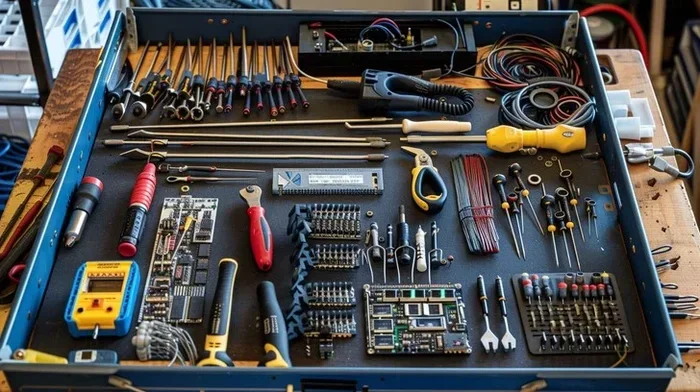
Hand tools are the foundation of any RV tool kit checklist. You do not need a massive collection. You need the right basics that handle most common situations. Here is what should go into every rig.
Screwdrivers and Wrenches
Start with a solid set of screwdrivers. Include flathead and Phillips sizes from small to medium. Next, add a combination wrench set. Adjustable wrenches are especially useful because they fit multiple bolt sizes. A pair of needle-nose pliers and locking pliers round out the essentials.
Pliers and Cutting Tools
Wire cutters and diagonal cutters come in handy for electrical work. A good pair of channel-lock pliers handles most gripping and twisting tasks. Do not forget a utility knife for opening packages or cutting zip ties. These small tools add up to big convenience.
Measuring and Marking Tools
A tape measure helps you check clearances and measurements quickly. A bubble level ensures your RV sits evenly on uneven ground. A marker or small notepad lets you label wires or note measurements on the fly. Keep these simple items in a dedicated pouch.
Electrical Tools and Diagnostics
Electrical issues are among the most common problems RV owners face. Having the right diagnostic tools in your kit gives you confidence and saves time. Here is what belongs in the electrical section of your RV tool kit checklist.
Multimeter and Voltage Tester
A digital multimeter is a must-have. It measures voltage, current, and resistance. You can use it to test batteries, check shore power connections, and troubleshoot faulty wiring. A non-contact voltage tester is a simpler backup tool that quickly tells you if a wire is live.
Wire Connectors and Tape
Carry a roll of electrical tape and a few wire connectors. Heat-shrink tubing is even better because it creates a more secure seal. These small supplies let you make quick repairs without calling for help. Store them in a zippered bag to prevent tangling.
Surge Protector and Power Strip
A surge protector is critical when hooking up to campground power. It shields your RV electronics from power spikes. A compact power strip with USB ports adds convenience for charging phones and tablets. Both items are lightweight and easy to store.
Plumbing and Water System Tools
Your RV water system needs regular attention. Clogs, leaks, and cracked hoses can disrupt your trip fast. Including plumbing tools in your RV tool kit checklist keeps your water flowing smoothly.
Basic Plumbing Essentials
Pack a set of hose clamps, Teflon tape, and a tube of marine-grade sealant. These three items fix the majority of minor leaks you will encounter. An adjustable wrench helps tighten or loosen fittings quickly. A small bucket catches water while you work.
Water Hose and Filtration Supplies
Carry a backup water hose in case your primary one develops a crack. A water pressure regulator protects your RV system from high campground pressure. A simple inline water filter ensures clean drinking water wherever you camp. These are small additions with big impact.
Sewer Hose Care
A sewer hose support keeps the hose at the proper angle for drainage. Bring extra hose clamps and a small scoop for cleaning. A bottle of tank treatment prevents odors and buildup during storage. These items are easy to forget but incredibly useful.
Emergency and Safety Tools
Safety should always come first when you are on the road. Your emergency toolkit prepares you for the unexpected. This part of your RV tool kit checklist covers the items that protect you and your rig.
Fire Safety and First Aid
Keep a fire extinguisher rated for grease and electrical fires. A well-stocked first aid kit handles minor injuries on the spot. Add a smoke detector and a carbon monoxide detector to your rig if they are not already installed. These life-saving devices deserve a permanent spot.
Roadside Emergency Gear
Your roadside kit should include reflective warning triangles, a flashlight, and extra batteries. A basic tire repair kit handles slow leaks and punctures. Jumper cables or a portable jump starter lets you restart your battery if it dies. A lug wrench and jack are essential for changing tires.
Here is a quick comparison of essential emergency items to pack:
| Item | Purpose | Priority Level |
|---|---|---|
| Fire Extinguisher | Put out small fires quickly | Critical |
| First Aid Kit | Treat minor injuries on the road | Critical |
| Tire Repair Kit | Fix flats and slow leaks | High |
| Flashlight and Batteries | See in the dark during emergencies | High |
| Reflective Triangles | Warn other drivers of a roadside stop | High |
| Portable Jump Starter | Restart a dead RV battery | Medium |
| Sewer Tank Treatment | Prevent odors and clogs | Medium |
Seasonal and Climate-Specific Tools
Where you travel changes what tools you need. A summer trip to the desert requires different supplies than a winter trip to the mountains. Tailoring your RV tool kit checklist to the season keeps you prepared for anything.
Summer and Hot Weather
Hot weather puts extra strain on your cooling system. Make sure your RV air conditioner is in good working order before departure. A generator for 30 amp RV air conditioner can be a lifesaver if you plan to boondock without shore power. Check your coolant levels and carry extra refrigerant if needed.
Sunshade covers protect your windows and reduce interior heat. A portable fan helps circulate air when temperatures soar. Extra drinking water and a cooler with ice packs round out your summer essentials.
Winter and Cold Weather
Freezing temperatures pose a serious risk to your RV plumbing. Add antifreeze rated for RV use to your kit. Insulated water hose covers prevent freezing during overnight stops. A heat gun or hair dryer can thaw frozen pipes quickly.
Keep extra warm blankets and a sleeping bag rated for cold weather in your rig. Check your furnace before you leave and carry spare propane. Cold-weather travel demands extra preparation but rewards you with stunning winter landscapes.
Portable Power Solutions for Off-Grid Trips
One of the biggest advantages of RV life is the freedom to camp off-grid. But off-grid camping means you need reliable power. Including portable power solutions in your RV tool kit checklist ensures you stay connected and comfortable.
A portable generator gives you the power to run appliances and charge devices. If you plan to run your air conditioner for a 30 amp RV, you need a generator with enough wattage to handle the load. A solar power kit is a quieter and more sustainable alternative. It charges your batteries during the day so you have power at night.
Consider adding a lithium battery bank to your setup. These batteries are lighter, last longer, and hold more charge than traditional options. A pure sine wave inverter converts battery power into usable AC power for sensitive electronics. Together, these tools give you energy independence on the road.
How to Organize and Maintain Your RV Tool Kit
Having the right tools is only half the battle. Keeping them organized and in good condition ensures they work when you need them most. A well-maintained RV tool kit checklist includes regular review and restocking habits.
Storage Tips
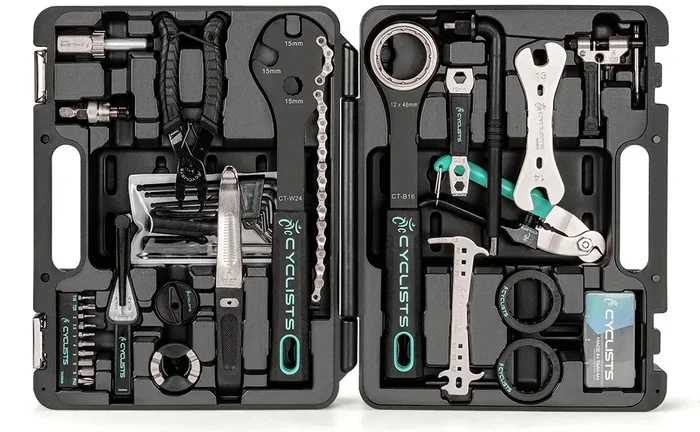
Use a durable toolbox with labeled compartments. Store heavy tools at the bottom so the box stays stable during travel. Keep frequently used items like the flashlight and pliers in an easy-access spot. A clear bin lets you see contents at a glance without digging through drawers.
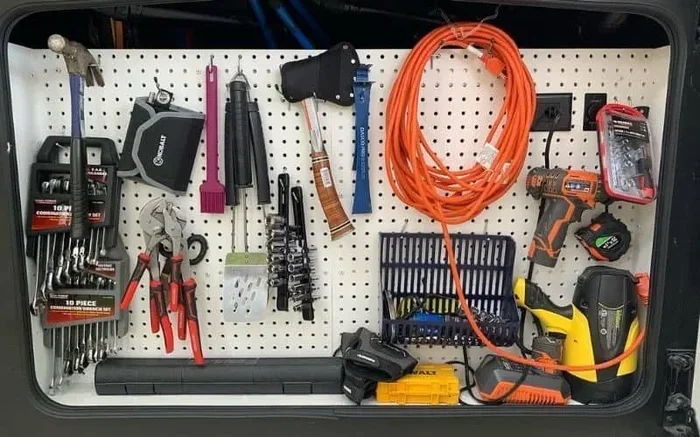
Consider a hanging organizer on the back of a cabinet door. This is perfect for small items like screws, connectors, and tape labels. Keep your emergency gear in one dedicated bag so you can grab it fast in a crisis.
Regular Maintenance Routine
Set a calendar reminder to review your tool kit every season. Check expiration dates on first aid supplies and tank treatments. Test your multimeter and flashlight to make sure they work. Replace any worn-out tools or supplies before your next trip.
After each trip, clean your tools and return them to their proper places. This habit prevents items from getting lost or damaged. It also gives you a chance to restock anything you used up during the journey.
Common Mistakes to Avoid When Packing Your RV Toolkit
Even experienced RVers make mistakes when preparing their tool kits. Avoiding these common pitfalls keeps your kit lean and effective.
Mistake 1: Overpacking. Bringing every tool you own creates clutter and makes it harder to find what you need. Stick to your checklist and only pack what serves a clear purpose.
Mistake 2: Forgetting consumables. Tools are useless without supplies like tape, connectors, and fuses. Always check your consumable inventory before each trip.
Mistake 3: Ignoring weight limits. Every pound matters in an RV. Choose compact, multi-purpose tools whenever possible. A set of combination wrenches replaces several individual wrenches and weighs less.
Mistake 4: Skipping the manual. Keep your RV owner manual in a safe and accessible spot. It contains specific guidance for your rig and can save you hours of guesswork when troubleshooting problems.
Final Thoughts
A thorough RV tool kit checklist gives you the freedom and confidence to explore without worry. From basic hand tools to emergency supplies and power solutions, every item earns its place in your rig. The key is to start with the essentials and build from there based on your travel style and destinations.
Take the time to review and update your kit before every season. A few minutes of preparation now can save hours of frustration later. Your future self will thank you the first time you handle a problem on the road without missing a beat. Happy travels and safe adventures out there.
Frequently Asked Questions
What are the most essential tools for an RV tool kit checklist?
The most essential tools include a multimeter, adjustable wrenches, screwdrivers, pliers, a flashlight, electrical tape, and a tire repair kit. These items cover the majority of minor repairs and diagnostics you will encounter on the road. Start with these basics and expand your kit as you gain experience.
How often should I review and update my RV tool kit?
You should review your kit at least once every season or before any long trip. Check expiration dates on first aid supplies and consumables like tank treatment. Test your tools to make sure everything still works. Replace any worn or damaged items immediately.
Do I really need a generator for my RV trips?
A generator is not strictly required, but it is extremely helpful for off-grid camping. If you plan to boondock or dry camp without shore power, a generator lets you run essentials like your air conditioner and charge your devices. A portable solar kit is a quieter alternative worth considering.
Can I use a standard household tool kit for my RV?
You can use some household tools, but an RV-specific toolkit is better. RVs have unique electrical and plumbing systems that may require specialized connectors and fittings. Marine-grade sealant and RV-rated parts are designed to handle the vibrations and conditions of travel.
What size generator do I need to run a 30 amp RV air conditioner?
Most 30 amp RV air conditioners require a generator rated between 2000 and 3000 watts to run efficiently. Check your specific AC unit’s startup and running wattage requirements before purchasing. A guide on generator sizing for 30 amp RV air conditioners can help you choose the right unit.
How do I organize my RV tool kit for easy access during trips?
Use a sturdy toolbox with labeled compartments and store heavy items at the bottom. Keep frequently used tools like flashlights and pliers in an easy-access location. A hanging organizer works well for small supplies, and a dedicated emergency bag lets you grab essentials quickly in a pinch.