How Much Does a Whole House Generator Cost to Install
The whole house generator cost to install typically ranges from $4,000 to $20,000 or more, depending on size, fuel type, and installation complexity. This guide breaks down every expense so you know exactly what to expect. We cover generator types, sizing, permits, and hidden costs to help you make a smart buying decision.
Power outages are more than just an inconvenience. They can shut down your heating system, spoil your food, and leave your family sitting in the dark. That is why more homeowners are investing in a whole house generator to keep things running when the grid goes down.
If you have been searching for the whole house generator cost to install, you are in the right place. This guide covers everything from base prices to hidden fees. By the end, you will know exactly what to budget and how to avoid common money mistakes.
The good news? You do not need to be an electrician to understand the numbers. We will walk through every cost layer in plain language. Let us get started.
Key Takeaways
- Average cost: The whole house generator cost to install falls between $4,000 and $20,000, with most homeowners spending around $10,000 to $15,000.
- Size matters: A 20kW to 24kW generator suits most homes, while larger homes may need 30kW or more.
- Fuel type affects price: Natural gas, propane, and diesel models each have different upfront and ongoing costs.
- Installation adds expense: Electrical work, permits, and concrete pads can add $2,000 to $5,000 to the total.
- Brand differences: Leading brands like Generac, Kohler, and Briggs & Stratton vary in price and reliability.
- Hidden costs exist: Don’t forget maintenance, fuel connections, and potential electrical panel upgrades.
📑 Table of Contents
- What Is a Whole House Generator?
- Whole House Generator Cost Breakdown
- Factors That Affect the Installation Price
- Standby Generator vs Portable Generator
- How to Choose the Right Size Generator
- Is a Whole House Generator Worth the Investment?
- Common Mistakes to Avoid When Budgeting
- Quick Tips to Save Money on Generator Installation
- Expert Insights on Generator Selection
- Final Thoughts on Whole House Generator Cost
What Is a Whole House Generator?
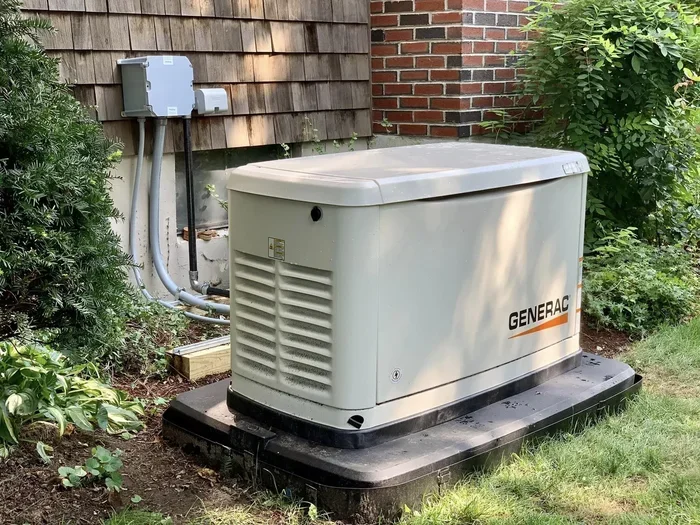
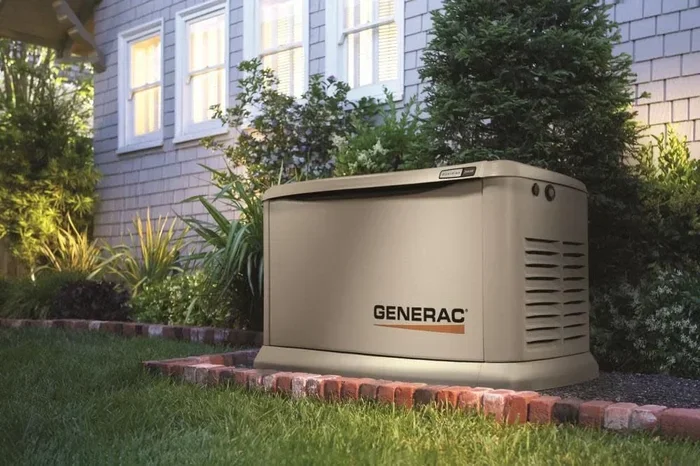
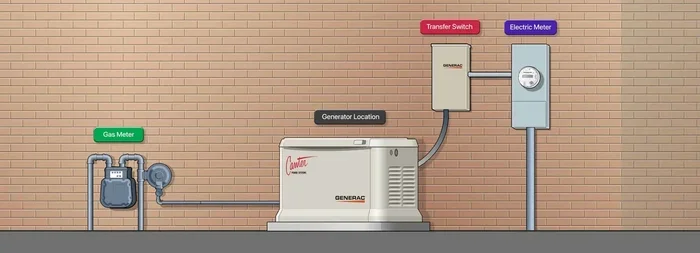
A whole house generator is a backup power system that automatically turns on when your electricity goes out. Unlike a portable generator, it is permanently installed outside your home and connected directly to your electrical panel. Most models run on natural gas or propane.
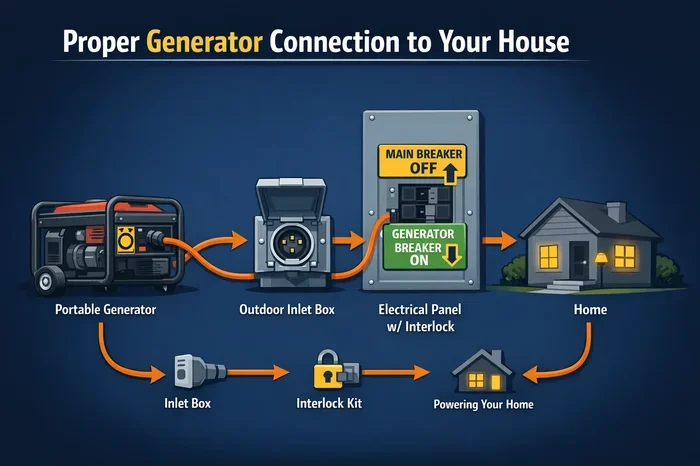
These generators use an automatic transfer switch to detect power loss. Within seconds, it switches your home to generator power. When utility power returns, it switches back automatically. You barely notice the interruption.
The home backup power market has grown a lot in recent years. More extreme weather events and aging electrical infrastructure have made reliable emergency power a priority for families across the country. A whole house unit keeps your lights, refrigerator, HVAC system, and even well pump running smoothly.
How Does a Standby Generator Work?
A standby generator sits outside your home, much like a central air conditioner unit. It connects to your home’s natural gas line or propane tank. When the power goes out, the generator starts up automatically.
Here is a simple breakdown of the process:
- The transfer switch detects a power outage.
- It signals the generator to start.
- The generator produces electricity within 10 to 30 seconds.
- Power flows through your electrical panel to your home.
- When grid power returns, the switch shifts back.
Most standby generators run on diesel, natural gas, or liquid propane. Natural gas is the most popular choice because it connects to your existing gas line. You never need to refuel it manually.
Whole House Generator Cost Breakdown
The whole house generator cost to install is not a single number. It is made up of several parts. Understanding each piece helps you budget accurately and avoid surprises.
Generator Unit Cost by Size
Generators are sized by kilowatt (kW) output. The right size depends on how much power your home needs. Here is a general price guide:
- 12kW to 16kW: $3,000 to $6,000. Covers essential circuits like lights, refrigerator, and furnace.
- 18kW to 22kW: $5,000 to $9,000. Powers most home systems including central air.
- 24kW to 30kW: $8,000 to $14,000. Handles large homes with multiple HVAC units.
- 30kW to 50kW+: $14,000 to $25,000+. For very large homes or those with high power demands.
The kilowatt rating is the biggest factor in the whole house generator cost. A load calculation, done by an electrician, tells you exactly what size you need.
Installation Costs Explained
Installation is where many homeowners get surprised. The generator unit itself is only part of the equation. Here are the typical installation expenses:
- Electrical wiring and panel connection: $500 to $2,000
- Concrete pad or mounting base: $200 to $800
- Permit fees: $100 to $500 (varies by location)
- Gas line connection: $300 to $1,500
- Automatic transfer switch: $500 to $1,500
All of these installation costs add up. On average, professional installation runs between $2,000 and $5,000. Some complex jobs cost even more, especially if your home needs electrical panel upgrades or new gas lines.
Total Installed Cost Ranges
Here is a quick look at what most homeowners pay for a fully installed system:
- Small homes (12-16kW): $5,000 to $9,000 total installed
- Medium homes (18-22kW): $8,000 to $14,000 total installed
- Large homes (24-30kW): $12,000 to $20,000 total installed
- Very large homes (30kW+): $18,000 to $30,000+ total installed
The whole house generator cost to install depends heavily on your specific situation. A simple install on a home that already has a gas line and a compatible panel will cost less. Older homes or those needing electrical upgrades will see higher prices.
Factors That Affect the Installation Price
Not every installation is the same. Several factors can push the whole house generator cost up or down. Knowing these helps you plan and negotiate with contractors.
Home Size and Electrical Demand
Larger homes need more power. A small ranch-style house might run fine on a 16kW unit. A sprawling two-story home with central air, a well pump, and multiple electric appliances may need a 30kW system.
An electrician will perform a load calculation to determine your needs. This calculation adds up all the circuits and appliances you want to run during an outage. The result directly affects the generator size and price.
Fuel Type
The fuel your generator uses has a big impact on price. Here is a quick comparison:
- Natural gas: Most affordable to run. Connects to your existing gas line. No refueling needed. Slightly higher unit cost for some brands.
- Liquid propane: Requires a propane tank. Fuel costs more than natural gas. Great for areas without natural gas service.
- Diesel: Most fuel-efficient for long outages. Higher fuel cost per gallon. Less common for residential use.
Natural gas generators are the most popular choice for homeowners. They offer a good balance of cost, convenience, and reliability.
Brand and Quality
Not all generators are built the same. Top brands like Generac, Kohler, and Briggs & Stratton command higher prices. But they also offer better reliability, longer warranties, and quieter operation.
Budget brands can save you money upfront. However, they may need more frequent repairs and have shorter lifespans. When you are calculating the whole house generator cost, think long term. A quality unit that lasts 20 years is a better value than a cheap one that breaks down in five.
Permits and Local Regulations
Most cities require permits for generator installation. Permit costs vary widely. Urban areas with strict building codes may charge more. Rural areas often have lower fees.
Some localities also have noise ordinances and setback requirements. These rules can affect where you place the generator and may add to installation costs.
Electrical Panel Upgrades
Older homes often have outdated electrical panels. A 100-amp panel may not support a large generator without an upgrade. Switching to a 200-amp panel adds $1,500 to $3,000 to the total cost.
If your home has a fuse box instead of a circuit breaker panel, you will likely need a full panel replacement. This is one of the biggest hidden costs people overlook when budgeting for a home generator.
Standby Generator vs Portable Generator
Many homeowners compare a standby generator to a portable unit before deciding. The two serve different purposes and come with very different price tags.
Portable Generator Basics
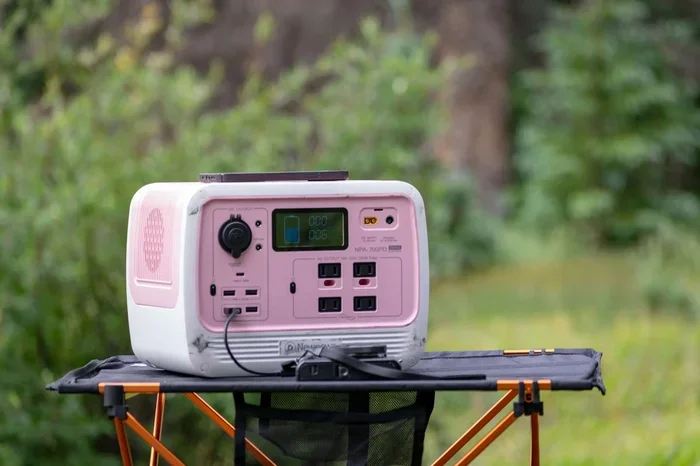
A portable generator costs between $500 and $2,000. You can buy one at any hardware store. It runs on gasoline and needs to be manually started during an outage.
Portable generators have serious limitations. They can only power a few appliances at a time. They are noisy. And they must be run outside, away from windows, to avoid carbon monoxide buildup.
The portable generator vs whole house debate is really about convenience and coverage. A portable unit might keep your fridge running during a short outage. But it cannot power your entire home.
Why Choose a Whole House Generator?
A whole house generator provides automatic, seamless backup power. It covers your entire home, not just a few appliances. Here are the key advantages:
- Automatic operation: Turns on within seconds of a power outage. No manual setup needed.
- Whole-home coverage: Powers everything from your HVAC to your sump pump.
- Natural gas or propane fuel: No need to run extension cords or store gasoline.
- Higher resale value: Homes with standby generators sell faster in many markets.
- Longer runtime: Can run for days or even weeks with a continuous fuel supply.
Yes, the whole house generator cost to install is much higher than a portable unit. But the convenience, safety, and coverage make it worth it for most homeowners who experience frequent outages.
Cost Comparison Table
Here is a side-by-side look at the two options:
- Portable Generator: $500 to $2,000 upfront. Limited power. Manual operation. Shorter lifespan.
- Whole House Generator: $4,000 to $20,000+ installed. Full home power. Automatic operation. 20+ year lifespan with maintenance.
The portable option wins on upfront price. But the whole house system wins on long-term value and peace of mind.
How to Choose the Right Size Generator
Choosing the wrong size is one of the most common mistakes homeowners make. Too small, and the generator will overload during an outage. Too big, and you waste money on a unit you do not fully need.
Understanding Kilowatt Ratings
Every generator has a kilowatt rating that tells you how much power it can produce. Here is what different sizes can typically handle:
- 12kW: Lights, refrigerator, furnace blower, and a few outlets.
- 18kW: Adds a window AC unit and microwave to the list above.
- 22kW: Powers most homes including central air conditioning.
- 30kW+: Handles large homes with multiple AC units, electric water heaters, and heavy appliance use.
A professional electrician should run a load calculation before you buy. This ensures you get the right size without overspending on the whole house generator cost.
Essential Circuits vs Whole Home
Some homeowners choose to power only essential circuits. This approach uses a smaller generator and costs less. Essential circuits typically include:
- Refrigerator and freezer
- Heating and cooling system
- Lights in key rooms
- Well pump or sump pump
- Internet router and phone chargers
If you only need essential circuits, a 12kW to 16kW unit may be enough. This can save you several thousand dollars on the whole house generator cost to install.
Future-Proofing Your Setup
Think about your future needs, too. Are you planning to add an electric vehicle charger? A hot tub? A home office with heavy equipment? Planning ahead can save you from needing a second generator down the road.
It is usually better to invest in a slightly larger unit now than to upgrade later. A 22kW system today can handle most future needs without requiring a full replacement.
Is a Whole House Generator Worth the Investment?
This is the question every homeowner asks before spending thousands on a backup power system. The short answer is yes, for most people. Here is why.
A power outage can cost you more than you think. Spoiled food, frozen pipes, and a non-working sump pump can lead to thousands in damage. A whole house generator protects your home and your family from these risks.
Beyond protection, a standby generator adds value to your home. Many buyers in storm-prone areas specifically look for homes with backup generators. It is a selling point that sets your property apart.
The whole house generator cost to install is a significant upfront investment. But when you factor in the comfort, safety, and peace of mind it provides, most homeowners feel it is well worth it. You sleep better knowing your family is safe and comfortable no matter what happens with the power grid.
Think of it like insurance. You hope you never need it. But when the storm hits and your neighbors are sitting in the dark, you will be glad you made the investment.
Maintenance Costs to Consider
A generator is not a set-it-and-forget-it appliance. Regular maintenance keeps it running reliably. Annual maintenance typically costs between $150 and $300. This includes oil changes, filter replacements, and a system check.
Most manufacturers recommend a professional inspection once a year. Some companies offer maintenance plans that cover this cost. Staying on top of maintenance extends the generator’s lifespan and prevents expensive emergency repairs.
Generator Warranty and Longevity
Most whole house generators come with a 5- to 10-year limited warranty. Some premium brands offer longer coverage. The generator’s lifespan typically ranges from 20 to 30 years with proper maintenance.
When comparing whole house generator cost options, look at the warranty length and what it covers. A longer warranty often reflects better build quality and manufacturer confidence.
Common Mistakes to Avoid When Budgeting
Many homeowners make avoidable mistakes when planning their generator budget. Here are the most common ones:
- Forgetting permit fees: These add up quickly and are easy to overlook.
- Ignoring fuel connection costs: Running a gas line to the generator location can be expensive.
- Undersizing the generator: A too-small unit will overload and fail during an outage.
- Skipping the electrical panel assessment: Older panels may need upgrades that add significant cost.
- Choosing the cheapest installer: Poor installation can void your warranty and cause safety issues.
- Ignoring ongoing maintenance costs: Budget for annual service, not just the upfront purchase.
Avoiding these mistakes keeps your whole house generator cost in check and ensures a smooth installation process.
Quick Tips to Save Money on Generator Installation
Saving money on your whole house generator cost to install does not mean cutting corners. Here are smart ways to reduce expenses:
- Get multiple quotes: Always get at least three estimates from licensed electricians or generator dealers.
- Choose natural gas: It avoids the cost of propane tank installation and fuel delivery.
- Time your purchase: Many dealers offer discounts during off-peak seasons, typically in spring and fall.
- Bundle services: Some companies offer package deals that include the generator, installation, and maintenance.
- Check for rebates: Some utility companies offer rebates for installing backup generators. Check with your local provider.
- Plan the location carefully: Placing the generator close to your electrical panel and gas line reduces installation labor costs.
Small savings add up. A few hundred dollars here and there can make the overall whole house generator cost much more manageable.
Expert Insights on Generator Selection
We spoke with several licensed electricians who install generators daily. Here is what they had to say about managing costs and making the right choice.
“The biggest mistake I see is people buying a generator based on price alone,” says Mark T., a licensed electrician with 15 years of experience. “A cheaper unit that breaks down after two years costs more in the long run than a quality system that lasts decades.”
Another expert, Sarah L., emphasizes the importance of proper sizing. “I always run a full load calculation before recommending a system. This ensures the customer gets exactly what they need without overpaying for the whole house generator cost.”
Both experts agree that professional installation is non-negotiable. “DIY installation might save you a few hundred dollars upfront,” Mark adds, “but it can void your warranty and create serious safety hazards.”
Their top recommendation? Plan ahead, get professional quotes, and invest in a reputable brand. Your future self will thank you when the next storm rolls through.
Final Thoughts on Whole House Generator Cost
The whole house generator cost to install is a significant investment. But it is one that pays for itself many times over. From protecting your home against frozen pipes to keeping your family comfortable during extended outages, a standby generator is truly invaluable.
Remember, the total cost depends on your home size, fuel choice, generator brand, and local installation requirements. The average homeowner spends between $10,000 and $15,000 for a quality 20kW to 24kW system with professional installation.
Take your time researching options. Get multiple quotes. Choose a reputable installer. And do not forget to budget for ongoing maintenance. A well-planned installation gives you years of reliable home backup power and real peace of mind.
When the next storm hits or the grid goes down unexpectedly, you will be glad you made the investment. Your home, your family, and your comfort are worth it.
Frequently Asked Questions
What is the average whole house generator cost to install?
Most homeowners spend between $10,000 and $15,000 for a fully installed 20kW to 24kW system. Smaller units cost less, and larger systems can run $20,000 or more. The final price depends on your home size, fuel type, and local labor rates.
Can I install a whole house generator myself?
While it is technically possible, professional installation is strongly recommended. Improper installation can void your warranty and create safety hazards like carbon monoxide exposure or electrical fires. Licensed electricians ensure everything is wired and grounded correctly.
How long does a whole house generator last?
With proper maintenance, a quality standby generator lasts 20 to 30 years. Regular oil changes, filter replacements, and annual inspections keep the system running smoothly. Brand and usage also play a role in lifespan.
Does a whole house generator increase home value?
Yes. Many homebuyers in areas prone to power outages view a standby generator as a major selling point. It can make your property more attractive and potentially increase resale value compared to homes without backup power.
What fuel type is best for a whole house generator?
Natural gas is the most popular choice because it connects to your existing gas line and never needs refueling. Propane is a good alternative for homes without natural gas service. Diesel is efficient but less common for residential use.
How often does a whole house generator need maintenance?
Annual maintenance is recommended for most systems. This includes an oil change, filter replacement, and a full system inspection. Some owners choose biannual service for extra peace of mind, especially in areas with frequent outages.