How to Find the Quietest Air Conditioner Compressor
Finding the quietest air conditioner compressor means understanding decibel ratings, compressor types, and smart installation choices. Modern quiet AC compressor models can run as low as 19 decibels, making them nearly silent. This guide walks you through everything you need to know to pick a low noise air conditioner compressor that keeps you cool without the constant hum.
Nothing ruins a peaceful evening like a loud air conditioner compressor rattling away in the background. Whether you are trying to sleep, work from home, or just enjoy some quiet time, a noisy AC unit can be incredibly frustrating. If you have ever wondered how to find the quietest air conditioner compressor for your home, you are in the right place.
This guide covers everything you need to know. We will break down decibel ratings, compare compressor types, and share practical tips to help you choose a quiet AC compressor that actually delivers. By the end, you will know exactly what to look for and what to avoid.
The good news is that compressor technology has come a long way. Today’s low noise air conditioner compressor models are remarkably quiet compared to older units. You do not have to sacrifice comfort or cooling power to get peace and quiet. Let us dive in.
Key Takeaways
- Decibel ratings matter most: Lower dB means a quieter compressor, and the best models sit below 50 dB.
- Inverter compressors are the quietest: They adjust speed instead of cycling on and off loudly.
- Ductless mini splits lead the pack: They are widely regarded as the quietest cooling option available.
- Proper installation reduces noise: Vibration pads and correct placement make a big difference.
- Check the sound rating before buying: Manufacturers list dB levels on spec sheets and energy guides.
- Older compressors are louder: Units over 10 years old typically run much noisier than modern ones.
- Consider your living situation: Bedroom AC units need different quiet standards than garage compressors.
📑 Table of Contents
- Understanding Air Conditioner Compressor Noise Levels
- Types of Air Conditioner Compressors and Their Noise Levels
- How to Measure and Compare Compressor Noise
- Top Features That Make a Compressor Quieter
- Best Quiet Air Conditioner Compressor Options for Different Needs
- Common Mistakes That Make Your Compressor Louder
- Expert Insights on Choosing a Quiet Compressor
- How to Keep Your Compressor Quiet Over Time
- Conclusion
Understanding Air Conditioner Compressor Noise Levels
Noise is measured in decibels, commonly written as dB. The lower the number, the quieter the unit. A whisper sits around 30 dB. A normal conversation is about 60 dB. A loud AC compressor can exceed 70 dB, which is about as loud as a vacuum cleaner.
When you are shopping for a quietest air conditioner compressor, look for units rated below 50 dB. Anything under 40 dB is considered very quiet. The best inverter compressors on the market today operate at around 19 to 30 dB, which is barely noticeable.
What Makes a Compressor Noisy?
Several factors contribute to compressor noise:
- Fan speed: Higher fan speeds create more turbulence and sound.
- Vibration: Loose parts or poor mounting amplify humming and rattling.
- Compressor type: Scroll compressors tend to be quieter than reciprocating ones.
- Age and wear: Older units lose insulation and develop rattles over time.
- Housing design: Poorly designed cabinets let sound escape more easily.
Understanding these factors helps you make a smarter buying decision. You can now evaluate compressors based on what actually causes noise, not just marketing claims.
Types of Air Conditioner Compressors and Their Noise Levels
Not all compressors are created equal. The type of compressor inside your AC unit has a huge impact on how loud it runs. Here is a closer look at the most common types.
Inverter Compressors
Inverter compressors are widely considered the quietest AC compressor technology available today. Instead of turning on and off at full power, they adjust their speed based on cooling demand. This means they run at lower speeds for longer periods, which dramatically reduces noise.
Many inverter models operate at just 19 to 35 dB. That is quieter than a library. If you want a silent air conditioner compressor, an inverter model should be your first choice.
Scroll Compressors
Scroll compressors use two spiral-shaped parts to compress refrigerant. They have fewer moving parts than other types, which means less vibration and noise. Scroll compressors typically run between 50 and 60 dB, which is moderate and acceptable for most homes.
They are commonly found in mid-range central AC systems. They offer a good balance of quiet operation, durability, and efficiency.
Reciprocating Compressors
Reciprocating compressors use pistons to compress refrigerant. They are the loudest common type, often exceeding 65 dB. You will find them in older and budget-friendly units. If noise is a major concern, you should avoid reciprocating compressors whenever possible.
That said, they are still reliable and effective at cooling. They just come with a louder operating sound that some homeowners find annoying.
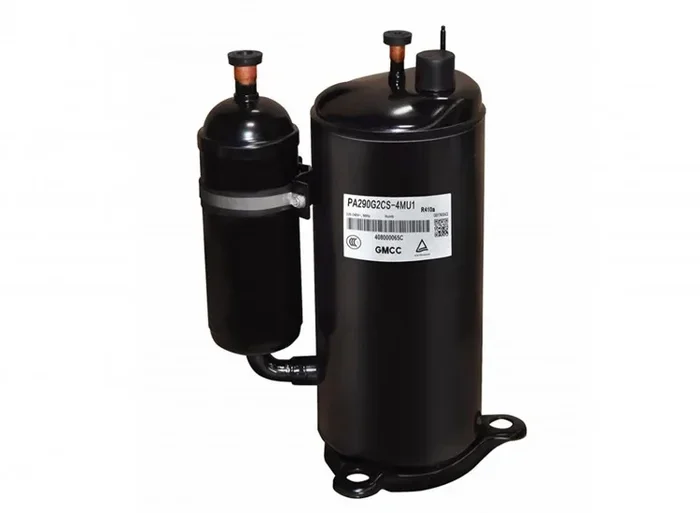
Rotary Compressors
Rotary compressors are smooth and balanced, which keeps noise levels low. They are often used in ductless mini split systems. These compressors typically run between 30 and 45 dB, making them a solid choice for noise-sensitive areas like bedrooms.
How to Measure and Compare Compressor Noise
When comparing compressors, the dB rating is your best friend. But not all manufacturers list this number clearly. Here is how to find and interpret noise ratings effectively.
Where to Find the dB Rating
- Product spec sheet: Look under “sound rating” or “noise level.”
- Energy Guide label: Many units list estimated sound output here.
- Manufacturer website: Check the product page for detailed specs.
- Customer reviews: Real users often mention how loud the unit actually is.
Keep in mind that some manufacturers list “sound power” instead of “sound pressure.” Sound power measures the total noise the unit produces, while sound pressure measures what you actually hear at a distance. Sound pressure numbers are more useful for comparing real-world noise levels.
Quick Tips for Comparing Noise Ratings
- Always compare dB ratings measured at the same distance.
- Look for ratings taken at 3 feet or 1 meter for consistency.
- Remember that a 10 dB decrease sounds roughly half as loud.
- Do not rely on marketing terms like “ultra-quiet” without checking the actual dB number.
Top Features That Make a Compressor Quieter
Beyond the compressor type itself, several features contribute to a quieter overall operation. When you are shopping for a low noise air conditioner compressor, look for these key features.
Variable Speed Fan Motors
Fixed-speed fan motors run at full blast all the time, which creates a lot of whooshing noise. Variable speed motors adjust airflow based on need, which keeps things much quieter. Many modern quiet AC compressor units come with ECM (electronically commutated motor) fan motors that operate silently at low speeds.
Sound Insulation and Housing
Good housing design traps sound inside the unit. Premium compressors use foam insulation, acoustic blankets, and sealed cabinets to contain noise. Some units even have dual-panel housing that creates an air gap to block sound from escaping.
Vibration Isolation Mounts
Vibration is one of the biggest sources of compressor noise. Rubber mounts and spring isolators absorb vibrations before they reach the housing or the floor. This simple feature can make a noticeable difference in how loud your unit sounds.
Soft-Start Technology
When a compressor first kicks on, it often makes a loud startup noise. Soft-start technology gradually ramps up the motor, eliminating that sudden loud bang. This feature is especially helpful if your compressor is near a bedroom window or wall.
Best Quiet Air Conditioner Compressor Options for Different Needs
The right compressor depends on your specific situation. Here are some practical recommendations based on common use cases.
For Bedrooms and Nurseries
If you need a compressor near sleeping areas, go for ductless mini splits with inverter technology. These units often run below 30 dB on their lowest setting. Many models also offer a “sleep mode” that reduces fan speed and noise even further during the night.
You can also look into window AC units designed for bedrooms. Some newer models advertise sound levels as low as 42 dB, which is comparable to a quiet library.
For Whole House Cooling
Central AC systems with inverter compressors and scroll technology offer excellent noise control for whole-house cooling. Look for units with a sound rating below 55 dB. You should also consider the placement of your outdoor condenser unit. Setting it away from bedroom walls and using fencing or landscaping to block sound can help a lot.
If you are running your AC off a generator, check out our guide on what size generator for a 30 amp RV air conditioner to make sure your power setup does not add extra noise or strain to the system.
For RVs and Small Spaces
RV air conditioners have come a long way in terms of noise reduction. Modern rooftop units with inverter compressors can run as quietly as 45 dB. If you are camping or living in an RV, a quiet compressor makes a huge difference in your comfort.
For more on sizing the right unit, our article on what size generator for a 30 amp RV covers everything you need to know about matching power to your RV cooling needs.
For Commercial and Multi-Unit Buildings
In apartments and condos, compressor noise can be a shared problem. Ductless mini splits with rotary compressors are a popular choice because they keep noise low both inside and out. Building managers should also consider sound barriers around outdoor condenser units to reduce noise complaints from neighbors.
Common Mistakes That Make Your Compressor Louder
Sometimes the compressor itself is quiet, but poor choices make it sound loud. Avoid these common mistakes to keep your quietest air conditioner compressor running silently.
Skipping Vibration Pads
Installing your outdoor condenser unit directly on concrete without rubber pads transfers every vibration into the ground and your home’s structure. Always use anti-vibration pads or mounts. This simple step can reduce perceived noise by several decibels.
Placing the Unit Too Close to Walls
Your condenser needs proper airflow, but placing it right against a wall bounces sound back toward your home. Leave at least 12 inches of clearance on all sides. This improves cooling efficiency and reduces noise reflection.
Ignoring Maintenance
A dirty compressor runs louder. Debris on the coils forces the unit to work harder, which increases vibration and noise. Clean your condenser coils at least once a year, and check for loose fan blades or mounting bolts.
Oversizing the Unit
It might seem counterintuitive, but an oversized compressor cycles on and off too frequently. This short cycling creates loud startup noises over and over. A properly sized unit runs longer and quieter cycles, which is better for both noise and energy efficiency.
Not Considering the Ductwork
Sometimes the compressor is quiet, but the ductwork amplifies the sound. Loose ducts, missing insulation, and undersized return vents all contribute to noise. Have your ducts inspected if you notice unusual sounds coming from your vents.
Expert Insights on Choosing a Quiet Compressor
HVAC professionals agree that inverter technology is the single biggest factor in reducing compressor noise. If you are replacing an old unit, upgrading to an inverter compressor can cut your noise levels in half. Many installers also recommend adding a sound blanket around the outdoor unit, which can reduce noise by an additional 3 to 5 dB.
Another expert tip is to look for units with a high SEER2 rating. Higher efficiency compressors tend to run at lower speeds, which naturally means less noise. A 16 SEER or higher unit will almost always be quieter than an older 10 SEER model.
If noise is your top priority, consider a ductless mini split system. These units are purpose-built for quiet operation and offer excellent zone-by-zone cooling. They are especially popular for bedrooms, home offices, and additions where a central system might be too loud or impractical.
For homeowners wondering about running multiple appliances on a generator, our guide on what size generator to run refrigerator and freezer offers helpful insights on managing household power needs without overloading your system.
How to Keep Your Compressor Quiet Over Time
Buying a quiet compressor is only half the battle. Regular maintenance ensures it stays quiet for years to come.
- Clean coils every spring: Remove debris, leaves, and dirt from the outdoor unit.
- Tighten mounting bolts: Vibrations loosen bolts over time, which creates rattling sounds.
- Replace air filters regularly: Clogged filters force the compressor to work harder and sound louder.
- Check refrigerant levels: Low refrigerant causes the compressor to strain and make unusual noises.
- Inspect fan blades: Bent or damaged blades create imbalance and extra noise.
- Schedule annual professional tune-ups: A technician can catch small issues before they become loud problems.
Taking these simple steps can extend the life of your compressor and keep it running at its quietest. Most homeowners find that a well-maintained unit stays whisper-quiet for 15 years or more.
Conclusion
Finding the quietest air conditioner compressor does not have to be overwhelming. Focus on inverter technology, check the decibel rating, and look for features like variable speed fans and vibration isolation. Avoid common installation mistakes, and commit to regular maintenance. These steps will help you enjoy cool, comfortable air without the constant noise.
Whether you are upgrading a bedroom unit, replacing a central system, or outfitting an RV, there is a quiet compressor option that fits your needs. Take your time, compare ratings, and choose a unit that keeps your home peaceful and cool all summer long.
Remember, a quiet compressor is not just about comfort. It is also about better sleep, improved focus, and a more enjoyable living space. Make the right choice today, and you will thank yourself every time you hear nothing but silence when your AC kicks on.
Frequently Asked Questions
What decibel level is considered quiet for an air conditioner compressor?
Most experts consider anything below 50 dB to be quiet for an air conditioner compressor. The very best inverter compressors operate at 19 to 30 dB, which is barely noticeable. For comparison, a quiet bedroom at night is around 30 dB, so a compressor at that level would be virtually silent.
Are ductless mini splits quieter than central AC systems?
Yes, ductless mini splits are generally much quieter than central AC systems. The indoor units often run at 20 to 30 dB, and the outdoor units are also designed for low noise. Central systems have the added noise of ductwork and a louder outdoor condenser, which makes them inherently noisier overall.
Can I make my existing compressor quieter without replacing it?
Yes, you can reduce noise without replacing the unit. Adding vibration pads, cleaning the coils, replacing air filters, and installing a sound blanket around the outdoor unit can all help. These steps are affordable and can make a noticeable difference in how loud your compressor sounds.
Why is my air conditioner compressor so loud all of a sudden?
Sudden loud noise usually signals a problem. Loose parts, debris in the fan, low refrigerant, or a failing motor can all cause unexpected loud sounds. If your compressor gets noticeably louder, you should have it inspected by a professional as soon as possible to prevent further damage.
Do inverter compressors really last longer than traditional ones?
Yes, inverter compressors tend to last longer because they run at lower speeds and experience less wear and tear. The gradual speed adjustment reduces stress on internal components. Many inverter compressors come with warranties of 10 to 12 years, compared to 5 to 8 years for standard models.
What should I look for when buying a quiet window AC unit?
Look for a window unit with a sound rating below 50 dB, inverter technology if available, and adjustable fan speeds. Units with sleep mode are also great for bedrooms. Check customer reviews for real-world noise feedback, since spec sheets do not always tell the full story.
=== INTERNAL LINKS ===
If you are also considering a generator to power your cooling setup, check out these related guides: