How Does a Rotary Screw Air Compressor Work Step by Step
A rotary screw air compressor works by trapping air between two meshing helical screws and reducing its volume to increase pressure. This guide walks you through every step of the compression process in simple terms. You will learn the main parts, how they work together, and how to keep your compressor running smoothly.
Have you ever wondered how a rotary screw air compressor actually works? These machines are everywhere in workshops, factories, and construction sites. They power tools, inflate tires, and run pneumatic systems all day long. But the process happening inside them is fascinating and surprisingly simple once you break it down.
Whether you are a shop owner, a DIY enthusiast, or just curious about how compressed air systems function, this guide has you covered. We will walk through how does a rotary screw air compressor work step by step. You will understand the core components, the compression cycle, and why these machines are so reliable.
Compressed air is often called the fourth utility, right after electricity, gas, and water. It is clean, powerful, and incredibly versatile. A rotary screw compressor is one of the most popular ways to produce it. Let us dive in and see why.
Key Takeaways
- Twin Screw Design: Two interlocking helical rotors spin together to trap and compress air efficiently.
- Continuous Flow: Unlike piston compressors, rotary screw compressors deliver a steady stream of compressed air with minimal pulsation.
- Lubricated or Oil-Free: You can choose between oil-lubricated models for durability or oil-free models for clean air applications.
- Step-by-Step Process: Air enters, gets trapped, compressed as the screws turn, and then exits at high pressure.
- Low Maintenance: These compressors are built for heavy-duty use and require less frequent maintenance than other types.
- Industrial Workhorse: They are widely used in manufacturing, construction, automotive shops, and more.
📑 Table of Contents
What Is a Rotary Screw Air Compressor?
A rotary screw air compressor uses two interlocking helical rotors to compress air. As the rotors turn, air gets pulled into the space between them. The volume of that space shrinks, which increases the pressure of the air. This is the basic idea behind how does a rotary screw air compressor work.
These compressors are known for being quiet, efficient, and durable. They can run continuously for hours without overheating. That makes them ideal for businesses that need a constant supply of compressed air. You will find them in automotive shops, manufacturing plants, and even small garages.
The rotary screw design has been around since the 1930s, but modern versions are far more advanced. They use precision-machined screws, better sealing technology, and smarter controls. The result is a machine that wastes less energy and delivers more consistent pressure.
How Is It Different from a Piston Compressor?
A piston compressor uses a back-and-forth motion to compress air. It has cylinders, valves, and pistons that move rapidly. This creates pulses of pressure and more noise. A rotary screw compressor, on the other hand, uses a smooth spinning motion. The result is steadier airflow and lower noise levels.
Here are the main differences at a glance:
- Operation: Rotary screw compressors use continuous rotation. Piston compressors use reciprocating motion.
- Pressure Output: Rotary screw models deliver a more consistent pressure with fewer fluctuations.
- Noise Level: Screw compressors are generally much quieter than piston compressors.
- Maintenance: Rotary screw units need less frequent maintenance over their lifespan.
- Size and Weight: Screw compressors tend to be more compact for the same output level.
If you are comparing options for your shop, the rotary screw design is usually the better choice for medium to heavy use. It handles continuous duty cycles much better than a piston unit.
The Main Components of a Rotary Screw Compressor
To understand how does a rotary screw air compressor work, you need to know the parts involved. Each component plays a specific role in the compression process. Let us go over the key parts.
1. The Male and Female Rotors
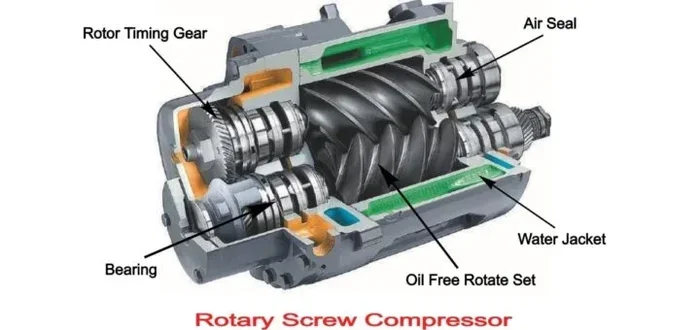
The rotors are the heart of the machine. The male rotor has fewer lobes and is usually the driving rotor. The female rotor has more grooves and is driven by the male rotor. As they spin together, air gets trapped in the spaces between the rotors and the housing. The meshing of the screws gradually reduces the volume of that trapped air, which increases the pressure.
These rotors are precision-machined to very tight tolerances. Even a tiny gap can reduce efficiency. That is why high-quality screw compressors use advanced materials and manufacturing techniques.
2. The Compressor Housing
The housing is the outer shell that holds everything together. It contains the compression chamber where the rotors spin inside. The housing is designed to be airtight so no compressed air escapes before it reaches the output valve.
Most housings are made from durable cast iron or steel. They need to withstand the heat and pressure generated during the compression process. A well-built housing can last for decades with proper care.
3. The Motor and Drive System
The motor provides the rotational force that turns the rotors. Most rotary screw compressors use electric motors, but some models run on diesel or gasoline engines. The drive system connects the motor to the rotors and can use a belt, gear, or direct coupling.
If your compressor runs on a generator, you might wonder how much gas does a generator use during operation. It depends on the compressor load and the generator size. Running a compressor off a generator is common on job sites where electricity is not available.
4. The Air Intake Filter
The intake filter cleans the air before it enters the compression chamber. It removes dust, dirt, and other particles that could damage the rotors or contaminate the compressed air. A clogged filter reduces efficiency and can cause the compressor to work harder than it needs to.
Replacing the intake filter regularly is one of the simplest maintenance tasks. Most filters should be checked every few weeks and replaced when they look dirty or restricted.
5. The Oil Separator and Coolant System
In lubricated rotary screw compressors, oil is injected into the compression chamber. It serves three purposes: lubrication, sealing, and cooling. After compression, the oil-laden air passes through an oil separator, which removes most of the oil before the air exits the system.
The cooling system keeps the compressor from overheating during long runs. Some models use a fan, while others use a liquid cooling system. Keeping the compressor cool is essential for maintaining efficiency and extending its lifespan.
How Does a Rotary Screw Air Compressor Work Step by Step
Now let us walk through the actual compression process. Understanding each step will help you appreciate how these machines deliver reliable compressed air. Here is how does a rotary screw air compressor work in practice.
Step 1: Air Intake
The process starts when the intake valve opens. Fresh air from the surrounding environment is drawn into the compression chamber. The intake filter removes dust and debris before the air enters. The volume of air entering depends on the size of the rotors and the speed at which they are spinning.
At this stage, the air is at atmospheric pressure. It is not yet compressed. The rotors are just beginning their rotation, and the space between them is at its largest volume. This is where the compression cycle begins.
Step 2: Air Trapping
As the rotors continue to turn, the air gets trapped in the grooves between the rotors and the housing. The male and female rotors mesh together, creating sealed pockets of air. Once the air is trapped, it can no longer escape back through the intake. This is a critical moment in the compression process.
The sealing between the rotors is maintained by tight tolerances and, in lubricated models, by a thin film of oil. This sealing ensures that no compressed air leaks back before it reaches the output.
Step 3: Compression
As the rotors keep spinning, the meshing points move along the length of the rotors. This reduces the volume of the trapped air pockets. As the volume decreases, the pressure increases. This is the core of the compression process.
The compression happens continuously as the rotors turn. There are no start-and-stop cycles like in a piston compressor. This continuous motion is one reason rotary screw compressors are so smooth and reliable. They deliver a steady stream of compressed air without the pressure spikes and drops that piston compressors create.
Step 4: Oil Injection (for Lubricated Models)
In lubricated compressors, oil is injected into the compression chamber during the compression stage. The oil serves multiple roles. It lubricates the rotors to reduce wear. It seals the tiny gaps between the rotors and housing to improve efficiency. And it absorbs heat generated during compression.
The oil also helps cool the compressed air. Without this cooling effect, the air temperature would rise to levels that could damage the system or reduce efficiency. After compression, the oil and air mixture moves to the next stage of the process.
Step 5: Oil Separation
The oil-laden compressed air exits the compression chamber and enters the oil separator. This is a special filter that removes most of the oil from the air. The separator uses centrifugal force and filter elements to pull the oil out and return it to the sump for reuse.
A well-functioning oil separator is critical for delivering clean, dry compressed air. If the separator fails, oil can contaminate the output, which can damage tools and equipment downstream. Regular inspection and replacement of the separator element are essential maintenance tasks.
Step 6: Cooling and Aftercooling
After separation, the compressed air still carries significant heat. An aftercooler or heat exchanger cools the air before it exits the system. Cooling reduces the moisture content of the air, which helps prevent condensation in your air lines and tools.
Some compressors use an air-cooled aftercooler, while others use a water-cooled system. The choice depends on the application and the environment. In hot climates, an effective aftercooling system is especially important to maintain air quality and system efficiency.
Step 7: Air Output
The final step is the delivery of compressed air to the system. The air exits the compressor through the output valve and flows into the air tank or directly to the distribution lines. A pressure switch monitors the system pressure and shuts the compressor off when the desired pressure is reached.
When the pressure drops below the set point, the compressor automatically restarts. This cycle repeats continuously, maintaining a steady supply of compressed air. The pressure switch is an important safety component that prevents over-pressurization.
If you are running your compressor on a portable generator, you might also want to check how long can a generator run on a single tank of fuel. Continuous compressor operation can drain a generator quickly, so planning ahead is smart.
Lubricated vs. Oil-Free Rotary Screw Compressors
Not all rotary screw compressors are the same. The two main types are lubricated and oil-free. Each has its own advantages and best use cases. Understanding the difference helps you choose the right machine for your needs.
Lubricated Rotary Screw Compressors
Lubricated compressors inject oil directly into the compression chamber. The oil lubricates the rotors, seals gaps, and absorbs heat. These compressors are highly efficient and have a longer lifespan because the moving parts are well protected.
They are ideal for heavy-duty industrial applications where continuous operation is required. The downside is that the output air contains trace amounts of oil. For most manufacturing and industrial uses, this is acceptable. But for applications that require completely clean air, a lubricated compressor is not the right choice.
Oil-Free Rotary Screw Compressors
Oil-free compressors do not inject oil into the compression chamber. Instead, they use special coatings and tighter tolerances to reduce friction and heat. The compressed air comes out completely oil-free, which makes it safe for sensitive applications.
You will find oil-free models in food processing plants, pharmaceutical facilities, and electronics manufacturing. The trade-off is that they generally have a shorter lifespan and are less efficient than lubricated models. The lack of oil means the rotors experience more wear over time.
| Feature | Lubricated | Oil-Free |
|---|---|---|
| Air Quality | Contains trace oil | Completely oil-free |
| Efficiency | Higher | Lower |
| Lifespan | Longer | Shorter |
| Maintenance | Oil changes required | Less oil maintenance |
| Best For | Heavy industrial use | Clean air applications |
| Upfront Cost | Moderate | Higher |
Common Applications and Uses
Rotary screw compressors are incredibly versatile. Their ability to deliver continuous, steady compressed air makes them suitable for a wide range of applications. Here are some of the most common uses.
- Manufacturing Plants: Powering pneumatic tools, assembly line equipment, and automated systems.
- Automotive Shops: Running impact wrenches, spray guns, and air lifts.
- Construction Sites: Operating jackhammers, nail guns, and sandblasting equipment.
- Food and Beverage: Packaging machinery, conveyor systems, and processing equipment.
- Pharmaceuticals: Clean, oil-free compressed air for sensitive production environments.
- Mining and Oil & Gas: Heavy-duty drilling, ventilation, and equipment powering.
If you are setting up a workshop and need a reliable compressor, understanding how many kW generator to run a house or a small shop can help you plan your power setup properly. A rotary screw compressor draws significant power, so make sure your electrical supply or generator can handle the load.
Maintenance Tips for Longevity
A rotary screw air compressor is a significant investment. Proper maintenance keeps it running efficiently for many years. Here are some practical tips to extend the life of your compressor.
Check the Oil Level Regularly
If you have a lubricated model, check the oil level before each shift. Low oil can cause excessive wear on the rotors and lead to overheating. Change the oil according to the manufacturer’s schedule, typically every 2,000 to 4,000 operating hours.
Replace the Air Filter
A dirty air filter restricts airflow and forces the compressor to work harder. Check the filter weekly and replace it when it looks clogged. This simple task improves efficiency and protects the rotors from dust contamination.
Drain the Condensate Tank
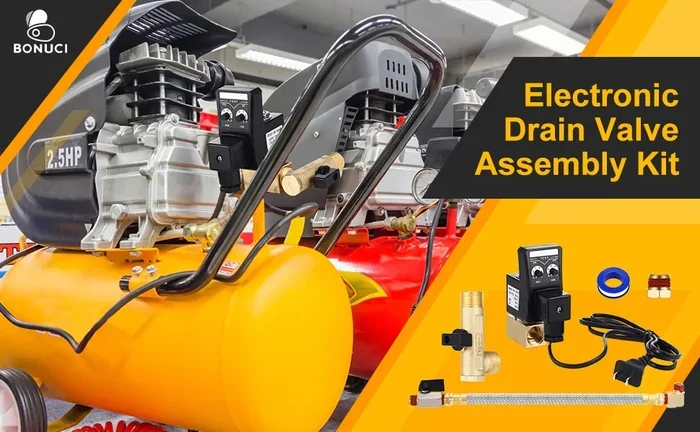
Moisture accumulates in the air tank and condensate traps over time. If you do not drain it regularly, the moisture can cause rust and reduce tank capacity. Most tanks have a drain valve at the bottom. Open it after each use or install an automatic drain valve.
Inspect the Belts and Hoses
Check drive belts for cracks, wear, and proper tension. Replace worn belts before they break. Inspect all air hoses for leaks, kinks, or damage. A small leak can waste a significant amount of compressed air and increase your energy costs.
Monitor the Pressure Gauge
Keep an eye on the pressure gauge during operation. If the pressure drops below normal levels, it could indicate a leak, a failing seal, or a problem with the rotors. Addressing pressure issues early prevents more serious damage down the road.
Keep the Compressor Clean
Dust and debris around the compressor can block ventilation and cause overheating. Wipe down the exterior regularly and keep the area around the unit clear. Good airflow around the compressor is essential for cooling.
Proper placement matters too. If you are running a generator to power your compressor, make sure you know how far should a generator be from the house for safety and proper ventilation. The same principles apply to compressors, which also need adequate airflow and safe clearance from walls and equipment.
Key Takeaways
- Twin Rotor Design: The male and female rotors mesh together to trap and compress air continuously.
- Step-by-Step Process: Air is drawn in, trapped, compressed, cooled, separated from oil, and delivered at high pressure.
- Lubricated or Oil-Free: Choose based on your air quality requirements and duty cycle needs.
- Low Maintenance: Regular oil changes, filter replacements, and condensate draining keep the system running smoothly.
- Wide Applications: From manufacturing to construction, rotary screw compressors power countless industrial and commercial operations.
- Efficient and Reliable: The continuous rotary motion delivers steady pressure with less noise and fewer pressure fluctuations.
- Long Lifespan: With proper maintenance, a rotary screw compressor can serve your operation for many years.
Frequently Asked Questions
How long does a rotary screw air compressor last?
With proper maintenance, a rotary screw air compressor can last 15 to 20 years or more. The rotors and housing are built from heavy-duty materials designed for continuous use. Regular oil changes, filter replacements, and inspections significantly extend the lifespan.
Can a rotary screw compressor run continuously?
Yes, rotary screw compressors are designed for continuous duty cycles. Unlike piston compressors that need to cool down between cycles, screw compressors can run for hours or even days without interruption. This makes them ideal for industrial settings that need a constant supply of compressed air.
Is a rotary screw compressor louder than a piston compressor?
No, rotary screw compressors are generally much quieter than piston compressors. The smooth rotary motion produces less vibration and noise. Many modern models also include sound-dampening enclosures that further reduce operating noise levels.
How much compressed air does a rotary screw compressor produce?
The output depends on the model and size. Small rotary screw compressors can produce around 30 to 50 CFM, while large industrial models can deliver several hundred CFM. The specific air flow rate you need depends on your tools and equipment requirements.
Do rotary screw compressors require a lot of maintenance?
Not really. Compared to piston compressors, rotary screw compressors require less maintenance. The main tasks are regular oil changes, air filter replacements, condensate draining, and belt inspections. With a consistent maintenance schedule, these compressors are very low-maintenance.
Can I use a rotary screw compressor for home DIY projects?
Yes, smaller rotary screw compressors are available for home and light commercial use. They are a great choice if you need a quiet, reliable compressor for a garage workshop or home shop. Just make sure the CFM and PSI ratings match your tools.
=== CONCLUSION ===
Understanding how does a rotary screw air compressor work step by step helps you get the most out of your machine. From the initial air intake to the final delivery of compressed air, every stage of the process is designed for efficiency and reliability. The twin rotor design, combined with continuous rotation, makes these compressors a top choice for both industrial and commercial applications.
Whether you choose a lubricated or oil-free model, proper maintenance is the key to long-term performance. Check your oil, replace your filters, drain your condensate, and keep the area around the compressor clean. These simple habits will save you money on repairs and keep your compressor running at peak efficiency for years to come.
Compressed air is a powerful and versatile energy source. A rotary screw compressor gives you a steady, reliable supply of it. Now that you understand how these machines work, you can make smarter decisions about your equipment, maintenance, and operations. Keep your compressor well-maintained, and it will keep serving you well for a long time.