Will A Broken Ac Compressor Damage Your Car Engine
A broken AC compressor can seriously harm your car engine if you ignore the problem. When the compressor fails, it can cause the serpentine belt to snap, leading to engine overheating and loss of power steering. Understanding the early warning signs of AC compressor failure helps you avoid expensive engine damage and keep your vehicle running safely.
Your car’s AC compressor does more than just cool your cabin on a hot summer day. It plays a vital role in your vehicle’s overall engine performance. When this component starts to fail, it can create a chain reaction of problems that reach far beyond the AC system. Many car owners underestimate what a broken AC compressor can do to their engine. They assume it is just an inconvenience. But the truth is much more serious.
A damaged AC compressor can cause engine overheating, belt failure, and even permanent engine damage. The good news is that catching the problem early can save you hundreds or even thousands of dollars. In this article, we will walk you through everything you need to know about how a broken AC compressor affects your car engine. We will cover the warning signs, the causes, and what you should do right now to protect your vehicle.
Key Takeaways
- A seized AC compressor can lock up the serpentine belt and strain your engine.
- Ignoring compressor warning signs often leads to costly engine repairs.
- Regular car maintenance can prevent AC compressor failure before it starts.
- Low refrigerant levels are one of the most common causes of compressor damage.
- Replacing a failed compressor early saves thousands compared to engine replacement.
- Driving with a broken AC compressor is risky and should be avoided.
📑 Table of Contents
What Does an AC Compressor Do in Your Car?
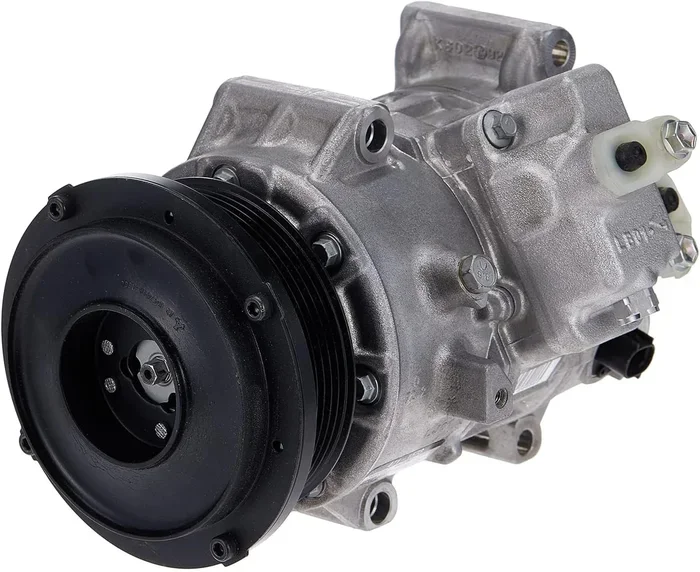
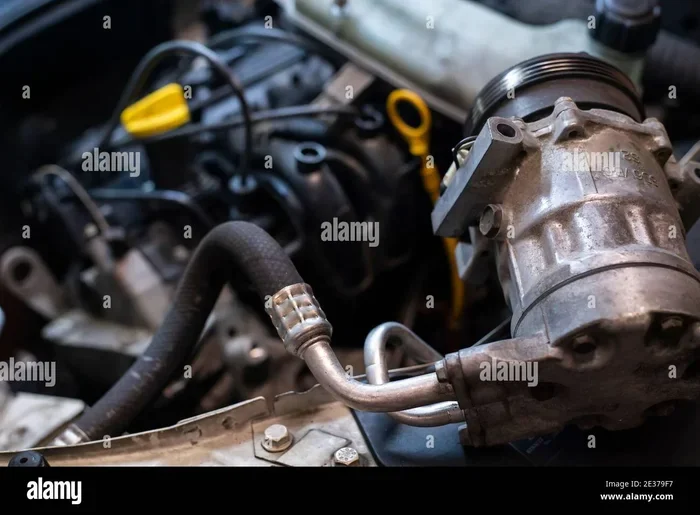
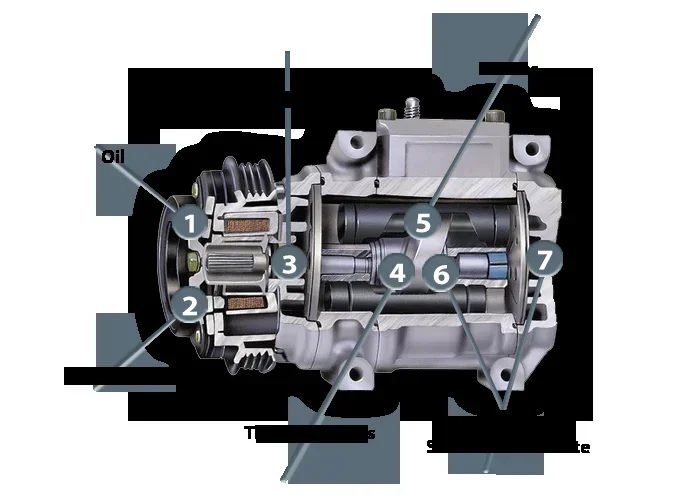
The AC compressor is the heart of your vehicle’s air conditioning system. It pumps refrigerant through the AC system to keep your cabin cool. But its job is not just about comfort. The compressor is driven by the engine through the serpentine belt. This means it is directly connected to how your engine runs every single day.
When you turn on your AC, the compressor clutch engages and the compressor starts working. It pressurizes the refrigerant and sends it to the AC condenser to release heat. This cycle repeats continuously while the AC is on. If any part of this process breaks down, the compressor has to work harder. That extra strain transfers directly back to the engine.
The Compressor Clutch and Engine Connection
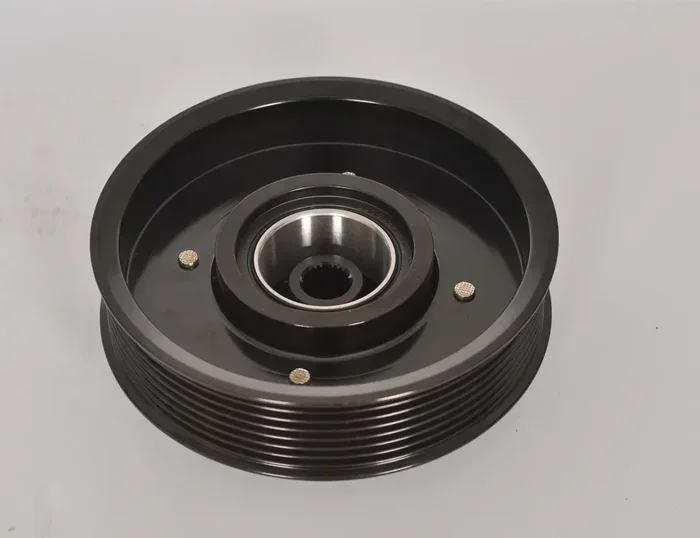
The compressor clutch is a small but important part. It connects and disconnects the compressor from the engine. When the clutch wears out or fails, it can cause the compressor to stay engaged all the time. This puts constant drag on the engine. Your engine has to work harder just to keep the compressor turning. Over time, this extra load can wear out engine components faster than normal.
Can a Broken AC Compressor Hurt Your Engine?
The short answer is yes. A broken AC compressor can absolutely damage your car engine. But how exactly does this happen? Let us break it down into the most common scenarios. Each one shows how a simple AC malfunction can turn into a major engine problem.
Seized Compressor and Belt Failure
One of the most dangerous things that can happen is a compressor seizure. When the compressor seizes, it stops turning freely. The serpentine belt that drives it then has to deal with a locked component. This can cause the belt to snap or break completely. When the serpentine belt goes, it does not just stop the AC. It also stops your power steering pump, water pump, and alternator. Losing all of these at once while driving is extremely dangerous.
A snapped belt can also cause the engine to overheat very quickly. Without the water pump turning, coolant does not circulate. Within minutes, your engine temperature can spike to dangerous levels. This is how a broken AC compressor leads to serious engine damage.
Increased Engine Load and Fuel Consumption
Even if the compressor does not fully seize, a damaged compressor creates extra drag on the engine. The engine has to burn more fuel to overcome this resistance. You might notice your fuel economy dropping without any obvious reason. This added strain also means your engine parts wear out faster. Bearings, gaskets, and seals all feel the extra pressure over time.
Refrigerant Leaks and Contamination
A refrigerant leak from a failing compressor can cause problems too. When refrigerant levels drop, the compressor has to work even harder to cool the system. This creates a vicious cycle of more damage. In worse cases, metal shavings from a worn compressor can contaminate the entire AC system. These particles can clog lines and damage other components. The contamination can also leak into areas near the engine and cause additional issues.
Warning Signs of a Failing AC Compressor
The best way to protect your engine is to catch AC compressor failure early. Most cars give you clear warning signs long before the compressor completely breaks down. Knowing these signs can save you from engine damage and expensive repairs.
Strange Noises From the AC Unit
Listen carefully when you turn on your AC. A healthy compressor makes a smooth, quiet humming sound. If you hear grinding, squealing, or clunking, something is wrong. Grinding noises often mean the compressor bearing is worn out. Clunking could mean the internal components are breaking apart. Do not ignore these sounds. They are your car telling you something is seriously wrong.
Weak or Warm Air From the Vents
If your AC starts blowing warm air or the airflow feels weak, the compressor might not be working properly. This could be a sign of low refrigerant, a failing clutch, or internal compressor damage. While weak AC air does not always mean engine trouble, it is a signal that you should get the system checked soon.
Visible Leaks Under the Car
Check under your car regularly. Oil spots or refrigerant leaks near the compressor area are red flags. A refrigerant leak means the system is losing pressure. The compressor will struggle and eventually fail. Oil leaks are also dangerous because the compressor needs oil to lubricate its internal parts. Without enough oil, the compressor will grind itself to pieces.
AC Compressor Clutch Not Engaging
Watch the compressor clutch when you turn on the AC. If the clutch does not engage, the compressor is not working at all. This could be an electrical issue, but it could also mean the compressor is seized internally. Either way, a clutch that will not engage means your AC system is dead and the engine is carrying unnecessary drag from a stuck compressor.
Dashboard Warning Lights
Some modern vehicles have sensors that detect AC system problems. If you see a warning light on your dashboard, do not ignore it. These lights often come on when the engine is under extra stress from a failing compressor. Check your owner’s manual to understand what each light means.
What Happens When the Compressor Seizes Up
A seized AC compressor is one of the worst things that can happen to your engine. Let us look at exactly what goes wrong and why it matters so much for your vehicle’s health.
The Chain Reaction of a Seized Compressor
When the compressor seizes, the drive belt immediately feels the resistance. The belt starts to slip and overheat. Within seconds, the belt can crack or snap entirely. Here is what happens next:
- Power steering fails — your steering wheel becomes very hard to turn.
- The water pump stops — coolant stops flowing and the engine begins to overheat.
- The alternator stops charging — your battery drains and electrical systems go dark.
- The engine stalls — in severe cases, the engine shuts off completely while driving.
This chain reaction shows why a broken AC compressor is not just an AC problem. It is an engine safety issue. Driving with a seized compressor can cause catastrophic engine damage in a matter of minutes.
Internal Engine Damage From a Seized Compressor
If the serpentine belt snaps while driving, the sudden jolt can damage other engine components. The belt can whip around and crack plastic covers, damage wiring, or even wrap around other rotating parts. In some cases, the sudden load change can bend the AC pulley or crack the engine mount. All of these repairs add up quickly and can easily exceed the cost of replacing the compressor in the first place.
How to Prevent AC Compressor Damage
The good news is that preventing AC compressor failure is much easier than fixing the damage it causes. Regular car maintenance and simple habits can keep your compressor and engine healthy for years.
Run Your AC Regularly
One of the best things you can do is run your AC regularly, even in winter. This keeps the compressor lubricated and the seals flexible. When a car sits unused for months, the refrigerant and oil inside the compressor can settle and dry out. This leads to premature wear and eventual failure. Running the AC for at least 10 minutes every week keeps everything in good condition.
Get Regular AC System Inspections
Include your AC system in your regular car maintenance schedule. A mechanic can check refrigerant levels, inspect the compressor clutch, and look for early signs of wear. Catching a small problem early means you can fix the compressor before it damages the engine. Most inspections are quick and affordable compared to the cost of engine repairs.
Replace the Serpentine Belt on Schedule
The serpentine belt is the lifeline between your compressor and your engine. A worn or cracked belt can snap unexpectedly and cause all the problems we discussed above. Check your belt regularly and replace it according to your vehicle’s maintenance schedule. Most belts need replacement every 50,000 to 70,000 miles, but check your owner’s manual for the exact recommendation.
Address Refrigerant Leaks Immediately
If you notice any signs of a refrigerant leak, get it fixed right away. Low refrigerant causes the compressor to work harder and overheat. Over time, this extra stress leads to premature compressor failure. A small leak repair is much cheaper than replacing the entire compressor or, worse, repairing engine damage.
Keep the AC Condenser Clean
The AC condenser sits in front of the radiator and can get clogged with dirt, bugs, and debris. A clogged condenser reduces airflow and makes the entire AC system work harder. This extra workload puts stress on the compressor. Simply rinsing the condenser with water during car washes can prevent this problem.
Repair Costs and When to Seek Help
Understanding the cost of repairs helps you make smart decisions about your vehicle. The price of fixing a broken AC compressor varies widely depending on the damage and your vehicle model.
Average AC Compressor Replacement Cost
Replacing an AC compressor typically costs between $500 and $1,000 for parts and labor. This is a significant expense, but it is far less than the cost of repairing engine damage caused by a seized compressor. If the serpentine belt, water pump, or other components were damaged, the total repair bill can climb to $2,000 or more.
When to Consider a Home Generator for Backup Power
If your car is in the shop for an extended period, you might need alternative power solutions for your home. In situations like this, a portable generator can keep essential appliances running while you wait for repairs. If you are considering a backup power option, it is worth understanding how much fuel a generator uses and how long it can run. You can learn more about how much gas a generator uses and how long a generator can run to plan accordingly.
Signs You Need Immediate Professional Help
Do not wait if you notice any of these signs:
- Loud grinding or squealing coming from the compressor area.
- AC blows only warm air no matter how long you run it.
- Visible oil or refrigerant leaks under the front of the car.
- The serpentine belt has snapped and you notice other engine problems.
- Engine temperature gauge rises when you turn on the AC.
These symptoms mean your AC compressor is failing and could be damaging your engine right now. Pull over safely and get your vehicle towed to a trusted mechanic. Continuing to drive with a failing compressor risks turning a repairable problem into an engine replacement.
Cost Comparison: Repair vs. Ignore
Let us look at this honestly. A compressor replacement costs a few hundred to a thousand dollars. Ignoring the problem can lead to engine damage that costs $3,000 to $5,000 or more. The choice is clear. Fixing the compressor early is always the smarter financial decision. Regular car maintenance is the best investment you can make to avoid these costly surprises.
Key Takeaways
- A seized AC compressor can lock up the serpentine belt and strain your engine.
- Ignoring compressor warning signs often leads to costly engine repairs.
- Regular car maintenance can prevent AC compressor failure before it starts.
- Low refrigerant levels are one of the most common causes of compressor damage.
- Replacing a failed compressor early saves thousands compared to engine replacement.
- Driving with a broken AC compressor is risky and should be avoided.
Conclusion
The answer to whether a broken AC compressor can damage your car engine is a clear and definitive yes. From belt failure to engine overheating, a failing compressor creates problems that go well beyond your cabin comfort. The serpentine belt, engine performance, and overall vehicle reliability all depend on a healthy compressor.
The best thing you can do is stay alert to the warning signs. Unusual noises, weak airflow, visible leaks, and dashboard lights are all signals that something is wrong. Addressing these issues quickly with proper car maintenance can save you from devastating engine damage. Do not wait until a small compressor problem becomes a major engine failure.
Your car depends on every component working together. The AC compressor is one of the most connected parts in your vehicle. Take care of it, and it will take care of your engine. Start paying attention to your AC system today, and your wallet will thank you tomorrow.
Frequently Asked Questions
Can I drive my car with a broken AC compressor?
It is not recommended. A broken compressor can cause the serpentine belt to snap, which disables your power steering, water pump, and alternator. If you must drive, keep the AC off and get to a mechanic as soon as possible. Driving long distances with a failed compressor risks severe engine damage.
How much does it cost to replace an AC compressor?
Most compressor replacements cost between $500 and $1,000 including parts and labor. However, if the compressor has damaged the serpentine belt or caused other engine problems, the total cost can rise significantly. Getting the compressor replaced early is always the cheaper option.
What causes an AC compressor to fail?
The most common causes are low refrigerant levels, worn compressor bearings, a failing compressor clutch, and lack of regular maintenance. Refrigerant leaks are especially damaging because they force the compressor to work harder with less lubrication. Over time, this leads to overheating and eventual seizure.
Can a broken AC compressor cause engine overheating?
Yes, absolutely. When a compressor seizes, it can snap the serpentine belt. Without the belt, the water pump stops turning and coolant stops circulating. This causes the engine to overheat very quickly. Engine overheating from a seized compressor can cause warped heads, blown gaskets, and cracked blocks.
How do I know if my AC compressor clutch is bad?
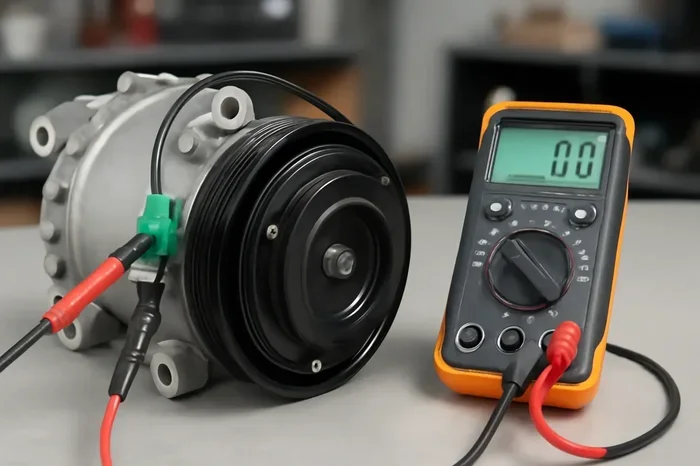
Signs of a bad compressor clutch include the AC not turning on, unusual clicking noises, and the clutch not engaging when you switch on the AC. You may also notice the clutch spinning freely even when the AC is off. A mechanic can test the clutch with a multimeter to confirm the diagnosis.
Is AC compressor failure covered by car warranty?
It depends on your warranty and the cause of failure. Some powertrain warranties cover the compressor if the failure is due to a manufacturing defect. However, wear and tear from lack of maintenance is usually not covered. Check your warranty terms carefully and keep up with regular service to maximize your coverage.