How Long Does a Compressor Last and When to Replace It
Most compressors last between 10 and 15 years with proper care, but the exact compressor lifespan depends on usage, maintenance, and type. Knowing the signs of wear early can save you from unexpected breakdowns and costly replacements. This guide covers everything you need to know about compressor longevity and replacement timing.
You rely on your compressor for so many tasks. It powers your nail gun, fills tires, and runs your air tools without missing a beat. But like any machine, it does not last forever. So, how long does a compressor last, and when should you start thinking about a replacement?
The answer is not as simple as one number. A compressor’s lifespan depends on several factors, including the type of unit, how often you use it, and how well you maintain it. Some compressors give you 15 solid years. Others fail after just five. Understanding what drives compressor longevity helps you get the most value from your investment.
In this guide, we will walk through everything you need to know. We will cover average lifespans, warning signs of wear, maintenance tips, and the cost of replacement. By the end, you will know exactly what to expect from your compressor and when it is time to say goodbye.
Key Takeaways
- Average Lifespan: A well-maintained compressor typically lasts 10 to 15 years, though this varies by type and usage.
- Maintenance Matters: Regular oil changes, filter cleaning, and tank inspections can significantly extend compressor life.
- Watch for Warning Signs: Reduced pressure, unusual noises, and oil leaks are clear signals that replacement may be near.
- Type Affects Longevity: Rotary screw compressors often outlast piston models, while portable units have shorter lifespans.
- Repair vs. Replace: When repair costs exceed 50% of a new unit’s price, replacement is usually the smarter choice.
- Duty Cycle Is Critical: Compressors used continuously wear out faster than those with intermittent use patterns.
- Environment Plays a Role: Humidity, dust, and temperature extremes accelerate compressor wear and reduce lifespan.
📑 Table of Contents
- How Long Does a Compressor Last on Average?
- What Affects a Compressor’s Lifespan?
- Signs Your Compressor Is Wearing Out
- How to Extend Your Compressor’s Life
- Repair vs. Replace: Making the Right Decision
- Common Compressor Mistakes That Shorten Lifespan
- How Long Do Different Compressor Parts Last?
- When to Call a Professional
- Final Thoughts on Compressor Lifespan
How Long Does a Compressor Last on Average?
The average compressor lifespan ranges from 10 to 15 years. But that is just a general estimate. The real number depends on the compressor type, how you use it, and the environment it works in. Let us break this down by common compressor types.
Piston Compressors
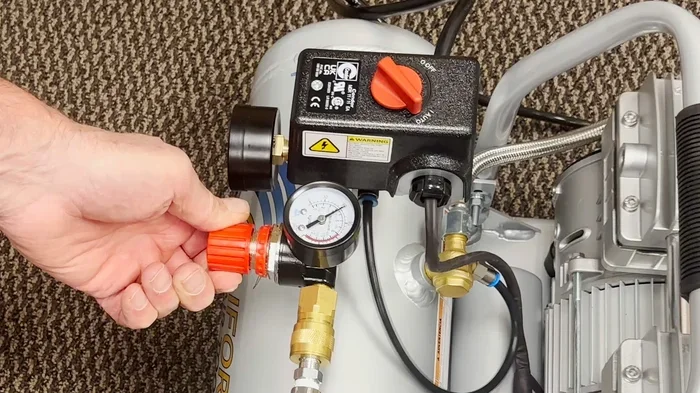
Piston compressors are the most common type found in home garages and small workshops. They are affordable and versatile. A piston compressor typically lasts between 8 and 12 years with regular maintenance. These units use pistons and cylinders to compress air, which creates more friction and wear over time. The moving parts simply experience more stress than other designs.
Rotary Screw Compressors
Rotary screw compressors are built for heavy-duty and continuous use. You will often find them in industrial settings and large workshops. These units can last 15 to 20 years or even longer. The design uses two rotating screws instead of pistons, which means less friction and less wear. If you need a long-lasting workhorse, a rotary screw model is hard to beat.
Portable and Small Compressors
Small portable compressors, like the ones you use for inflating tires or running a brad nailer, have a shorter life. These units typically last 5 to 8 years. They are not built for heavy or continuous use. The smaller motors and tanks simply wear out faster. Think of them as the disposable tools of the compressor world.
Industrial-Grade Compressors
Large industrial compressors are built to run all day, every day. With proper care, these machines can last 20 years or more. The key difference is the quality of components. Industrial units use heavier-duty materials, better bearings, and more robust motors. They cost more upfront but deliver superior compressor longevity over time.
What Affects a Compressor’s Lifespan?
Not all compressors age at the same rate. Several factors determine how long your specific unit will keep running. Understanding these factors helps you make smarter decisions about usage and maintenance.
Usage Hours and Duty Cycle
The number of hours you run your compressor matters a lot. A compressor used for two hours a week will last much longer than one running eight hours a day. This is called the duty cycle. Units with a high duty cycle experience more wear on the motor, pump, and tank. If you use your compressor heavily, expect a shorter lifespan.
Here is a simple way to think about it. Compare it to a car. A car driven 5,000 miles a year lasts longer than one driven 30,000 miles a year. The same logic applies to compressors. More running hours mean more wear and a shorter compressor life.
Maintenance Habits
Regular maintenance is the single biggest factor in how long your compressor lasts. A well-maintained unit can run for decades. A neglected one may fail within a few years. Here are the key maintenance tasks that extend compressor life:
- Drain the tank after every use to remove moisture and prevent rust.
- Change the oil every 500 to 1,000 operating hours, depending on the model.
- Clean or replace air filters regularly to prevent dust from entering the pump.
- Inspect hoses and fittings for leaks or cracks before each use.
- Check the belt on belt-driven models for wear and proper tension.
- Lubricate moving parts as recommended by the manufacturer.
Environmental Conditions
Where you use and store your compressor plays a big role in its lifespan. Compressors in dusty, humid, or extreme temperature environments wear out faster. Dust gets into the pump and causes abrasive damage. Humidity leads to tank rust and corrosion. Extreme heat stresses the motor and degrades seals faster.
If you work in a harsh environment, you need to be extra diligent with maintenance. Consider using a moisture trap and keeping the unit covered when not in use. These simple steps can add years to your air compressor lifespan.
Quality of the Unit
You get what you pay for. A cheap, budget compressor may save you money upfront but will likely need replacement sooner. Higher-quality units use better materials, tighter tolerances, and more durable components. They cost more but deliver better compressor durability and fewer repair headaches over the years.
Signs Your Compressor Is Wearing Out
Knowing the warning signs of a failing compressor helps you avoid unexpected breakdowns. Catching these signals early gives you time to plan for repair or replacement. Here are the most common signs that your compressor is reaching the end of its life.
Loss of Pressure or Power
If your compressor takes longer to build pressure or cannot reach its normal PSI, something is wrong. This is often a sign of worn piston rings, leaking valves, or a failing motor. A gradual loss of pressure is one of the earliest indicators of internal wear. Do not ignore it. Address the issue quickly to prevent further damage.
Unusual Noises
A healthy compressor runs relatively smoothly. You will hear the motor and the pump working, but nothing should sound grinding, knocking, or rattling. Strange noises usually mean worn bearings, loose parts, or internal damage. If you hear anything unusual, turn the machine off and inspect it right away.
Oil Leaks
Oil leaks are a common problem as compressors age. Seals and gaskets dry out and crack over time. Small leaks may seem minor, but they lead to oil loss, which causes increased friction and heat. This creates a cycle of damage that shortens your compressor replacement timeline. If you notice oil pooling under the unit, it is time to take action.
Rust or Corrosion on the Tank
The air tank is one of the most vulnerable parts of any compressor. Moisture inside the tank causes rust from the inside out. You may not notice external rust until the tank is seriously compromised. A rusted tank is a safety hazard. It can crack under pressure and cause serious injury. If you see significant rust, do not wait to replace the unit.
Frequent Repairs
Occasional repairs are normal. But if you are calling a technician every few months, the compressor is telling you something. Repeated breakdowns often mean the core components are wearing out. At this point, repair costs add up quickly and it makes more sense to invest in a new machine.
How to Extend Your Compressor’s Life
The good news is that you have a lot of control over how long your compressor lasts. Simple habits and consistent care can add years to its life. Here are the best ways to get the most out of your unit.
Follow the Manufacturer’s Maintenance Schedule
Every compressor comes with a recommended maintenance schedule. This is not just a suggestion. It is a roadmap to keeping your machine running smoothly. Follow the oil change intervals, filter replacement dates, and inspection guidelines. Staying on top of these tasks prevents small problems from becoming big ones.
Keep It Clean
Dust and debris are the enemies of any mechanical device. Wipe down your compressor after each use. Keep the air intake vents clear of dust and obstructions. A clean compressor runs cooler and experiences less wear on internal components.
Store It Properly
When you are not using your compressor, store it in a dry, clean space. Avoid garages with high humidity or workshops with excessive dust. If possible, cover the unit with a breathable cover. Proper storage prevents rust, corrosion, and premature aging of seals and gaskets.
Do Not Overwork It
Every compressor has a recommended duty cycle. Running it beyond those limits causes overheating and accelerates wear. If you need more air capacity, consider upgrading to a larger unit rather than pushing your current one past its limits. Respecting the duty cycle is one of the easiest ways to protect your investment.
Use the Right Oil and Filters
Not all compressor oils and filters are created equal. Use the type and grade recommended by the manufacturer. Cheap or wrong oil can break down faster and fail to lubricate properly. Quality filters trap more contaminants and keep dust out of the pump. These small investments pay off in extended compressor life.
Repair vs. Replace: Making the Right Decision
At some point, every compressor owner faces the repair versus replace question. A broken compressor does not always mean you need a new one. But sometimes, replacement is the smarter choice. Here is how to decide.
The 50% Rule
A common rule of thumb in equipment ownership is the 50% rule. If a repair costs more than 50% of the price of a new unit, replacement is usually the better option. This is especially true for older compressors. A new machine comes with a warranty, updated technology, and better energy efficiency. You get better performance and fewer headaches.
Age of the Unit
Consider the age of your compressor. If it is already 12 to 15 years old and needs a major repair, a new unit is often the smarter investment. Older machines are less energy-efficient and more likely to need additional repairs soon. The cost of repeated fixes adds up quickly.
When Repair Makes Sense
Small repairs on younger units are usually worth it. Replacing a hose, fixing a fitting, or swapping out a filter are minor costs. These repairs can keep a good compressor running for years. The key is to evaluate the repair cost against the age and overall condition of the machine.
Cost of a New Compressor
New compressors range widely in price. A small portable unit might cost $150 to $400. A mid-range home workshop compressor runs $400 to $1,000. Industrial-grade units can cost $2,000 or more. When shopping for a replacement, consider the total cost of ownership, including energy use and maintenance. A slightly more expensive unit that lasts longer often saves money in the long run.
For comparison, the lifespan and cost considerations of power equipment are similar across categories. Just as you would research how long a Generac generator lasts before making a purchase decision, the same careful evaluation applies to compressors. Both types of equipment require ongoing maintenance and eventually need replacement.
Common Compressor Mistakes That Shorten Lifespan
Many compressor owners unknowingly shorten the life of their machines. Avoiding these common mistakes can add years to your compressor’s life.
- Skipping oil changes: Old oil loses its lubricating properties. This increases friction and wear on internal parts.
- Ignoring moisture buildup: Failing to drain the tank regularly leads to rust and corrosion from the inside.
- Running beyond the duty cycle: Overworking the motor causes overheating and premature failure.
- Using wrong fittings: Incompatible fittings can cause air leaks and put extra strain on the motor.
- Neglecting air filter changes: Dirty filters let dust into the pump, causing abrasive damage over time.
- Storing in damp areas: Humidity accelerates rust and deteriorates seals and hoses faster.
These mistakes are easy to avoid. A little attention to detail goes a long way in protecting your compressor and maximizing its lifespan.
How Long Do Different Compressor Parts Last?
Not all parts of a compressor wear out at the same rate. Understanding individual component lifespans helps you plan for maintenance and replacements more effectively.
Air Filters
Air filters typically need replacement every 500 to 1,000 operating hours. In dusty environments, they may need changing more often. A clogged filter restricts airflow and forces the motor to work harder.
Oil and Oil Filters
Oil should be changed every 500 to 1,000 hours for most models. Oil filters should be replaced at the same interval. Clean oil keeps the pump running smoothly and prevents premature wear.
Hoses and Fittings
Hoses typically last 3 to 5 years depending on usage and storage conditions. Fittings can last the life of the machine if handled carefully. Inspect hoses regularly for cracks, bulges, or leaks.
Tank
A well-maintained tank can last 15 years or more. The biggest threat is internal moisture. Regular draining and occasional tank inspections keep the tank in good shape for a long time.
Motor and Pump
The motor and pump are the heart of the compressor. With proper care, they can last 10 to 15 years. However, continuous heavy use or poor maintenance can shorten their life significantly.
When to Call a Professional
Some compressor issues are beyond a DIY fix. If you notice any of the following, it is time to call a professional technician:
- The motor refuses to start or keeps tripping circuit breakers.
- You hear grinding or metal-on-metal sounds from the pump.
- There is a significant drop in pressure that basic maintenance does not fix.
- The tank shows visible cracks or severe rust damage.
- Oil is leaking from multiple points on the unit.
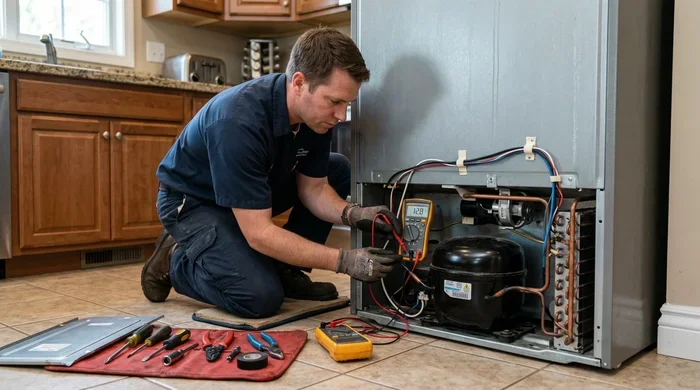
A professional can diagnose issues you might miss and help you decide whether repair or replacement makes the most sense. Regular professional inspections, ideally once a year, can catch problems early and keep your compressor running at peak performance.
Final Thoughts on Compressor Lifespan
So, how long does a compressor last? The answer is in your hands. With the right type of unit, consistent maintenance, and smart usage habits, you can expect 10 to 20 years of reliable service. Neglect it, and you might be shopping for a replacement in half that time.
The key takeaway is simple. Treat your compressor well, and it will treat you well in return. Stay on top of oil changes, drain the tank regularly, and pay attention to warning signs. These small habits make a huge difference over the life of your machine.
When the time comes to replace your compressor, take the time to choose the right unit for your needs. Consider the type of work you do, how often you use the compressor, and your budget. A thoughtful purchase decision today saves you money and frustration for years to come.
Just as you would research how much gas a generator uses before buying one, take the time to understand your compressor’s fuel and energy needs. And when comparing options, think about how long a generator can run as a benchmark for continuous equipment performance. These comparisons help you make informed decisions across all your power equipment.
Your compressor is an investment. Protect it, maintain it, and it will serve you well for many years to come.
Frequently Asked Questions
How many hours does a compressor typically last?
A typical compressor lasts between 10,000 and 20,000 operating hours depending on the type and maintenance. A piston compressor used in a home garage might reach 10,000 hours, while an industrial rotary screw unit can go well beyond 20,000 hours. Regular maintenance and proper usage significantly extend these numbers.
Can a compressor last 20 years?
Yes, a high-quality compressor can last 20 years or more with excellent maintenance. Industrial-grade rotary screw compressors are especially known for their long lifespan. However, portable and small piston compressors typically last 5 to 10 years even with good care.
How do I know if my compressor needs replacement?
Signs that your compressor needs replacement include frequent repairs, loss of pressure, unusual noises, oil leaks, and visible tank rust. If repair costs exceed 50% of a new unit’s price, replacement is usually the smarter choice. Also, consider the age of the unit, as older machines become less efficient over time.
Does compressor usage frequency affect lifespan?
Yes, usage frequency is one of the biggest factors in compressor lifespan. A compressor used daily for heavy work will wear out much faster than one used occasionally for light tasks. The duty cycle and total operating hours directly impact how long the motor, pump, and tank last.
What is the most common reason compressors fail early?
The most common reason is poor maintenance. Skipping oil changes, neglecting to drain the tank, and ignoring air filter replacements cause cumulative damage over time. Moisture buildup leading to tank rust and dust entering the pump are the two most damaging neglect issues for compressors.
Is it worth repairing an old compressor?
It depends on the age, repair cost, and overall condition. If the compressor is less than 8 years old and the repair is minor, fixing it makes sense. For older units with major issues, replacement is usually more cost-effective. Newer models are also more energy-efficient, which saves money on operating costs over time.