How to Reset Your Whirlpool Refrigerator Compressor Fast
A Whirlpool refrigerator compressor reset is a simple fix you can do at home in just a few minutes. This guide walks you through the exact steps to restart your compressor safely and get your fridge cooling again. You will learn the warning signs, the tools you need, and the common mistakes to avoid during the process.
Your Whirlpool refrigerator compressor is the heart of the cooling system. When it stops working, your food spoils fast, and the whole household feels the stress. The good news is that a Whirlpool refrigerator compressor reset can often bring everything back to life in just a few minutes.
You do not need to be a repair expert to do this. Most homeowners can handle a fridge compressor reset with just a few simple tools and a little patience. This guide gives you every step you need, from spotting the warning signs to preventing future problems. By the end, you will feel confident tackling this fix on your own.
Let us get your refrigerator running again. Whether your compressor is tripping, clicking, or not starting at all, the solutions below will help you figure out what to do next.
Key Takeaways
- Quick Fix: A compressor reset can often solve cooling issues without calling a technician.
- Simple Steps: The process involves unplugging the fridge, locating the compressor, and waiting for the system to reset.
- Safety First: Always unplug the refrigerator and give it time to defrost before attempting any reset.
- Know When to Call a Pro: Persistent clicking, overheating, or failure to cool after a reset means professional help is needed.
- Prevent Future Issues: Regular cleaning and proper ventilation can keep your compressor running smoothly for years.
- Power Matters: If you use a backup generator to power your fridge, make sure it is the right size to avoid compressor strain.
📑 Table of Contents
- Why Your Whirlpool Refrigerator Compressor Might Need a Reset
- Signs Your Whirlpool Compressor Needs Resetting
- Tools and Safety Precautions Before You Start
- Step-by-Step Guide to Reset Your Whirlpool Compressor
- Common Mistakes to Avoid When Resetting a Compressor
- When to Call a Professional Instead of Resetting
- Tips to Keep Your Whirlpool Compressor Healthy Long-Term
- Frequently Asked Questions
- Conclusion
Why Your Whirlpool Refrigerator Compressor Might Need a Reset
The compressor in your Whirlpool fridge works hard every single day. It pumps refrigerant through the coils to keep your food cold. Over time, the system can overload, overheat, or simply lock up. A reset gives the compressor a fresh start and clears any temporary errors in the system.
Common Causes of Compressor Failure
Several things can cause your compressor to stop working properly. Here are the most common reasons:
- Power Surges: Lightning strikes or electrical spikes can trip the compressor and cause it to shut down suddenly.
- Overheating: If the coils behind your fridge are dusty or the room is too hot, the compressor can overheat and shut off as a safety measure.
- Dirty Condenser Coils: Dust and grime build up on the coils, making the compressor work harder than it should.
- Old Age: Compressors wear out over time, especially if the fridge is more than 10 years old.
- Low Refrigerant: A leak can cause the compressor to struggle and eventually stop.
- Start Relay Issues: The relay that helps the compressor start can fail, causing a clicking sound or no response at all.
If your refrigerator compressor troubleshooting leads you to suspect a simple lockup, a reset is the first thing you should try. It costs nothing and takes only a few minutes.
Signs Your Whirlpool Compressor Needs Resetting
Not sure if your compressor actually needs a reset? Watch for these clear warning signs. Catching them early can save you from a full compressor replacement.
The Fridge Is Not Cooling
This is the most obvious sign. If your Whirlpool fridge is warm or barely cool inside, the compressor may have stopped running. Check the temperature settings first, but if they are correct and the fridge still will not cool, the compressor is likely the problem.
Clicking Sounds Without Starting
Do you hear a rapid clicking noise coming from the back of the fridge? That sound usually means the compressor is trying to start but cannot. The compressor start relay may be failing, or the compressor itself may have locked up. A reset can sometimes clear this issue.
Frequent On and Off Cycling
A healthy compressor runs steadily for long periods. If your fridge keeps turning on and off every few minutes, the compressor may be struggling. This short cycling puts extra stress on the motor and can lead to a full breakdown if not addressed.
Warm Coil Lines
Feel the copper lines running through the back of your fridge. If they are not cold or slightly cool to the touch, the compressor is not pumping refrigerant. This is a strong indicator that a reset or further inspection is needed.
Error Codes on the Display
Newer Whirlpool models display error codes on the control panel. Codes like PF, IF, or compressor-related alerts often point to a system that needs a hard reset. Check your user manual for the specific meaning of any codes you see.
Tools and Safety Precautions Before You Start
Before you begin the reset process, make sure you are prepared. Safety comes first when working with any electrical appliance.
What You Will Need
- A clean cloth or sponge
- A vacuum cleaner with a brush attachment
- A flashlight
- Your Whirlpool refrigerator user manual
- A clean, dry towel
You do not need any special tools for a basic compressor reset. The process is mostly about giving the system time to power down and restart on its own.
Safety Tips to Follow
- Always unplug the refrigerator before touching any internal components. Do not rely on just turning the thermostat off.
- Wait at least five minutes after unplugging. This gives the compressor time to cool down and release any stored electrical charge.
- Do not use water near electrical parts. Use a dry cloth to clean coils and vents.
- Keep pets and children away while you are working on the fridge.
- Wear rubber-soled shoes to reduce the risk of electrical shock.
If you use a backup generator to power your home during outages, make sure your refrigerator is connected to a surge protector. Power fluctuations from generators can stress the compressor and cause it to trip frequently.
Step-by-Step Guide to Reset Your Whirlpool Compressor
Now for the part you have been waiting for. Follow these steps carefully to reset your Whirlpool refrigerator compressor safely and effectively.
Step One: Unplug the Refrigerator
Go to the wall outlet and pull the plug. Do not just turn off the fridge using the control panel. You need to completely cut power to the compressor and all other components. This is the most important step in the entire reset process.
If your fridge is hardwired into the kitchen electrical system, turn off the corresponding circuit breaker instead. Make sure the power is completely off before moving to the next step.
Step Two: Remove Food and Shelves
Take all the food out of the fridge and freezer. Place it in coolers with ice packs to keep it safe. Remove the shelves, drawers, and any other removable parts. This gives you better access to the back panel and keeps your food from spoiling during the reset wait time.
Step Three: Locate the Compressor
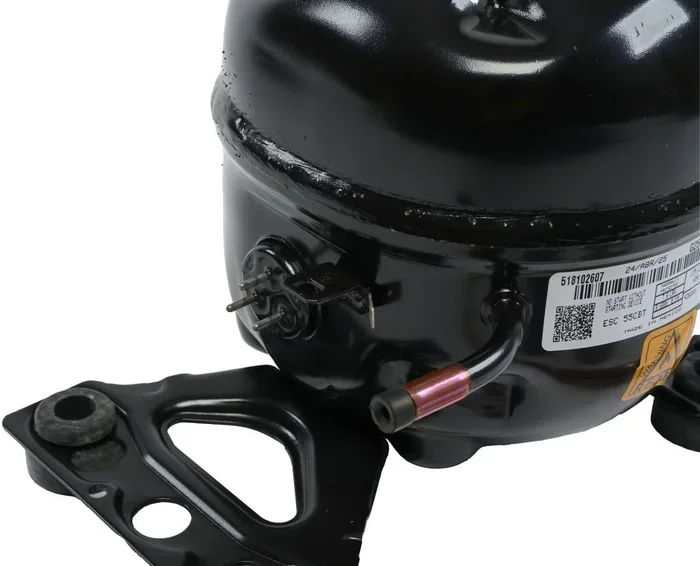
Move the fridge away from the wall carefully. Look at the back panel. The compressor is a large, black, box-shaped component located near the bottom of the fridge. You will see copper tubes and wires connected to it. The compressor itself will have a small plastic cover or relay box attached to it.
Do not touch the compressor directly yet. Just locate it so you know where everything is.
Step Four: Clean the Condenser Coils
While the fridge is pulled out, take this opportunity to clean the condenser coils. Use your vacuum cleaner with a brush attachment to remove dust, pet hair, and debris. Dirty coils make the compressor work harder and can cause overheating, which leads to shutdowns.
Wipe down the coils gently with a dry cloth. Do not use water or any cleaning solutions on the coils. Be careful not to bend or damage the delicate fins.
Step Five: Wait for at Least Five Minutes
This is the actual reset part. With the fridge unplugged and the doors open, wait for at least five minutes. Some experts recommend waiting up to ten minutes for a full system discharge. This allows the compressor capacitors to drain and the internal pressure to equalize.
During this time, you can inspect the compressor for any visible damage, such as burn marks, oil leaks, or loose wires. If you see any of these, stop and call a professional.
Step Six: Plug the Fridge Back In
After waiting the full five to ten minutes, plug the refrigerator back in. Push the fridge back against the wall carefully. Turn the thermostat to the recommended setting, which is usually around 37 degrees Fahrenheit for the fridge and 0 degrees for the freezer.
Listen carefully. You should hear the compressor start up within a few minutes. A soft humming sound is normal. If the compressor starts and runs smoothly, your reset was successful.
Step Seven: Monitor the Fridge for 24 Hours
Do not close the door and walk away just yet. Monitor the fridge for at least 24 hours. Check that the temperature drops steadily. Listen for any unusual sounds like grinding, clicking, or buzzing. If the compressor runs smoothly and the fridge cools properly, the reset worked.
For extra protection, consider using a whole-home generator with proper voltage regulation to protect your compressor from future power-related issues.
Common Mistakes to Avoid When Resetting a Compressor
Even a simple reset can go wrong if you are not careful. Here are the most common mistakes homeowners make when trying to reset their Whirlpool compressor.
Not Waiting Long Enough
Some people unplug the fridge for only one or two minutes and plug it right back in. The compressor needs time to fully discharge. Always wait at least five minutes, and longer if possible. Rushing this step is the number one reason resets fail.
Ignoring Dirty Coils
Cleaning the condenser coils is not just a bonus step. It is essential. If you reset the compressor but the coils are covered in dust, the same problem will return within days. Take the time to clean them properly before you restart the system.
Overloading the Fridge After Reset
After a reset, give your compressor some breathing room. Do not stuff the fridge full of warm food right away. Let it cool down empty for a few hours first. Adding too much warm food at once can overload the compressor and cause it to trip again.
Skipping the Thermostat Check
Sometimes the problem is not the compressor at all. The thermostat could be set too high or stuck in the off position. Always check the thermostat settings before and after the reset to make sure they are correct.
Forcing the Compressor to Start
If the compressor does not start after the reset, do not try to force it. Repeated failed start attempts can damage the motor windings. Give it a few more minutes, and if it still does not start, move on to troubleshooting or call a professional.
When to Call a Professional Instead of Resetting
A compressor reset fixes many common issues, but it is not a cure for everything. Know when to stop DIY troubleshooting and call in an expert.
Signs You Need Professional Help
- The compressor makes a loud grinding or banging noise after the reset.
- You see oil leaking around the compressor unit.
- The fridge still does not cool after a full 24-hour monitoring period.
- The compressor trips the circuit breaker immediately after plugging in.
- You smell burning or notice scorch marks on the compressor or wiring.
- The compressor clicks rapidly but never starts, even after multiple reset attempts.
If you notice any of these signs, stop trying to reset the compressor. Continuing to attempt resets on a damaged unit can make the problem worse and lead to a much more expensive repair. A licensed technician can diagnose whether the issue is with the compressor relay, the compressor capacitor, or the compressor motor itself.
Cost Considerations
A professional compressor repair or replacement can cost anywhere from 200 to 800 dollars depending on the model and the extent of the damage. However, if your fridge is more than 10 years old, it might make more sense to invest in a new unit. Before spending a lot of money on repairs, compare the cost of a new energy-efficient Whirlpool model against the repair price.
Tips to Keep Your Whirlpool Compressor Healthy Long-Term
Prevention is always better than repair. A few simple habits can extend the life of your compressor and reduce the need for future resets.
Clean the Coils Every Six Months
Set a reminder to clean your condenser coils twice a year. Use a vacuum or a coil brush to remove dust and debris. Clean coils let the compressor run efficiently and stay cool.
Keep the Fridge Well-Ventilated
Leave at least two inches of space between the back of the fridge and the wall. Good airflow around the condenser coils prevents overheating and reduces strain on the compressor. Do not place the fridge near the oven, dishwasher, or any other heat source.
Check the Door Seals Regularly
Worn door gaskets let cold air escape, which forces the compressor to run longer and harder. Inspect the seals every few months. If they feel loose or cracked, replace them. New gaskets are inexpensive and easy to install.
Do Not Block the Vents Inside
Make sure the cold air vents inside your fridge are not blocked by food containers or shelves. Proper airflow inside the fridge helps the compressor maintain a consistent temperature without overworking.
Use a Surge Protector
Electrical surges are one of the biggest enemies of compressors. Plug your fridge into a quality surge protector to shield it from power spikes. If you live in an area with frequent storms or unstable power, consider a home backup generator to provide stable power during outages.
Do Not Set the Temperature Too Low
Setting the thermostat colder than necessary makes the compressor run constantly. Keep the fridge at 37 to 40 degrees Fahrenheit and the freezer at 0 degrees. These settings keep your food safe without overworking the compressor.
Frequently Asked Questions
How long does it take to reset a Whirlpool refrigerator compressor?
The actual reset process takes about 15 to 20 minutes of hands-on work. However, you need to wait at least five minutes with the fridge unplugged for the system to fully discharge. After plugging it back in, give the compressor another 10 to 15 minutes to start up and begin cooling. Total time from start to finish is usually around 30 to 45 minutes.
Will resetting the compressor erase any settings on my Whirlpool fridge?
No, a compressor reset does not erase your fridge settings. The temperature controls, ice maker settings, and display preferences stay intact. However, some newer models may need a few minutes to recalibrate the internal sensors after a power cycle. This is completely normal and nothing to worry about.
What is the difference between a compressor reset and a hard reset?
A compressor reset specifically targets the cooling system by unplugging the fridge and letting the compressor rest. A hard reset usually involves pressing a combination of buttons on the control panel to reset the entire electronic system. Both can fix cooling issues, but a compressor reset is more focused on the mechanical part of the fridge.
Can a power outage damage my Whirlpool compressor?
Yes, power outages can damage a compressor, especially if there is a sudden surge when the power comes back. The sudden jolt of electricity can stress the motor windings and trip the overload protector. Using a surge protector or a Generac generator with automatic voltage regulation can help protect your compressor from power-related damage.
How do I know if my compressor is bad or just needs a reset?
If the compressor starts and runs smoothly after a reset, it was likely just locked up or tripped. If it clicks but never starts, makes grinding noises, or fails to cool even after a full reset, the compressor may be damaged. In that case, a professional diagnosis is the best next step to determine if repair or replacement is needed.
Is it safe to reset the compressor myself?
Yes, resetting the compressor is safe as long as you follow the basic safety precautions. Always unplug the fridge before you start, wait at least five minutes, and do not touch any electrical components with wet hands. If you are uncomfortable working with electrical appliances, it is perfectly fine to call a licensed technician instead.
Conclusion
Resetting your Whirlpool refrigerator compressor is one of the easiest and most effective fixes you can do at home. It saves you time, money, and the hassle of waiting for a repair technician. Most cooling problems caused by a locked-up compressor can be solved with a simple unplug-and-wait method that takes less than an hour.
Remember to check the warning signs first, follow each step carefully, and give your fridge time to recover after the reset. Clean the coils, inspect the components, and monitor the fridge for 24 hours to make sure everything is working properly. If the compressor still does not respond, do not hesitate to call a professional.
Taking care of your compressor with regular maintenance and smart power habits will keep your Whirlpool fridge running smoothly for many years to come. A little prevention goes a long way toward avoiding costly repairs and keeping your food fresh and safe.