Will a Bad Air Compressor Affect Your Car Engine Today
Yes, a bad air compressor can seriously affect your car engine. A failing AC compressor creates extra strain, causes overheating, and may lead to costly engine repairs. Ignoring compressor problems can reduce fuel efficiency and even stall your vehicle.
Key Takeaways
- A bad compressor puts extra load on your engine, causing it to work harder than it should.
- Common symptoms include strange noises, reduced cooling, and higher fuel consumption.
- Driving with a failed compressor can cause engine overheating and serious long-term damage.
- Replacing a compressor early saves money compared to fixing engine damage later.
- Regular maintenance helps prevent compressor failure and keeps your car running smoothly.
📑 Table of Contents
- Will a Bad Air Compressor Affect Your Car Engine Today?
- Signs Your Air Compressor Is Going Bad
- How a Bad Compressor Damages Your Engine
- Can You Still Drive With a Bad Air Compressor?
- Compressor Failure: Common Causes
- How to Prevent Compressor Problems and Protect Your Engine
- Compressor Repair vs Replacement: What Should You Do?
- How Long Can You Expect a Compressor to Last?
- What Happens If You Ignore a Bad Compressor?
- Final Thoughts
Will a Bad Air Compressor Affect Your Car Engine Today?
The short answer is yes. A bad air compressor can cause real harm to your car engine. Many drivers ignore AC compressor issues until it is too late. They assume it is just a comfort problem. But the truth is much more serious. Your air compressor is connected directly to the engine. When it fails, the engine feels it. Let us break down exactly how this happens and what you can do about it.
Think of your car like a team. Every part works together. When one part breaks, the others pick up the slack. A bad compressor makes your engine do extra work. Over time, this extra work adds up. It can lead to overheating, poor fuel economy, and even engine failure. This is not something you want to ignore. Read on to learn the warning signs and how to protect your vehicle.
How Does an Air Compressor Work in Your Car?
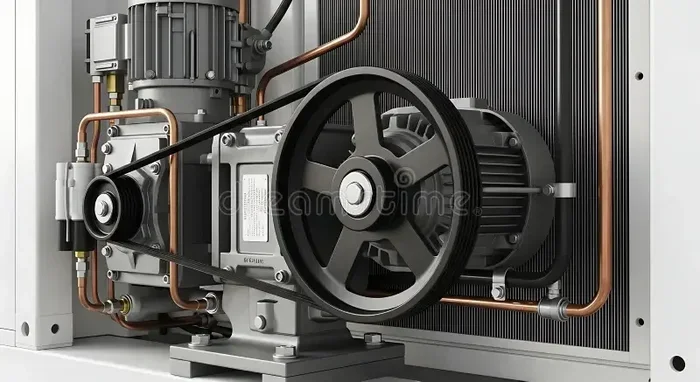
Before we dive into the damage, let us understand how the system works. Your car’s air compressor is part of the AC system. It pumps refrigerant through the system. This is what makes cold air blow into your cabin. The compressor is driven by a belt connected to the engine. So when the compressor runs, the engine runs too. They are linked together. This connection is the key to understanding why a bad compressor hurts the engine.
The compressor clutch engages and disengages the compressor. When the clutch goes bad, the compressor may stay locked on. This means the engine keeps working even when it does not need to. That extra strain adds up fast. It is like running with a heavy backpack all day long. Eventually, your body will feel it.
Signs Your Air Compressor Is Going Bad
You do not want to wait until the compressor completely fails. Catching problems early saves you money and protects your engine. Here are the most common signs to watch for.
Unusual Noises From the Engine Bay
One of the first signs is strange sounds. You might hear grinding, squealing, or clicking. These noises often come from the compressor clutch or bearing. A healthy compressor should run quietly. If you hear anything odd, do not ignore it. The sound means metal is rubbing against metal. This can damage the compressor and put extra load on the engine.
Weak or Warm Air From the Vents
If your AC blows warm air, the compressor might not be pumping refrigerant correctly. A failing compressor cannot maintain proper pressure. This causes the cooling system to work harder. And when the cooling system struggles, your engine temperature can rise. That is a bad combination for your car’s health.
AC Compressor Clutch Stuck On or Off
The compressor clutch controls when the compressor engages. If the clutch gets stuck, it causes big problems. A stuck-on clutch means the compressor runs all the time. This puts constant strain on the engine. A stuck-off clutch means the compressor never works. Either way, your engine suffers. You may notice rough idling or hesitation when the clutch malfunctions.
Fluid Leaks Around the Compressor
Your compressor uses refrigerant and oil to work properly. If you see oily spots or fluid leaks near the compressor, something is wrong. Low refrigerant levels cause the compressor to overheat. Overheating damages internal parts. And damaged parts create more strain on the engine. It is a cycle that gets worse over time.
How a Bad Compressor Damages Your Engine
Now let us get to the heart of the matter. How exactly does a bad compressor hurt your engine? There are several clear pathways.
Increased Engine Load
When the compressor is failing, it creates resistance. The engine has to work harder to turn the compressor pulley. This extra load reduces engine efficiency. You may notice your car feels sluggish. The engine uses more fuel to do the same work. Over time, this added stress wears down engine components faster. Think of it like pedaling a bike with a dragging brake. You will get tired much quicker.
Engine Overheating
A failing compressor can cause your engine to overheat. The AC system and engine cooling system share resources. When the AC system is stressed, it pulls heat away from the engine less effectively. A stuck compressor clutch makes this even worse. Your engine temperature gauge may start climbing. If you see it overheating, pull over safely. Continuing to drive can cause serious engine damage.
Belt and Pulley Problems
The compressor is connected to the engine by a serpentine belt. A bad compressor can cause the belt to wear out faster. It may even cause the belt to snap. A broken serpentine belt is an emergency. It stops the water pump, alternator, and other critical parts from working. This can leave you stranded and cause major engine damage. Protecting your compressor helps protect your belt too.
Increased Fuel Consumption
Have you noticed you are filling up more often? A bad compressor might be the reason. When the compressor struggles, the engine works harder. Harder work means more fuel burned. You could see a noticeable drop in miles per gallon. This adds up at the gas pump. If your fuel costs have gone up without a clear reason, check your compressor.
For more on how fuel consumption works in engines, you can check out How Much Gas Does A Generator Use to understand how mechanical load affects fuel burn.
Can You Still Drive With a Bad Air Compressor?
The short answer is yes, but you should not. You can drive short distances with a failed compressor. However, it is risky. Here is what happens when you keep driving with a bad compressor.
First, your engine works harder than it needs to. This causes extra wear on internal parts. Second, you lose AC cooling. In hot weather, this can make driving uncomfortable and even dangerous. Third, a seized compressor can lock up the belt. This can cause the engine to stall suddenly. And finally, continued driving with a bad compressor often leads to much more expensive repairs later.
If you must drive a short distance, turn off the AC system. This reduces the load on the compressor and engine. But do not make a habit of it. Get the compressor fixed as soon as possible. Think of it like driving with a flat tire. You can do it for a little while. But you will cause more damage the longer you wait.
Just like protecting your car from the elements, you also need to protect your engine components from wear. For tips on keeping equipment safe, check out Can A Generator Get Wet to learn about protecting mechanical systems from environmental damage.
Compressor Failure: Common Causes
Understanding why compressors fail helps you prevent it. Here are the most common causes of compressor failure.
Low Refrigerant Levels
Refrigerant is the lifeblood of your AC system. When levels drop, the compressor works harder to compensate. It overheats and wears out faster. Low refrigerant is often caused by leaks. Small leaks develop over time at seals and connections. If you notice your AC losing cooling power, get it checked. Catching a leak early can save your compressor and your engine.
Dirty or Clogged Condenser
The condenser helps release heat from the refrigerant. When it gets clogged with dirt or debris, the system cannot breathe properly. This causes pressure to build up. High pressure forces the compressor to work harder. Over time, this extra work damages the compressor. Keep your condenser clean to help your whole system run smoothly.
Electrical Problems
Your compressor relies on electrical signals to work. A bad relay, fuse, or wiring issue can cause the compressor to malfunction. Electrical problems can cause the clutch to engage and disengage randomly. This puts stress on both the compressor and the engine. If you have electrical issues, fix them quickly before they spread.
Old Age and Wear
Like all car parts, compressors have a lifespan. Most compressors last around 8 to 10 years or 100,000 to 150,000 miles. After that, parts wear out. Bearings get rough. Seals leak. The clutch weakens. Regular maintenance can extend the life of your compressor. But eventually, replacement becomes necessary.
How to Prevent Compressor Problems and Protect Your Engine
The good news is that you can take steps to prevent compressor failure. Regular care keeps both your compressor and engine healthy. Here is what you should do.
Get Regular AC System Inspections
Have a mechanic check your AC system at least once a year. They can check refrigerant levels, inspect for leaks, and test the compressor clutch. Catching small problems early prevents big repairs later. Think of it like going to the doctor for a checkup. Prevention is always better than cure.
Run Your AC in Winter
This might sound strange. But running your AC in winter keeps the system lubricated. The refrigerant and oil circulate through the compressor. This prevents seals from drying out. It also keeps the compressor clutch moving freely. A few minutes of AC use each month during winter can add years to your compressor life.
Replace the Serpentine Belt on Schedule
Your serpentine belt connects the compressor to the engine. A worn belt can slip or break. This damages the compressor and stresses the engine. Check your belt regularly and replace it when it shows signs of wear. A new belt is cheap compared to an engine repair.
Address Leaks Immediately
If you notice any refrigerant leaks, get them fixed right away. Running a compressor with low refrigerant causes internal damage. The longer you wait, the worse it gets. A small leak repair today can save you from a full compressor replacement tomorrow.
Compressor Repair vs Replacement: What Should You Do?
When your compressor fails, you have two main options: repair or replace. Which one is right for you depends on the damage.
When Repair Makes Sense
Small issues like a faulty clutch or a minor refrigerant leak can often be repaired. Clutch replacement is usually affordable. A refrigerant leak repair is also relatively cheap. If the compressor itself is still in good shape, these repairs can extend its life for years. Repair is a smart choice when the damage is minor and the compressor core is still healthy.
When Replacement Is the Better Option
If the compressor has seized internally, repair will not fix it. A seized compressor means the internal parts have broken down. Metal shavings may have spread through the AC system. In this case, full replacement is the only real option. The same goes for compressors with major cracks or severe bearing damage. Replacement costs more upfront, but it solves the problem completely. And it protects your engine from further damage.
For those wondering about costs and how long equipment lasts, you might find How Long Does A Generac Generator Last helpful for understanding the lifespan of mechanical components in general.
How Long Can You Expect a Compressor to Last?
The average car AC compressor lasts between 8 and 10 years. Some last longer with proper care. Your driving habits and climate play a big role. If you live in a hot climate, you use your AC more. This means more wear on the compressor. Stop-and-go city driving also puts more stress on the system than highway driving.
Regular maintenance is the biggest factor in compressor longevity. Keep your refrigerant levels topped off. Change your cabin air filter regularly. Listen for unusual sounds. Address small problems before they grow. A well-maintained compressor can easily last 150,000 miles or more.
Just as you would not ignore a problem with your engine, do not ignore compressor issues. The compressor and engine are connected. Taking care of one helps take care of the other.
What Happens If You Ignore a Bad Compressor?
Some drivers put off compressor repairs. They hope the problem goes away. It never does. Here is what can happen if you ignore a bad compressor.
- Complete compressor seizure: The compressor locks up and the belt breaks.
- Engine overheating: Without proper AC function, heat builds up in the engine bay.
- Engine stalling: A seized compressor can stall the engine while driving.
- Expensive repairs: Small problems become big, costly repairs fast.
- Safety risks: Loss of AC in extreme heat can be dangerous for you and your passengers.
Ignoring a bad compressor is like ignoring a check engine light. It might seem fine for a while. But the underlying problem keeps getting worse. Eventually, it catches up with you. And when it does, the repair bill will be much higher.
If you want to understand more about how engine components interact and affect performance, check out How To Wire A Generator To A Breaker Box for insights into how electrical connections impact overall system performance.
Final Thoughts
So, will a bad air compressor affect your car engine? The answer is a clear yes. A failing compressor creates extra strain, causes overheating, reduces fuel economy, and can lead to serious engine damage. The connection between your compressor and engine is real and important. Do not treat compressor problems as just an AC issue. They are an engine issue too.
Listen to your car. Pay attention to warning signs. Get regular maintenance. And when something sounds off, get it checked. A small repair today can save you thousands tomorrow. Your engine and your wallet will thank you.
Take care of your air compressor, and it will take care of your engine. That is the simple truth every car owner should remember.
Frequently Asked Questions
Can a bad AC compressor cause engine misfires?
Yes, it can. A bad compressor puts extra load on the engine. This added strain can cause the engine to misfire, especially at idle. The engine struggles to maintain smooth operation when the compressor is failing or seized.
How much does it cost to replace a car AC compressor?
The cost typically ranges from $500 to $1,000 for parts and labor. However, the price can vary depending on your car model and the extent of the damage. Getting a quote from a trusted mechanic is always a good first step.
Is it safe to drive with a broken AC compressor?
Short drives are generally safe, but it is not recommended. A broken compressor can cause the serpentine belt to fail or lead to engine overheating. Always get it repaired as soon as possible to avoid bigger problems.
What causes an AC compressor to fail prematurely?
The most common causes are low refrigerant, dirty condensers, electrical issues, and old age. Lack of regular maintenance also shortens compressor life. Keeping up with service appointments helps prevent premature failure.
Can a bad compressor affect the car’s battery?
Indirectly, yes. A failing compressor makes the engine work harder. This can put extra strain on the alternator, which charges the battery. Over time, this added stress can weaken the battery and reduce its lifespan.
How do I know if my compressor clutch is bad?
You may hear clicking or grinding noises. The AC might blow warm air even when it is set to cold. Sometimes the clutch gets stuck in one position. A mechanic can test the clutch with a multimeter to confirm the issue.