Everything You Should Know About Oil Flooded Air Compressor
An oil flooded air compressor uses oil as a lubricant and sealant inside the compression chamber, delivering smooth, reliable, and long-lasting performance. This guide covers how they work, key benefits, maintenance best practices, and how they stack up against oil free alternatives. Whether you are a shop owner or a DIY enthusiast, you will find practical advice to get the most from your oil flooded air compressor.
If you have ever walked into a factory or a busy auto shop and heard that deep, steady hum of a large compressor, chances are you were listening to an oil flooded air compressor. These machines are workhorses. They power pneumatic tools, run production lines, and keep operations moving day after day. But what exactly makes them different from other compressors, and why do so many professionals swear by them?
This guide breaks down everything you need to know. We will cover how they work, what makes them a great choice, how to maintain one, and when an oil free compressor might make more sense. By the end, you will feel confident choosing the right compressor for your needs.
Key Takeaways
- Durable and Long-Lasting: The oil lubrication system reduces wear, helping your compressor run smoothly for thousands of hours.
- Superior Cooling: Oil absorbs heat during compression, keeping operating temperatures low and preventing overheating.
- Consistent Performance: Oil flooded compressors deliver steady discharge pressure with minimal pulsation, even under heavy loads.
- Lower Maintenance Costs Over Time: While they require regular oil changes, their overall lifespan and reliability reduce long-term expenses.
- Best for Heavy-Duty Applications: From manufacturing floors to auto repair shops, oil flooded models excel in demanding environments.
- Know Your Compressor Type: Understanding the difference between oil flooded and oil free helps you make the right purchase decision.
📑 Table of Contents
- What Is an Oil Flooded Air Compressor?
- How Does an Oil Flooded Air Compressor Work?
- Benefits of Using an Oil Flooded Air Compressor
- Oil Flooded vs Oil Free Compressors
- Maintenance Tips for Oil Flooded Air Compressors
- Common Applications for Oil Flooded Compressors
- Common Mistakes to Avoid with Oil Flooded Compressors
- Expert Insights on Choosing the Right Oil Flooded Compressor
- Final Thoughts
What Is an Oil Flooded Air Compressor?
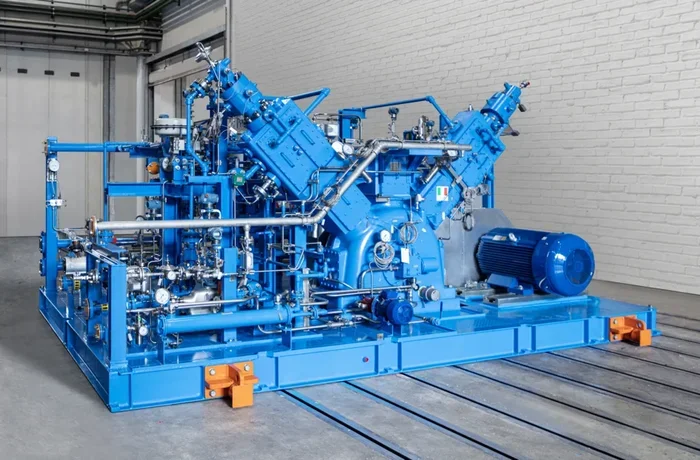
An oil flooded air compressor is a type of rotary compressor where oil fills the compression chamber. The oil serves multiple roles. It lubricates the moving parts, seals the gaps between rotors, and absorbs heat generated during the compression process. After compression, the air passes through an oil separator to remove most of the oil before the air exits the system.
This design has been around for decades. It is proven, reliable, and highly effective for continuous use. You will find oil flooded compressors in manufacturing plants, construction sites, dental offices, and woodworking shops. Their popularity comes from a simple fact: they just work well under tough conditions.
Key Components of an Oil Flooded Compressor
Understanding the main parts helps you appreciate how the system works as a whole. Here are the essential components:
- Rotors: The helical screws that compress the air. Oil coats these rotors to reduce friction.
- Oil Separator: Removes oil from the compressed air before it leaves the tank.
- Oil Filter: Keeps contaminants out of the lubrication system.
- Cooling System: Uses the oil and sometimes a fan or water jacket to manage heat.
- Drive Motor: Powers the rotors. Can be electric or gas-powered depending on the model.
- Air Tank: Stores compressed air for consistent delivery.
How Does an Oil Flooded Air Compressor Work?
The working principle is straightforward but clever. Air gets pulled into the compression chamber through an intake valve. As the rotors turn, the oil and air get trapped in the chambers between the rotor lobes. The volume of each chamber decreases as the rotors continue turning, which compresses the air.
Here is where the oil does its magic. It seals the tiny gaps between the rotors and the housing. This sealing action is critical because without it, compressed air would leak back and reduce efficiency. The oil also absorbs the heat generated by compression, keeping temperatures manageable.
Once the air reaches the desired pressure, it moves through the oil separator. The separator removes most of the oil from the air stream. A small amount of oil carryover is normal and acceptable for most applications. The clean, compressed air then flows to the tank or directly to your tools.
The entire cycle repeats continuously as long as the compressor runs. This steady process is one reason oil flooded compressors deliver such consistent discharge pressure and smooth operation.
The Role of Lubrication in Compressor Efficiency
Lubrication is not just about reducing wear. It directly impacts how efficiently your compressor runs. Fresh, clean oil creates a better seal between rotors, which means less wasted energy. Over time, oil breaks down and loses its lubricating properties. That is why regular oil changes matter so much for compressor maintenance.
Using the right compressor oil also makes a difference. Most manufacturers recommend a specific viscosity grade. Always check your owner’s manual before adding or changing oil. Using the wrong oil can lead to increased wear, poor sealing, and even compressor failure.
Benefits of Using an Oil Flooded Air Compressor
So why choose an oil flooded air compressor over other types? Let us look at the biggest advantages.
1. Longer Lifespan
Because oil continuously lubricates internal parts, there is less friction and wear. A well-maintained oil flooded compressor can run for tens of thousands of hours before needing major repairs. Compare that to many other compressor types, and the durability advantage becomes clear.
2. Better Heat Management
Compression generates a lot of heat. Oil absorbs this heat and carries it away from critical components. This keeps the operating temperature lower and prevents thermal damage. In hot environments or during long shifts, this cooling effect is a real game changer.
3. Lower Noise Levels
Oil reduces friction between moving parts, which means less vibration and noise. If you work in a space where noise matters, an oil flooded compressor will run quieter than many dry-running alternatives.
4. Higher Efficiency
The oil seal improves compression efficiency. More air gets compressed per rotation, which means you get more output for the same energy input. Over time, this efficiency saves money on electricity bills.
5. Consistent Performance Under Load
Oil flooded compressors handle variable loads well. Whether you are running one nail gun or multiple pneumatic tools at once, the system maintains steady discharge pressure. This reliability is why so many industrial operations depend on them.
Oil Flooded vs Oil Free Compressors
This is one of the most common debates in the compressor world. Both types have their place. Understanding the differences helps you choose the right one.
How Oil Free Compressors Work
An oil free compressor uses special coatings or Teflon rings to reduce friction without oil in the compression chamber. The air that comes out is cleaner, with zero oil carryover. This makes oil free models ideal for applications where air purity is critical, such as food processing or pharmaceutical manufacturing.
Head-to-Head Comparison
Let us compare the two side by side.
- Air Quality: Oil free wins for purity. Oil flooded compressors have trace oil carryover, which is fine for most industrial uses but not for sensitive applications.
- Durability: Oil flooded wins. The lubrication protects internal parts, extending the compressor’s life significantly.
- Maintenance: Oil free compressors require less maintenance since there is no oil to change. Oil flooded models need regular oil changes and filter replacements.
- Cost: Oil flooded compressors tend to cost less upfront and have lower long-term operating costs due to their longer lifespan.
- Efficiency: Oil flooded models are generally more efficient, especially under continuous heavy use.
For most workshops, construction sites, and manufacturing environments, an oil flooded air compressor is the smarter choice. The better efficiency and durability outweigh the minor oil carryover for the vast majority of users.
Maintenance Tips for Oil Flooded Air Compressors
Regular maintenance keeps your compressor running strong. Here is a practical guide to staying on top of things.
1. Change the Oil Regularly
This is the single most important maintenance task. Most manufacturers recommend changing the oil every 1,000 to 2,000 operating hours. Check your manual for the exact interval. Use only the oil grade recommended by the manufacturer. Dirty or degraded oil increases wear and reduces efficiency.
2. Replace the Oil Filter
A clogged oil filter restricts flow and contaminates the system. Replace the filter at the same time you change the oil. This simple step protects your compressor and keeps the lubrication system working properly.
3. Check the Oil Separator
The oil separator removes oil from the compressed air stream. Over time, it can become saturated and less effective. A failing separator leads to increased oil carryover, which can damage your tools and contaminate your work. Replace it according to the manufacturer’s schedule.
4. Monitor Operating Temperature
Keep an eye on your compressor’s temperature gauge. If the unit runs hotter than normal, check the oil level and quality first. Overheating can signal low oil, a clogged filter, or a failing cooling system. Catching these issues early prevents costly repairs.
5. Drain the Tank Regularly
Moisture collects in the air tank over time. Drain the tank after each use or at least daily during heavy operation. This prevents rust inside the tank and keeps your compressed air clean.
6. Inspect Hoses and Fittings
Leaks in hoses or fittings waste energy and reduce compressor efficiency. Walk around your system regularly and check for visible leaks. Tighten fittings and replace worn hoses promptly.
Quick Maintenance Checklist
- Check oil level daily before starting the compressor
- Change oil and filter every 1,000-2,000 hours
- Inspect the oil separator every 4,000 hours
- Drain the air tank after each use
- Check hoses and fittings weekly
- Clean the intake filter monthly
- Schedule a professional inspection annually
Following this checklist will keep your oil flooded air compressor running efficiently for years. Think of it like changing the oil in your car. A little effort now saves you from big problems later.
Common Applications for Oil Flooded Compressors
The versatility of oil flooded compressors makes them suitable for a wide range of applications. Here is where they shine.
Manufacturing and Industrial Settings
Factories rely on compressed air to power conveyor systems, pneumatic presses, and automation equipment. An oil flooded air compressor delivers the consistent pressure and continuous operation these environments demand. The cooling effect of the oil also handles the heat generated during long production runs.
Automotive Repair Shops
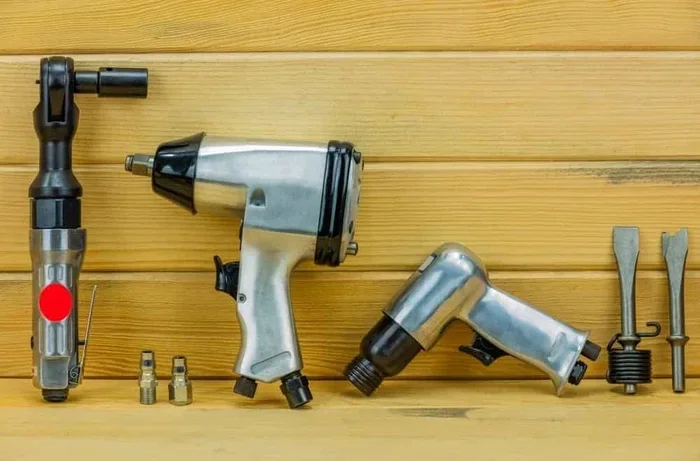
Auto shops use pneumatic impact wrenches, sandblasters, paint sprayers, and air lifts. All of these tools need a steady supply of compressed air. Oil flooded compressors provide the volume and pressure these tools require without breaking a sweat.
Construction Sites
On a construction site, you need portable power and reliable tools. Oil flooded compressors power jackhammers, nail guns, and spray foam equipment. Their durability handles the dust, vibration, and demands of a job site environment.
Woodworking and Carpentry
Woodshops use compressors for spray finishing, sanding, and running pneumatic saws. While oil carryover can be a concern for finishing work, proper maintenance and a good separator minimize this issue. Many woodworkers prefer the efficiency and lower noise of oil flooded models.
Powering Generators and Backup Systems
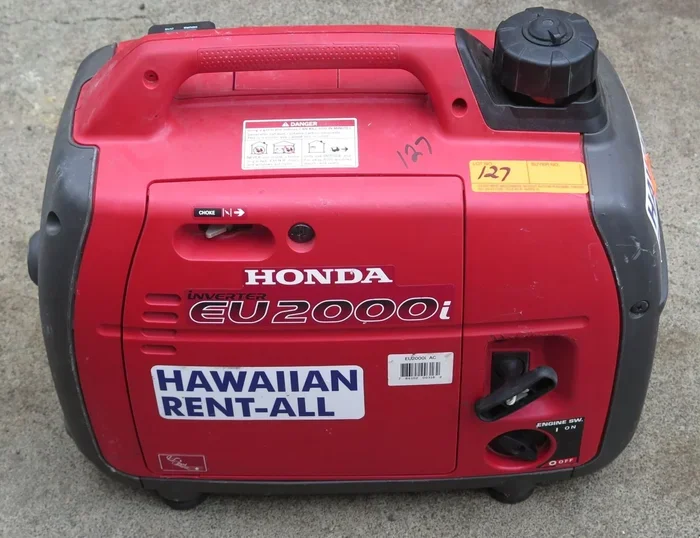
In some setups, compressors work alongside generators for backup power. For example, if you need to run a 30 amp RV air conditioner during a power outage, a properly sized generator paired with an air compressor system can keep things running smoothly. Understanding your power needs across all equipment helps you plan effectively.
Common Mistakes to Avoid with Oil Flooded Compressors
Even experienced users make mistakes. Here are some pitfalls to watch out for.
- Skipping Oil Changes: This is the number one killer of compressors. Old oil loses its lubricating ability and turns into sludge that clogs passages.
- Using the Wrong Oil: Not all oils are the same. Using the wrong viscosity or type can damage internal components and void your warranty.
- Ignoring Temperature Warnings: If your compressor is running hot, do not just turn it off and ignore it. Find the root cause before running it again.
- Neglecting the Air Filter: A dirty intake filter starves the compressor of air, reducing efficiency and causing the motor to work harder.
- Overfilling the Oil: Too much oil can cause carryover problems and even damage the separator. Always fill to the recommended level.
Avoiding these simple mistakes will extend the life of your compressor and keep it running at peak performance.
Expert Insights on Choosing the Right Oil Flooded Compressor
When shopping for an oil flooded air compressor, there are a few things to keep in mind.
First, match the compressor to your air demand. Look at the CFM (cubic feet per minute) requirements of your tools and add them up. Choose a compressor that exceeds your total demand by about 20 to 30 percent. This buffer ensures the compressor does not run constantly at full capacity, which reduces wear and extends its life.
Second, consider the duty cycle. A compressor with a 100 percent duty cycle can run continuously without overheating. This is ideal for industrial applications where downtime is not an option.
Third, think about noise. If you are working in a residential area or a shared workspace, look for models with sound-dampening enclosures. Oil flooded compressors already run quieter than many alternatives, but some models are specifically designed for low noise operation.
Finally, factor in the total cost of ownership. An oil flooded compressor might cost more upfront than an oil free model, but its longer lifespan and lower energy costs usually make it the better investment over time.
Final Thoughts
The oil flooded air compressor remains one of the most reliable and efficient choices for compressed air needs. From factories to workshops, these machines deliver consistent performance, excellent cooling, and long service life. With proper maintenance and the right oil, your compressor will serve you well for many years.
Take the time to understand your specific needs. Choose the right size, stick to a maintenance schedule, and always use quality oil and filters. Your compressor will reward you with years of dependable service. Whether you are upgrading an existing system or buying your first unit, an oil flooded model is a smart investment that pays off.
Frequently Asked Questions
What is the main difference between an oil flooded and an oil free air compressor?
An oil flooded air compressor uses oil inside the compression chamber to lubricate, seal, and cool the system. An oil free compressor uses special coatings or Teflon rings instead, so no oil touches the compression chamber. Oil free models produce cleaner air but typically have a shorter lifespan.
How often should I change the oil in my oil flooded compressor?
Most manufacturers recommend changing the oil every 1,000 to 2,000 operating hours. However, if you operate in dusty or high-temperature environments, you may need to change it more frequently. Always check your owner’s manual for the specific recommendation.
Can I use an oil flooded compressor for painting?
Yes, but you need a high-quality oil separator to minimize oil carryover. Oil residue can affect paint finish quality. Many professionals use an additional air dryer or inline filter after the compressor to ensure clean, dry air for painting applications.
Are oil flooded compressors louder than oil free models?
Generally, no. Oil flooded compressors tend to run quieter because the oil reduces friction and vibration between moving parts. However, noise levels vary by model, so always check the decibel rating before purchasing.
What type of oil should I use in my oil flooded compressor?
Always use the compressor oil grade recommended by the manufacturer. Most oil flooded compressors require a specific viscosity, often ISO 46 or ISO 68. Using the wrong oil can reduce efficiency and cause premature wear.
Is an oil flooded compressor right for a small home workshop?
Absolutely. Smaller oil flooded models are available that fit well in home workshops. They offer excellent durability and consistent performance for tools like impact wrenches, nail guns, and sanders. Just be sure to factor in regular maintenance, including oil changes and filter replacements.
=== CONCLUSION ===
The oil flooded air compressor is a proven, reliable, and efficient choice for anyone who needs steady compressed air. Whether you run a busy shop or work on projects at home, understanding how these compressors work and how to maintain them makes all the difference. Keep up with oil changes, monitor your temperatures, and choose the right model for your needs. With the right care, your oil flooded compressor will deliver powerful performance for years to come.