Screw Compressor Parts Guide Everything You Need to Know
This guide covers everything you need to know about screw compressor parts, from the core components inside the air end to maintenance tips and replacement advice. You will learn how each part works, which ones wear out fastest, and how to keep your rotary screw compressor running smoothly for years to come.
If you own or operate a rotary screw compressor, you already know how vital it is to your daily operations. These machines power factories, workshops, and construction sites around the world. But like any complex piece of equipment, they depend on many individual screw compressor parts working together seamlessly. When one part fails, the whole compressed air system can grind to a halt.
This guide breaks down everything you need to know about screw compressor parts. We will walk you through the main components, how they function, which ones need regular attention, and how to choose the right replacements. Whether you are a facility manager, a maintenance technician, or a curious business owner, you will find practical insights here. Let us dive in.
Key Takeaways
- Know Your Air End: The rotors, housing, and bearings form the heart of any screw compressor parts setup, and understanding them helps you troubleshoot problems faster.
- Filters and Separators Matter: Regularly replacing your compressor filter and oil separator prevents costly damage and keeps air quality high.
- Maintenance Saves Money: A consistent screw compressor maintenance schedule extends part life and reduces downtime significantly.
- Choose OEM or Quality Aftermarket: Always pick trusted air compressor parts suppliers to avoid premature failures and safety risks.
- Watch for Warning Signs: Unusual noise, oil leaks, and pressure drops are clear signals that specific compressor components need attention.
- Professional Help Has Its Place: Complex tasks like screw compressor overhaul or compressor repair should be left to trained technicians.
📑 Table of Contents
- What Are Screw Compressor Parts?
- Essential Screw Compressor Parts and Their Functions
- Common Screw Compressor Parts That Wear Out
- How to Maintain Your Screw Compressor Parts
- Choosing the Right Replacement Parts
- When to Call a Professional for Screw Compressor Repair
- Final Thoughts on Screw Compressor Parts
What Are Screw Compressor Parts?
Understanding the Basics of a Rotary Screw Compressor
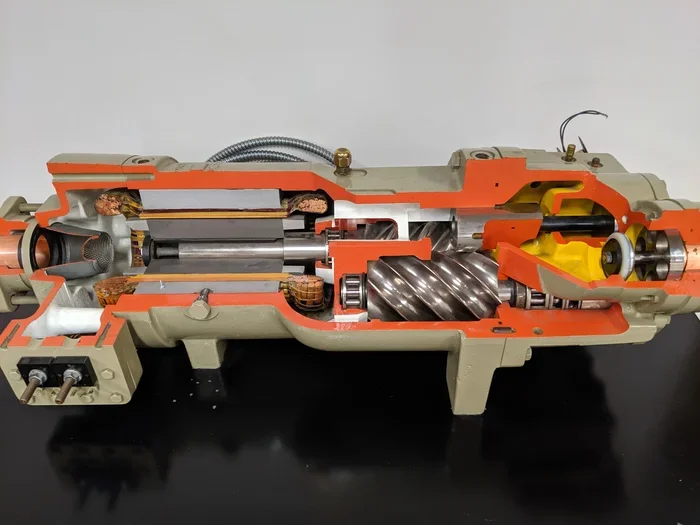
A rotary screw compressor uses two interlocking rotors to compress air. Air gets pulled in through an inlet valve, trapped between the rotors, and squeezed as the rotors turn. The compressed air then exits through the compressor housing at high pressure. It is a simple concept, but the magic happens in the many compressor components that make this process possible.
The term screw compressor parts covers every single piece inside and attached to the machine. This includes the air end, which is the core compression chamber. It also covers filters, valves, bearings, seals, and the entire compressed air system that delivers clean, dry air to your tools and machinery.
Why Knowing Your Parts Matters
When you understand what each compressor component does, you can spot problems early. You will also communicate better with technicians and make smarter purchasing decisions. For example, knowing the difference between an oil separator and an air filter helps you order the right part quickly. This saves time and money, especially during a production downtime.
Essential Screw Compressor Parts and Their Functions
The Rotors and Housing
At the center of every screw compressor parts system are the male and female rotors. The male rotor has lobes, and the female rotor has slots. They mesh together but do not touch. As they spin, they trap air in the spaces between them and progressively reduce the volume, which increases pressure.
The compressor housing surrounds the rotors and directs the airflow. It is typically made of cast iron or steel. Over time, the housing can develop wear grooves where the rotors spin. Replacing or reconditioning the housing is a key part of any screw compressor overhaul.
Bearings and Seals
Compressor bearings support the rotors and allow them to spin smoothly. These bearings handle tremendous loads and heat. When they wear out, you may notice increased vibration or unusual noise. Replacing compressor bearings promptly prevents damage to the rotors and housing.
Compressor seals keep oil and air from leaking past the rotors. There are different types of seals, including shaft seals and housing seals. A failing seal often leads to oil consumption problems or pressure drops. Regular inspection of seals is a simple step in screw compressor maintenance.
Valves and Controls
Several valves work together to regulate airflow and pressure. The inlet valve controls how much air enters the compression chamber. The slide valve adjusts the capacity of the compressor, allowing it to run efficiently at partial loads. A relief valve protects the system by releasing excess pressure if it builds up dangerously.
The minimum pressure valve ensures there is always enough pressure in the system to maintain proper oil circulation. If any of these valves malfunction, the entire compressed air system suffers. Checking valves during routine compressor repair visits is a best practice.
Filters and Separation Systems
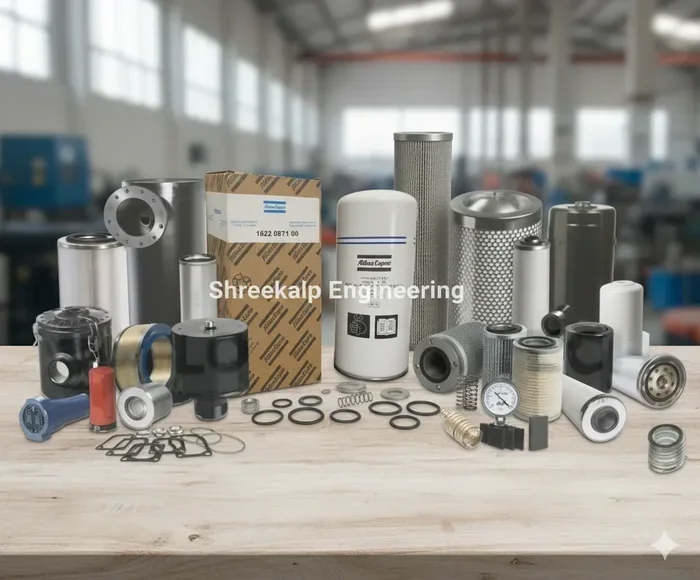
Clean air and clean oil are essential for compressor longevity. The air filter removes dust and debris from the intake air. A clogged filter forces the compressor to work harder, which wastes energy and increases wear on screw compressor parts.
The oil separator element, also called the separator filter, removes oil from the compressed air before it leaves the air end. A worn-out separator lets oil carry over into your tools and processes. This can contaminate products and damage equipment downstream. Replacing the oil separator at recommended intervals is one of the most important air compressor parts maintenance tasks.
The Oil System
Compressor oil serves multiple roles. It lubricates the rotors, seals the compression chambers, cools the system, and carries away heat. The oil circulates through the air end, passes through the oil separator, and gets filtered before returning to the rotors.
Using the correct grade of oil is critical. Wrong oil can lead to carbon buildup, reduced efficiency, and premature wear of compressor components. Always follow the manufacturer’s recommendations for oil type and change intervals.
Common Screw Compressor Parts That Wear Out
Not all screw compressor parts wear at the same rate. Some components need frequent attention, while others last for thousands of operating hours. Here are the parts that typically wear out first:
- Air Filters: These clog with dust and debris over time. In dirty environments, you may need to replace them every few months.
- Oil Separator Elements: They lose efficiency as they accumulate contaminants. Most manufacturers recommend replacement every 2,000 to 8,000 operating hours.
- Compressor Bearings: Bearings degrade with age and use. Vibration and heat accelerate this process.
- Rotors: The rotors themselves can develop wear grooves, especially if bearings fail and allow metal-on-metal contact.
- Gaskets and Seals: These rubber and metal components harden and crack over time, leading to air or oil leaks.
- Valves: The inlet valve and slide valve can stick or wear, affecting capacity control and efficiency.
Understanding which parts wear fastest helps you plan your screw compressor maintenance budget and avoid unexpected breakdowns. Keep a log of when each part was last replaced, and set reminders for upcoming service intervals.
How to Maintain Your Screw Compressor Parts
Follow the Manufacturer’s Schedule
The best screw compressor maintenance plan is the one outlined in your owner’s manual. Manufacturers design specific service intervals for each compressor component based on extensive testing. Following these guidelines keeps your warranty valid and your machine running at peak efficiency.
A typical maintenance schedule includes daily checks of oil levels and gauge readings, weekly inspections of filters and hoses, and quarterly or semi-annual replacement of consumable parts like filters and separators. Annual or biennial services often involve more in-depth tasks like checking bearings, inspecting the air end, and replacing compressor gaskets.
Keep It Clean
Dust, dirt, and debris are the enemies of any rotary compressor. Regularly clean the exterior of the machine and ensure the air intake area is free of obstructions. In dusty environments, consider installing pre-filters or relocating the compressor to a cleaner spot. A clean compressor runs cooler and lasts longer.
Monitor Oil Quality
Check your compressor oil regularly. Dark, gritty, or burnt-smelling oil signals that it needs changing. Contaminated oil accelerates wear on bearings, seals, and rotors. Use oil analysis services if available; they can detect problems long before visible symptoms appear.
Track Pressure and Temperature
Unusual pressure drops or temperature spikes are early warning signs. A rising discharge temperature might indicate a failing oil separator or low oil levels. A drop in pressure could point to leaks, worn seals, or a failing inlet valve. Monitoring these parameters helps you catch problems before they become expensive compressor repair jobs.
Quick Tips for Extending Part Life
- Replace filters on schedule, not when they look dirty.
- Use only manufacturer-approved air compressor parts and lubricants.
- Train operators to recognize early warning signs like unusual sounds or vibrations.
- Keep spare compressor components on hand for critical parts like filters and seals.
- Document every maintenance action in a logbook or digital system.
Choosing the Right Replacement Parts
OEM vs. Aftermarket Parts
When a screw compressor parts replacement is needed, you have two main options: OEM (Original Equipment Manufacturer) parts or aftermarket parts. OEM parts are made by the compressor manufacturer or approved suppliers. They match the original specifications exactly and often come with warranties.
Aftermarket parts are made by third-party manufacturers. Quality varies widely. Some aftermarket air compressor parts are excellent and offer significant cost savings. Others are cheap substitutes that can shorten the life of your machine. Always buy from reputable suppliers and verify compatibility with your specific compressor model.
Key Factors to Consider
- Compatibility: Make sure the part fits your compressor model and serial number. Using the wrong compressor component can cause damage or void warranties.
- Quality Certifications: Look for parts that meet industry standards like ISO certifications. This is especially important for separator elements and compressor filters.
- Warranty and Support: Reputable suppliers offer warranties and technical support. This gives you confidence in your purchase.
- Lead Time: Consider how quickly you can get the part. Stocking critical screw compressor parts reduces downtime during emergencies.
Where to Buy Quality Parts
You can purchase compressor parts from the manufacturer’s dealership, authorized distributors, or trusted online retailers. Avoid unknown sellers on general marketplaces, as counterfeit or substandard parts are a real risk. When in doubt, contact your compressor manufacturer or a qualified screw compressor repair specialist for guidance.
When to Call a Professional for Screw Compressor Repair
Many screw compressor maintenance tasks are straightforward and can be handled in-house. Changing filters, checking oil levels, and replacing gaskets are great examples. However, some tasks require professional expertise and specialized tools.
You should call a technician for screw compressor overhaul or major compressor repair when you notice persistent pressure drops, unusual metallic noises, or oil leaks that cannot be traced to a simple seal replacement. A professional can perform a full inspection of the air end, check bearing clearances with precision tools, and recondition or replace worn compressor components.
Attempting complex repairs without the right skills can lead to further damage, safety hazards, and higher costs in the long run. Investing in professional service for major issues often saves money by preventing repeat failures and extending the overall life of your rotary screw compressor.
Final Thoughts on Screw Compressor Parts
Understanding your screw compressor parts is one of the best investments you can make as an operator or facility manager. Each compressor component plays a specific role in delivering reliable, high-quality compressed air. From the air end rotors and housing to the oil separator, filters, and valves, every part deserves attention and care.
Follow a consistent screw compressor maintenance schedule, choose quality replacement parts, and know when to call in the experts. These simple steps keep your compressed air system running efficiently, reduce downtime, and extend the lifespan of your equipment. Take the time to learn your machine, and it will reward you with years of dependable service.
Frequently Asked Questions
How often should I replace the oil separator in my screw compressor?
Most manufacturers recommend replacing the oil separator element every 2,000 to 8,000 operating hours, depending on your operating conditions and air quality requirements. Check your owner’s manual for the specific interval. In dusty or high-use environments, you may need to replace it more frequently.
Can I use aftermarket screw compressor parts instead of OEM parts?
Yes, you can use aftermarket air compressor parts, but quality varies significantly. Choose reputable suppliers with proper certifications. High-quality aftermarket parts can save money without sacrificing performance. Avoid cheap, uncertified parts that may compromise your compressor’s reliability and safety.
What are the signs that my screw compressor bearings need replacement?
Common signs include increased vibration, unusual grinding or whining noises, and rising operating temperatures. If you notice any of these symptoms, inspect the bearings promptly. Delaying compressor bearing replacement can lead to rotor damage and costly screw compressor repair.
How does the slide valve work in a rotary screw compressor?
The slide valve adjusts the capacity of the compressor by bypassing a portion of the compressed air back into the intake. This allows the compressor to run efficiently at partial loads without cycling on and off. A malfunctioning slide valve reduces energy efficiency and can cause pressure instability in your compressed air system.
What is the difference between the air end and the compressor housing?
The air end refers specifically to the compression chamber where the rotors compress the air. The compressor housing is the outer casing that encloses the air end and directs airflow. Together, they form the core of your rotary screw compressor. The housing also supports bearings, seals, and inlet and outlet connections.
Why is compressor oil so important for screw compressor parts?
Compressor oil lubricates the rotors, seals the compression chambers, cools the system, and carries heat away. Without proper oil, friction and heat would quickly damage critical screw compressor parts like bearings and rotors. Always use the oil grade recommended by your compressor manufacturer and change it at the specified intervals.
=== CONCLUSION ===
Knowing your screw compressor parts empowers you to maintain your equipment better, reduce downtime, and make smarter purchasing decisions. From the air end and compressor bearings to filters, seals, and valves, every component has a role to play. Follow a regular maintenance routine, use quality replacement parts, and do not hesitate to seek professional help for complex issues. Your rotary screw compressor will reward you with reliable, efficient performance for many years to come.