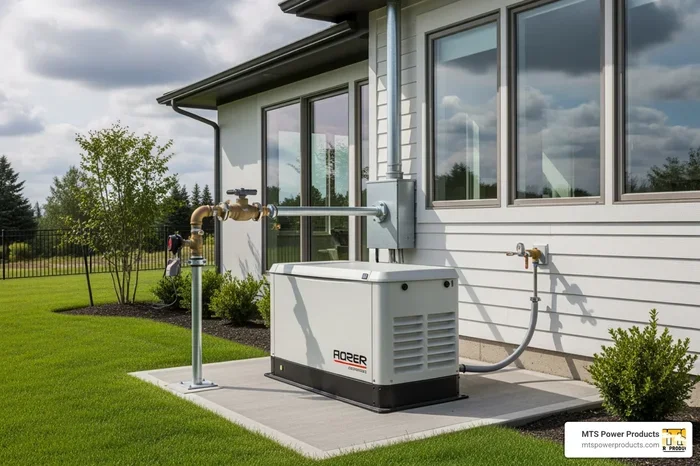
Natural Gas Generator for Home Backup and Emergency Power
A natural gas generator for home use is one of the smartest investments you can make for emergency preparedness. It provides reliable backup power during outages, runs cleaner than propane or diesel, and connects directly to your home’s gas line for uninterrupted fuel supply. In this guide, we walk you through everything you need to know about choosing, installing, and maintaining a natural gas generator for your home.
Power outages happen when you least expect them. A storm rolls in, a tree falls on a line, or the grid simply fails. When the lights go out, having a natural gas generator for home use can make all the difference between a minor inconvenience and a major disruption to your daily life.
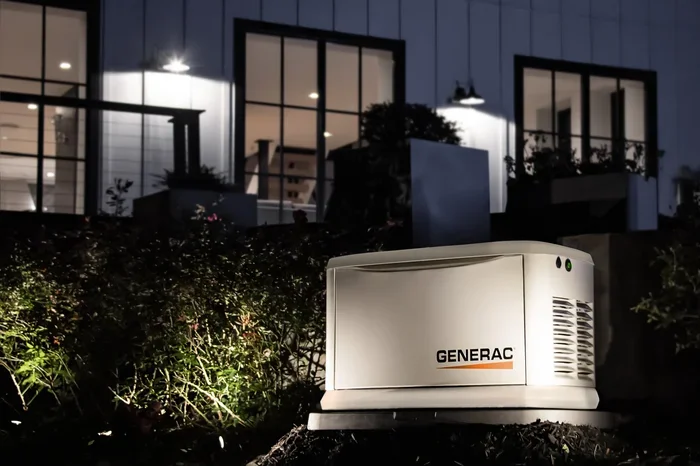
A natural gas generator is a backup power system that burns natural gas to produce electricity for your home. Unlike portable generators that run on gasoline, these units connect directly to your home’s natural gas supply. This means no refueling, no storing fuel cans, and no running out of power mid-outage. They are a popular choice for homeowners who want a dependable emergency power supply without the hassle of manual refueling.
In this article, we will cover everything you need to know. From understanding how these generators work to choosing the right size, handling installation, and keeping your unit maintained. By the end, you will have a clear picture of whether a natural gas generator is the right choice for your home.
Key Takeaways
- Natural gas generators offer a clean, convenient fuel source that connects directly to your home’s existing gas line, eliminating the need for refueling.
- They provide reliable backup power during outages, keeping essential appliances running for days at a time.
- Proper sizing is critical — you need to match the generator’s wattage to your household’s actual power needs.
- Installation requires a professional licensed technician and compliance with local building codes and safety regulations.
- Regular maintenance keeps your generator running smoothly and extends its lifespan by many years.
- Natural gas is often more cost-effective than propane or diesel for long-term home backup power solutions.
📑 Table of Contents
- What Is a Natural Gas Generator for Home Use?
- Benefits of Using a Natural Gas Generator at Home
- How to Choose the Right Size Natural Gas Generator
- Installation: What You Need to Know
- Natural Gas Generator Maintenance Tips
- Natural Gas Generator vs. Other Fuel Types
- Common Mistakes to Avoid When Buying a Natural Gas Generator
- Expert Tips for Maximizing Your Generator’s Performance
- Final Thoughts
What Is a Natural Gas Generator for Home Use?
A natural gas generator is a stationary or portable device that converts natural gas into electrical energy. It works similarly to other fuel-powered generators but uses natural gas as its primary fuel source. The gas comes from your home’s existing natural gas line, which means it has a constant and unlimited fuel supply as long as the gas line remains active.
These generators are commonly used as whole-house backup systems. When the power goes out, the generator automatically kicks on and supplies electricity to your home. This is why many people also call them standby generators. They are different from portable generators, which you have to manually start and fuel.
The most common fuel types for home generators include natural gas, propane, and diesel. Natural gas stands out because it burns cleaner than the other options. It produces fewer emissions and does not require you to store fuel on your property. For homeowners already connected to a natural gas supply, this is often the most convenient and environmentally friendly option.
Many homeowners also compare natural gas to propane. While propane generators work well, propane tanks can run out and need replacement or refilling. Natural gas never runs out as long as the municipal supply is active. You can learn more about how much natural gas a generator uses in our detailed guide on gas consumption rates.
How Does a Natural Gas Generator Work?
The process is straightforward. Natural gas flows from your home’s gas line into the generator’s engine. The engine combusts the gas to power a generator head, which produces electricity. This electricity then flows through an automatic transfer switch (ATS) into your home’s electrical panel.
The ATS is a key component. It detects when the main power goes out and signals the generator to start. Within seconds, the generator takes over and powers your home. When utility power returns, the ATS switches back and shuts down the generator. This entire process is automatic, so you do not need to be home to start it.
Benefits of Using a Natural Gas Generator at Home
There are many reasons homeowners choose a natural gas generator for home backup. Let us look at the biggest advantages.
Unlimited Fuel Supply
Since the generator connects directly to your home’s gas line, you never have to worry about running out of fuel. Unlike gasoline or propane, which you must store and replace, natural gas flows continuously. This is a huge advantage during long outages that last several days.
Cleaner Burning Fuel
Natural gas is one of the cleanest fossil fuels available. It produces significantly fewer carbon emissions compared to gasoline or diesel generators. If you care about your environmental footprint, a natural gas generator is a greener choice for your home.
Lower Operating Costs
Natural gas is generally cheaper than propane and gasoline in most areas. Over time, this adds up to real savings. You also save money on fuel storage and maintenance since you do not need to keep fuel cans on hand.
Convenience and Automation
Modern natural gas generators come with automatic start features. They detect power loss and turn on without any input from you. This means your refrigerator, heating system, and other essential appliances keep running even when you are asleep or away from home.
Quieter Operation
Compared to gasoline generators, natural gas models tend to run more quietly. This matters if you live in a neighborhood with noise ordinances or simply prefer a peaceful environment during an outage.
How to Choose the Right Size Natural Gas Generator
Choosing the correct size is one of the most important decisions you will make. A generator that is too small will not power your essential appliances. One that is too large wastes money and fuel. Here is how to figure out what you need.
Calculate Your Power Needs
Start by listing the essential appliances you want to keep running during an outage. Common essentials include:
- Refrigerator and freezer
- Heating or cooling system
- Water heater
- Lights throughout the home
- Medical equipment
- Wi-Fi router and modem
- Sump pump
Add up the wattage of each item. Most appliances have a label that shows their wattage. Once you have a total, add a 20% buffer for startup surges. This gives you the minimum generator size you need.
If you are unsure about sizing, you can consult our guide on how big of a backup generator do I need for more detailed help.
Small, Medium, and Large Generator Options
Generators come in three general size categories for home use:
- Small (7,000-9,000 watts): Powers essentials like a refrigerator, a few lights, and a sump pump. Good for small homes or apartments.
- Medium (10,000-15,000 watts): Handles a full range of household appliances including HVAC systems. Suitable for most average-sized homes.
- Large (16,000-24,000 watts and above): Powers the entire house, including heavy-duty appliances. Best for larger homes or households with high energy demands.
Consider Your Budget
Natural gas generators range in price from around $1,500 for small portable models to over $10,000 for large whole-house systems. Installation costs can add another $1,000 to $5,000 depending on your setup. Think of this as a long-term investment in home comfort and safety.
Installation: What You Need to Know
Installing a natural gas generator is not a DIY project for most homeowners. It requires professional expertise and compliance with local codes. Here is what the process typically looks like.
Hiring a Licensed Professional
Always hire a licensed and certified technician for installation. They will ensure the generator is properly connected to your gas line, electrical panel, and ventilation system. Improper installation can lead to dangerous gas leaks, electrical hazards, or code violations.
Permits and Inspections
Most local governments require permits for generator installation. The technician will usually handle this for you. After installation, an inspection may be required to confirm everything meets safety standards. Do not skip this step, as it ensures your family’s safety and protects your home insurance coverage.
Placement Considerations
The generator needs to be placed outside your home, away from windows and doors. This prevents carbon monoxide from entering your living space. Most manufacturers require a minimum distance of five feet from any opening. Your technician will help determine the best location based on your property layout.
Automatic Transfer Switch Setup
The ATS is installed between the generator and your home’s electrical panel. It is the brain of the backup power system. When utility power fails, the ATS detects the outage and sends a signal to the generator. The generator starts and the ATS switches your home’s load to the generator. When power returns, it switches back and shuts down the generator.
You can also explore how a generator for electricity works in broader terms to understand the full picture of home power generation.
Natural Gas Generator Maintenance Tips
A natural gas generator can last 20 to 30 years with proper care. Maintenance is simple but essential. Here are the most important tasks to keep your generator running reliably.
Regular Oil Changes
Check and change the oil according to the manufacturer’s schedule. Most generators need an oil change every 100 to 200 hours of use. Fresh oil keeps the engine running smoothly and prevents premature wear.
Air Filter Inspection
Inspect the air filter monthly during heavy use seasons. A dirty air filter reduces engine performance and fuel efficiency. Replace it when it looks clogged or dirty.
Spark Plug Check
Check the spark plug at least once a year. A worn spark plug can cause starting problems or rough running. Replace it if you notice any damage or excessive wear.
Run the Generator Regularly
Even if you never experience a power outage, run the generator for about 30 minutes once a month. This keeps the engine lubricated and ensures it is ready when you need it most. Many generators have a built-in exercise timer for this purpose.
Annual Professional Inspection
Schedule a professional inspection at least once a year. A technician will check the gas connections, electrical components, and overall performance. This catches small problems before they become expensive repairs.
Want to know more about keeping your generator in top shape? Check out our article on how long a generator battery lasts for tips on battery maintenance and replacement.
Natural Gas Generator vs. Other Fuel Types
When shopping for a home generator, you will encounter several fuel options. Here is a quick comparison to help you decide.
| Feature | Natural Gas | Propane | Diesel | Gasoline |
|---|---|---|---|---|
| Fuel Supply | Unlimited (from gas line) | Limited (tank-based) | Limited (tank-based) | Limited (tank-based) |
| Emissions | Lowest | Moderate | Highest | High |
| Running Cost | Low to moderate | Moderate to high | Moderate | High |
| Refueling Needed | No | Yes | Yes | Yes |
| Shelf Life | N/A (continuous supply) | Long (indefinite) | Long (6-12 months) | Short (3-6 months) |
| Noise Level | Quiet to moderate | Moderate | Loud | Loud |
Natural gas clearly offers the most convenience for home use. You never need to refuel, and it burns cleaner than other options. Propane is a good alternative if you do not have access to a natural gas line. However, you will need to monitor your tank levels and arrange for refills.
Diesel generators are powerful and fuel-efficient, but they are noisy and produce more emissions. Gasoline generators are affordable and portable, but they require frequent refueling and have a short fuel shelf life. For most homeowners looking for a reliable home backup generator, natural gas is the best all-around choice.
Common Mistakes to Avoid When Buying a Natural Gas Generator
Avoiding these common mistakes can save you money, time, and frustration.
- Buying the wrong size: Always calculate your power needs before purchasing. An undersized generator will overload and shut down during use.
- Skipping the transfer switch: A transfer switch is essential for safe operation. Without it, you risk backfeeding electricity into the grid, which is dangerous for utility workers.
- Ignoring local codes: Every area has specific installation codes and regulations. Failing to comply can result in fines or unsafe conditions.
- Choosing the cheapest option: The least expensive generator may not have the features or reliability you need for whole-home backup. Invest in quality.
- Neglecting maintenance: Even the best generator will fail if you skip regular maintenance. Stick to the manufacturer’s maintenance schedule.
Expert Tips for Maximizing Your Generator’s Performance
Here are some pro tips to get the most out of your natural gas generator.
- Install a carbon monoxide detector near your generator and throughout your home. This is a non-negotiable safety measure.
- Keep the generator covered but ventilated. Use a generator enclosure designed for airflow. Never operate a generator in an enclosed space.
- Keep a log of maintenance tasks. Writing down oil changes, filter replacements, and inspections helps you stay on track.
- Test your generator before storm season. Run a full test at the start of each storm season to make sure everything works.
- Consider a warranty extension. Many manufacturers offer extended warranty plans. This can save you significant money on repairs down the road.
If you are also interested in other types of generators, check out our article on electrical generators for a broader overview of home power generation options.
Final Thoughts
A natural gas generator for home backup and emergency power is one of the most practical investments a homeowner can make. It provides peace of mind, keeps your family safe and comfortable during outages, and runs efficiently for decades. The combination of unlimited fuel supply, clean burning, and automated operation makes natural gas generators a top choice for residential backup power.
Take the time to size your generator correctly, hire a professional for installation, and stay on top of maintenance. Do these things, and your generator will be ready whenever you need it most. Power outages do not wait for convenient moments, but with the right natural gas generator, neither do you.
Frequently Asked Questions
How long can a natural gas generator run continuously?
Most natural gas generators can run continuously for days as long as the gas supply remains active. Unlike gasoline or propane generators that need refueling, natural gas generators draw fuel from your home’s gas line. This makes them ideal for extended outages lasting multiple days.
Is a natural gas generator safe to use indoors?
No. A natural gas generator must always be operated outdoors in a well-ventilated area. The exhaust contains carbon monoxide, which is deadly in enclosed spaces. Always place your generator at least 20 feet from your home with the exhaust pointing away from windows and doors.
How much does it cost to install a natural gas generator?
Installation costs typically range from $1,000 to $5,000 depending on the generator size, complexity of the setup, and local labor rates. The generator unit itself can cost anywhere from $1,500 for a small model to over $10,000 for a large whole-house system. Always get multiple quotes from licensed installers.
Can I connect a natural gas generator myself?
We strongly recommend against DIY installation. Connecting a generator to your gas line and electrical panel requires licensed professionals who understand local building codes and safety regulations. Improper installation can lead to gas leaks, electrical hazards, and code violations.
Does a natural gas generator increase home value?
Yes. Many homebuyers view a backup generator as a valuable feature, especially in areas prone to power outages. A professionally installed natural gas generator can increase your home’s resale value and make it more attractive to potential buyers.
What is the difference between a standby generator and a portable generator?
A standby generator is a permanent installation that connects to your home’s gas line and electrical system. It turns on automatically during outages. A portable generator is temporary, runs on gasoline or propane, and must be manually started and connected to appliances. Standby generators offer far more convenience and reliability for home backup power.