Average Cost to Replace AC Compressor and What to Expect
The average cost to replace an AC compressor ranges from $1,350 to $2,500 for most homeowners. Several factors influence this price, including the type of compressor, the size of your unit, and whether you choose a new unit or a replacement part. Understanding these costs helps you make informed decisions and avoid unexpected expenses.
The average cost to replace AC compressor is a question on every homeowner’s mind when the cooling system starts acting up. Whether your unit is making strange noises or failing to blow cold air, understanding the financial side of this repair helps you plan ahead. In this guide, we break down everything you need to know about compressor replacement costs, what drives those numbers, and how to save money without cutting corners.
Replacing an AC compressor is not a small expense. It is one of the most critical and costly components in your entire cooling system. But with the right information, you can make smart choices that keep your home comfortable and your budget in check. Let us walk you through the numbers, the process, and the decisions you will face along the way.
Key Takeaways
- Average replacement cost: Most homeowners pay between $1,350 and $2,500 for a standard AC compressor replacement.
- Compressor type matters: Scroll, reciprocating, and rotary compressors each carry different price points.
- Labor costs add up: Professional installation typically adds $500 to $1,500 to the total bill.
- Refrigerant handling is a factor: Proper refrigerant recovery and recharge are required by law and add to the cost.
- Timing matters: Replacing your compressor during the off-season can save you money on labor and parts.
- Warranty coverage helps: Many compressors come with warranties that can offset replacement costs.
📑 Table of Contents
- What Is an AC Compressor and Why Is It So Important?
- Average Cost to Replace AC Compressor by Type
- Factors That Affect the Average Cost to Replace AC Compressor
- Signs Your AC Compressor Is Failing
- The AC Compressor Replacement Process Step by Step
- How to Save Money on AC Compressor Replacement
- Compressor Replacement vs. Full Unit Replacement
- Common Mistakes Homeowners Make with AC Compressor Replacement
- Expert Insights on AC Compressor Costs
- How Long Does an AC Compressor Replacement Take?
- What to Do After Your Compressor Is Replaced
- Conclusion
What Is an AC Compressor and Why Is It So Important?
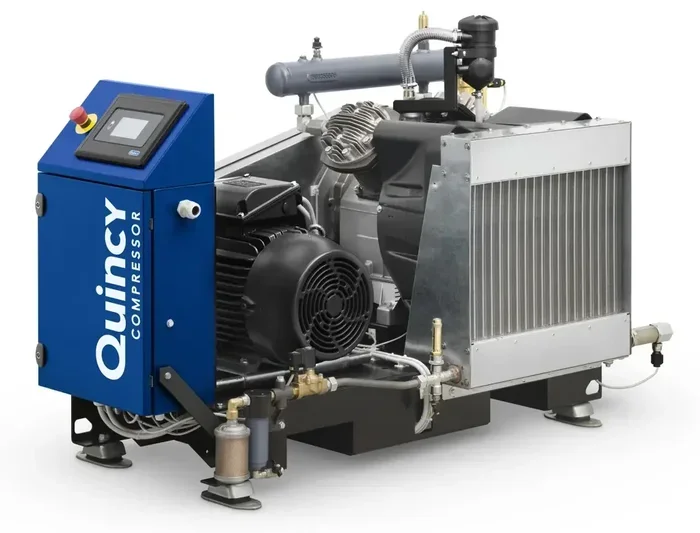
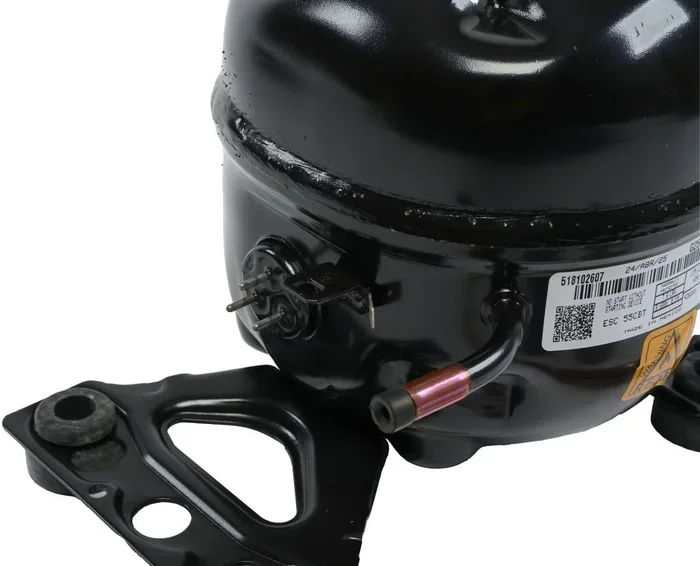
Your AC compressor is the heart of your air conditioning system. It pumps refrigerant through the unit, allowing your home to cool down during hot months. Without a working compressor, the entire system stops functioning. Think of it like an engine in a car. If the engine fails, the car does not move. The same goes for your cooling system.
The compressor works by compressing low-pressure refrigerant gas into high-pressure gas. This process generates heat, which is then released outside. The refrigerant then cycles back inside to absorb more heat from your home. This cycle repeats over and over to maintain a comfortable temperature.
Most compressors last between 12 and 15 years with proper maintenance. However, wear and tear, electrical issues, or lack of regular upkeep can cause early failure. When a compressor dies, you are left with a choice: replace just the compressor or replace the entire unit.
Average Cost to Replace AC Compressor by Type
The average cost to replace AC compressor varies depending on the type of compressor your system uses. Each type has different pricing, durability, and installation requirements. Let us look at the most common types and what you can expect to pay.
Scroll Compressor Replacement Cost
Scroll compressors are the most common type found in modern residential AC units. They are reliable, quiet, and efficient. The average cost to replace a scroll compressor ranges from $1,200 to $2,200, including parts and labor. These compressors have fewer moving parts, which means fewer things can go wrong over time.
Many mid-range and high-end central AC systems use scroll compressors. They are a popular choice because they offer a good balance of performance and durability. If your home has a scroll compressor, replacement costs tend to fall in the middle of the price range.
Reciprocating Compressor Replacement Cost
Reciprocating compressors are often found in older or budget-friendly systems. They use pistons to compress refrigerant, much like a car engine. The cost to replace a reciprocating compressor typically falls between $1,000 and $1,800. These compressors are more prone to wear because of the many moving parts involved.
While they are less expensive upfront, reciprocating compressors may require more frequent repairs over their lifespan. If you have an older unit with this type of compressor, you might want to consider replacing the entire system instead of just the compressor.
Rotary Compressor Replacement Cost
Rotary compressors are common in smaller window units and ductless systems. They are compact and energy-efficient. Replacing a rotary compressor usually costs between $800 and $1,500. These units are simpler in design, which keeps parts and labor costs lower.
However, rotary compressors are not typically used in central air systems. If you have a ductless mini-split setup, this is the type you are likely dealing with.
| Compressor Type | Parts Cost | Labor Cost | Total Average Cost |
|---|---|---|---|
| Scroll Compressor | $700 – $1,500 | $500 – $700 | $1,200 – $2,200 |
| Reciprocating Compressor | $500 – $1,200 | $500 – $600 | $1,000 – $1,800 |
| Rotary Compressor | $400 – $900 | $400 – $600 | $800 – $1,500 |
Factors That Affect the Average Cost to Replace AC Compressor
Many variables influence the final price tag on your compressor replacement. Understanding these factors helps you anticipate costs and avoid surprises. Here is a detailed look at what drives the average cost to replace AC compressor up or down.
Size of Your AC Unit
Larger homes need bigger cooling systems, and bigger systems need more powerful compressors. A unit designed for a small apartment will cost significantly less to repair than a unit designed for a large family home. The tonnage of your system directly affects the price of the compressor and the labor required to install it.
For example, a 3-ton unit will have a smaller, less expensive compressor than a 5-ton unit. HVAC contractors base their quotes on the specific size of your system, so getting an accurate assessment is essential before committing to a replacement.
Brand and Model of Your AC System
Not all compressors are created equal. Premium brands like Carrier, Trane, and Lennox tend to cost more for replacement parts. Budget brands may offer cheaper compressors, but they might not last as long. The model of your unit also matters because some systems use proprietary parts that only one manufacturer makes.
When choosing a replacement compressor, always check whether OEM (original equipment manufacturer) parts are available. Aftermarket parts may be cheaper, but they can void your warranty and lead to compatibility issues down the road.
Labor Costs in Your Area
Where you live plays a big role in how much you will pay for labor. HVAC technicians in major cities often charge more than those in rural areas. The complexity of the installation also affects labor costs. If your compressor is hard to access or if your ductwork needs modifications, expect to pay more.
On average, labor for a compressor replacement ranges from $500 to $1,500. Some contractors charge a flat rate, while others bill by the hour. Always ask for a detailed written estimate before work begins so you know exactly what you are paying for.
Refrigerant Line and Coil Condition
When a compressor fails, it can sometimes contaminate the refrigerant lines and coils. If this happens, you may need to replace or clean these components as well. Dirty coils or clogged lines can reduce the efficiency of your new compressor and shorten its lifespan.
Replacing refrigerant lines adds anywhere from $200 to $800 to the total cost. Cleaning coils typically costs between $100 and $300. Your contractor should inspect all connected components before finalizing the repair quote.
Seasonal Timing
HVAC demand fluctuates throughout the year. During peak summer months, contractors are busier and may charge higher rates. Scheduling your replacement during the spring or fall can save you money on both parts and labor. Many homeowners find that off-season appointments come with discounts or faster service.
If your compressor fails during the hottest days of summer, you may feel pressure to pay whatever it takes to get cool air back. But if you can wait even a few days, you might find better pricing and availability.
Signs Your AC Compressor Is Failing
Catching compressor problems early can save you from a complete system breakdown. Here are the most common warning signs that your compressor needs attention:
- Warm air from vents: If your AC is running but blowing warm or lukewarm air, the compressor may not be pumping refrigerant properly.
- Strange noises: Grinding, squealing, or clanking sounds from the outdoor unit often indicate mechanical failure inside the compressor.
- Frequent cycling: If your AC turns on and off more often than usual, the compressor may be struggling to maintain the set temperature.
- Ice buildup on coils: Frozen evaporator coils are a classic sign of low refrigerant, which often points to a failing compressor.
- Tripped circuit breakers: A compressor that draws too much power can trip your home’s circuit breaker repeatedly.
- Higher energy bills: A struggling compressor works harder and uses more electricity, leading to noticeable spikes in your monthly bills.
If you notice any of these signs, contact a licensed HVAC technician right away. Ignoring compressor problems can lead to more extensive damage and higher repair bills. Early intervention often means the difference between a simple compressor replacement and a full system overhaul.
The AC Compressor Replacement Process Step by Step
Understanding what happens during a compressor replacement helps you feel more confident and prepared. Here is a breakdown of the typical process from start to finish.
Step 1: Diagnostic Assessment
The technician will first inspect your entire system. They check the compressor, refrigerant levels, electrical connections, and thermostat. They also listen for unusual sounds and measure airflow. This assessment confirms whether the compressor is truly the problem or if another component is causing similar symptoms.
Step 2: Refrigerant Recovery
Before removing the old compressor, the technician must recover all refrigerant from the system. This is a legal requirement under EPA regulations. The refrigerant is stored in a special tank for proper recycling or disposal. Never attempt to release refrigerant into the air, as it is harmful to the environment.
Step 3: Compressor Removal
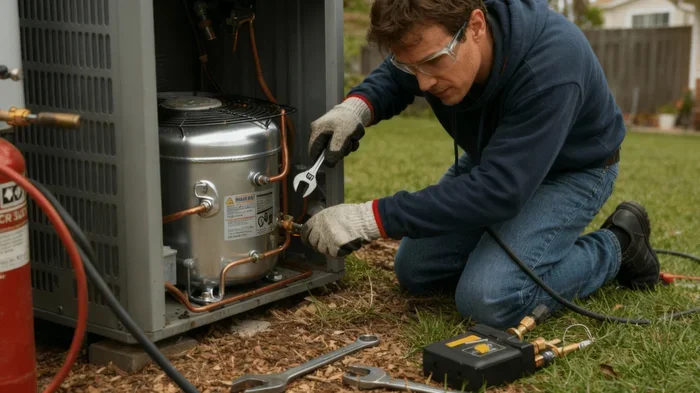
The technician disconnects electrical wiring, refrigerant lines, and mounting hardware. The old compressor is carefully removed from the unit. This step requires precision and safety precautions because of the refrigerant lines and electrical components involved.
Step 4: New Compressor Installation
The new compressor is mounted in place and connected to the refrigerant lines and electrical system. The technician then evacuates air and moisture from the lines using a vacuum pump. This step is critical because any moisture or air in the system can damage the new compressor.
Step 5: Refrigerant Recharge and Testing
After installation, the system is recharged with the correct amount of refrigerant. The technician runs the unit to test cooling performance, check for leaks, and verify proper pressure levels. Most replacements take between 4 and 8 hours, depending on the complexity of the job.
How to Save Money on AC Compressor Replacement
Nobody wants to overspend on an AC repair. Here are practical strategies to help you manage the average cost to replace AC compressor without sacrificing quality.
Get Multiple Quotes
Always get at least three quotes from licensed HVAC contractors. Prices can vary significantly between companies, even in the same city. Comparing quotes gives you a clear picture of the fair price for your specific repair. Be wary of quotes that are dramatically lower than others, as they may indicate low-quality parts or inexperienced technicians.
Check Your Warranty Coverage
Many AC compressors come with a warranty that covers parts and sometimes labor. Check your warranty documents or contact the manufacturer to see what is covered. Some compressors have a 10-year or even lifetime warranty on the compressor itself. If your unit is still under warranty, you could save hundreds or even thousands of dollars.
Consider a Maintenance Plan
Regular maintenance keeps your AC system running efficiently and can prevent premature compressor failure. Many HVAC companies offer annual maintenance plans that include tune-ups, filter changes, and inspections. Investing in routine care often pays for itself by extending the life of your compressor and reducing unexpected repair costs.
Evaluate the Age of Your System
If your AC unit is over 10 years old, replacing just the compressor may not be the best long-term decision. A new compressor in an old unit can cost nearly as much as a brand new system. Newer units are also much more energy efficient, which means lower monthly utility bills. If your system is aging, it may be worth comparing the cost of a compressor replacement against a full unit replacement.
Some homeowners also look into backup power solutions after major HVAC repairs. If you are considering adding a generator to protect your home during power outages, you might want to learn how to wire a generator to a breaker box to ensure safe and proper installation. Understanding the electrical side of your home can help you make informed decisions about backup power.
Plan for Off-Season Service
Scheduling your compressor replacement in the spring or fall can save you significant money. During these seasons, HVAC companies often offer lower rates to fill their schedules. You also avoid the rush and premium pricing that comes with summer emergency calls. Planning ahead gives you more time to research contractors and compare options.
Compressor Replacement vs. Full Unit Replacement
One of the biggest decisions you will face is whether to replace just the compressor or the entire AC unit. Here is a simple way to think about it. If your unit is less than 8 years old and the rest of the system is in good shape, replacing the compressor usually makes sense. The average cost to replace AC compressor is significantly lower than buying a whole new unit.
However, if your unit is over 12 years old, a full replacement might be the smarter choice. New systems are far more energy efficient than older models. They use less electricity, cool your home more effectively, and often come with comprehensive warranties. The average cost to replace AC compressor in an old unit could be better spent on a new system that will serve you well for another 15 years or more.
Some homeowners also explore alternative power solutions when their cooling system needs major repairs. If you are thinking about investing in a home generator for backup cooling during outages, it helps to understand the upfront investment. You can learn how much does a home generator cost to determine if a backup power system fits your budget and needs.
Common Mistakes Homeowners Make with AC Compressor Replacement
Avoiding common pitfalls can save you time, money, and frustration. Here are mistakes that many homeowners make when dealing with compressor replacement:
- Choosing the cheapest contractor: Low prices sometimes mean low-quality work. Always check reviews, licenses, and certifications before hiring.
- Ignoring refrigerant leaks: If the compressor failed due to a refrigerant leak, fixing just the compressor without sealing the leak will lead to the same problem again.
- Skipping the warranty check: Many homeowners do not realize their compressor is still under warranty. Always verify coverage before paying for a replacement.
- Not getting a written estimate: Verbal agreements can lead to misunderstandings. Always get a detailed written estimate before any work begins.
- Delaying the repair: Putting off a compressor replacement can cause further damage to other parts of the system, increasing the overall cost.
Taking a proactive approach and doing your homework before hiring a contractor puts you in a much stronger position. You will feel more confident in your decision and less likely to encounter unexpected costs.
Expert Insights on AC Compressor Costs
Industry experts agree that the average cost to replace AC compressor has been rising steadily over the past few years. Several factors contribute to this trend. The cost of refrigerant has increased due to environmental regulations. Skilled HVAC technicians are in high demand, which drives up labor rates. And the complexity of modern AC systems means that replacements require more specialized tools and training.
Experts also recommend that homeowners invest in a maintenance agreement with their HVAC provider. Regular tune-ups can catch small problems before they become expensive compressor failures. Clean filters, proper refrigerant levels, and well-maintained electrical connections all contribute to a longer compressor lifespan.
Another expert tip is to keep your outdoor unit clean and clear of debris. Leaves, dirt, and vegetation can restrict airflow and cause the compressor to overheat. A simple cleaning routine a few times a year can go a long way in protecting your investment.
If you are considering a larger home upgrade or exploring electrical capacity for future needs, understanding your home’s power requirements is valuable. You can find out what size generator to run a house to ensure your electrical system can handle both your cooling and backup power needs.
How Long Does an AC Compressor Replacement Take?
Most compressor replacements are completed in a single day, typically taking between 4 and 8 hours. The exact timeline depends on several factors, including the accessibility of the unit, the type of compressor, and whether any additional components need to be replaced.
Simple replacements on easily accessible units can be done in as little as 4 hours. More complex jobs involving hard-to-reach units, refrigerant line repairs, or electrical upgrades may take a full day or longer. Your contractor should give you a clear timeline before starting the work.
It is also worth noting that some replacements require a permit from your local building authority. Permits ensure that the work meets safety codes and can be inspected. Your contractor should handle the permit process for you, but it is always good to confirm this upfront.
What to Do After Your Compressor Is Replaced
Once the new compressor is installed, there are a few things you should do to ensure it lasts as long as possible. First, keep up with regular maintenance. Change your filters every 1 to 3 months and schedule annual professional tune-ups. Second, monitor your energy bills for any unusual spikes. A sudden increase in energy usage could indicate a problem with the new compressor.
Third, keep the outdoor unit clean and free of debris. Trim back any vegetation that is growing too close to the unit. Fourth, pay attention to how your system sounds and performs. Any new noises or changes in cooling performance should be checked by a professional right away.
Finally, save all your paperwork. Keep copies of the invoice, warranty documents, and any maintenance records. These documents will be invaluable if you ever need to file a warranty claim or sell your home.
Conclusion
The average cost to replace AC compressor is a significant investment, but it is one that keeps your home cool and comfortable during the hottest months of the year. By understanding the factors that influence pricing, the replacement process, and the strategies to save money, you are well-equipped to make the best decision for your home and budget.
Remember that early detection of compressor problems can save you thousands of dollars in the long run. Do not ignore warning signs like warm air, strange noises, or rising energy bills. And always work with licensed, experienced HVAC professionals who stand behind their work.
Whether you choose to replace just the compressor or invest in a full new system, the key is to make an informed decision. Use the information in this guide to ask the right questions, compare quotes, and feel confident in your choice. Your cooling system works hard for you every day, and it deserves the best care you can provide.
Frequently Asked Questions
What is the average cost to replace an AC compressor?
The average cost to replace AC compressor ranges from $1,350 to $2,500 for most residential homes. This includes both the price of the compressor part and the labor for professional installation. The final cost depends on the type of compressor, the size of your unit, and your local labor rates.
Is it cheaper to replace a compressor or the whole AC unit?
Replacing just the compressor is usually cheaper if your unit is less than 10 years old and in good overall condition. However, if your system is older than 12 years, a full unit replacement may offer better long-term value due to improved energy efficiency and newer technology.
How long does an AC compressor last?
Most AC compressors last between 12 and 15 years with proper maintenance. Regular HVAC tune-ups, clean filters, and prompt attention to small issues can help extend the lifespan of your compressor significantly.
Can I replace an AC compressor myself?
No, compressor replacement should always be performed by a licensed HVAC professional. The process involves handling refrigerant, which is regulated by federal law, and requires specialized tools and technical knowledge. Attempting a DIY replacement can be dangerous and may void warranties.
Does homeowners insurance cover AC compressor replacement?
It depends on your policy and the reason for the failure. Most standard homeowners insurance policies do not cover wear and tear or lack of maintenance. However, if the compressor failure was caused by a covered event like an electrical surge or storm damage, your policy may help cover the cost.
What happens if I ignore a failing AC compressor?
Ignoring a failing compressor can lead to complete system failure and damage to other components like the condenser coil or refrigerant lines. The longer you wait, the more expensive the repair becomes. In some cases, a neglected compressor failure can make the entire system beyond repair, requiring a full unit replacement.