What Size Portable Generator Do I Need For My Home
Choosing the right size portable generator starts with knowing your power needs. This guide breaks down wattage requirements, essential loads, and runtime so you can pick the perfect unit. Whether you need backup power for a few devices or your whole house, we cover it all.
Power outages can hit without warning. Storms, grid failures, or equipment issues can leave your home in the dark for hours or even days. That is where a portable generator becomes your best friend. But here is the real question most people ask first: what size portable generator do I need?
Picking the wrong size can lead to frustration, wasted money, or even damage to your appliances. A unit that is too small will overload and shut down. One that is too big wastes fuel and costs more upfront. The good news is that sizing a generator is simpler than most people think.
In this guide, we walk you through every step. You will learn how to calculate your wattage needs, understand the difference between starting and running watts, and find the right generator capacity for your home. By the end, you will feel confident choosing the perfect portable generator size for your situation.
Key Takeaways
- Calculate your total wattage: Add up the running watts and starting watts of every appliance you plan to run.
- Match the generator to your needs: Small units (2000-3000W) handle basics, while larger ones (5000-7500W) power essentials during an outage.
- Consider fuel type and runtime: Gasoline, propane, and dual-fuel options each offer different run times and portability levels.
- Inverter generators are quieter and safer: They produce clean power for sensitive electronics like laptops and phones.
- Avoid common sizing mistakes: Undersizing causes overloads, and oversizing wastes fuel and money.
- Think about portability and storage: A lighter unit with wheels is easier to move and store when not in use.
📑 Table of Contents
- Why Generator Size Matters
- How to Calculate Your Power Needs
- What Size Portable Generator Do I Need For Different Home Scenarios
- Types of Portable Generators
- Runtime and Fuel Tank Size
- Safety Tips for Using Your Portable Generator
- Common Mistakes to Avoid When Sizing a Generator
- Expert Insights on Choosing the Right Generator
- Conclusion
Why Generator Size Matters
Getting the right portable generator size is not just about convenience. It affects safety, efficiency, and how long your unit lasts. An incorrectly sized generator can cause real problems you do not want to deal with.
What Happens If You Choose Too Small
When a generator cannot handle the load, it overloads. This trips the breaker or, worse, damages the generator itself. Sensitive electronics like computers and TVs can suffer from unstable power. You also risk short-cycling, which wears out the engine faster.
What Happens If You Choose Too Large
Oversizing wastes money. A bigger unit costs more to buy and uses more fuel. It also takes up more space and is heavier to move. Running a generator at very low load for long periods can cause wet stacking, a condition where unburned fuel builds up and damages the engine.
The sweet spot is a unit that matches your actual power needs with a small buffer for safety. Most experts recommend sizing at 20 to 25 percent above your total calculated load.
How to Calculate Your Power Needs
The first step in figuring out what size portable generator do I need is to list every appliance and device you want to run. Then you need to understand two key numbers: running watts and starting watts.
Running Watts vs Starting Watts
Running watts are the continuous power an appliance needs to stay on. A light bulb, for example, might use 60 watts constantly.
Starting watts are the extra power needed to kick on a motor. Things like refrigerators, air conditioners, and well pumps need a surge of power when they start up. This surge can be two to three times the running watts.
Here is a simple way to think about it. Running watts keep things going. Starting watts get things going. You must account for both.
Step-by-Step Load Calculation
Follow these steps to find your total wattage needs:
- List every appliance you want to power during an outage.
- Find the running wattage for each item. Check the label or user manual.
- Identify which items have motors. These need starting watts.
- Add up all the running watts.
- Add the highest starting wattage to your total running watts.
- That final number is your minimum generator size.
For example, if your running total is 3,500 watts and your fridge needs 2,200 starting watts, you need a generator rated for at least 5,700 watts.
Common Household Appliance Wattage Guide
Use this quick reference to estimate your needs. Actual wattage can vary, so always check the nameplate on your device.
- Refrigerator: 700 running watts, 2,200 starting watts
- Freezer: 500 running watts, 1,500 starting watts
- Window AC Unit (10,000 BTU): 1,200 running watts, 3,600 starting watts
- Sump Pump: 800 running watts, 1,300 starting watts
- Microwave: 1,000 running watts, 1,000 starting watts
- Coffee Maker: 800 running watts, 800 starting watts
- Lights (10 bulbs, 60W each): 600 running watts, 600 starting watts
- Laptop: 60-100 running watts, 60-100 starting watts
- Phone Charger: 10-20 running watts, 10-20 starting watts
- Space Heater: 1,500 running watts, 1,500 starting watts
What Size Portable Generator Do I Need For Different Home Scenarios
Every home is different. Your power needs depend on what you want to run and for how long. Let us break this down by common situations.
Small Home or Apartment (Essentials Only)
If you just need to keep the lights on, charge your phone, run a fridge, and power a few basics, a small portable generator in the 2,000 to 3,000 watt range works well. These units are lightweight, affordable, and easy to store. They are perfect for apartments, condos, or tiny homes where you only need backup power for a few key devices.
Medium Home (Essentials Plus Comfort)
For a standard home where you want to run the fridge, a few lights, the sump pump, a microwave, and maybe a TV or laptop, look at a 5,000 to 6,500 watt generator. This is the most popular portable generator size for families. It gives you enough power for comfort without going overboard on fuel consumption.
Large Home (Multiple Appliances and HVAC)
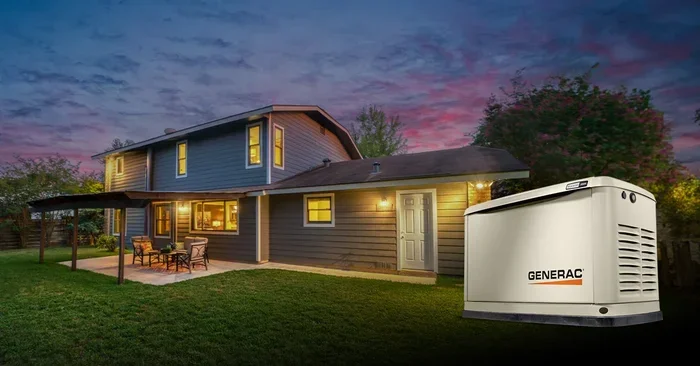
Larger homes with central air conditioning, multiple sump pumps, electric water heaters, and several circuits need a bigger unit. A 7,000 to 10,000 watt generator can handle most of these loads. Some people in this category even consider a whole house generator instead. But if portability and lower cost matter, a high-wattage portable unit is a great choice.
Recreational Use and Camping
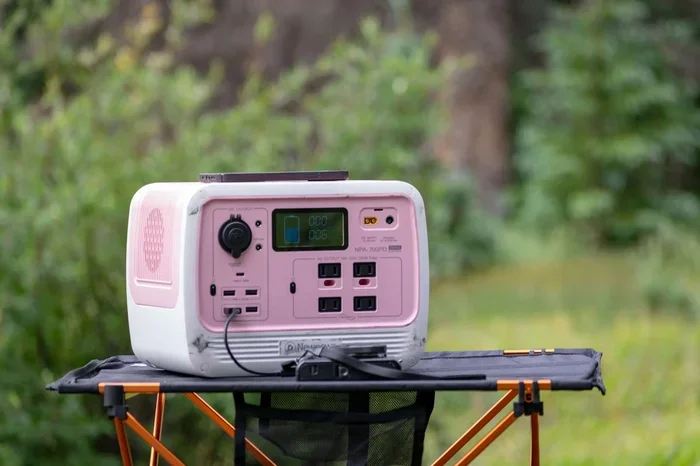
If you are looking for a portable generator for camping or tailgating, you do not need much power. A 1,000 to 2,000 watt unit can run lights, a small fan, a phone charger, and a portable speaker. These units are ultra-portable and very quiet. Look for inverter models for clean power and low noise.
Types of Portable Generators
Not all generators are the same. The type you choose affects performance, noise, fuel use, and cost. Here is a look at the main options.
Conventional Generators
These are the traditional workhorses. They run on gasoline or propane and offer high wattage output. They are great for heavy loads but tend to be louder and produce less stable power. They work well for tools, appliances, and motors but are not ideal for sensitive electronics.
Inverter Generators
Inverter generators are the modern choice. They produce clean, stable power that is safe for laptops, phones, and TVs. They are also much quieter than conventional units. The trade-off is they usually cost more and have a lower maximum output. Most inverter models max out around 3,000 to 4,000 watts, though some can be paralleled for more power.
Dual-Fuel and Tri-Fuel Generators
Dual-fuel generators let you switch between gasoline and propane. Tri-fuel models add natural gas to the mix. These give you flexibility and longer runtime. Propane burns cleaner and stores longer than gasoline, which is a big plus for emergency preparedness.
Runtime and Fuel Tank Size
Wattage is not the only thing to consider. You also need to think about how long the generator can run on a single tank of fuel.
What Is Runtime?
Generator runtime tells you how many hours a unit can run at a given load before the fuel runs out. Most portable generators run between 8 and 12 hours at 50 percent load on a full tank. Some larger models can go 15 to 20 hours.
How to Maximize Runtime
Here are quick tips to get the most out of every tank of fuel:
- Run your generator at 50 to 75 percent load for best efficiency.
- Use propane instead of gasoline for longer shelf life and cleaner burning.
- Turn off any appliances you are not actively using.
- Keep the generator in a shaded, well-ventilated area to prevent overheating.
- Use a fuel stabilizer if you store gasoline for more than 30 days.
Fuel Tank Capacity Comparison
When comparing models, look at the fuel tank size and the rated runtime. A larger tank does not always mean better runtime if the engine is inefficient. Check the runtime at 50 percent load for the most accurate comparison between models.
Safety Tips for Using Your Portable Generator
A generator is a powerful tool, but it must be used safely. Follow these guidelines every time you run your unit.
Never Run a Generator Indoors
Generators produce carbon monoxide, which is odorless and deadly. Always run your unit outside, at least 20 feet from your home, with the exhaust pointing away from windows and doors.
Use a Transfer Switch
Never plug a generator directly into a wall outlet. This is called backfeeding, and it is extremely dangerous. It can send power back into the grid, which can electrocute utility workers. Use a proper transfer switch or interlock kit installed by a licensed electrician.
Let the Generator Cool Before Refueling
Always turn off the generator and let it cool for at least 10 minutes before adding fuel. Hot engine parts can ignite gasoline vapors and cause a fire.
Use the Right Extension Cords
Use heavy-duty, outdoor-rated extension cords rated for the wattage you are drawing. Do not chain multiple cords together. Keep cords flat on the ground to prevent tripping hazards and damage.
Maintain Your Generator Regularly
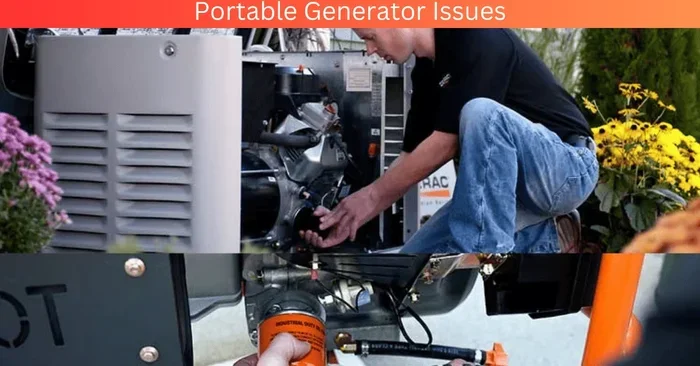
Change the oil, replace the air filter, and use fresh fuel. Run the generator under load for at least 15 minutes once a month to keep the engine in good shape. A well-maintained generator will last for many years and start reliably when you need it most.
Common Mistakes to Avoid When Sizing a Generator
Even with the best intentions, people make mistakes when choosing a generator size. Here are the most common ones and how to avoid them.
Forgetting About Starting Watts
This is the number one mistake. People add up only running watts and buy a generator that cannot handle the initial surge. Always factor in the starting watts for any motor-driven appliance.
Guessing Instead of Calculating
Do not estimate your power needs. Sit down, list every device, and look up the actual wattage. A quick watt meter costs under $20 and gives you precise readings. This small investment can save you from buying the wrong size generator.
Ignoring Future Needs
Think about what you might need in the future. Are you planning to add a central AC unit? A well pump? A hot tub? Build a little buffer into your sizing decision so you do not outgrow your generator too quickly.
Overlooking Noise Levels
If you live in a neighborhood with close neighbors, noise matters. Inverter generators run at 50 to 65 decibels, which is about as loud as a normal conversation. Conventional generators can hit 75 to 85 decibels, which is much louder. Check the decibel rating before you buy.
Expert Insights on Choosing the Right Generator
We spoke with licensed electricians and generator technicians to get their top advice on sizing a portable generator. Here is what the pros say.
“Always do a full load calculation before you shop,” says Jake Moran, a certified electrician with over 15 years of experience. “Most people underestimate what they need, especially when it comes to starting watts. Take 20 minutes to list every appliance and check the labels. It will save you money and headaches.”
“I always tell customers to think about runtime, not just wattage,” adds Maria Chen, a small engine technician. “A 5,000-watt generator that runs for 10 hours on a tank will serve you better than a 6,000-watt unit that only runs for 6 hours. Look at the big picture.”
Another pro tip from the field: buy a generator with a slightly higher wattage than your calculated need. This gives you room to add devices later and prevents the generator from running at full capacity all the time, which extends its lifespan.
Conclusion
Figuring out what size portable generator do I need does not have to be overwhelming. Start by listing your essential appliances, calculate your running and starting watts, and add a 20 to 25 percent buffer. Choose the right type of generator for your needs, whether that is a compact inverter model for the basics or a larger conventional unit for whole-home backup power.
Remember to prioritize safety. Always run your generator outside, use a transfer switch, and perform regular maintenance. With the right portable generator, you can keep your home running smoothly no matter what the weather brings.
Take the time to do your research, compare models, and pick the unit that fits your home and your budget. A well-chosen generator gives you peace of mind and reliable backup power whenever you need it most.
Frequently Asked Questions
Can a portable generator power my entire house?
A portable generator can power your essentials, but it is not designed to run every circuit in your home at once. Most portable units range from 2,000 to 10,000 watts, which is enough for lights, refrigerators, sump pumps, and a few outlets. For full-house coverage, a standby or whole house generator is a better option. Always prioritize which appliances matter most during an outage.
What is the difference between starting watts and running watts?
Running watts are the continuous power an appliance needs to stay on. Starting watts are the extra burst of power needed when a motor first kicks in. Appliances with motors, like refrigerators and air conditioners, need this surge. You must add the highest starting watt to your total running watts to find your minimum generator size.
How often should I run my portable generator?
It is a good idea to run your generator under load for at least 15 minutes once a month. This keeps the engine lubricated and prevents fuel system issues. If you use it regularly during power outages, follow the manufacturer’s maintenance schedule for oil changes and filter replacements.
Is a dual-fuel generator better than a gasoline-only model?
Dual-fuel generators offer more flexibility because you can use gasoline or propane. Propane burns cleaner, stores longer, and is often easier to find during emergencies. Dual-fuel models also tend to have longer runtime. They cost a bit more upfront but offer great value for emergency preparedness.
Do I need a transfer switch for my portable generator?
Yes, a transfer switch is essential for safe operation. It connects your generator to your home’s electrical panel without the risk of backfeeding into the power grid. Backfeeding is extremely dangerous and can kill utility workers. A licensed electrician can install a transfer switch or interlock kit for you.
What is the best fuel type for a portable generator?
Gasoline is the most common and widely available fuel, making it a great choice for most users. Propane burns cleaner and has a longer shelf life, which makes it excellent for long-term storage. Dual-fuel models let you use both, giving you the best of both worlds. Choose based on your storage setup and how long you need the generator to run.