What Are Some SIEM Tools to Strengthen Your Security
SIEM tools are essential for modern security teams, offering real-time threat detection, log management, and compliance reporting. This guide covers the top SIEM platforms, their standout features, and practical tips for choosing the right one. Whether you are a small business or a large enterprise, you will find actionable insights to boost your security operations.
This is a comprehensive guide about what are some siem tools.
Key Takeaways
- SIEM stands for Security Information and Event Management: It helps organizations collect, analyze, and respond to security alerts in real time.
- Top SIEM tools include Splunk, IBM QRadar, LogRhythm, and Microsoft Sentinel: Each offers unique strengths for different team sizes and budgets.
- Key features to look for include log aggregation, threat intelligence integration, and automated alerting: These capabilities streamline security operations.
- Choosing the right SIEM depends on your organization’s size, compliance needs, and budget: A thorough evaluation ensures the best fit.
- SIEM tools support compliance reporting: They help teams meet regulatory requirements like GDPR, HIPAA, and PCI DSS with less manual effort.
- SIEM is not a set-it-and-forget-it solution: Ongoing tuning, training, and maintenance are critical for long-term success.
[FEATURED_IMAGE_PLACEHOLDER]
What Is SIEM and Why Does It Matter?
Security is a top concern for every organization today. Cyber threats are growing smarter and more frequent every year. That is where SIEM tools come into the picture. SIEM stands for Security Information and Event Management. It is a software approach that helps teams collect, analyze, and respond to security alerts across their entire IT environment.
Think of a SIEM platform as the central brain of your security operations. It gathers data from servers, firewalls, applications, and endpoints. Then it correlates that data to spot patterns and potential threats. Without a SIEM, security teams would be buried in raw logs with no clear way to connect the dots.
Why does this matter so much? Because threats do not wait for business hours. They strike at any time. A strong security monitoring setup powered by SIEM gives your team the visibility and speed they need to respond before damage occurs. It is one of the most important investments you can make in your cybersecurity infrastructure.
Organizations of all sizes benefit from SIEM. Small businesses use it to protect customer data. Large enterprises rely on it to manage thousands of daily security events. No matter your size, understanding what SIEM tools are available is the first step toward a stronger defense.
Top SIEM Tools You Should Know About
The SIEM market has grown significantly in recent years. There are now many options to choose from, each with its own strengths. Let us walk through some of the most popular SIEM platforms available today.
Splunk Enterprise Security
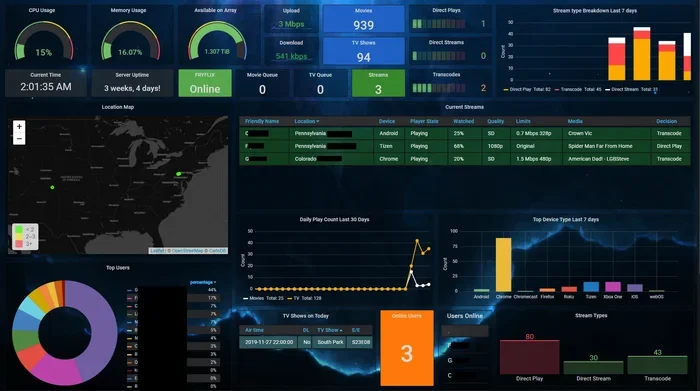
Splunk is one of the most recognized names in the SIEM space. It is known for its powerful log management and real-time analysis capabilities. Splunk can ingest massive volumes of data from virtually any source. Its security dashboard gives teams a clear view of their security posture at a glance.
One of Splunk’s biggest advantages is its flexibility. It works well for organizations with complex, distributed environments. The platform also supports strong threat intelligence integration, which helps teams stay ahead of emerging risks. However, Splunk can be expensive, especially for smaller teams with tight budgets.
IBM QRadar
IBM QRadar is another heavyweight in the SIEM world. It is designed for organizations that need robust anomaly detection and advanced security analytics. QRadar uses a patented event flow engine that processes millions of events per second. This makes it ideal for large enterprises with high-volume environments.
QRadar also offers strong compliance reporting features. It helps teams meet requirements for standards like PCI DSS, HIPAA, and GDPR. The platform includes built-in workflows for incident response, which streamlines the process from detection to resolution. The learning curve can be steep, but the payoff is significant for well-resourced teams.
LogRhythm
LogRhythm is a popular choice for mid-sized organizations. It offers a balanced mix of powerful features and manageable pricing. LogRhythm excels in log aggregation and security event correlation. Its security operations center (SOC) workflow tools help teams prioritize and resolve alerts efficiently.
One standout feature of LogRhythm is its threat hunting capabilities. Analysts can explore data proactively to find hidden threats. The platform also includes a built-in security analytics engine that uses machine learning to reduce false positives. This makes it easier for teams to focus on real risks rather than chasing noise.
Microsoft Sentinel
Microsoft Sentinel is a cloud-native SIEM solution that has been gaining rapid popularity. It is part of the Microsoft ecosystem, which makes it a natural fit for organizations already using Azure and Microsoft 365. Sentinel offers real-time threat detection and seamless integration with other Microsoft security tools.
One of the biggest advantages of Sentinel is its scalability. Because it is cloud-based, you do not need to manage on-premises hardware. It uses a pay-as-you-go pricing model, which can be more cost-effective for growing organizations. Sentinel also supports SOAR (Security Orchestration, Automation, and Response) capabilities, which help automate routine security tasks.
Other Notable SIEM Tools
Beyond the major players, several other SIEM solutions are worth considering:
- Elastic Security (ELK Stack): A flexible, open-source option that offers strong log search and visualization capabilities.
- Securonix: A cloud-based SIEM with a focus on user and entity behavior analytics (UEBA).
- Exabeam: Known for its smart timeline feature that helps analysts investigate incidents faster.
- Sumo Logic: A cloud-native platform that offers strong machine data analytics and observability features.
Key Features to Look for in SIEM Software
Not all SIEM tools are created equal. When evaluating options, it is important to know which features matter most. Here are the capabilities you should prioritize in your search for the right SIEM software.
Log Aggregation and Parsing
The foundation of any SIEM tool is its ability to collect and parse logs. Your SIEM should be able to pull data from firewalls, servers, databases, applications, and cloud services. Without comprehensive log management, you will have blind spots in your security coverage. Look for a platform that supports a wide range of data sources out of the box.
Real-Time Correlation and Alerting
The real power of SIEM comes from its correlation engine. This engine connects events from different sources to identify patterns that indicate a threat. For example, it might flag a login attempt from an unusual location shortly after a failed password attempt. Real-time alerting ensures your team knows about these patterns immediately, not hours or days later.
Threat Intelligence Integration
A strong SIEM tool should integrate with threat intelligence feeds. These feeds provide up-to-date information about known malicious IP addresses, domains, and file hashes. When your SIEM can cross-reference incoming events against this intelligence, it becomes much better at catching threats early. This is a critical component of any modern security operations center.
Compliance and Reporting
If your organization operates in a regulated industry, compliance reporting is non-negotiable. The best SIEM tools include pre-built templates for regulations like GDPR, HIPAA, and PCI DSS. These templates save your team hundreds of hours of manual report generation. They also reduce the risk of compliance gaps that could lead to fines.
Automation and SOAR Capabilities
Security teams are often overwhelmed by the sheer volume of alerts they receive daily. Automation helps by handling repetitive tasks automatically. For example, a SOAR-enabled SIEM can automatically block a suspicious IP address or isolate an infected endpoint. This reduces response times and frees up analysts to focus on more complex investigations.
How to Choose the Right SIEM Tool
Choosing a SIEM tool is a big decision. It affects your security team’s day-to-day operations and your organization’s overall risk posture. Here is a practical guide to help you make the right choice.
Assess Your Organization’s Size and Needs
Start by understanding your own environment. How many logs do you generate daily? How many security analysts are on your team? What industries or regulations do you need to comply with? A small business might find that a lightweight, cloud-based solution like Microsoft Sentinel is the best fit. A large enterprise with complex infrastructure may need the power of Splunk or IBM QRadar.
Consider Your Budget
SIEM tools vary widely in cost. Some charge based on data ingestion volume, while others use a per-user or flat-rate model. It is important to get a clear picture of total cost of ownership. This includes licensing, implementation, training, and ongoing maintenance. Do not forget to factor in the cost of staffing a security operations center if you do not already have one.
Evaluate Ease of Use
Powerful features mean nothing if your team cannot use the tool effectively. Look for a SIEM with an intuitive interface and strong documentation. The learning curve should be manageable for your analysts. Platforms like LogRhythm and Exabeam are often praised for their user-friendly dashboards and streamlined workflows.
Test Before You Commit
Most SIEM vendors offer free trials or proof-of-concept periods. Take advantage of these. Set up a test environment that mirrors your real-world setup. Have your security team try to detect sample threats and generate compliance reports. This hands-on testing will reveal strengths and weaknesses that marketing materials may not mention.
SIEM Tools and Your Security Team
A SIEM tool is only as effective as the people using it. Technology alone cannot protect your organization. Your security team plays a vital role in making SIEM a success. Here is how to get the most out of your investment.
Train Your Analysts Properly
Your analysts need to understand how to use the SIEM platform inside and out. This includes knowing how to write custom correlation rules, interpret dashboards, and investigate alerts. Invest in regular training sessions and encourage your team to pursue certifications. A well-trained team will detect threats faster and respond more effectively.
Tune Your SIEM Continuously
SIEM tools require ongoing tuning to remain effective. Threat landscapes change constantly, and your correlation rules need to keep up. Regularly review your alert thresholds and adjust them based on new threat intelligence. Continuous tuning helps reduce false positives and ensures your team focuses on genuine risks.
Integrate SIEM with Other Security Tools
SIEM should not work in isolation. Integrate it with your firewall, endpoint detection and response (EDR) tools, and vulnerability scanners. This creates a more complete picture of your security landscape. The more data your SIEM can access, the better it can detect and correlate threats across your environment.
Build a Strong Incident Response Plan
Detection is only half the battle. You also need a clear plan for responding to incidents. Your SIEM should be connected to your incident response workflow. When an alert fires, the right people should be notified immediately, and predefined playbooks should guide the response. This reduces chaos and speeds up resolution times.
Common Mistakes to Avoid When Using SIEM Tools
Even the best SIEM tool can fall short if it is not used correctly. Here are some common pitfalls to watch out for.
- Deploying without a clear strategy: Do not just install a SIEM and hope for the best. Define your goals, identify your key data sources, and set measurable objectives before you begin.
- Ignoring false positives: A flood of false alerts can lead to alert fatigue. If your team starts ignoring warnings, real threats may slip through. Invest time in tuning your rules to minimize noise.
- Underestimating resource requirements: SIEM tools need dedicated staff to manage and maintain them. Without the right people, your SIEM will become outdated and ineffective.
- Skipping regular updates: Threat intelligence feeds and correlation rules need regular updates. An outdated SIEM is like a security camera with no recording capability.
- Not involving key stakeholders: SIEM success requires buy-in from IT, compliance, and executive leadership. Make sure all relevant teams are involved from the start.
Expert Insights on SIEM Tools
We spoke with several cybersecurity professionals about their experiences with SIEM tools. Their insights highlight the real-world impact of these platforms.
Sarah, a SOC manager at a mid-sized financial firm, shared her perspective. “We switched to LogRhythm three years ago, and it transformed our security operations. The built-in threat intelligence and compliance templates saved us countless hours. Our team can now detect and respond to threats in minutes instead of hours.”
David, an IT director at a healthcare organization, emphasized the importance of compliance. “HIPAA compliance is a top priority for us. Microsoft Sentinel helped us automate our reporting and gave us confidence that we were meeting all regulatory requirements. The cloud-native approach also saved us significant infrastructure costs.”
Maria, a security consultant working with startups, offered this advice. “Do not let the cost of enterprise SIEM tools scare you away. Start with what fits your budget and scale as you grow. Even a basic SIEM setup gives you a massive security advantage over organizations with no monitoring at all.”
These real-world experiences show that the right SIEM tool can make a tangible difference. The key is to match the platform to your organization’s specific needs and resources.
Key Takeaways
- SIEM tools are the backbone of modern security operations: They collect, analyze, and correlate security data to detect threats in real time.
- There is no one-size-fits-all SIEM solution: The best tool depends on your organization’s size, budget, and security needs.
- Look for essential features like log aggregation, real-time alerting, threat intelligence integration, and compliance reporting: These capabilities form the foundation of effective security monitoring.
- Your team is just as important as the technology: Proper training, continuous tuning, and strong incident response plans maximize SIEM effectiveness.
- Avoid common pitfalls like ignoring false positives and skipping updates: These mistakes can undermine your security posture.
- Start where you are and scale up: You do not need the most expensive tool to make meaningful progress in your security journey.
Final Thoughts
SIEM tools are no longer optional for organizations that take security seriously. They provide the visibility, speed, and intelligence needed to stay ahead of modern cyber threats. Whether you choose Splunk, IBM QRadar, LogRhythm, Microsoft Sentinel, or another platform, the most important step is to start.
The threat landscape will continue to evolve. New vulnerabilities and attack techniques emerge every day. A strong SIEM setup gives your team the tools they need to adapt and respond. It is one of the smartest investments you can make in your organization’s security future.
Take the time to evaluate your options, involve your team, and build a strategy that works for you. The right SIEM solution will not just protect your data. It will give you peace of mind and a significant advantage over those who do not invest in proper security monitoring.
What Does SIEM Stand For?
SIEM stands for Security Information and Event Management. It refers to a category of software that helps organizations collect, analyze, and respond to security alerts and log data in real time.
How Much Do SIEM Tools Cost?
SIEM costs vary widely depending on the vendor, deployment model, and data volume. Cloud-based solutions like Microsoft Sentinel often use a pay-as-you-go model, while on-premises tools like Splunk may charge based on data ingestion rates.
Can Small Businesses Benefit From SIEM Tools?
Absolutely. Small businesses face many of the same cyber threats as large enterprises. Cloud-native and affordable SIEM options make it possible for smaller teams to gain strong security monitoring and threat detection capabilities.
What Is the Difference Between SIEM and SOC?
A SIEM is a software tool, while a SOC (Security Operations Center) is a team or function. SIEM tools support SOC teams by providing the data, alerts, and workflows they need to detect and respond to security incidents.
Do I Need a Dedicated Team to Run a SIEM?
Yes, SIEM tools require skilled analysts to manage, tune, and interpret the data they produce. Without dedicated staff, a SIEM can become ineffective and generate overwhelming numbers of false alerts.
How Long Does It Take to Implement a SIEM Tool?
Implementation timelines vary. A basic deployment can take a few weeks, while a full-scale enterprise rollout with custom rules and integrations may take several months. Proper planning and testing are essential for a successful implementation.
Frequently Asked Questions
What is what are some siem tools?
what are some siem tools is an important topic with many practical applications.