How To Replace Your AC Compressor Without Breaking the Bank
Replacing your AC compressor doesn’t have to drain your wallet. This guide walks you through the entire ac compressor replacement process with clear steps, real cost breakdowns, and expert tips to keep your central air conditioner running strong. Whether you’re a DIYer or just trying to understand what your mechanic is quoting, you’ll find honest advice here.
Your air conditioner works hard every summer to keep your home cool and comfortable. But when the ac compressor replacement becomes necessary, it can feel like a scary and expensive prospect. The good news? You don’t have to go broke to fix your cooling system. This guide breaks down everything you need to know about replacing your ac compressor without spending more than you should.
We’ll cover the warning signs that your ac compressor is failing, the real ac compressor replacement cost, and whether you should try a DIY fix or call a professional. By the end, you’ll feel confident making the right decision for your home and your budget. Let’s dive in.
Key Takeaways
- Know your costs: Ac compressor replacement can range from $500 to $2,500 depending on your unit and whether you DIY.
- Spot the warning signs early: Strange noises, warm air, and frequent cycling are clear ac compressor symptoms you shouldn’t ignore.
- DIY is possible: With the right tools and guidance, you can save hundreds by replacing the air conditioning compressor yourself.
- Avoid common mistakes: Skipping refrigerant recovery or ignoring electrical checks can lead to costly repairs down the road.
- Maintenance matters: Regular AC service can extend compressor life and delay the need for a full ac compressor replacement.
- Get multiple quotes: Always compare ac compressor replacement cost estimates from at least three HVAC professionals.
📑 Table of Contents
- What Does an AC Compressor Do?
- Signs Your AC Compressor Needs Replacement
- How Much Does AC Compressor Replacement Cost?
- Can You Replace an AC Compressor Yourself?
- Step-by-Step Guide to AC Compressor Replacement
- How to Save Money on AC Compressor Replacement
- Common Mistakes to Avoid During AC Compressor Replacement
- How Long Does a New AC Compressor Last?
- When Should You Replace the Entire AC Unit Instead?
- Final Thoughts on AC Compressor Replacement
What Does an AC Compressor Do?
The Heart of Your Cooling System
Think of your ac compressor as the heart of your air conditioning system. It pumps refrigerant through the coils, absorbing heat from inside your home and releasing it outside. Without a working compressor, your central air conditioner simply blows warm air. That’s why ac compressor failure is such a big deal.
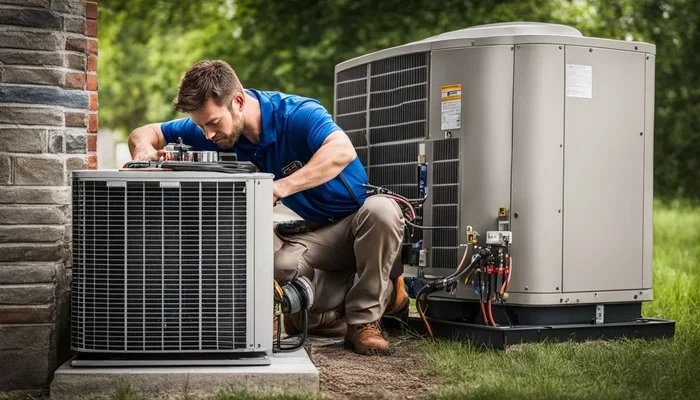
The compressor is located in the outdoor unit, also called the condenser. It runs on electricity and works alongside other parts like the compressor clutch, refrigerant lines, and the ac compressor relay. When any of these components fail, the whole cooling cycle stops.
Understanding how your ac system works helps you make smarter decisions about repairs. You’ll also be better equipped to talk to technicians and avoid being upsold on unnecessary services.
Signs Your AC Compressor Needs Replacement
Don’t Ignore These Warning Signals
Catching ac compressor symptoms early can save you thousands of dollars. Here are the most common signs that something is wrong with your air conditioning compressor:
- Warm air from vents: If your ac blows warm or lukewarm air, the compressor may not be pumping refrigerant properly.
- Strange noises: Grinding, squealing, or clanking sounds from the outdoor unit often point to compressor problems.
- Frequent cycling: If your ac turns on and off more than usual, the compressor might be struggling.
- Ice buildup: Ice on the refrigerant lines or outdoor unit can signal low refrigerant or compressor issues.
- High energy bills: A failing ac compressor works harder, which drives up your electricity costs.
- Tripped breakers: If the outdoor breaker trips repeatedly, the compressor may be drawing too much power.
If you notice any of these ac compressor symptoms, don’t wait. The longer you run a failing unit, the more damage it can cause to other parts of your ac system.
How Much Does AC Compressor Replacement Cost?
Breaking Down the Numbers
The ac compressor replacement cost varies widely based on several factors. On average, homeowners spend between $1,200 and $2,800 for a professional ac compressor replacement. But the range can go from as low as $500 for a simple repair to over $5,000 if you need a full unit swap.
Here’s what drives the price:
- Compressor type: Scroll compressors cost more than reciprocating ones. The ac compressor parts you need depend on your unit’s make and model.
- Refrigerant type: Older units using R-22 refrigerant are more expensive to service than newer R-410A systems.
- Labor rates: HVAC technicians charge $100 to $200 per hour. The ac compressor replacement process takes several hours.
- Additional repairs: If the ac compressor clutch, wiring, or relay needs replacing too, the bill goes up.
- Location: Prices vary by region. Urban areas often cost more than rural locations for ac unit repair services.
One of the best ways to manage ac compressor replacement cost is to get at least three quotes from licensed HVAC contractors. This helps you find a fair price and avoid overpaying.
Can You Replace an AC Compressor Yourself?
The DIY Route: Is It Worth It?
Some homeowners ask, “Can I just replace the ac compressor myself?” The answer is yes, but it comes with risks. A DIY ac compressor replacement can save you $500 or more in labor costs. However, it requires some technical knowledge and the right tools.
Here’s what a DIY ac compressor replacement typically involves:
- Recovering the refrigerant: This requires a refrigerant recovery machine and EPA certification in many areas.
- Disconnecting electrical connections: You’ll need to safely disconnect the ac compressor wiring and relay.
- Removing the old compressor: This involves unbolting the unit and handling heavy components.
- Installing the new compressor: Mounting the new air conditioning compressor and reconnecting all lines.
- Evacuating and recharging the system: You must pull a vacuum and add the correct amount of refrigerant.
- Testing the system: Running the unit to ensure proper cooling and pressure levels.
If you’re comfortable with tools and have basic HVAC knowledge, replacing an ac compressor can be a rewarding project. But if you’ve never worked with refrigerant lines before, hiring a pro is the safer choice. Mistakes during ac compressor diagnosis or installation can lead to expensive damage.
Step-by-Step Guide to AC Compressor Replacement
What Professionals Do (And What You Can Learn)
Whether you hire someone or go the DIY route, knowing the steps helps you understand the process. Here’s a simplified walkthrough of ac compressor replacement:
Step 1: Turn off the power. Always shut off the breaker for the outdoor unit before you start any work on your ac system. Safety comes first.
Step 2: Diagnose the problem. Use a multimeter to check the ac compressor relay and wiring. Confirm that the compressor itself is the issue, not a simpler fix like a capacitor or contactor.
Step 3: Recover the refrigerant. Attach your refrigerant recovery machine to the service ports. This step is legally required in most places and prevents harmful chemicals from entering the atmosphere.
Step 4: Remove the old compressor. Disconnect the refrigerant lines, unbolt the compressor from its mounting, and carefully lift it out of the unit.
Step 5: Install the new compressor. Mount the replacement ac compressor, reconnect the refrigerant lines, and secure all electrical connections. Replace any damaged ac compressor parts like the clutch or relay during this step.
Step 6: Evacuate the system. Use a vacuum pump to remove air and moisture from the lines. This is critical for system performance.
Step 7: Recharge with refrigerant. Add the correct type and amount of refrigerant. Check for leaks using a leak detector solution.
Step 8: Test everything. Power on the unit, set the thermostat to cool, and verify that the system is blowing cold air within 15 to 20 minutes.
Each of these steps requires attention to detail. Rushing through ac compressor troubleshooting or skipping the evacuation step are common mistakes that lead to poor performance or early failure.
How to Save Money on AC Compressor Replacement
Smart Strategies That Actually Work
Nobody wants to pay more than necessary for ac compressor replacement. Here are practical ways to keep your costs down:
- Get multiple quotes: Contact at least three HVAC companies and compare their ac compressor replacement cost estimates.
- Check warranty coverage: Many compressors come with a 5 to 10-year warranty. If yours is still covered, you could save a lot.
- Consider a replacement unit: If your ac system is over 10 years old, replacing the entire unit might be more cost-effective than just swapping the compressor.
- Schedule off-season service: HVAC companies often offer lower rates during spring and fall when demand is lower.
- Ask about rebates: Many utility companies and manufacturers offer rebates for energy-efficient ac compressor replacement.
- Do what you can: Even if you hire a pro, you can save by handling prep work yourself, like clearing the area around the outdoor unit.
One hidden cost people forget about is the refrigerant itself. Depending on your system, refrigerant can add $100 to $300 to your total bill. Ask your contractor if this is included in the quote.
Common Mistakes to Avoid During AC Compressor Replacement
Errors That Cost You Time and Money
Even well-intentioned homeowners and technicians make mistakes during ac compressor replacement. Here are the most common ones to watch out for:
- Skipping the diagnosis: Not every warm-air problem is a compressor issue. Always do proper ac compressor diagnosis before replacing anything.
- Using the wrong refrigerant: Mixing refrigerants or using the wrong type can destroy your new compressor.
- Ignoring electrical issues: A bad ac compressor relay or wiring problem can cause the new compressor to fail within months.
- Not evacuating properly: Trapped air and moisture in the system lead to poor cooling and corrosion.
- Forgetting to replace the ac compressor clutch: If the clutch failed, replacing just the compressor without the clutch often leads to repeat problems.
- Neglecting the filter and coils: Dirty filters and coils put extra strain on the new compressor, shortening its lifespan.
Taking your time and doing the job right the first time saves you from expensive ac unit repair calls later.
How Long Does a New AC Compressor Last?
A properly installed ac compressor should last 10 to 15 years. But that lifespan depends on several factors, including how well you maintain your system. Regular ac service, cleaning the outdoor unit, and changing filters on schedule all contribute to compressor longevity.
Keep an eye on your ac compressor noise levels after replacement. A healthy compressor should run quietly. If you hear rattling, buzzing, or humming that wasn’t there before, call for ac compressor troubleshooting right away. Catching problems early can extend the life of your new compressor by years.
When Should You Replace the Entire AC Unit Instead?
Sometimes replacing just the compressor isn’t the best choice. If your central air conditioner is over 12 years old, the efficiency loss from an older unit may cost you more in energy bills than a new system would. Newer ac units use less energy and often come with better warranties.
Consider a full replacement if:
- Your unit uses R-22 refrigerant, which is being phased out.
- You’ve needed multiple ac compressor replacements in the past.
- The repair cost exceeds 50% of a new unit’s price.
- Your energy bills keep rising despite repairs.
Talk to a trusted HVAC professional about your options. A good tech will give you an honest recommendation, not just the most expensive one.
Final Thoughts on AC Compressor Replacement
Ac compressor replacement doesn’t have to be a financial nightmare. With the right knowledge, you can spot problems early, compare costs, and choose the best path for your home. Whether you go DIY or hire a pro, the key is to act quickly and do the job right.
Remember, your air conditioning compressor is the backbone of your cooling system. Taking care of it means staying cool and comfortable all summer long without worrying about unexpected breakdowns. Use this guide as your go-to resource, and you’ll be well-prepared for whatever comes your way.
Frequently Asked Questions
How long does an AC compressor replacement take?
A professional ac compressor replacement typically takes 4 to 8 hours. DIY projects can take longer, especially if you’re new to HVAC work. The time depends on the complexity of the job and whether other parts need replacing too.
Is it cheaper to replace the compressor or the whole AC unit?
It depends on the age of your system. If your unit is under 8 years old, replacing just the compressor is usually cheaper. For older units, a full ac system replacement often makes more financial sense in the long run.
Can I drive my car with a bad AC compressor?
Yes, a failing ac compressor doesn’t affect your vehicle’s drivability. However, you’ll lose air conditioning, and a seized compressor can eventually damage the serpentine belt and other engine components.
What causes AC compressor failure?
Common causes include refrigerant leaks, dirty coils, electrical problems, lack of maintenance, and normal wear over time. Regular ac service can help prevent many of these issues.
Do I need to replace the AC compressor clutch too?
If the clutch shows signs of wear, it’s smart to replace it along with the compressor. Replacing both ac compressor parts at the same time saves on labor costs and prevents repeat repairs.
How can I reduce my AC compressor replacement cost?
Get multiple quotes, check your warranty, schedule service during the off-season, and ask about rebates. Doing prep work yourself can also lower the overall ac compressor replacement cost significantly.