Beginner Fishing Kit Rod Reel Combo for Getting Started
A beginner fishing kit rod reel combo is the simplest way to start fishing without buying separate pieces. These all-in-one setups save money, reduce confusion, and get you on the water faster. In this guide, we break down everything you need to know about choosing, setting up, and using a beginner fishing kit rod reel combo with confidence. You will learn the key features to look for, common mistakes to avoid, and practical tips that make your first fishing trips enjoyable and successful.
Fishing is one of the most rewarding outdoor activities you can pick up. It gets you outside, reduces stress, and connects you with nature. But when you are just starting out, the world of fishing gear can feel overwhelming. Rods, reels, lines, lures, hooks, tackle boxes, and more — the list goes on.
The good news is that a beginner fishing kit rod reel combo solves this problem. Instead of figuring out which rod goes with which reel, you get a matched set designed to work together right out of the box. Whether you want to fish a quiet pond or try your hand at river fishing, the right combo makes the learning curve much easier.
In this guide, we walk you through everything you need to know about choosing and using a beginner fishing kit rod reel combo. We cover what to look for, how to set it up, common mistakes to avoid, and tips that will help you catch fish from day one. Let us get you ready for your first fishing trip.
Key Takeaways
- A rod and reel combo saves time and money compared to buying each piece separately.
- Spinning combos are the best choice for most beginners because they are easy to use and forgiving.
- Look for medium-light to medium power rods paired with a smooth spinning reel for the most versatile setup.
- A complete kit should include the rod, reel, line, hooks, lures, and a tackle bag.
- Setting up your combo correctly makes a huge difference in casting distance and catch rates.
- Avoid the biggest beginner mistakes like using the wrong line weight or skipping knot-tying practice.
- Start fishing in calm freshwater spots like ponds or slow rivers before tackling more challenging environments.
📑 Table of Contents
- What Is a Beginner Fishing Kit Rod Reel Combo?
- Why Starting with a Rod and Reel Combo Makes Sense
- How to Choose the Best Beginner Fishing Combo
- Top Features to Look for in a Fishing Kit
- Setting Up Your Beginner Fishing Kit
- Common Mistakes Beginners Make with Fishing Combos
- Best Places to Use Your New Fishing Combo
- Final Thoughts
What Is a Beginner Fishing Kit Rod Reel Combo?
A beginner fishing kit rod reel combo is a pre-matched set that includes a fishing rod, a fishing reel, and often additional accessories. The rod and reel are designed to work together in terms of weight, balance, and performance. Many kits also come with fishing line, hooks, lures, swivels, and a small tackle bag.
Think of it like a starter pack for fishing. Instead of spending hours researching each component, you get a proven combination that works well for common fishing situations. This is especially helpful for people who have never fished before or who want a simple setup for casual weekend trips.
These combos come in different styles. Some are designed for freshwater fishing. Others work better in saltwater. Some are built for kids. And some are perfect for adults who are brand new to the sport. The key is finding a fishing combo kit that matches where and what you plan to fish for.
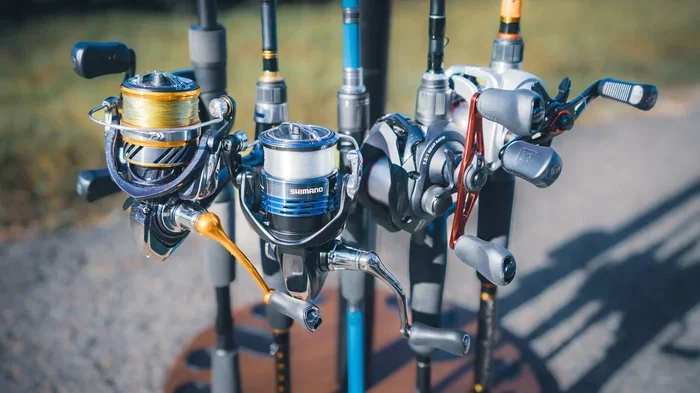
Spinning combos are the most popular choice for beginners. They use a spinning reel mounted under the rod, which makes casting easier and reduces tangles. Casting combos use a baitcaster reel mounted on top of the rod, which offers more control but has a steeper learning curve. For most new anglers, a spinning setup is the clear winner.
Why Starting with a Rod and Reel Combo Makes Sense
You might wonder why you should buy a combo instead of picking out a rod and reel separately. There are several strong reasons that make a beginner fishing kit rod reel combo the smarter choice for getting started.
It Saves You Money
Buying a rod and reel separately can add up quickly. A decent spinning rod might cost 40 to 60 dollars, and a matching reel could be another 40 to 60 dollars. When you add line, hooks, lures, and a tackle bag, the total can easily reach 150 dollars or more.
A fishing combo kit bundles all of these pieces together at a lower price. Manufacturers sell combos in volume, which keeps costs down. You often get accessories included that you would have to buy separately otherwise. For a new angler on a budget, this is a huge advantage.
It Reduces Decision Fatigue
Walking into a tackle shop or browsing online can be paralyzing. There are dozens of rod brands, reel models, line types, and lure options. When you are just starting out, too many choices can lead to frustration and poor purchases.
A starter fishing kit takes the guesswork out of the equation. The rod and reel are already matched for compatibility. You know the setup will work, and you can focus on learning to fish instead of researching gear. This is one of the biggest benefits of choosing a combo over a build-it-yourself approach.
It Gets You Fishing Faster
Time is valuable, especially when you are excited to try fishing for the first time. With a pre-matched combo, there is no waiting for parts to arrive or wondering if things will fit together. You open the box, assemble the pieces, attach some line, and you are ready to go.
This fast setup means more time on the water and less time in the garage figuring things out. For beginners, that quick start can make the difference between falling in love with fishing and giving up before you really get going.
How to Choose the Best Beginner Fishing Combo
Not all fishing rod and reel combos are created equal. Some are better for certain situations than others. Here is how to pick the right one for your needs.
Match the Rod to the Reel
The rod and reel in a combo should be designed to work together. The reel seat on the rod needs to fit the reel size. The line guides on the rod need to be sized correctly for the line the reel uses. When these pieces are matched properly, the whole setup feels balanced and casts smoothly.
Look for combos where the manufacturer has already done this matching for you. Most reputable brands test their combos to ensure they perform well together. This is another reason why buying a combo is better than mixing and matching pieces on your own.
Consider the Fishing Style
Think about where you plan to fish and what you want to catch. This will determine the type of beginner fishing kit rod reel combo you need.
- Freshwater pond or lake fishing: A medium-light spinning combo with a 6.5 to 7-foot rod works great for panfish, bass, and trout.
- River fishing: A medium power rod with a fast action tip gives you the control needed for current and larger fish.
- Coastal or surf fishing: Look for a saltwater-rated combo with a longer rod and a reel that holds more line.
- Kayak or boat fishing: A shorter, more compact combo is easier to manage in a small watercraft.
For most first-time anglers, a medium-light spinning combo in the 6.5 to 7-foot range is the most versatile option. It handles a wide variety of fish species and fishing conditions.
Check the Quality of the Components
Even budget combos should have decent parts. Look for rods with fiberglass or graphite blanks, as these materials offer good sensitivity and durability. The reel should have a smooth drag system and a reliable line pickup. The line guides should be made of ceramic or stainless steel to prevent line wear.
You do not need top-of-the-line gear to start fishing. But you do want a setup that will not fall apart after a few outings. Reading reviews and checking ratings helps you find a fishing combo kit that offers good value without sacrificing quality.
Top Features to Look for in a Fishing Kit
A great beginner fishing kit rod reel combo includes more than just a rod and reel. Here are the features that make a kit worth buying.
Rod Material and Power
The rod is the backbone of your setup. Rods come in different materials, and each has its advantages.
- Fiberglass rods are durable and flexible, making them very forgiving for beginners. They are also affordable and hard to break.
- Graphite rods are lighter and more sensitive, which helps you feel bites more easily. They are a bit more fragile but offer better performance.
- Composite rods combine fiberglass and graphite for a balance of durability and sensitivity.
Rod power refers to how much force is needed to bend the rod. For beginners, medium-light to medium power is ideal. It is versatile enough to handle small and medium-sized fish without being too stiff or too whippy.
Reel Type and Line Capacity
The spinning reel is the go-to choice for most entry level fishing setup packages. Spinning reels mount under the rod, which creates a balanced feel. They are easy to cast, simple to maintain, and work well with lighter lines.
Look for a reel with a smooth ball bearing system, which ensures the spool spins freely. A line capacity of about 100 to 150 yards of 8 to 10 pound test line is sufficient for most beginner fishing situations. The drag system should be easy to adjust and hold steady under pressure.
Included Accessories
The best fishing gear for beginners comes with more than just the rod and reel. Look for kits that include:
- Pre-spooled fishing line or extra line spools
- A selection of hooks in different sizes
- Assorted lures and baits
- Swivels and sinkers
- A small tackle bag or tackle box
- A fishing pliers or line cutter
These extras save you from having to buy them separately. Even if the included accessories are basic, they give you enough to start fishing right away. You can always upgrade to better gear as you gain experience.
Setting Up Your Beginner Fishing Kit
Once you have your beginner fishing kit rod reel combo, the next step is setting it up correctly. A proper setup makes a big difference in how well you cast, how far you can reach, and how successfully you hook fish.
Spooling the Line
If your combo does not come with line already on the reel, you will need to spool it yourself. This is a simple process that takes just a few minutes.
- Open the bail on the spinning reel.
- Tie the fishing line to the spool using an arbor knot.
- Place the line spool on a flat surface.
- Cast the reel forward and let the line feed onto the spool.
- Keep tension on the line to prevent tangles and slack.
- Fill the spool to about 1/8 inch from the rim.
Make sure the line comes off the filler spool in the same direction it goes onto your reel spool. If the line twists, it will cause casting problems and bird’s nests. This is one of the most common issues beginners face, and it is easy to prevent with proper spooling technique.
Attaching the Hook and Lure
With the line on the reel, you need to tie on a hook or lure. The improved clinch knot is the most popular knot for beginners because it is simple and strong.
- Pass the line through the eye of the hook.
- Wrap the line around the standing line five to seven times.
- Pass the end back through the loop near the eye.
- Then pass it through the large loop you just created.
- Wet the knot and pull tight to secure it.
Practice this knot a few times before you go fishing. Once you get the hang of it, tying on a hook becomes second nature. A hook and lure setup like this works for most freshwater fishing situations.
Adjusting the Drag
The drag is the system that controls how much resistance the reel puts up when a fish pulls line out. You want the drag tight enough to control a fish but loose enough that the line can run when the fish makes a strong run.
To set the drag, pull the line off the reel by hand. It should start to slip at a pressure that feels firm but not forced. When you hook a fish, you can adjust the drag knob to increase or decrease resistance as needed.
Common Mistakes Beginners Make with Fishing Combos
Even with the best beginner fishing kit rod reel combo, mistakes happen. Knowing what to avoid can save you frustration and help you catch more fish.
Using the Wrong Line Weight
Every rod and reel combo is rated for a specific line weight. Using line that is too heavy or too light affects casting distance and can damage your gear. Check the rod specifications and match your line to the recommended range. For most beginner setups, 8 to 10 pound test monofilament line is a safe and versatile choice.
Skipping Knot Practice
Tying fishing knots can be tricky at first. Many beginners tie weak knots that come loose when a fish bites. Practice your knots at home before you go to the water. The improved clinch knot and the palomar knot are two of the easiest and strongest knots for beginners to learn.
Overlooking Maintenance
Saltwater and even freshwater can cause your gear to corrode or collect debris. After each fishing trip, rinse your rod and reel with fresh water. Wipe down the reel and check the line for fraying. Simple maintenance extends the life of your fishing pole and reel combo by years.
Buying the Cheapest Option
It is tempting to grab the cheapest combo you can find, but very budget options often come with poor-quality components. A reel that sticks or a rod that snaps easily will discourage you from fishing. Spend a little more on a reputable brand, and your gear will perform better and last longer.
Best Places to Use Your New Fishing Combo
Now that your beginner fishing kit rod reel combo is set up, where should you go fishing? Starting in the right spot makes your first trips more productive and more enjoyable.
Local ponds and small lakes are ideal for beginners. They are easy to access, usually calm, and stocked with fish like bass, bluegill, and trout. You can fish from the shore, a dock, or a small boat. These waters also give you plenty of space to practice casting without worrying about snags or strong currents.
Slow-moving rivers and streams are another great option. Look for calm pools or bends in the river where fish like to rest. These spots are often easy to access and offer a peaceful fishing experience. Just be mindful of the current and wear appropriate footwear.
Community fishing ponds are often stocked with fish specifically for anglers of all skill levels. Many parks and recreation areas maintain these ponds and charge a small fee or require a daily pass. They are a fantastic place to practice your skills and build confidence before moving to larger bodies of water.
As you gain experience, you can explore more challenging environments like coastal shorelines, deeper lakes, or even freshwater reservoirs. Each new setting teaches you something new about fishing and helps you grow as an angler.
Final Thoughts
Starting your fishing journey does not have to be complicated or expensive. A beginner fishing kit rod reel combo gives you everything you need to get started in one simple package. From choosing the right setup to learning basic knots and casting techniques, the path to becoming a confident angler starts with the right gear.
Focus on finding a combo that matches where you plan to fish and what you want to catch. Pay attention to rod power, reel quality, and included accessories. Set up your gear correctly, practice your knots, and take care of your equipment. With these steps, you will be well on your way to enjoying the timeless sport of fishing.
Remember, every expert angler started as a beginner. The most important thing is to get out there, have fun, and enjoy the experience. Your fishing combo kit is the first step on a journey that can bring you years of relaxation, adventure, and great catches. So grab your gear, find a nice spot by the water, and start reeling.
Frequently Asked Questions
What is the best beginner fishing kit rod reel combo for freshwater fishing?
A medium-light spinning combo in the 6.5 to 7-foot range is the best choice for most freshwater fishing situations. These combos handle panfish, bass, and trout effectively and are easy to cast. Look for kits from reputable brands that include line, hooks, and lures for a complete starter setup.
How much should I spend on a beginner fishing combo?
Most quality beginner fishing combos cost between 30 and 80 dollars. You do not need to spend a lot to get a setup that works well. Focus on getting a combo with a smooth spinning reel and a durable rod, and you will have a great experience without breaking the bank.
Can kids use a beginner fishing kit rod reel combo?
Yes, many manufacturers offer kid-friendly combos with shorter rods and smaller reels. These are designed for younger anglers and make learning to fish fun and manageable. Look for combos specifically labeled for kids or youth to get the right fit and performance.
Do I need to buy extra accessories with a fishing combo kit?
Most combos include basic accessories like line, hooks, and lures, so you can start fishing right away. However, you may want to add a tackle box, fishing pliers, and a cooler for longer trips. As you get more serious, you can gradually build out your gear collection over time.
How do I maintain my rod and reel combo after fishing trips?
Rinse your rod and reel with fresh water after every trip, especially if you fish in saltwater. Dry them with a soft cloth and store them in a cool, dry place. Check the line regularly for fraying and replace it when needed. A little maintenance goes a long way in keeping your fishing gear for beginners in top shape.
Is a spinning reel or baitcaster better for a beginner?
A spinning reel is almost always the better choice for beginners. Spinning reels are easier to cast, less prone to tangles, and more forgiving of mistakes. Baitcaster reels offer more precision but require more skill to use effectively. Start with a spinning combo and consider upgrading to a baitcaster as you gain experience.