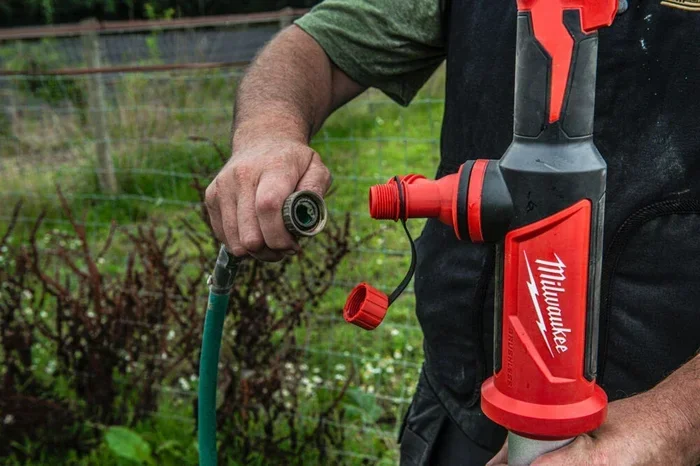
Can Milwaukee Tools Get Wet Here Is What You Need To Know
Many Milwaukee tools are built to handle moisture, but not all are fully waterproof. Understanding your tool’s water resistance rating and taking proper precautions can prevent costly damage and keep your Milwaukee tools performing at their best. Here is what every user needs to know about using Milwaukee equipment in wet conditions.
Can Milwaukee tools get wet? This is a question that comes up a lot among DIYers and professionals alike. The short answer is: it depends on the tool. Milwaukee builds some models with impressive water resistance, but that does not mean you should just throw them in a puddle and walk away.
Your Milwaukee tools represent a significant investment. Whether you rely on a Milwaukee M18 drill or a heavy-duty air compressor, keeping them in good shape matters. Water damage can ruin a tool fast, and repairs are expensive. So let us break down exactly what you need to know about power tool durability and moisture exposure.
In this guide, we will cover everything from IP ratings to practical tips for working in wet conditions. By the end, you will know exactly how to protect your gear and get the best performance out of every tool.
Key Takeaways
- Milwaukee tools vary in water resistance: Some models handle light moisture while others should stay completely dry.
- Check the IP rating: This tells you exactly how protected a tool is against water and dust ingress.
- Battery-powered Milwaukee tools need extra care: Moisture can damage the fuel cell and battery connections.
- Warranty may not cover water damage: Always review the terms before exposing your tools to wet conditions.
- Simple precautions go a long way: Using tool covers, drying tools after use, and proper storage prevent most moisture-related issues.
- Air compressors need special attention: Moisture in the tank can affect performance and tool output.
📑 Table of Contents
- Understanding Milwaukee Tool Water Resistance
- IP Ratings and What They Mean for Your Tools
- Which Milwaukee Tools Handle Wet Conditions Best?
- How to Protect Your Milwaukee Tools From Water Damage
- Common Mistakes That Cause Water Damage
- Expert Tips for Working in Wet Conditions
- Does Water Damage Affect Milwaukee Tool Warranty?
- Quick Tips for Keeping Milwaukee Tools Dry
- Final Thoughts
Understanding Milwaukee Tool Water Resistance
Not all Milwaukee tools are created equal when it comes to handling water. Some models are built with sealed housings and rubber gaskets that keep moisture out. Others have exposed electronics that can short out with just a few drops.
What Does Water Resistant Mean?
Water resistant means a tool can handle light moisture, like rain or splashes. It does not mean the tool can be submerged. Think of it like a water-resistant jacket. It will handle a light drizzle, but you would not wear it swimming.
Milwaukee uses different protection levels across its product lines. The Milwaukee M18 and M12 tool lines often feature advanced sealing. These cordless tools are designed for tough job sites where moisture is unavoidable. Still, you should always check the specific model’s rating before using it in the rain.
What Does Waterproof Mean?
Truly waterproof tools are rare in the power tool world. A waterproof tool can handle full submersion for a set period. Very few Milwaukee tools carry a true waterproof rating. Most tools marketed as “water resistant” will handle splashes and light rain but will fail if soaked for too long.
If you need a tool that can handle heavy moisture, look for models with high IP ratings. The IP rating system gives you a clear picture of what a tool can handle. It removes all the guesswork from the equation.
IP Ratings and What They Mean for Your Tools
The Ingress Protection (IP) rating is a two-digit code that tells you how well a tool resists solids and liquids. The first digit covers dust protection. The second digit covers water protection. The higher the number, the better the protection.
| IP Rating | Dust Protection | Water Protection | What It Means for Milwaukee Tools |
|---|---|---|---|
| IP54 | Dust protected | Splash resistant | Safe for light rain and dusty job sites |
| IP65 | Dust tight | Water jets | Can handle heavy spraying and wet conditions |
| IP67 | Dust tight | Immersion up to 1 meter | Can survive temporary submersion |
| IP68 | Dust tight | Continuous immersion | Fully waterproof for extended periods |
Most Milwaukee cordless tools fall in the IP54 to IP67 range. This means they handle everyday job site moisture very well. But they are not magic. You still need to be smart about how and where you use them.
For air compressor units, the story is a bit different. Compressors have motors, tanks, and electrical connections that all react differently to moisture. Even a rain resistant compressor needs regular maintenance to keep moisture from building up inside the tank.
Which Milwaukee Tools Handle Wet Conditions Best?
Some Milwaukee tools are built tougher than others when it comes to moisture. Here is a look at the most common tool types and how they handle wet environments.
Cordless Drills and Impact Drivers
Milwaukee M18 and M12 drills are some of the most popular on the market. They feature sealed switches and rubber-coated housings. These battery-powered tools can handle job site rain and splashes without issue. However, you should never leave them sitting in puddles or expose them to heavy hose spray.
The battery connection points are the most vulnerable areas. Moisture can corrode the contacts and kill the Milwaukee fuel cell faster than you expect. Always wipe down the battery terminals after working in damp conditions.
Saws and Cutting Tools
Circular saws and reciprocating saws generate a lot of heat. When you mix heat with moisture, you create condensation inside the tool housing. This can cause rust on internal components and short out electrical connections.
Milwaukee’s higher-end saw models come with better sealing. But even these tools need care. Never cut wet materials for extended periods without letting the motor cool and dry out.
Air Compressors
Air compressors and moisture have a complicated relationship. When air gets compressed, water vapor condenses into liquid. This collects in the tank over time. If you do not drain the tank regularly, rust builds up and affects performance.
Want to learn how to keep your compressor performing at its best? Check out our guide on how to get more CFM from your air compressor. It covers essential maintenance tips that help you maximize output and prevent moisture-related problems.
Milwaukee compressors are well-built, but they are not immune to water damage. Always store them in a dry place and use a moisture trap on the output line.
Sanders and Grinders
These tools have vents and moving parts that let moisture in easily. The abrasive discs also trap water, which reduces their effectiveness and can cause dangerous kickback. Keep sanders and grinders as dry as possible for both safety and performance reasons.
How to Protect Your Milwaukee Tools From Water Damage
Prevention is always better than repair. A few simple habits can extend the life of your Milwaukee tools dramatically. Here are the best ways to keep moisture away from your gear.
Use Tool Covers and Cases
Soft cases and hard shells protect tools from rain, snow, and humidity. Milwaukee sells official cases for most of its tool lines. After every job, wipe down your tools and store them in a sealed case. This simple step prevents moisture from settling on metal surfaces and electrical components.
Dry Your Tools After Every Use
Get in the habit of drying your tools after each use. A clean rag works perfectly. Pay special attention to vents, switches, and battery contacts. Even small amounts of trapped moisture can cause corrosion over time.
Store Tools in a Dry Environment
Do not leave your Milwaukee tools in a damp garage or truck bed overnight. Humidity causes slow but steady damage. Use a dehumidifier in your storage area if needed. A dry storage space keeps tools in top condition for years.
Use Silica Gel Packs in Storage
Silica gel packs absorb moisture from the air inside tool cases. They are cheap, reusable, and incredibly effective. Toss a few packs into each case and replace them every few months. This is one of the best-kept secrets among professional tradespeople.
Check Seals and Gaskets Regularly
Over time, rubber seals can crack or wear out. These seals protect the inside of your tools from moisture. Inspect them every few months and replace any that look damaged. A worn seal is an open invitation for water to get inside.
Common Mistakes That Cause Water Damage
Even the most durable Milwaukee tools can suffer from careless handling. Here are the mistakes that cause the most water-related damage.
Leaving Tools Out in the Rain
This one seems obvious, but it happens all the time. People set their tools down on a wet surface and forget about them. Even water-resistant tools can suffer if left exposed for too long. Always put tools away when it starts raining.
Using Tools Near Standing Water
Working near puddles, wet concrete, or flooded areas is risky. Water can splash into vents and seams that are not fully sealed. Keep your tools on dry surfaces whenever possible.
Ignoring Battery Corrosion
Corroded battery terminals are a silent killer. Moisture creeps in, causes oxidation, and slowly kills the connection. If your battery is not holding a charge like it used to, check the contacts for green or white buildup. Clean them with a cotton swab dipped in white vinegar.
Skipping Maintenance After Wet Use
Using a tool in the rain and then just throwing it in the closet is a recipe for disaster. Always clean and dry your tools after exposure to moisture. A few minutes of care saves you hundreds in repairs.
Assuming All Models Are Equal
Not every Milwaukee tool has the same level of water resistance. The newer M18 FUEL models feature better sealing than older versions. Always check the specific model’s specs before assuming it can handle wet conditions.
Expert Tips for Working in Wet Conditions
Sometimes you have no choice but to work in the rain or damp environments. Here is how the pros handle it.
Invest in Waterproof Accessories
Waterproof tool holsters, cable covers, and connector boots add an extra layer of protection. They are inexpensive and easy to use. A small investment can save a lot of money on replacements.
Keep a Rag and a Small Towel in Your Belt
Professional tradespeople always have something to wipe down their tools. A quick wipe after a rain shower makes a huge difference. It takes five seconds and adds years to tool life.
Know When to Stop
If the rain is heavy or conditions are truly dangerous, stop working. No tool is worth risking your safety. Wait for the weather to clear or move to a covered area.
Use a Moisture Meter on Your Compressor Tank
For anyone running an air compressor, a moisture meter helps you track how much condensation has built up. This prevents rust from forming inside the tank and keeps your output clean and dry.
Does Water Damage Affect Milwaukee Tool Warranty?
This is a question many users ask, and the answer is not always straightforward. Milwaukee warranties cover manufacturing defects, but they typically do not cover damage caused by misuse or environmental exposure.
Water damage caused by using a tool in conditions it was not rated for usually falls outside warranty coverage. Always read the warranty terms carefully. If a tool fails due to a manufacturing defect, Milwaukee will honor the claim. But if you left your drill in a puddle, you are on your own.
The best approach is prevention. Take care of your tools, and you will not have to worry about warranty claims. Keep them dry, store them properly, and maintain them regularly.
Quick Tips for Keeping Milwaukee Tools Dry
- Wipe down tools with a dry cloth after every use.
- Store tools in sealed cases with silica gel packs.
- Check battery contacts for corrosion monthly.
- Never leave tools in a wet truck bed or damp garage.
- Use waterproof accessories for outdoor jobs.
- Drain your air compressor tank after every use.
- Inspect rubber seals and gaskets every few months.
- Know your tool’s IP rating before working in wet conditions.
Final Thoughts
So, can Milwaukee tools get wet? The answer is yes, but with limits. Most Milwaukee tools handle light moisture and rain just fine. They are built for real job sites where conditions are not always perfect. But they are not indestructible, and water damage is one of the fastest ways to ruin a quality tool.
Understanding your tool’s water resistance rating, taking simple precautions, and maintaining your gear properly will keep your Milwaukee tools running strong for years. A little care goes a long way when it comes to protecting your investment.
Whether you are using a Milwaukee M18 drill on a rainy construction site or running an air compressor in a damp garage, the key is awareness. Know what your tools can handle, and do not push them beyond their limits. Your tools will thank you with reliable performance every single time you pick them up.
Stay dry, stay prepared, and keep your Milwaukee gear in the best shape possible. Your future self will be glad you did.
Frequently Asked Questions
Are Milwaukee M18 tools waterproof?
Most Milwaukee M18 tools are water resistant, not fully waterproof. They can handle rain, splashes, and light moisture. However, they should not be submerged in water or exposed to heavy hose spray for extended periods.
Can I use my Milwaukee drill in the rain?
Yes, you can use most Milwaukee drills in light rain. These tools are designed for job site conditions where moisture is common. Just make sure to dry the tool thoroughly after use and avoid leaving it in wet conditions for too long.
What happens if water gets inside my Milwaukee tool?
Water inside a tool can cause corrosion, short out electrical connections, and ruin the motor. If water gets inside, disconnect the battery immediately, let the tool dry completely, and inspect for damage before using it again.
How do I know if my Milwaukee tool is water resistant?
Check the product manual or spec sheet for the IP rating. The IP rating tells you exactly how protected the tool is against water and dust. Higher numbers mean better protection.
Does Milwaukee cover water damage under warranty?
Generally, no. Milwaukee warranties cover manufacturing defects but not damage caused by water exposure or misuse. Always review your specific warranty terms to understand what is and is not covered.
Should I drain my Milwaukee air compressor tank after every use?
Yes, absolutely. Moisture from compressed air collects in the tank and can cause rust and performance issues. Draining the tank after every use is one of the simplest and most effective maintenance habits you can build.