Must Have Car Repair Tool Kit Essentials for Beginners
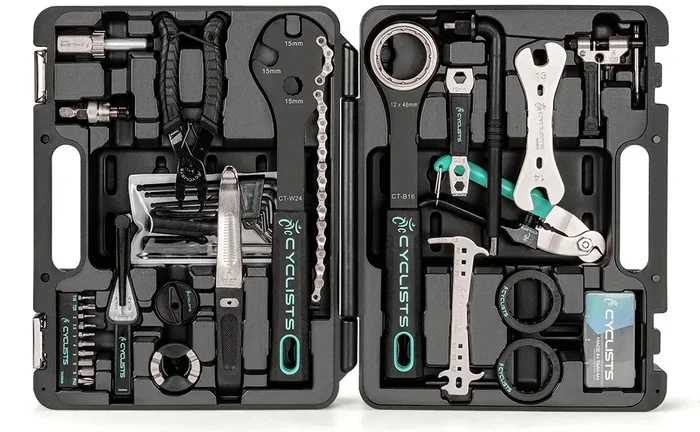
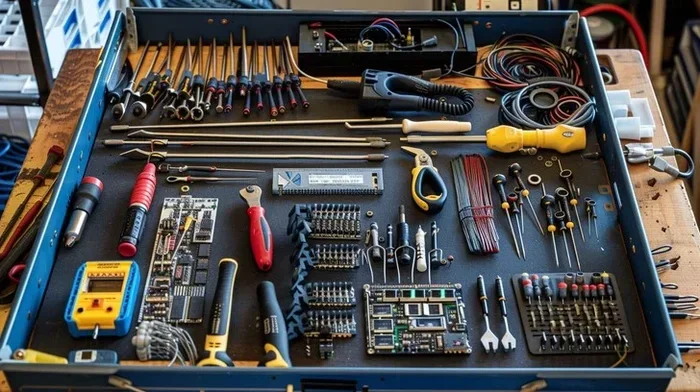
Building a car repair tool kit as a beginner starts with the right essentials. A quality socket set, wrenches, and a reliable jack form the foundation of every beginner’s toolkit. You’ll also need diagnostic tools, screwdrivers, and safety gear to handle common repairs confidently. This guide walks you through every tool you need, why each matters, and how to build a kit that grows with your skills.
Key Takeaways
- Start with the basics: A socket wrench set, combination wrenches, and a jack are the non-negotiable foundation of any car repair tool kit.
- Quality over quantity: Investing in a few high-quality tools beats owning dozens of cheap ones that break or strip bolts.
- Safety gear is essential: Gloves, safety glasses, and proper lighting protect you while you work on your vehicle.
- Build your kit gradually: You don’t need everything at once. Start with the essentials and expand as you tackle more repairs.
- Storage matters: A good toolbox keeps your tools organized, protected, and easy to find when you need them.
- Learn each tool’s purpose: Understanding how and when to use each tool prevents damage and makes repairs faster.
📑 Table of Contents
- Why Every Beginner Needs a Car Repair Tool Kit
- The Essential Tools Every Car Repair Tool Kit Should Have
- Must-Have Diagnostic and Safety Tools
- Building Your Car Repair Tool Kit on a Budget
- Organizing Your Car Repair Tool Kit
- Common Mistakes Beginners Make with Their Tool Kit
- Where to Buy Quality Car Repair Tools
- Conclusion
Why Every Beginner Needs a Car Repair Tool Kit
Owning a car comes with responsibilities. Regular maintenance and occasional repairs are part of the deal. But here is the good news. You do not need to be a professional mechanic to handle many common fixes. With the right car repair tool kit, you can save hundreds of dollars and learn valuable skills at the same time.
A beginner tool kit does not need to be expensive or overwhelming. It just needs the right tools, organized in a way that makes sense to you. Think of it as building a foundation. You start with the essentials and add more as your confidence grows.
Many people put off learning basic car maintenance because they feel intimidated. But the truth is simple. Most common car repairs only require a handful of tools. Once you have them and know how to use them, you will wonder why you ever paid a shop to do simple jobs.
Beyond saving money, working on your own car gives you a deeper understanding of your vehicle. You will notice small problems before they become big ones. That awareness alone can prevent costly breakdowns down the road.
The Essential Tools Every Car Repair Tool Kit Should Have
Let us get into the heart of the matter. What tools do you actually need? Below is a detailed breakdown of every essential tool for a beginner’s kit. Each item earns its place for a reason.
Socket Wrench Set
A socket wrench set is the single most important tool in any car repair tool kit. It handles the majority of bolt and nut removal tasks on modern vehicles. You will use it for oil changes, brake jobs, and engine component swaps.
Start with a 3/8-inch drive set. It covers most common car repairs. A 1/2-inch drive is also useful for heavier jobs. Look for a set that includes both metric and standard sizes. Most cars use metric fasteners, but some older models still use standard measurements.
Here is what to look for in a quality socket set:
- Deep and shallow sockets in common sizes (10mm to 24mm for metric)
- A ratchet handle with a comfortable grip
- Extension bars for reaching tight spots
- A universal joint for angled access
Pro tip. Buy a set from a reputable brand. Cheap sockets strip bolts easily. That creates more problems than it solves. A good socket set will last you decades with proper care.
Combination Wrenches
While a socket wrench covers most jobs, combination wrenches handle the rest. Each wrench has an open end on one side and a closed ring on the other. This gives you two sizing options in one tool.
You will reach for combination wrenches constantly. They are especially handy in tight spaces where a socket and ratchet will not fit. A set covering 8mm through 19mm covers the vast majority of car repair needs.
Here is a quick comparison of socket wrenches versus combination wrenches:
| Feature | Socket Wrench | Combination Wrench |
|---|---|---|
| Best for | Most bolt removal tasks | Tight spaces and quick turns |
| Speed | Fast with ratchet action | Slower, manual turning |
| Reach | Excellent with extensions | Limited by length |
| Portability | Bulkier set | Compact and lightweight |
| Cost | Moderate to high | Low to moderate |
Both tools earn their place in your automotive repair kit. They complement each other perfectly.
Jack and Jack Stands
You cannot do much underneath a car without lifting it safely. A hydraulic floor jack raises the vehicle, while jack stands hold it securely at height. Never work under a car supported only by a jack. Jacks can slip or fail, and the results can be catastrophic.
For most sedans and SUVs, a 2-ton jack works perfectly. Heavy trucks may need a 3-ton or 4-ton option. Always pair your jack with rated jack stands. Place the stands on solid, level ground before sliding underneath.
Key safety points for using a jack and stands:
- Never rely on a jack alone as support
- Always place jack stands on firm, flat surfaces
- Double-check stability before working underneath
- Use wheel chocks to prevent rolling
Screwdriver Set
A solid screwdriver set handles countless tasks in and around your car. From removing trim panels to adjusting belts, screwdrivers are always in demand.
Invest in both Phillips and flat-head sizes. A quality set should include small, medium, and large sizes for each type. Magnetic tips are a huge help when working in awkward positions. They keep screws from falling into places you cannot reach.
One often-overlooked tip. Keep your screwdrivers sharp and in good condition. A worn screwdriver strips screw heads quickly. That makes removal much harder and can damage the screw entirely.
Pliers and Wire Tools
Pliers come in many shapes and sizes, and each serves a unique purpose. Needle-nose pliers reach into tight spaces. Channel-lock pliers grip round objects like hoses and pipes. Cutting pliers handle wire and small fasteners.
For electrical work, a basic wire stripper and crimper set is invaluable. Many modern cars rely heavily on electrical systems. Being able to repair or replace a simple wire can save you a trip to the mechanic.
Here are the pliers every beginner should own:
- Needle-nose pliers for precision gripping
- Channel-lock pliers for adjustable gripping
- Diagonal cutting pliers for cutting wire
- Wire strippers for electrical repairs
Torque Wrench
A torque wrench ensures you tighten bolts to the exact specification your vehicle requires. Over-tightening can strip threads or crack components. Under-tightening can cause parts to come loose while driving.
For beginners, a click-type torque wrench is the easiest to use. You set the desired torque value, and it clicks when you reach it. This removes all guesswork and protects your engine and chassis.
Use a torque wrench for critical fasteners like:
- Lug nuts on your wheels
- Engine head bolts
- Suspension components
- Any bolt with a specified torque value in your owner’s manual
Must-Have Diagnostic and Safety Tools
Beyond the basic hand tools, a few diagnostic and safety items round out a complete car repair tool kit. These tools help you identify problems and keep you safe while working.
OBD-II Diagnostic Scanner
Modern cars are packed with sensors and computers. When something goes wrong, your check engine light tells you there is a problem. But it does not tell you what the problem is. An OBD-II scanner bridges that gap.
A basic scanner plugs into your car’s diagnostic port and reads error codes. Many affordable options connect to your phone via Bluetooth. The app translates the codes into plain language, helping you understand exactly what needs fixing.
You do not need an expensive scanner as a beginner. A basic code reader that displays common error codes is more than enough to start. As you gain experience, you can upgrade to a more advanced model.
Multimeter
A multimeter measures voltage, current, and resistance. It is an essential tool for diagnosing electrical problems in your vehicle. From testing battery health to checking fuse continuity, a multimeter gives you answers fast.
Look for a digital multimeter with a clear display and auto-ranging features. These models are beginner-friendly and accurate enough for most car electrical diagnostics.
Flashlight and Work Light
You will often work in dark spaces under the hood or beneath the car. A bright flashlight makes a huge difference. A head-mounted flashlight keeps both hands free while you work.
Consider also a portable work light. These rechargeable lights clip onto your toolbox or hang from a hook. They illuminate large areas and make it easy to spot leaks, cracks, and loose connections.
Safety Gear
Protecting yourself should always come first. Safety gear is not optional. It is a core part of any automotive tool set.
At a minimum, invest in these items:
- Safety glasses to protect your eyes from debris and fluids
- Nitrile gloves to keep your hands clean and protected from chemicals
- Closed-toe shoes to protect your feet from falling tools or parts
- A respirator mask when working with solvents or dusty materials
Also, keep a fire extinguisher in your garage. It is a small investment that can prevent a major disaster. And never work on a car with the engine running in an enclosed space. Carbon monoxide is a silent and deadly danger.
Building Your Car Repair Tool Kit on a Budget
One of the biggest advantages of owning your own tools is cost savings over time. But you do not need to buy everything at once. A smart, gradual approach keeps costs manageable while building a reliable kit.
Phase One: The Essentials
Start with the absolute basics. A socket wrench set, a few combination wrenches, a jack and jack stands, and a screwdriver set. These tools handle the majority of beginner repairs. Total cost for a quality starter set typically runs between 100 and 250 dollars.
Focus on quality in this first phase. Buy fewer tools, but buy good ones. A single high-quality socket wrench outperforms five cheap ones. Your tools should last for years, not months.
Phase Two: Expanding Your Kit
Once you have handled a few basic repairs, you will naturally identify gaps. Maybe you need a torque wrench for lug nuts. Or perhaps a multimeter for electrical diagnostics. Add tools one at a time as you need them.
This phased approach has several advantages:
- You learn each tool’s purpose before buying the next
- You avoid wasting money on tools you will not use
- Your kit grows at a pace that matches your skill level
- Each purchase feels intentional and rewarding
Phase Three: Advanced Additions
As your confidence grows, consider adding specialty tools. An oil filter wrench, a brake bleeder kit, and a hydraulic press are examples of tools that open up more advanced repairs. But remember. These additions come naturally with experience, not all at once.
Organizing Your Car Repair Tool Kit
Having great tools means nothing if you cannot find them when you need them. Organization is the secret weapon of every productive DIY mechanic.
Start by choosing the right toolbox. A rolling chest with deep drawers works well for most home garages. If space is limited, a compact tool bag with reinforced handles gets the job done.
Here are some organization tips that work:
- Group tools by type. Keep all sockets together, all wrenches together, and so on.
- Use foam inserts. Custom-cut foam keeps each tool in its place and prevents rattling.
- Label everything. A simple label maker saves time when you need a specific tool fast.
- Keep a checklist. A printed list of all your tools helps you notice what is missing.
After each repair session, take five minutes to return everything to its place. This small habit keeps your car maintenance toolkit ready for the next job. It also prevents the frustrating search for a missing socket at the worst possible moment.
One more thing worth mentioning. Keep your tools clean and lightly oiled. Wipe them down after each use and store them in a dry place. Clean tools last longer and perform better. A little maintenance goes a long way.
Common Mistakes Beginners Make with Their Tool Kit
Everyone makes mistakes when starting out. The key is learning from them. Here are the most common errors beginners make with their car repair tool kit and how to avoid them.
Buying Cheap Tools
The temptation to save money with budget tools is real. But cheap tools cost more in the long run. They strip bolts, break easily, and need frequent replacement. Invest in quality from the start and you will never look back.
Skipping Safety Gear
It is easy to skip gloves or glasses when the job seems simple. But accidents happen in seconds. A single slip with a wrench or splash of hot coolant can cause serious injury. Always wear your safety gear, no matter how minor the repair seems.
Not Reading the Manual
Your vehicle’s owner manual is a goldmine of information. It specifies torque values, fluid types, and maintenance schedules. Ignoring it can lead to costly mistakes. Take ten minutes to read the relevant sections before starting any repair.
Overlooking Tool Maintenance
Tools need care too. Rusty sockets, dull screwdriver tips, and worn wrench jaws reduce your effectiveness. A quick cleaning and oiling routine after each use keeps everything in top shape.
Trying to Do Everything at Once
Beginners sometimes try to tackle complex repairs before mastering the basics. Start with simple jobs like oil changes and tire rotations. Build your confidence and skills gradually. Complex engine work comes later, and only after you have the experience and right tools for the job.
Where to Buy Quality Car Repair Tools
Finding the right place to buy tools matters just as much as choosing the right tools. Not all retailers offer the same quality or value.
Local hardware stores let you see and feel tools before buying. That hands-on experience helps you judge quality. Online retailers often offer better prices and wider selections. Specialty automotive tool brands also sell directly through their websites, sometimes with exclusive warranties.
Here are a few trusted brands to look for:
- Stanley for reliable, affordable starter sets
- Craftsman for a great balance of quality and price
- Snap-on for professional-grade durability
- Tekton for excellent value for beginners
Whatever you choose, read reviews before buying. Other mechanics share honest feedback about tool performance and durability. Their experiences guide you toward the best purchases.
Conclusion
Building a car repair tool kit is one of the best investments you can make as a car owner. It saves money, builds confidence, and gives you control over your vehicle’s maintenance. Start with the essentials, prioritize quality, and expand your kit as your skills grow.
Remember that every professional mechanic started exactly where you are now. They had a basic set of tools and a willingness to learn. The same approach works for you. Take it one tool at a time, stay patient, and enjoy the process of becoming more self-sufficient with your vehicle.
The journey of a thousand repairs begins with a single socket wrench. Build your kit, roll up your sleeves, and get to work. Your car and your wallet will thank you.
Frequently Asked Questions
What is the most important tool in a car repair tool kit?
A socket wrench set is the single most important tool. It handles the majority of bolt and nut removal tasks across virtually every car repair job. Start with a 3/8-inch drive set and build from there.
How much should I spend on a beginner car repair tool kit?
A quality starter kit costs between 100 and 250 dollars. This covers the essentials like sockets, wrenches, a jack, and screwdrivers. You can always add more tools later as your skills and needs grow.
Do I really need a torque wrench for basic car repairs?
Yes, a torque wrench is essential. It prevents over-tightening bolts, which can damage threads and components. Use it for critical fasteners like lug nuts and engine bolts where exact tightness matters.
Can I use an ozone generator to clean my car after a repair?
Yes, an ozone generator is excellent for removing odors after repairs, especially if you have been working with chemicals, adhesives, or dealing with spills inside your vehicle. If you are wondering how long to run an ozone generator in car, the general recommendation is 30 minutes to 2 hours depending on the size of the interior and the strength of the odor. Always ventilate the car thoroughly before driving it again.
How do I organize my car repair tool kit effectively?
Group tools by type, use foam inserts in drawers, and label everything clearly. Return tools to their designated spots after each use. A simple checklist on the inside of your toolbox lid helps you track what you have and spot anything missing.
What should a beginner avoid when building their first tool kit?
Avoid buying cheap tools that break easily and skip safety gear no matter how simple the job. Also resist the urge to buy every tool at once. Start with the essentials, learn to use them properly, and add specialty tools only when you have a specific need for them.