How Does a Standby Generator Work When Power Fails
A standby generator is an automatic backup power system that detects outages and restores electricity within seconds. It uses a dedicated fuel source, an engine, and an automatic transfer switch to keep your home running smoothly. Understanding how this system works helps homeowners make informed decisions about emergency power. This guide covers every step, from initial power loss to full restoration.
A sudden power outage can happen without warning. Storms, equipment failures, or grid overloads can knock out electricity in seconds. When the lights go out, a standby generator kicks in automatically to keep your home running. But have you ever wondered exactly how this process works?
A standby generator is more than just a big engine in your yard. It is a complete backup power system designed to protect your home around the clock. The system monitors your electrical supply constantly and springs into action the moment it detects a problem. Understanding how this works gives you confidence that your family stays safe and comfortable no matter what.
This guide walks you through every part of the process. You will learn about the core components, how the system activates, and what fuel options are available. We also share practical maintenance tips and common mistakes to avoid. By the end, you will have a clear picture of why standby generators are a smart investment for any homeowner.
## What Is a Standby Generator?
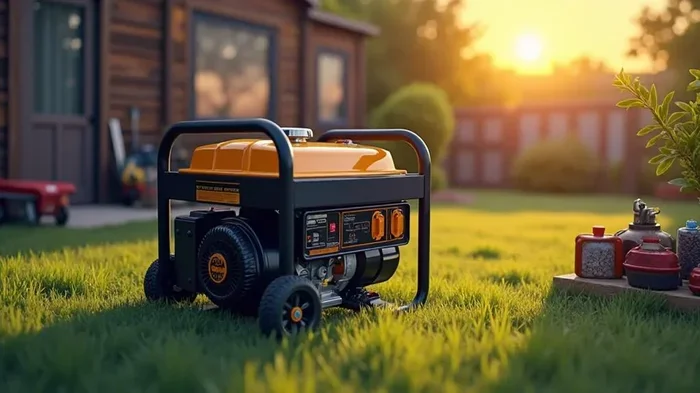
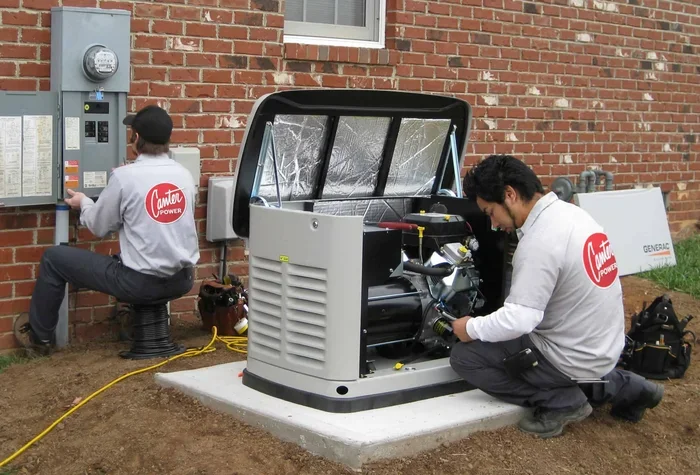
A standby generator is a permanent backup power system installed outside your home. Unlike a portable unit you wheel out during emergencies, a standby generator stays connected to your electrical system at all times. It sits on a concrete pad and connects directly to your home’s electrical panel and fuel supply.
These units come in different sizes to match your needs. A small standby generator might power just your essentials, like the refrigerator and a few lights. A larger whole-house generator can keep your entire home running, including HVAC systems, water heaters, and kitchen appliances. The right size depends on your power needs and budget.
### Why Homeowners Choose Standby Power
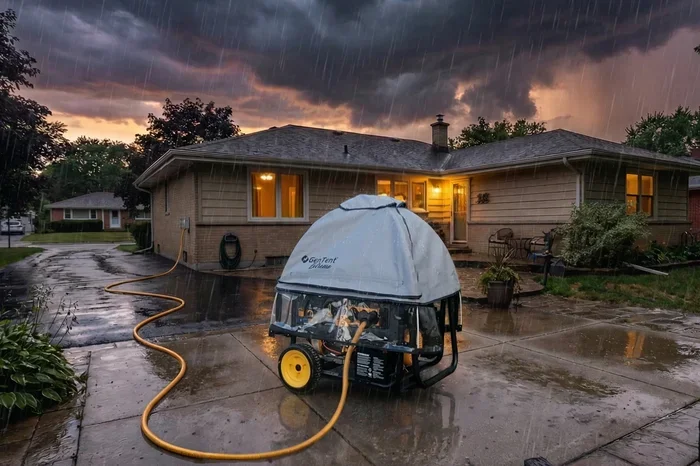
Power outages are more common than many people think. Severe weather causes most blackouts, but equipment failures and grid overloads also play a role. Without backup power, a prolonged outage can spoil food, damage electronics, and create uncomfortable living conditions.
A standby generator eliminates these problems. It provides automatic emergency power the moment your main supply goes down. You do not need to be home to start it. You do not need extension cords or gasoline. The system handles everything on its own.
## The Core Components of a Standby Generator
Every standby generator system has several key parts working together. Understanding these components helps you appreciate how the whole process functions. Each piece plays a specific role in detecting, starting, and delivering power.
### The Engine
The engine is the heart of the system. It burns fuel to create mechanical energy. Most standby generators use either natural gas or propane as their fuel source. Some models run on diesel for even longer runtime. The engine spins at a steady speed, typically 3600 RPM, to produce consistent electricity.
### The Alternator
The alternator converts mechanical energy into electrical energy. It contains coils of wire and magnets that generate an electrical current as the engine spins. This is what actually produces the power that flows into your home. The alternator must produce clean, stable power to protect your electronics and appliances.
### The Control Panel
The control panel acts as the brain of the generator. It monitors your home’s electrical supply continuously. When it detects a power loss, it sends a signal to start the engine. It also manages the shutdown process when utility power returns. Modern control panels display real-time data and diagnostic codes.
### The Fuel System
The fuel system stores and delivers fuel to the engine. For natural gas models, it connects directly to your home’s gas line. Propane models use a dedicated tank, either above ground or underground. The fuel system includes valves, filters, and regulators that ensure a steady, clean fuel supply at all times.
### The Cooling System
Generators produce a lot of heat during operation. The cooling system prevents overheating and keeps the unit running safely. Most standby generators use a radiator and fan system similar to a car engine. Some larger units also have enclosed cooling loops for extra protection.
## How the Automatic Transfer Switch Works
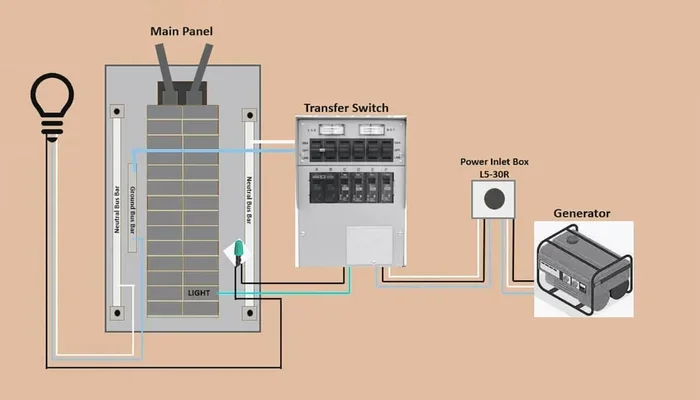
The automatic transfer switch, or ATS, is the most important component in the entire system. It is the link between your home, the utility grid, and the generator. Without the ATS, your standby generator would not be able to provide safe, automatic backup power.
### What Does the ATS Do?
The ATS constantly monitors the voltage coming from the utility grid. When it detects a power loss, it sends a signal to the generator to start. Once the generator reaches full operating speed, the ATS disconnects your home from the grid. It then connects your home to the generator.
This entire process takes about 10 to 30 seconds. You may notice a brief flicker of lights, but the transition is seamless. The ATS also monitors the utility power and switches your home back to the grid once power is restored. After a short cooldown period, the generator shuts off automatically.
### Why the ATS Is Critical for Safety
The ATS prevents a dangerous condition called backfeed. Backfeed occurs when generator power flows back into the utility grid. This can endanger utility workers repairing power lines. The ATS ensures your generator only powers your home, not the grid outside.
Additionally, the ATS protects your generator from damage. If the generator tried to connect directly to your home without the switch, it could cause electrical conflicts. The ATS acts as a gatekeeper, ensuring safe and proper power flow at all times.
## Step-by-Step: What Happens When Power Goes Out
Let us walk through exactly what happens when your power goes out. The process is fast and fully automatic. You do not need to lift a finger.
### Step 1: Power Loss Detection
The moment utility power fails, the control panel detects the drop in voltage. This happens within fractions of a second. The system immediately recognizes that the grid is down.
### Step 2: Generator Start Signal
The control panel sends a start signal to the engine. The generator begins its startup sequence. The fuel valve opens, the spark plug ignites, and the engine starts turning over.
### Step 3: Engine Warm-Up and Stabilization
The engine runs for a few seconds to reach full operating speed. The alternator begins producing stable electrical power during this phase. The control panel monitors voltage and frequency to ensure everything is within safe ranges.
### Step 4: Transfer Switch Activates
Once the generator reaches full power, the ATS disconnects your home from the utility grid. It then reconnects your home to the generator. Power flows to your electrical panel and restores electricity to your circuits.
### Step 5: Full Power Restoration
Your lights come back on. Your refrigerator starts cooling again. Your HVAC system kicks in. All of this happens automatically within about 30 seconds of the initial power loss.
### Step 6: Utility Power Returns
When the utility grid restores power, the ATS detects the return of stable voltage. It disconnects your home from the generator and reconnects to the grid. The generator runs for a short cooldown period and then shuts off. Your system is now back to standby mode, ready for the next outage.
## Types of Fuel and How They Power Your Generator
The fuel type you choose affects runtime, convenience, and cost. Each option has its own advantages. Let us compare the most common fuel types used in standby generators.
### Natural Gas
Natural gas is the most popular fuel for standby generators. It connects directly to your home’s existing gas line, so you never need to refuel. This means unlimited runtime during extended outages. Natural gas is also clean-burning, which reduces emissions and maintenance needs.
### Propane
Propane is stored in a dedicated tank on your property. It provides excellent energy density and performs well in cold weather. Propane tanks come in various sizes, from 100 gallons to 1000 gallons. Larger tanks extend runtime significantly. However, you need to monitor fuel levels and arrange refills.
### Diesel
Diesel generators are less common for residential use but offer advantages for certain situations. Diesel fuel has a long shelf life and high energy density. Diesel generators are often used for commercial applications or homes in remote areas without natural gas access.
### Fuel Comparison Table
| Feature | Natural Gas | Propane | Diesel |
|---|---|---|---|
| Runtime | Unlimited (pipeline) | Limited by tank size | Limited by tank size |
| Refueling | Never needed | Periodic tank refill | Periodic tank refill |
| Cold Weather Performance | Good | Excellent | Good |
| Installation Cost | Moderate | Moderate | Higher |
| Emissions | Low | Low to moderate | Moderate |
| Availability | Requires gas line | Widely available | Widely available |
## Maintenance Tips to Keep Your Standby Generator Ready
A standby generator is only reliable if you maintain it properly. Regular upkeep ensures the system starts and runs smoothly when you need it most. Neglecting maintenance is the leading cause of generator failure during emergencies.
### Regular Exercise Cycles
Most modern generators have an automatic exercise feature. This runs the unit for about 10 minutes every week or two. Exercise cycles keep the engine lubricated and the battery charged. They also help identify problems before a real emergency occurs.
### Oil and Filter Changes
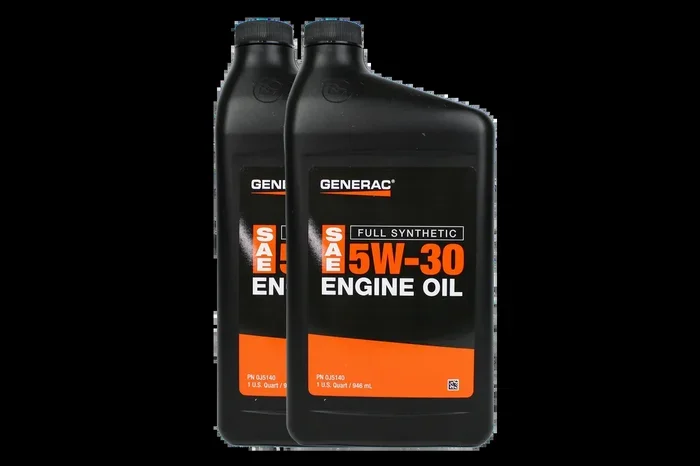
Just like a car engine, your generator needs regular oil changes. Check your owner’s manual for the recommended schedule. Most manufacturers suggest changing oil every 100 to 200 operating hours. Replace the oil filter at the same time to keep the system clean.
### Battery Maintenance
The battery starts your generator when power is lost. A weak battery means your generator will not start when you need it. Check the battery terminals for corrosion and clean them regularly. Replace the battery every two to three years, or as recommended by the manufacturer.
### Fuel System Checks
Inspect the fuel lines and connections for leaks or damage. For propane models, check the tank level and arrange refills before it gets too low. For natural gas models, ensure the gas line valve is fully open at all times.
### Professional Inspections
Schedule a professional inspection at least once a year. A technician can spot issues you might miss. They check the voltage output, coolant levels, and overall system health. A professional inspection gives you peace of mind that your generator is ready to go.
### Quick Maintenance Tips
- Keep the area clear: Remove debris, leaves, and snow from around the generator.
- Test the system: Run the generator under load periodically to verify it works.
- Check the coolant: Ensure the cooling system has enough fluid and no leaks.
- Store fuel properly: For propane and diesel, keep tanks in good condition and properly sealed.
## Common Mistakes Homeowners Make With Standby Generators
Even the best standby generator can fail if you make avoidable mistakes. Learning from common errors helps you get the most from your system. Here are the pitfalls to watch out for.
### Skipping Regular Maintenance
Many homeowners forget about their generator until the power goes out. By then, it may be too late. Skipping oil changes, battery checks, and exercise cycles leads to unexpected failures. Set a maintenance schedule and stick to it.
### Choosing the Wrong Size
Undersizing your generator is a costly mistake. If the unit cannot handle your electrical load, it will overload and shut down. Work with a professional to calculate your power needs and choose the right size generator for your home.
### Ignoring Warning Signs
Strange noises, low oil pressure, or error codes on the control panel are warning signs. Ignoring them can lead to major breakdowns. Address any issues immediately to prevent costly repairs and ensure reliability.
### Poor Installation
Improper installation can cause safety hazards and performance issues. Always hire a licensed professional for generator installation. They ensure proper wiring, fuel connections, and compliance with local codes.
### Forgetting About the Transfer Switch
The transfer switch needs regular testing too. A faulty ATS can prevent your generator from powering your home or, worse, cause backfeed. Have your technician test the transfer switch during every maintenance visit.
### Expert Insight
“The most common mistake I see is homeowners treating their standby generator like it will always work without any attention,” says Mark Stevens, a certified generator technician with over 15 years of experience. “A generator is a mechanical system. It needs care, just like your car. A little maintenance goes a long way toward reliability.”
## How to Choose the Right Standby Generator for Your Home
Selecting the right standby generator depends on several factors. Your home size, power needs, and budget all play a role. Making the right choice ensures you get reliable backup power without overspending.
### Calculate Your Power Needs
Start by listing the essential circuits you want to keep running during an outage. A typical home needs between 7,000 and 20,000 watts for basic coverage. Add up the wattage of your refrigerator, furnace, sump pump, lights, and other critical devices. Use a generator wattage calculator to get an accurate estimate.
### Consider Your Fuel Availability
Your fuel options may be limited by what is available in your area. Homes with a natural gas line have the most convenient option. Rural properties without gas access may need propane or diesel. Consider fuel availability, cost, and storage requirements when making your decision.
### Think About Future Needs
If you plan to add major appliances or upgrade your HVAC system, factor that into your generator size. Choosing a slightly larger unit now saves you from costly upgrades later. Most homeowners find that a 20kW to 24kW unit provides excellent whole-house coverage.
### Get Professional Advice
A licensed generator dealer or installer can help you find the perfect fit. They assess your home, calculate your load requirements, and recommend the best model. Professional guidance ensures safe, code-compliant installation and optimal performance.
## The Benefits of Having a Standby Generator
Investing in a standby generator offers many tangible benefits. It is more than just a convenience. It is a safeguard for your home and family.
### Uninterrupted Comfort
A standby generator keeps your heating and cooling systems running. It preserves your food supply and powers your internet connection. During extended outages, this means the difference between a minor inconvenience and a major disruption.
### Home Protection
Frozen pipes, sump pump failures, and security system outages can cause serious damage. A standby generator prevents these problems by keeping essential systems operational. This protection can save thousands of dollars in repair costs.
### Increased Home Value
Homebuyers increasingly view standby generators as a valuable feature. A professionally installed generator can increase your property’s appeal and resale value. It signals that the home is move-in ready, even during power outages.
### Peace of Mind
Perhaps the greatest benefit is peace of mind. Knowing your family has reliable backup power reduces stress during emergencies. You can weather storms and outages with confidence, knowing your home is protected.
## Final Thoughts
Understanding how a standby generator works gives you a real advantage as a homeowner. From the automatic transfer switch to the fuel system, every component works together to provide seamless backup power. The system detects outages, starts up automatically, and restores electricity within seconds.
Regular maintenance keeps your generator reliable for years. Choosing the right fuel type and proper size ensures optimal performance. Avoiding common mistakes protects your investment and your family’s safety.
A standby generator is one of the smartest home upgrades you can make. It protects your comfort, your property, and your peace of mind. When the next power outage hits, you will be glad you invested in a reliable backup power system.
Key Takeaways
- Automatic Detection: A standby generator senses power loss and starts up within seconds without any manual input.
- Transfer Switch Is Key: The automatic transfer switch safely disconnects your home from the grid and connects it to the generator.
- Fuel Options Matter: Natural gas, propane, and diesel each offer different runtime and efficiency levels.
- Regular Maintenance Is Essential: Routine checks keep your generator reliable when you need it most.
- Whole-Home Coverage Is Possible: Proper sizing ensures your standby generator handles all essential circuits.
- Common Mistakes Are Avoidable: Skipping maintenance or ignoring warning signs can lead to failure during emergencies.
Frequently Asked Questions
How long does it take for a standby generator to start after a power outage?
Most standby generators detect a power loss and start up within 10 to 30 seconds. The automatic transfer switch then switches your home to generator power. The entire process is seamless and requires no manual intervention.
Can a standby generator power my entire house?
Yes, a properly sized standby generator can power your entire home. Whole-house generators typically range from 20kW to 30kW or more. A professional installer can calculate your electrical load and recommend the right size for full coverage.
How often should I exercise my standby generator?
Most manufacturers recommend exercising your generator weekly for about 10 to 15 minutes. Regular exercise keeps the engine lubricated, the battery charged, and the system ready for emergencies. You can adjust the exercise schedule through the control panel.
What is the difference between a standby generator and a portable generator?
A standby generator is permanently installed and starts automatically during outages. A portable generator is movable, requires manual setup, and runs on gasoline or propane. Standby generators provide more convenience, safety, and whole-home coverage compared to portable units.
How long can a standby generator run continuously?
Standby generators can run continuously for days or even weeks, depending on the fuel supply. Natural gas models have unlimited runtime since they connect to the gas line. Propane and diesel models depend on tank size and consumption rate.
Do standby generators require a lot of maintenance?
Not really. Standby generators need basic maintenance like oil changes, battery checks, and periodic professional inspections. Most systems have automatic exercise cycles that help keep everything in working order. A simple maintenance schedule goes a long way toward reliable performance.
=== CONCLUSION ===
A standby generator is a powerful, reliable solution for keeping your home running during power outages. The automatic transfer switch, fuel system, and engine all work together seamlessly to provide instant backup power. Understanding how this system works helps you make smarter decisions about installation, maintenance, and fuel choice.
Regular upkeep and proper sizing are the keys to long-term reliability. Avoid common mistakes like skipping maintenance or choosing the wrong generator size. With the right standby generator, you gain peace of mind, home protection, and uninterrupted comfort no matter what happens with your power supply.