What Is a 3 Phase Air Compressor And Why It Matters
A 3 phase air compressor uses three electrical phases to deliver consistent, high-powered compressed air for heavy-duty industrial tasks. It offers better power efficiency, smoother operation, and longer lifespan compared to single-phase models. This guide covers everything you need to know about choosing and using a 3 phase air compressor.
A 3 phase air compressor is one of the most powerful and reliable machines used in industrial settings. If you have ever walked through a factory or construction site, you have probably heard the steady hum of a large compressor running in the background. These machines are the backbone of many operations. They power pneumatic tools, run assembly lines, and keep heavy machinery working without interruption.
But what exactly makes a 3 phase air compressor different from the smaller units you might see in a home garage? The answer comes down to power, efficiency, and endurance. A 3 phase air compressor draws electricity from three separate power phases, which creates a more balanced and consistent energy supply. This means the compressor runs smoother, lasts longer, and can handle demanding jobs that single-phase units simply cannot manage. Whether you are running a small manufacturing shop or managing a large construction project, understanding how a 3 phase air compressor works can help you make smarter equipment decisions.
In this guide, we will break down everything you need to know. We will cover how these compressors work, the key differences between single-phase and three-phase models, the real-world benefits, and tips for choosing the right unit for your needs. By the end, you will have a clear picture of why a 3 phase air compressor might be the best investment for your business.
Key Takeaways
- Three-phase power delivers smoother operation: The overlapping electrical phases create a constant energy flow, reducing motor strain and vibration.
- Higher efficiency means lower costs: A 3 phase air compressor uses less electricity to produce the same compressed air output as a single-phase unit.
- Built for heavy-duty industrial use: These compressors handle higher CFM and PSI ratings, making them ideal for factories, construction sites, and workshops.
- Longer lifespan with proper maintenance: The cooler running temperature and reduced vibration extend the life of internal components significantly.
- Requires three-phase electrical supply: You need the correct voltage and phase configuration to operate a 3 phase air compressor safely.
- Higher upfront cost, lower long-term cost: While the purchase price is higher, energy savings and reduced maintenance make three-phase units more cost-effective over time.
📑 Table of Contents
- What Is a 3 Phase Air Compressor?
- How Does a 3 Phase Air Compressor Work?
- Single Phase vs 3 Phase Air Compressor
- Benefits of Using a 3 Phase Air Compressor
- Common Applications for 3 Phase Compressors
- How to Choose the Right 3 Phase Air Compressor
- Power Supply and Electrical Considerations
- Common Mistakes to Avoid
- Expert Insights on 3 Phase Compressors
- Conclusion
What Is a 3 Phase Air Compressor?
A 3 phase air compressor is a type of compressed air system that operates using three electrical power phases. In simple terms, electricity comes in three separate waves, each offset by 120 degrees from the others. This three-wave system delivers a constant and steady flow of power to the compressor motor. Unlike single-phase compressors that pulse with each power cycle, a three-phase unit maintains near-perfect balance throughout its operation.
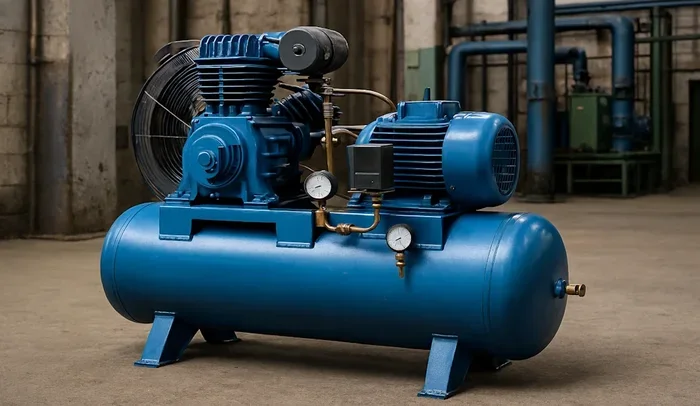
The compressor itself works by drawing in ambient air and compressing it using a pump mechanism. The compressed air gets stored in a compressor tank or delivered directly to tools and equipment through a network of hoses and pipes. The 3 phase air compressor motor is typically larger and more robust than single-phase motors. This design allows it to handle higher duty cycles and heavier workloads without overheating or slowing down.
How the Motor Works
The motor inside a 3 phase air compressor is built to handle continuous operation. Each of the three electrical phases powers the motor at different points in the rotation cycle. This creates a rotating magnetic field that turns the compressor’s crankshaft or rotor smoothly. The result is less vibration, reduced wear on internal parts, and a longer overall lifespan.
Most industrial 3 phase air compressor units use either a rotary screw compressor or a reciprocating piston design. Rotary screw compressors are popular for continuous use because they have fewer moving parts and require less maintenance. Piston compressors, on the other hand, are great for intermittent heavy-duty tasks where very high air pressure is needed. Both types deliver excellent compressor performance when matched to the right application.
How Does a 3 Phase Air Compressor Work?
Understanding the basic operation of a 3 phase air compressor is easier than it might sound. The process follows a simple cycle of intake, compression, and delivery.
First, the compressor draws in surrounding air through an intake filter. This filter removes dust, debris, and moisture from the incoming air. Next, the air moves into the compression chamber where it is squeezed into a smaller volume. As the air gets compressed, its pressure increases significantly. Finally, the high-pressure air is pushed out through a discharge line and sent to the storage tank or directly to the tools that need it.
The Role of the Three Phases
Here is where the three-phase power makes a real difference. In a single-phase system, the electrical current rises and falls during each cycle. This creates moments of lower torque and power. A 3 phase air compressor avoids this problem entirely because the three phases overlap. When one phase dips, the other two are still delivering power. This overlap creates a smooth, continuous energy flow.
This smooth energy delivery means the compressor motor runs with less strain. It also means the compressor can maintain consistent air pressure even under heavy load. For businesses that rely on uninterrupted operations, this consistency is critical. The electric motor in a three-phase unit simply does not have to work as hard to produce the same output as a single-phase motor.
Pressure and Flow Rates
A 3 phase air compressor can deliver higher cubic feet per minute (CFM) and higher pounds per square inch (PSI) than its single-phase counterpart. CFM measures how much air the compressor delivers per minute. PSI measures the pressure of that air. Higher numbers in both categories mean the compressor can power more tools simultaneously and handle tougher jobs.
For example, a small single-phase compressor might deliver 4 to 5 CFM at 100 PSI. A comparable 3 phase air compressor could deliver 15 to 20 CFM or more at the same pressure. This makes three-phase units ideal for workshops, factories, and construction sites where multiple pneumatic tools run at the same time. The compressed air system stays strong and steady, no matter how many tools are running.
Single Phase vs 3 Phase Air Compressor
Choosing between a single-phase and a 3 phase air compressor is one of the most important decisions you will make. Each type has its strengths, but they serve very different needs.
Power Source and Availability
Single-phase compressors run on standard 120V or 240V household electrical outlets. This makes them easy to set up in garages, small shops, and home workshops. A 3 phase air compressor requires a three-phase power supply, which is typically found in commercial and industrial buildings. If your facility does not already have three-phase power, you may need to have it installed by a licensed electrician.
Efficiency Comparison
Three-phase compressors are significantly more efficient than single-phase models. They use less electricity to produce the same amount of compressed air. This efficiency translates directly into lower energy bills over time. A 3 phase air compressor also runs cooler, which reduces the strain on the motor and extends the life of the unit.
Cost Considerations
The upfront cost of a 3 phase air compressor is generally higher than a single-phase unit. However, the long-term savings in energy and maintenance often make up for this difference. You also need to factor in the cost of installing three-phase power if it is not already available. Think of it as an investment that pays for itself over time.
Quick Comparison Table
| Feature | Single-Phase Compressor | 3 Phase Air Compressor |
|---|---|---|
| Power Supply | 120V or 240V standard outlet | 208V, 230V, 460V, or 575V three-phase |
| CFM Output | 4 to 10 CFM typically | 10 to 50+ CFM typically |
| Duty Cycle | 50 to 70 percent | Up to 100 percent |
| Efficiency | Lower | Higher |
| Best For | Light-duty, home use | Industrial, heavy-duty use |
| Upfront Cost | Lower | Higher |
| Operating Cost | Higher over time | Lower over time |
Benefits of Using a 3 Phase Air Compressor
There are many compelling reasons to choose a 3 phase air compressor for your business or project. Let us look at the biggest advantages in detail.
Superior Energy Efficiency
A 3 phase air compressor uses electricity more efficiently than any single-phase model. The three overlapping power phases mean the motor never has to work as hard to maintain output. Less wasted energy means lower electricity costs. Over months and years of operation, these savings can be substantial. For businesses watching their energy consumption, this is a major advantage.
Consistent Performance Under Load
When you run multiple pneumatic tools at once, a single-phase compressor may struggle to keep up. A 3 phase air compressor handles heavy loads with ease. The smooth power delivery ensures consistent air pressure, so your tools perform reliably even during demanding tasks. This reliability reduces downtime and keeps your production line moving.
Longer Equipment Lifespan
Because a three-phase motor runs cooler and with less vibration, the internal components wear out more slowly. This means fewer repairs, less downtime, and a longer useful life for your equipment. Many 3 phase air compressor units last 15 to 20 years with proper compressor maintenance. That is a strong return on any initial investment.
Lower Operating Costs
While the purchase price is higher, the total cost of ownership is often lower. Reduced energy consumption, fewer maintenance needs, and a longer lifespan all contribute to lower operating costs. When you compare the total investment over the life of the machine, a three-phase compressor usually comes out ahead. The power efficiency of these units is simply unmatched.
Quieter Operation
Three-phase compressors tend to run quieter than single-phase models. The smooth power delivery reduces motor vibration and noise. This is a real benefit in indoor work environments where noise levels can affect worker comfort and safety. A quieter workplace is also a safer workplace.
Common Applications for 3 Phase Compressors
A 3 phase air compressor is used across many industries. Let us explore the most common applications where these machines shine.
Manufacturing and Assembly Lines
Factories rely on compressed air to power pneumatic presses, drills, grinders, and automated assembly equipment. A 3 phase air compressor provides the continuous, high-volume air supply that these operations demand. Without reliable compressed air, production lines would slow down or stop entirely. The consistent air pressure from a three-phase unit keeps everything running smoothly.
Construction and Heavy Industry
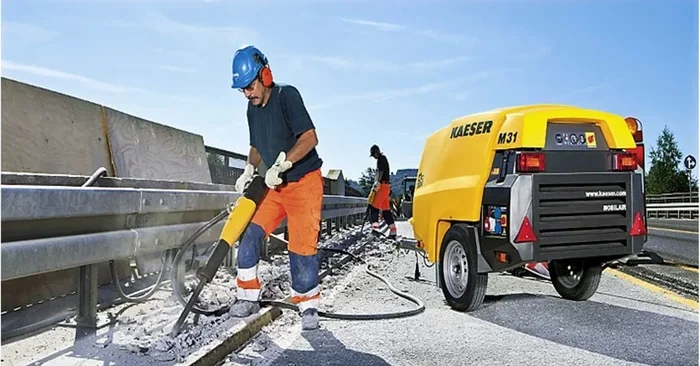
Construction sites use pneumatic tools like jackhammers, nail guns, and sandblasters. These tools require high air pressure and volume. A 3 phase air compressor delivers the power needed to keep multiple heavy-duty tools running simultaneously throughout a long workday. The durability of these units makes them well suited for rugged outdoor environments.
Automotive Repair Shops
Auto shops use air compressors for painting, sandblasting, and powering impact wrenches and air ratchets. A three-phase unit can handle the constant demand of a busy shop without overheating or losing pressure. Many professional auto repair facilities prefer 3 phase air compressor systems for this reason. The high CFM output ensures painters and mechanics never have to wait for air pressure to recover.
Mining and Oil & Gas
These industries require extremely robust compressed air systems. Three-phase compressors are used to power drilling equipment, ventilation systems, and pneumatic tools in harsh environments. The reliability and efficiency of a 3 phase air compressor make it well suited for these demanding conditions where equipment failure is not an option.
Food and Pharmaceutical Processing
Clean, consistent compressed air is essential in food and pharmaceutical manufacturing. Three-phase compressors can be equipped with specialized filters and dryers to meet strict industry standards. The efficient operation of a 3 phase air compressor also helps these facilities maintain lower energy costs while meeting rigorous quality requirements.
How to Choose the Right 3 Phase Air Compressor
Selecting the right 3 phase air compressor requires careful consideration of several factors. Here is what you need to evaluate before making a purchase.
Determine Your Air Demand
Start by calculating your total CFM requirements. Add up the air consumption of every tool and piece of equipment that will run simultaneously. Then add a 25 to 30 percent buffer to account for pressure drops and future needs. This number will help you determine the minimum compressor size you need. It is always better to slightly oversize than to run short on air supply.
Match the Voltage and Phase
Make sure your facility has the correct electrical supply for a 3 phase air compressor. Common voltage configurations include 208V, 230V, 460V, and 575V. The voltage you need depends on the size of the compressor and the electrical infrastructure of your building. Consult with a licensed electrician if you are unsure about your voltage requirements. Using the wrong voltage can damage the motor and create safety hazards.
Consider the Duty Cycle
Duty cycle refers to how long the compressor can run continuously before needing to cool down. Industrial 3 phase air compressor units are often rated for 100 percent duty cycle, meaning they can run all day without stopping. If your operation requires continuous air supply, look for a unit with a 100 percent duty cycle rating. This is especially important for manufacturing and assembly applications.
Evaluate the Compressor Type
Rotary screw compressors are the most popular choice for continuous industrial use. They are reliable, efficient, and require minimal maintenance. Reciprocating piston compressors are better suited for intermittent use with very high pressure requirements. Choose the type that best matches your operating pattern and air compressor types needs.
Factor in Installation and Maintenance
A 3 phase air compressor needs proper installation to perform at its best. This includes adequate ventilation, proper electrical connections, and a clean, dry air supply. Regular maintenance tasks like changing filters, checking oil levels, and draining moisture from tanks will keep your compressor running smoothly for years.
Quick Tips for Maintaining Your Compressor
- Check the oil level daily and change it according to the manufacturer’s schedule.
- Clean or replace air filters every 200 to 500 operating hours.
- Drain the moisture trap after every shift to prevent tank corrosion.
- Inspect hoses and fittings for leaks regularly.
- Keep the compressor area clean and well-ventilated at all times.
Power Supply and Electrical Considerations
Setting up a 3 phase air compressor requires a reliable power supply. If your facility does not have three-phase power already, you will need to arrange for installation. The cost and complexity of this setup depend on your local electrical infrastructure and the size of the compressor.
In some cases, businesses use a generator as the power source for a 3 phase air compressor, especially in remote locations or construction sites. If you are considering a generator, you need to make sure it can supply enough power. You might want to check what size generator is needed to run a house or similar equipment as a reference for sizing your power supply correctly.
Proper wiring is also critical. A 3 phase air compressor must be connected to the electrical panel correctly to avoid damage or safety hazards. If you are not experienced with electrical work, always hire a licensed professional. You can refer to guides on how to wire a generator to a breaker box for general electrical safety principles, though a licensed electrician should always handle your specific installation.
Running costs are another important consideration. The energy consumption of a 3 phase air compressor can be significant, especially during long shifts. Understanding your electricity rates and how much the compressor will run helps you budget accurately. For comparison, you can explore how much gas a generator uses to understand the fuel costs of alternative power sources and make informed comparisons.
Finally, think about backup power. If your compressor is critical to operations, a generator can keep things running during power outages. You may want to check how long a generator can run continuously to plan for extended outages. Having a reliable backup plan ensures your compressed air system stays operational when you need it most.
Common Mistakes to Avoid
When buying or operating a 3 phase air compressor, there are a few common mistakes that can cost you time and money. Being aware of these pitfalls helps you avoid them.
Mistake 1: Undersizing the compressor. Many buyers choose a unit based on their current needs alone. But if your business grows, you will need extra capacity. Always add a buffer to your CFM calculations and choose a slightly larger unit than you think you need.
Mistake 2: Ignoring electrical requirements. A 3 phase air compressor will not work on a single-phase circuit. Before purchasing, confirm your facility has the correct three-phase power supply and the right voltage configuration.
Mistake 3: Skipping regular maintenance. Even the best compressor will fail prematurely without proper care. Skipping oil changes, filter replacements, and moisture draining leads to costly breakdowns and production downtime.
Mistake 4: Neglecting the installation environment. Compressors need adequate ventilation, a clean space, and protection from extreme temperatures. Placing a unit in a cramped, dusty corner will shorten its lifespan and reduce performance.
Expert Insights on 3 Phase Compressors
Industry professionals agree that the shift toward three-phase compressed air systems is driven by one key factor: efficiency. Modern manufacturing facilities increasingly rely on 3 phase air compressor units to reduce their energy footprint while maintaining high output. According to industry data, three-phase compressors can be up to 30 percent more energy-efficient than their single-phase counterparts over the life of the equipment.
Experts also emphasize the importance of matching the compressor to the specific application. A heavy-duty rotary screw 3 phase air compressor is not the right choice for every situation. Intermittent operations may do better with a piston-driven three-phase unit. The key is to evaluate your duty cycle, air demand, and budget before making a decision.
One piece of advice from seasoned technicians: always plan for future expansion. Choosing a slightly larger compressor today can save you from expensive upgrades down the road. A 3 phase air compressor is a long-term investment, and making the right choice from the start pays dividends for years.
Conclusion
A 3 phase air compressor is a powerful, efficient, and reliable choice for any industrial or heavy-duty application. From manufacturing floors to construction sites, these machines deliver the consistent, high-volume compressed air that modern operations depend on. The three-phase power supply provides smoother operation, better energy efficiency, and a longer equipment lifespan compared to single-phase alternatives.
Choosing the right 3 phase air compressor comes down to understanding your air demand, matching the electrical supply, and selecting the right compressor type for your duty cycle. While the upfront investment is higher, the long-term savings in energy, maintenance, and downtime make it well worth the cost.
If you are considering upgrading your compressed air system, a three-phase compressor is an excellent option to explore. Take the time to evaluate your needs, compare models, and plan for proper installation. The right 3 phase air compressor will serve your business reliably for many years to come.
Frequently Asked Questions
Can a 3 Phase Air Compressor Run on Single-Phase Power?
No, a 3 phase air compressor requires a three-phase electrical supply to operate. Running it on single-phase power can damage the motor and void the warranty. If your facility only has single-phase power, you would need to either upgrade your electrical system or choose a single-phase compressor instead.
How Much Does a 3 Phase Air Compressor Cost?
The cost of a 3 phase air compressor varies widely depending on size, type, and brand. Small industrial units can start around $2,000, while large rotary screw compressors can cost $15,000 or more. The best approach is to get quotes from multiple suppliers and factor in installation and electrical setup costs.
What Size 3 Phase Air Compressor Do I Need for My Shop?
To determine the right size, add up the CFM requirements of all the tools you plan to run simultaneously. Then add a 25 to 30 percent buffer. This gives you the minimum CFM rating you should look for in a 3 phase air compressor. It is always better to slightly oversize than to run short on air supply.
Is a 3 Phase Air Compressor More Expensive to Run Than a Single-Phase Model?
Actually, the opposite is true. A 3 phase air compressor uses less electricity to produce the same amount of compressed air. The three-phase motor is more efficient, which means lower energy bills over time. The higher upfront cost is typically offset by these savings within a few years of operation.
How Often Should I Maintain My 3 Phase Air Compressor?
Daily checks should include oil level, moisture drain, and visual inspection of hoses and fittings. More detailed maintenance like filter changes and oil replacements should follow the manufacturer’s schedule, typically every 500 to 2,000 operating hours. Regular maintenance keeps your 3 phase air compressor running efficiently and extends its lifespan significantly.
Can I Use a 3 Phase Air Compressor Outdoors?
Yes, you can use a 3 phase air compressor outdoors, but you need to protect it from the elements. Rain, dust, and extreme temperatures can damage the motor and reduce performance. Use a weatherproof enclosure or canopy, and make sure the electrical connections are properly sealed and protected from moisture.