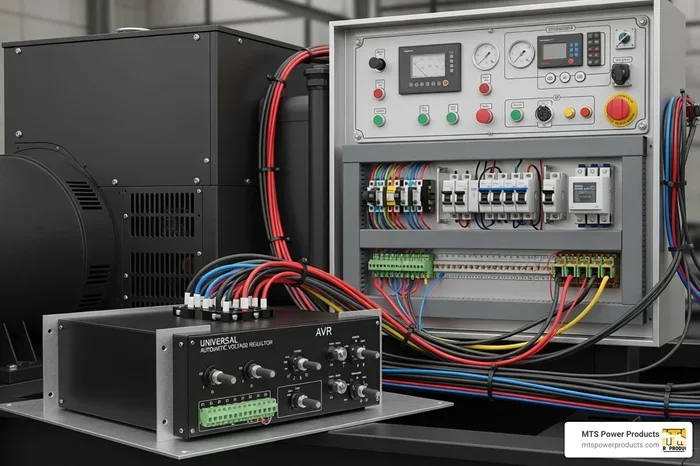
Generator AVR A Simple Guide to Automatic Voltage Regulation
A generator AVR (Automatic Voltage Regulator) keeps your power output steady and safe. It protects your devices from dangerous voltage spikes and drops. This guide explains how AVR works, why it matters, and how to maintain it for long-lasting performance.
If you own a generator, you have probably heard the term generator AVR thrown around. But what exactly is it, and why should you care? Think of the AVR as the brain inside your generator that controls voltage. Without it, your power supply would be like a roller coaster. One moment you get too much power, and the next moment it drops to almost nothing.
Automatic Voltage Regulation is the technology that keeps things smooth. It ensures your generator outputs a steady flow of electricity no matter what. Whether you are running a few lights during a blackout or powering heavy tools on a job site, the AVR keeps everything stable. In this guide, we will break down everything you need to know about how generator voltage regulation works, why it matters, and how to keep your AVR in top shape.
So grab a coffee, and let us dive into the world of AVR in generators. By the end, you will understand this critical component better than most people who have owned generators for years.
Key Takeaways
- AVR stabilizes voltage: It ensures your generator delivers consistent power to protect sensitive electronics.
- AVR prevents damage: Without it, voltage surges can fry your appliances and equipment.
- Common problems are fixable: Most AVR issues like overheating or erratic output have simple solutions.
- Choosing the right AVR matters: Match the AVR rating to your generator size and load requirements.
- Regular maintenance extends life: Simple upkeep like cleaning and inspection keeps your AVR working for years.
- AVR types vary by design: Brushless, digital, and analog AVRs each suit different generator setups.
- Professional help is sometimes needed: Complex AVR repairs should be handled by qualified technicians.
📑 Table of Contents
What Is a Generator AVR?
A generator AVR stands for Automatic Voltage Regulator. It is a device inside your generator that controls the output voltage. Its main job is to keep the electricity flowing at a consistent level. Think of it as a thermostat for your generator’s power output.
When your generator runs, the engine spins a rotor inside the alternator. This creates electricity. But the speed of the engine can change. When it changes, the voltage changes too. The AVR steps in to fix this. It adjusts the electrical current going to the rotor. This keeps the voltage steady at the right level.
Most home generators in the United States need to output 120 volts or 240 volts. The AVR makes sure those numbers stay consistent. Without it, your TV, computer, or refrigerator could get damaged. Voltage regulation is not just a nice feature. It is essential for protecting your equipment.
AVRs come in different shapes and sizes. Some are built into the generator head. Others are separate units that you can install. The type you need depends on your generator model and what you plan to power. If you are curious about how generators work in general, check out our electrical generator guide for more background.
How Does AVR Work in a Generator?
Understanding how AVR in generators works is simpler than you might think. The process happens in a few key steps. Let us walk through them one by one.
The Basic Process of Voltage Regulation
Here is how the generator voltage regulation process works in plain terms:
- The generator engine runs at a set speed, usually 3600 RPM for 60 Hz power.
- The spinning rotor creates a magnetic field inside the stator.
- This magnetic field produces alternating current (AC) electricity.
- The AVR monitors the output voltage in real time.
- If the voltage goes too high or too low, the AVR adjusts the excitation current to the rotor.
- This adjustment brings the voltage back to the correct level.
All of this happens in milliseconds. You never even notice it. But your appliances definitely notice the difference. A stable voltage means your electronics run safely and efficiently.
Types of AVR Systems
Not all AVR systems are the same. Here are the most common types you will encounter:
- Brushless AVR: Found in most modern portable and standby generators. It uses a rotating exciter instead of brushes. This design lasts longer and needs less maintenance.
- Analog AVR: Uses traditional electronic components to regulate voltage. It is simple and reliable but less precise than newer designs.
- Digital AVR: Uses a microprocessor to monitor and adjust voltage. It offers the most precise control and is common in high-end generators.
- External AVR: A separate unit installed outside the generator head. Used in larger industrial setups where built-in regulation is not enough.
Each type has its strengths. For most homeowners, a brushless or digital AVR works great. If you run a business that needs heavy power, you might want to look into external options. For more on generator fuel consumption and efficiency, see our guide on how much natural gas a generator uses.
Benefits of Having AVR in Your Generator
Why should you care about generator AVR? The benefits go way beyond just keeping the lights on. Let us look at the biggest advantages.
Protects Your Appliances
The number one reason to have AVR is protection. Voltage spikes can destroy electronics in seconds. A sudden surge can fry your computer motherboard or wreck your refrigerator compressor. The AVR prevents this by keeping the output within a safe range.
Improves Generator Performance
When your voltage is stable, your generator runs more efficiently. It does not have to work as hard to compensate for fluctuations. This means better fuel economy and less wear on the engine. Over time, this saves you money on repairs and fuel costs.
Reduces Noise and Heat
Generators without proper voltage regulation often run louder. The engine works harder and produces more heat. An AVR helps the generator run smoother and cooler. This also extends the overall lifespan of the machine.
Supports Sensitive Electronics
Modern devices like laptops, smartphones, and medical equipment are very sensitive to power changes. They need clean, steady electricity to work properly. The AVR provides exactly that. It filters out irregularities and delivers smooth power every time.
If you want to learn more about keeping your generator in good shape overall, our generator testing guide covers essential checks you can do at home.
Common Generator AVR Problems and Solutions
Like any mechanical part, AVR in generators can develop problems. The good news is most issues are easy to fix if you catch them early. Here are the most common ones.
Voltage Fluctuation
This is the most obvious sign of AVR trouble. If your lights flicker or your devices behave strangely, the AVR might be failing. Voltage fluctuation can damage your equipment over time. Start by checking the AVR connections. Loose wires are a common culprit. If the connections are tight but the problem continues, the AVR unit itself may need replacement.
Overheating
AVRs generate heat during operation. If yours gets too hot, it can fail prematurely. Overheating often happens because of poor ventilation. Make sure the generator has enough airflow around it. Clean any dust or debris from the cooling vents. If the problem persists, the AVR component inside might be shorting out and needs professional inspection.
Erratic Output
If the voltage jumps around randomly, the AVR sensors could be malfunctioning. This is more common in older analog AVRs. Digital AVRs are more stable but can still have sensor issues. In most cases, replacing the AVR unit solves the problem. You can also check the wiring harness for corrosion or damage.
No Output at All
A dead AVR means no voltage regulation. Your generator might still run, but it will not produce usable power. This usually happens when the AVR burns out completely. Check the fuse or circuit breaker on the AVR first. If those are fine, you will likely need a full AVR replacement.
For more on generator battery life and related maintenance, see our article on how long a generator battery lasts.
Quick Tips for Avoiding AVR Problems
- Do not overload your generator beyond its rated capacity.
- Keep the generator dry and clean at all times.
- Inspect wiring and connections every few months.
- Run your generator under load at least once a month.
- Replace the AVR if you notice persistent voltage issues.
How to Choose the Right AVR for Your Generator
Not every generator voltage regulator fits every machine. Choosing the right one depends on several factors. Here is what to consider.
Match the AVR to Your Generator Size
The AVR must handle the same wattage as your generator. A small 3000-watt generator needs a different AVR than a 10,000-watt industrial unit. Check your generator manual for the exact specifications. Using the wrong size AVR can cause poor regulation or even damage.
Consider the Load Type
What are you powering with your generator? Resistive loads like heaters and lights are easy to regulate. Inductive loads like motors and refrigerators are harder on the AVR. If you run heavy machinery, you need a more robust AVR system with higher surge capacity.
Analog vs. Digital
Digital AVRs cost more but offer better precision. They also provide diagnostic data that can help you troubleshoot problems. Analog AVRs are cheaper and work fine for basic needs. For most modern generators, a digital AVR is the better long-term investment.
Brand and Compatibility
Stick with reputable brands when buying a replacement AVR. Brands like Stamford, Marathon, and Leroy-Somer are well known in the generator industry. Make sure the AVR is compatible with your specific generator model. If you are unsure about sizing, consult our guide on how big of a backup generator you need to make the right choice.
Comparison Table: AVR Types at a Glance
| Feature | Brushless AVR | Digital AVR | Analog AVR |
|---|---|---|---|
| Precision | Good | Excellent | Fair |
| Durability | High | High | Medium |
| Cost | Moderate | Higher | Lower |
| Maintenance | Low | Low | Medium |
| Best For | Most generators | Sensitive electronics | Basic setups |
Maintenance Tips for Generator AVR
Keeping your generator AVR in good shape does not require a lot of effort. A little regular care goes a long way. Here are the best maintenance practices.
Regular Inspection
Every few months, open up your generator and visually inspect the AVR unit. Look for burnt marks, loose wires, or corrosion. Clean any dust off the AVR with a soft brush. Dust buildup can cause overheating and reduce performance.
Keep Connections Tight
Vibration from the generator engine can loosen electrical connections over time. Check that all wires connected to the AVR are secure. Use a multimeter to test voltage output at the terminals. If you see inconsistent readings, a loose connection is the likely cause.
Replace Worn Parts Promptly
If the AVR is failing, do not try to keep using it. A bad AVR can damage the entire generator. Replace it as soon as you notice symptoms like flickering lights or unstable output. Using generator parts from the original manufacturer ensures the best fit and performance.
Run Your Generator Regularly
Generators that sit unused for months can develop problems. The AVR capacitors can drain, and the internal components can degrade. Run your generator under load for at least 15 to 30 minutes every month. This keeps everything lubricated and functional.
Professional Servicing
While basic maintenance is DIY-friendly, some tasks need a professional. If you are not comfortable working with electrical components, hire a qualified technician. They can test the AVR with proper equipment and replace it safely. For general generator troubleshooting tips, our generator testing article has helpful step-by-step instructions.
Store Your Generator Properly
When not in use, store your generator in a dry, cool place. Moisture is the enemy of electronic components like the AVR. Use a generator cover or store it in a ventilated shed. Avoid places with extreme temperature swings, as this can damage internal circuits over time.
Final Thoughts
The generator AVR is one of the most important parts inside your machine. It keeps your power steady, protects your appliances, and helps your generator last longer. Without it, you would be constantly worried about voltage spikes and drops ruining your electronics.
Whether you have a small portable generator for camping or a large standby unit for your home, the AVR does the same essential job. It regulates the voltage so you never have to think about it. And when you take care of it with regular maintenance, it will keep working reliably for years.
Now that you understand how automatic voltage regulation works, you can make smarter choices about your generator setup. Choose the right AVR type, keep it clean, and replace it when needed. Your generator and all your plugged-in devices will thank you for it.
Remember, a well-maintained generator is a safe generator. Take the time to understand your AVR system today. It is one of the best investments you can make for peace of mind during power outages or job site work.
Frequently Asked Questions
What does AVR stand for in a generator?
AVR stands for Automatic Voltage Regulator. It is a component inside your generator that controls and stabilizes the output voltage. Without it, your generator would produce inconsistent power that could damage your appliances.
Can a generator run without an AVR?
Technically yes, but you should not do it. Without an AVR, the voltage output will fluctuate wildly. This can fry sensitive electronics like computers, TVs, and refrigerators. Always make sure your generator has a functioning AVR.
How do I know if my generator AVR is failing?
Common signs include flickering lights, unstable voltage readings, overheating of the generator, or no power output at all. If you notice any of these symptoms, inspect the AVR connections first. If the problem persists, you may need to replace the AVR unit.
How much does it cost to replace a generator AVR?
The cost varies depending on your generator model and the type of AVR. Replacement AVR units typically range from $50 to $300 for most residential generators. Professional installation may add another $100 to $200 in labor costs. Always check with a qualified technician for an accurate quote.
What is the difference between AVR and a voltage stabilizer?
An AVR is built into the generator and regulates voltage at the source. A voltage stabilizer is an external device that you plug into the wall to condition the power. Both serve the same purpose, but the AVR works automatically as part of the generator.
How often should I have my generator AVR inspected?
You should inspect your AVR at least twice a year. More frequent checks are recommended if you use your generator often or in harsh conditions. Regular inspection helps catch small problems before they turn into expensive repairs.