how long does a portable generator last in real life
A portable generator typically lasts between 1,000 and 2,000 hours of use, which translates to roughly 10 to 15 years for the average homeowner. Your actual portable generator lifespan depends heavily on fuel type, maintenance habits, and how often you run it. This guide covers real-world runtime numbers, proven tips to extend your unit’s life, and the signs that tell you it is time for a replacement.
Have you ever wondered how long your portable generator will actually keep running? Maybe you just bought one for camping trips or emergency backup power. Or perhaps you have an older unit sitting in your garage and you are not sure if it still has life left in it. Either way, you are in the right place.
The truth is, there is no single answer to this question. A portable generator’s lifespan depends on many factors. These include the type of fuel it uses, how well you maintain it, and how often you run it. Some generators last over 15 years. Others barely make it past three. The difference usually comes down to how they are used and cared for.
In this article, we will break down everything you need to know about portable generator durability. You will learn how long these machines typically run on a single tank of fuel. You will discover what shortens or extends their overall lifespan. And you will get practical tips to keep your generator running strong for years to come. Let us dive in.
Key Takeaways
- Portable generators last 1,000 to 2,000 hours on average, which is about 10 to 15 years with normal home use.
- Fuel type matters a lot — propane generators tend to last longer than gasoline models because propane burns cleaner.
- Regular maintenance like oil changes, air filter cleaning, and spark plug replacement can add years to your generator’s life.
- Runtime per tank varies widely from 6 to 24 hours depending on the model, fuel tank size, and load level.
- Common mistakes like running on low oil or overloading the generator can cut its lifespan in half.
- Inverter generators generally last longer because their engines run at a steady, efficient speed.
- Know the replacement signs — persistent power issues, high fuel consumption, and frequent repairs mean it is time to upgrade.
📑 Table of Contents
- How Long Does a Portable Generator Last on a Single Tank of Fuel?
- What Affects the Overall Lifespan of a Portable Generator?
- Average Lifespan by Generator Type
- How to Make Your Portable Generator Last Longer
- Common Mistakes That Shorten Generator Life
- When Should You Replace Your Portable Generator?
- Conclusion
How Long Does a Portable Generator Last on a Single Tank of Fuel?
When people ask about generator longevity, they often mean two different things. One is the total lifespan of the machine. The other is how long it runs on a full tank of fuel. Let us focus on the second question first because it is what most users care about day to day.
Generator runtime per tank varies a lot. It depends on the model, the fuel tank size, and the electrical load you are running. Here are some general numbers to give you a clear picture.
Runtime by Generator Size
Small portable generators in the 1,000 to 2,000 watt range usually run for about 8 to 12 hours on a full tank. Mid-size units between 3,000 and 5,000 watts tend to run for 10 to 16 hours. Larger portable generators rated at 7,000 watts or more can run for 12 to 24 hours on a single tank, depending on the load.
Here is a quick comparison to help you visualize the differences.
| Generator Size | Fuel Tank Capacity | Avg. Runtime at 50% Load | Avg. Runtime at Full Load |
|---|---|---|---|
| Small (1,000–2,000W) | 0.5–1 gallon | 8–12 hours | 4–7 hours |
| Mid-Size (3,000–5,000W) | 1–2 gallons | 10–16 hours | 6–10 hours |
| Large (7,000–10,000W) | 2–4 gallons | 14–24 hours | 8–14 hours |
Keep in mind that these numbers are estimates. Your actual runtime will vary based on the electrical load you place on the generator. Running heavy appliances like air conditioners or power tools drains the fuel tank much faster. Running a few lights and a phone charger uses far less fuel and extends your runtime significantly.
What Is Load Factor and Why Does It Matter?
Load factor is simply how much power you are drawing from the generator compared to its maximum capacity. A generator running at 25% to 50% of its maximum load will last much longer on a tank of fuel. It also runs more efficiently and produces less wear on the engine. Running a generator at full load for extended periods is hard on the engine and burns through fuel quickly.
Pro tip: Try to keep your load between 30% and 75% of the generator’s rated wattage. This sweet spot gives you the best balance of power output and fuel efficiency.
What Affects the Overall Lifespan of a Portable Generator?
Now let us talk about the big picture. How many years can you expect your portable generator to last? The average portable generator lifespan ranges from 10 to 15 years for most quality brands. But several key factors can push that number up or pull it down significantly.
Fuel Type
The type of fuel your generator uses plays a major role in its longevity. Gasoline generators are the most common, but they tend to have shorter engine lives. Gasoline can degrade over time, and it leaves more carbon deposits inside the engine. This leads to more frequent maintenance needs.
Propane generators burn cleaner and tend to last longer. Propane does not degrade the way gasoline does, and it produces fewer harmful residues inside the engine. Dual fuel generators that can run on both gasoline and propane offer flexibility and can help extend the engine’s life when propane is used more often.
Here is a quick look at how fuel type affects generator longevity.
| Fuel Type | Engine Wear Level | Avg. Lifespan (with proper maintenance) | Fuel Storage Ease |
|---|---|---|---|
| Gasoline | Higher | 10–15 years | Difficult (degrades in 3–6 months) |
| Propane | Lower | 15–20 years | Easy (indefinite storage) |
| Dual Fuel | Moderate | 12–18 years | Flexible (both options) |
Maintenance Habits
This is the biggest factor you can control. A well-maintained generator can easily outlast a neglected one by several years. Here are the maintenance tasks that matter most.
- Oil changes: Change the oil every 100 to 150 hours of use, or at least once per season. Fresh oil keeps the engine lubricated and reduces friction.
- Air filter cleaning: A clogged air filter forces the engine to work harder. Clean or replace it every 50 to 100 hours of use.
- Spark plug replacement: Replace the spark plug every 200 to 300 hours. A worn spark plug reduces efficiency and can cause starting problems.
- Fuel stabilizer: If you store your generator for more than a month, add fuel stabilizer to prevent gasoline from going bad.
- Regular exercise: Run your generator for 15 to 20 minutes every few months, even if you are not using it. This keeps the engine components lubricated and in good working condition.
How Often You Use It
It might sound surprising, but generators that are used regularly often last longer than ones that sit idle for months. When a generator sits unused, fuel can gum up the carburetor, seals can dry out, and internal components can corrode. A generator that gets used a few times a year and properly maintained tends to stay in better mechanical shape.
Build Quality and Brand Reputation
Not all generators are created equal. Premium brands like Honda, Yamaha, and Generac invest heavily in engine design and quality control. Their units tend to use better materials, tighter manufacturing tolerances, and more advanced technology. A Honda portable generator, for example, is known to last 20+ years with proper care. Budget models from lesser-known brands may only last 5 to 8 years, even with good maintenance.
Average Lifespan by Generator Type
Different types of portable generators have different expected lifespans. Understanding these differences helps you set realistic expectations and make a smarter buying decision.
Conventional Portable Generators
These are the traditional, open-frame generators you see at most hardware stores. They run on gasoline or propane and are known for their high power output. Conventional portable generator lifespan averages about 10 to 15 years, or roughly 1,000 to 2,000 hours of use. They are affordable and powerful but tend to be louder and less fuel efficient than other options.
Inverter Generators
Inverter generators are a step up in technology. They produce cleaner power and run more quietly. The engine adjusts its speed based on the load, which means less wear and tear over time. This efficiency translates to a longer lifespan. Most inverter generators last 15 to 20 years with proper care. They also tend to have better generator runtime per gallon numbers because the engine does not run at full speed all the time.
Dual Fuel and Tri-Fuel Generators
These versatile units can run on gasoline, propane, or sometimes natural gas. The ability to switch fuels gives you more options and can reduce engine wear when using cleaner-burning propane. Dual fuel portable generator lifespan typically falls in the 12 to 18 year range, depending on usage and maintenance.
How to Make Your Portable Generator Last Longer
Want to get the most years out of your generator? Follow these proven strategies. They are simple, effective, and they make a real difference in how long your machine keeps running.
1. Follow the Manufacturer’s Maintenance Schedule
Every generator comes with an owner’s manual that includes a maintenance schedule. This is not just a suggestion. It is a roadmap to keeping your machine healthy. Stick to the recommended oil change intervals, filter replacements, and service milestones. If you lose your manual, most manufacturers post them on their websites for free.
2. Store Fuel Properly
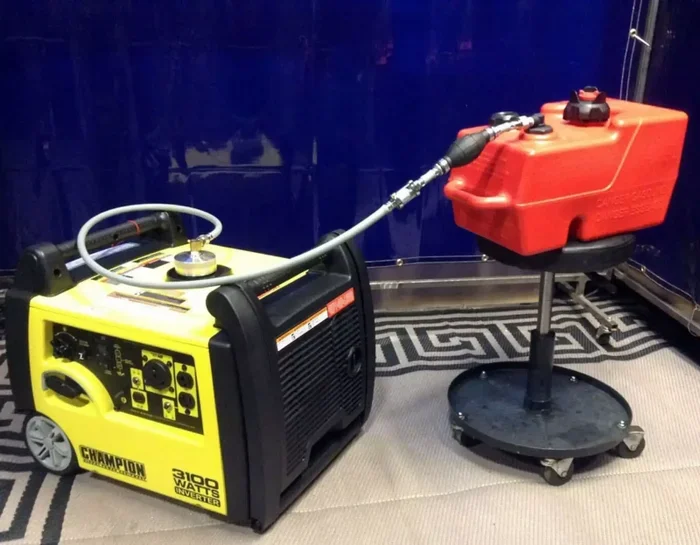
Gasoline goes bad. It can start to degrade within 30 days of being stored. Bad fuel causes hard starting, poor performance, and can damage the carburetor over time. Use fresh fuel whenever possible, and add a fuel stabilizer if you plan to store the generator for more than a month. For propane units, this is less of a concern since propane has an indefinite shelf life.
3. Do Not Overload the Generator
Running too many appliances at once forces the engine to work harder than it was designed to. This leads to overheating, increased wear, and eventually engine failure. Always check the total wattage of the devices you are running and make sure it stays within the generator’s rated capacity. A generator load calculator can help you figure out the right balance.
4. Keep It Clean and Dry
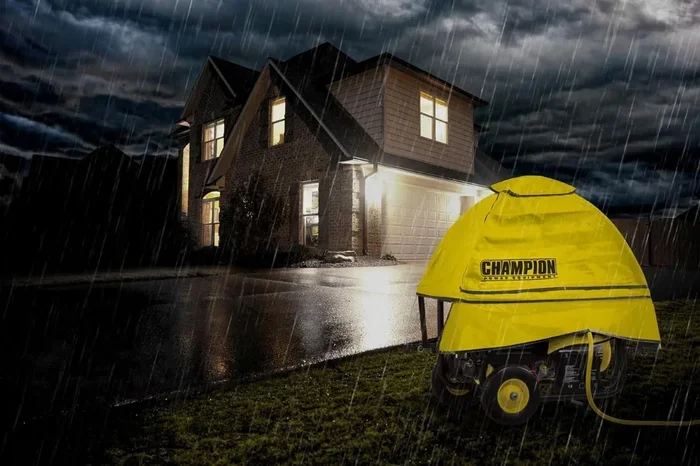
Dirt, debris, and moisture are enemies of any engine. Keep the exterior of your generator clean and free of leaves, dust, and grime. Store it in a dry, covered area when not in use. Never run a portable generator in the rain or in wet conditions unless it is specifically rated for outdoor use with proper protection.
5. Use a Surge Protector or Power Conditioner
Sensitive electronics like laptops, TVs, and phones can be damaged by voltage spikes. Using a surge protector helps shield both your devices and the generator’s electrical components. This small step can prevent costly repairs and extend the life of your unit.
Expert Insight
According to generator technicians, the single most impactful thing you can do to extend your generator’s life is to change the oil regularly. Oil is the lifeblood of any engine, and skipping oil changes is the fastest way to shorten a generator’s lifespan. Most pros recommend changing oil after the first 20 hours of use (to clear manufacturing residues) and then every 100 hours after that.
Common Mistakes That Shorten Generator Life
Even the best generators can fail prematurely if they are mistreated. Here are the most common mistakes that shorten a portable generator’s life, and how to avoid them.
Running on Low Oil
Many modern generators have low-oil shutdown sensors, but older models do not. Running a generator with low or no oil causes the engine to seize up within minutes. Always check the oil level before every use. Keep extra oil on hand, especially if you use your generator frequently.
Ignoring the Break-In Period
New generators need a break-in period to properly seat the piston rings and engine components. Running a new generator at full load right out of the box can cause excessive wear. Follow the manufacturer’s break-in instructions, which usually involve running the generator at partial load for the first few hours.
Skipping Winterization
If you live in a cold climate, leaving your generator unused through winter without proper preparation can cause serious damage. Fuel can freeze, moisture can condense inside the engine, and seals can crack. Winterize your generator by draining the fuel, adding stabilizer, and storing it in a temperature-controlled space if possible.
Using the Wrong Extension Cords
Using thin or undersized extension cords creates resistance that forces the generator to work harder. This wastes fuel and puts unnecessary strain on the engine. Always use heavy-duty, properly rated extension cords that match the amperage of your generator.
When Should You Replace Your Portable Generator?
Even with the best care, every generator eventually reaches the end of its useful life. Knowing when to replace it saves you from unexpected breakdowns and costly repairs. Here are the clear signs that it is time to invest in a new unit.
Frequent Repairs
If you are calling a repair technician more than once or twice a year, it is probably more cost-effective to buy a new generator. Repair costs add up quickly, and older units become less reliable over time.
Persistent Power Quality Issues
If your generator produces unstable voltage, flickering lights, or inconsistent power output, the internal components may be worn beyond repair. Unstable power can also damage your connected devices.
Dropping Fuel Efficiency
A generator that suddenly uses much more fuel than it used to is telling you something. Worn engine components, clogged filters, or internal damage can all cause poor fuel economy. If you notice a significant drop in generator runtime per gallon, it may be time for a replacement.
It Does Not Meet Your Power Needs Anymore
Sometimes the best reason to replace a generator is that your power needs have grown. Maybe you added a new appliance, bought an electric vehicle, or started working from home. A newer, higher-wattage model can give you the backup power you need today.
Quick Tips
- Keep a maintenance log to track oil changes, filter replacements, and repairs.
- Run your generator for 15 minutes every 2 to 3 months to keep it in working order.
- Invest in a quality cover or storage shed to protect your generator from the elements.
- Consider an inverter generator if you want cleaner power and a longer lifespan.
- Always have spare spark plugs, air filters, and oil on hand for quick maintenance.
Conclusion
So, how long does a portable generator last? The answer is clearer now. With normal use and proper maintenance, most portable generators deliver 1,000 to 2,000 hours of runtime, which works out to roughly 10 to 15 years of service. Portable generators that run on propane or are used as dual fuel units can push that number even higher, sometimes reaching 20 years.
Your daily habits make the biggest difference. Regular oil changes, clean filters, proper fuel storage, and avoiding overloads all add years to your machine. On the flip side, skipping maintenance, running on low oil, and storing fuel improperly can cut your generator’s life short.
The key takeaway is simple: treat your generator well, and it will treat you well in return. Whether you need backup power outage support at home, reliable electricity for camping trips, or a dependable backup power solution for your workshop, a well-maintained portable generator will serve you for a long time. Start applying the tips in this guide today, and your generator will thank you for years to come.
Frequently Asked Questions
How many hours does a portable generator typically last?
Most portable generators are designed to last between 1,000 and 2,000 hours of use. At an average of 100 hours per year, this translates to roughly 10 to 20 years of service life. Inverter generators tend to last longer because their engines run at variable speeds, reducing wear and tear.
Can a portable generator last 20 years?
Yes, a portable generator can last 20 years or more if it is well maintained and not used excessively. Propane-fueled models and premium brands like Honda and Yamaha are especially known for their long lifespans. Regular oil changes, filter replacements, and proper storage all contribute to reaching the 20-year mark.
How long does a portable generator run on a full tank of gas?
Runtime on a full tank depends on the generator size and the electrical load. Small units typically run 8 to 12 hours, mid-size units run 10 to 16 hours, and large units can run 12 to 24 hours at 50% load. Running at full load will reduce runtime significantly.
What is the most common reason portable generators fail early?
The most common reason is poor maintenance. Skipping oil changes, running on low oil, using stale fuel, and neglecting air filter cleaning all lead to premature engine wear. Overloading the generator and storing it without fuel stabilizer also shorten its lifespan considerably.
Does running a portable generator at half load extend its life?
Yes, running a generator at 30% to 75% of its rated capacity is the sweet spot for engine health. It reduces stress on internal components, improves fuel efficiency, and lowers operating temperatures. Consistently running at full load causes more wear and can shorten the generator’s overall lifespan.
Is it worth repairing a generator that is over 15 years old?
It depends on the repair cost and the condition of the unit. Minor repairs like spark plug or carburetor replacements are usually worth it. But if the engine has major internal damage, it is often more cost-effective to buy a new generator. Newer models are also more fuel efficient and produce cleaner power.