How to Fix a Compressor and Keep It Running Smoothly
Knowing how to fix a compressor saves you time and money. This guide walks you through the most common compressor problems, from pressure leaks to motor failures, with clear step-by-step solutions. You will also learn simple maintenance habits that prevent breakdowns and extend the life of your machine.
Key Takeaways
- Identify the Problem First: Always diagnose the exact issue before starting any repair to avoid wasted effort.
- Check the Basics: Power supply, oil level, and air leaks are the most common culprits behind compressor failures.
- Safety Comes First: Disconnect power and release pressure before attempting any repair on your compressor.
- Regular Maintenance Prevents Breakdowns: Simple tasks like draining the tank and changing filters keep your compressor in top shape.
- Know When to Call a Pro: Some repairs, especially motor or electrical issues, are best left to qualified technicians.
📑 Table of Contents
- How to Fix a Compressor and Keep It Running Smoothly
- Common Compressor Problems and How to Fix Them
- Essential Compressor Maintenance Tips
- When to Call a Professional
- Cost Considerations for Compressor Repairs
- Comparison Table: Common Compressor Repairs
- Quick Tips for Compressor Owners
- Common Mistakes to Avoid
- How to Fix a Compressor: Final Thoughts
How to Fix a Compressor and Keep It Running Smoothly
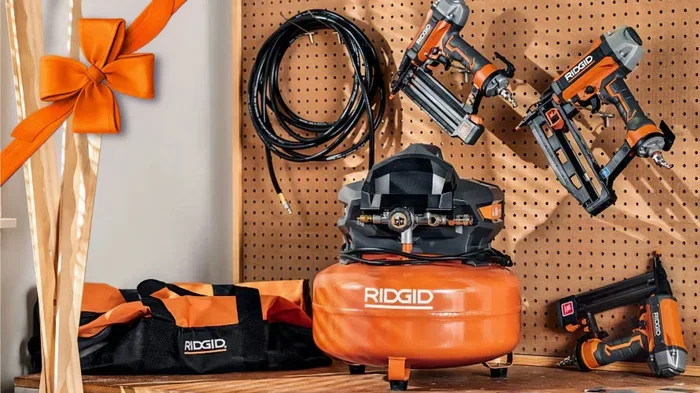
A compressor is one of the most useful tools you can own. It powers nail guns, inflates tires, and runs spray painters. But when it stops working, it can be frustrating. The good news is that most common problems are easy to fix. You do not need to be a professional to get your how to fix a compressor project done right. With a little patience and the right tools, you can have your machine back up and running in no time.
This guide covers the most common compressor issues you will face. We will walk you through each problem step by step. You will learn how to spot the signs, what tools you need, and how to fix things yourself. We will also cover maintenance tips that keep your compressor healthy for years. Whether you use your compressor every day or just once in a while, this article has something for you.
Before you start any repair, always remember to unplug the machine and release all pressure from the tank. Safety should always come first. Let us dive into the most common compressor problems and how to solve them.
Common Compressor Problems and How to Fix Them
Compressor Will Not Start
This is the most common complaint. You flip the switch and nothing happens. Before you panic, check a few simple things first. Start with the power source. Make sure the cord is plugged in tightly. Check your circuit breaker to see if it has tripped. A tripped breaker is one of the top reasons a compressor will not start.
Next, look at the pressure switch. The switch tells the compressor when to turn on and off. If the pressure in the tank is already at the cut-out level, the machine will not start. Simply use some air tools to drop the pressure below the cut-in level. The compressor should kick back on automatically.
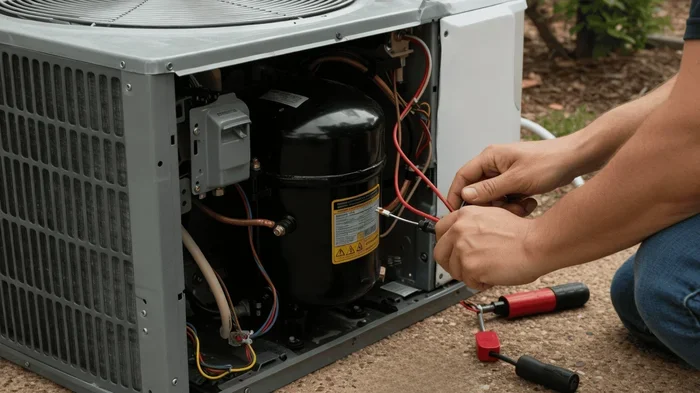
Another common cause is a faulty start capacitor. The capacitor gives the motor a boost to get going. If it is worn out, the motor will hum but not start. You can test a capacitor with a multimeter. If it reads zero or open, it needs to be replaced. Capacitors are cheap and easy to swap out.
Also check the oil level. Many compressors need oil in the pump to run. If the oil is too low, the machine may not start as a safety measure. Fill it to the recommended level and try again.
Compressor Runs But Does Not Build Pressure
Sometimes the compressor turns on and runs, but it never builds up enough pressure. This is a clear sign of an air leak or a worn component. Start by checking all the fittings and connections. Even a small loose fitting can let air escape slowly. Use soapy water on each connection and look for bubbles. Bubbles tell you exactly where the leak is.
The unloader valve is another likely culprit. This valve releases pressure when the compressor shuts off. If it gets stuck, air leaks back into the tank and the pump works overtime. Clean the valve or replace it if it is damaged. This is a quick fix that solves many pressure problems.
Check the check valve too. The check valve stops air from flowing back into the pump when the motor is off. If it is stuck open, air escapes and pressure never builds. You can usually clean the valve with a little vinegar soak. If cleaning does not work, a replacement valve is inexpensive and easy to install.
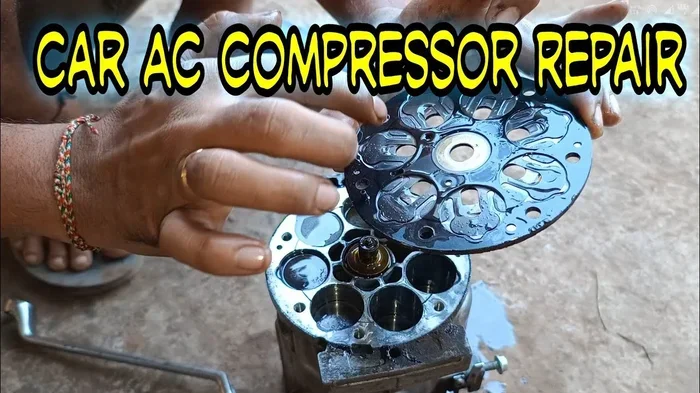
The gasket or seals inside the pump can also wear out over time. When internal seals fail, air leaks past the piston and pressure drops. This repair requires opening the pump housing and replacing the seals. It is a moderate-level repair but very doable with basic tools.
Compressor Makes Strange Noises
A healthy compressor makes a steady humming sound. If you hear grinding, squealing, or knocking, something is wrong. Grinding noises often mean the bearings are worn out. Bearings help the motor shaft spin smoothly. When they wear, metal-on-metal contact creates that grinding sound. Replacing bearings is a common repair that restores quiet operation.
Squealing sounds usually point to a loose or worn belt. The belt connects the motor to the pump. If it is loose, it slips and squeals. Tighten the belt tension or replace the belt if it is cracked or frayed. Belt replacement is one of the easiest compressor repairs you can do at home.
Knocking noises are more serious. They often mean a loose piston or connecting rod. This happens when parts wear down over time. If you hear knocking, stop the machine right away. Continuing to run it can cause serious engine damage. Call a professional for this type of repair.
Rattling noises can be caused by loose hardware. Check all the bolts and screws on the compressor. Tighten anything that feels loose. A simple tightening session can silence a rattling compressor fast.
Compressor Leaks Air
Air leaks are annoying because they waste energy and reduce performance. Your compressor runs more often than it should, which wears out parts faster. The most common place for leaks is around the tank fittings. Over time, the sealant on threaded connections can dry out and crack.
Apply Teflon tape or thread sealant to all threaded connections. This creates a tight seal that prevents air from escaping. If a fitting is damaged, replace it entirely. Do not try to patch a damaged fitting with sealant alone.
Check the hose and hose connections too. A cracked hose or a loose quick-connect fitting will leak air. Replace damaged hoses right away. A small crack can grow quickly and cause bigger problems down the road.
The pressure gauge itself can also leak. If the gauge glass is cracked or the fitting behind it is loose, air escapes. Replace the gauge if it is damaged. Gauges are inexpensive and easy to swap.
Compressor Overheats
Compressors generate a lot of heat during normal operation. But if your machine gets too hot to touch, something is wrong. Overheating can damage the motor and shorten the life of your compressor. The most common cause is low oil level. Check the oil sight glass or dipstick and add oil if needed. Always use the type of oil recommended by the manufacturer.
Blocked ventilation is another common cause. Compressors need airflow to cool down. If the vents are clogged with dust or debris, heat builds up inside the tank. Clean the vents regularly with a soft brush or compressed air. Keep the compressor in a well-ventilated area and never block the airflow openings.
The thermal overload protector is a safety feature that shuts off the compressor when it gets too hot. If your compressor keeps tripping this switch, the machine is trying to tell you something. Check the oil, clean the vents, and let the machine cool down before restarting. If the problem continues, the motor may be failing and needs professional inspection.
Essential Compressor Maintenance Tips
Prevention is always better than repair. A little regular maintenance goes a long way toward keeping your compressor trouble-free. Here are the most important maintenance tasks you should do on a regular schedule.
Drain the Tank After Every Use
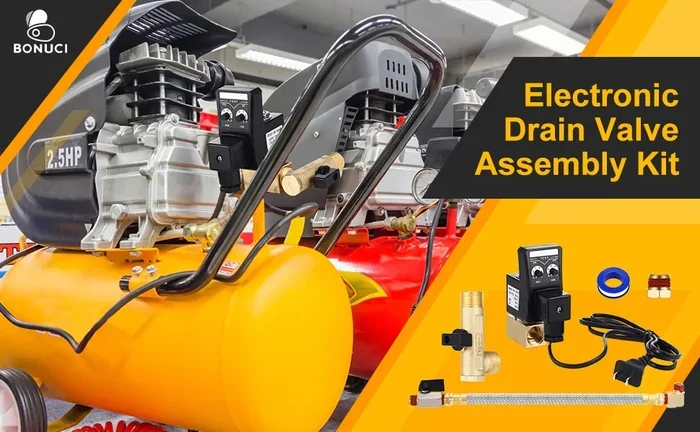
Moisture builds up inside the compressor tank every time you use it. This water can cause rust from the inside out. Rust weakens the tank and can eventually cause it to fail. Always open the drain valve at the bottom of the tank after each use. Let the water and oil drain out completely. This simple habit adds years to the life of your compressor.
Check and Change the Oil Regularly
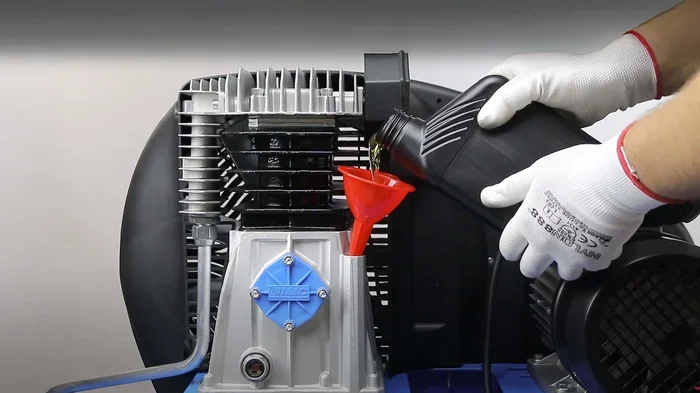
Oil lubricates the pump and keeps everything running smoothly. Check the oil level before each use. Change the oil according to the manufacturer’s schedule, usually every 500 hours of use or once a year. Use only the oil type recommended in your owner’s manual. The wrong oil can cause poor performance and damage.
Inspect and Replace Filters
The intake filter keeps dust and debris from entering the pump. A dirty filter restricts airflow and makes the compressor work harder. Check the filter every few weeks and clean or replace it as needed. A clean filter means better performance and less wear on the motor.
Check Hoses and Fittings Regularly
Inspect all hoses and fittings for cracks, wear, or loose connections. A small problem today can become a big problem tomorrow. Tighten fittings and replace damaged hoses immediately. This keeps your compressor safe and efficient.
Store Your Compressor Properly
When you are not using your compressor, store it in a clean, dry place. Moisture and dust are the enemies of any power tool. Cover the compressor with a fitted cover to keep debris out. If you will not use it for an extended period, drain the tank completely and store it indoors.
When to Call a Professional
Not every repair is a DIY job. Some problems require the skills and tools of a trained technician. Here are the signs that you should call a professional for your compressor repair.
If the motor is making loud grinding or scraping noises, stop using the machine immediately. These sounds often mean internal motor damage that requires expert repair. Trying to fix a motor problem yourself can be dangerous if you do not have experience with electrical systems.
Electrical problems should always be handled by a qualified technician. If you notice burning smells, sparking, or frequent tripping of the breaker, these are signs of serious electrical issues. Do not attempt to fix electrical problems on your own. A professional can diagnose and repair electrical faults safely.
If your compressor uses a similar power setup as other equipment, you might want to compare how much gas a generator uses or understand how long a generator can run if you are running your compressor off a generator. Sometimes the issue is not the compressor itself but the power source. For example, if you are using a generator to power your compressor, make sure it is the right size. You can check what size generator to run power tools to make sure your setup can handle the load.
Also, if you are running your compressor from a generator and need to connect it properly, understanding how to wire a generator to a breaker box can prevent electrical issues before they start. Proper wiring keeps both your compressor and your generator running safely.
Cost Considerations for Compressor Repairs
The cost of fixing a compressor varies widely depending on the problem. Simple repairs like replacing a belt or a valve usually cost between 20 and 50 dollars. These are quick fixes that save you from buying a new machine.
More involved repairs like replacing the motor or pump can cost anywhere from 150 to 400 dollars or more. The price depends on the model and the cost of parts. In some cases, it might make more sense to buy a new compressor rather than repair an old one. If the repair cost is more than half the price of a new unit, replacement is usually the better choice.
Regular maintenance is the best way to keep repair costs low. A well-maintained compressor lasts much longer and needs fewer repairs. Think of maintenance as an investment that pays off over time.
Comparison Table: Common Compressor Repairs
- Leaking Air Fittings: Cost 5 to 15 dollars. Fix time: 10 minutes. Difficulty: Easy.
- Replacing a Belt: Cost 10 to 30 dollars. Fix time: 30 minutes. Difficulty: Easy to Moderate.
- Replacing a Check Valve: Cost 15 to 40 dollars. Fix time: 1 hour. Difficulty: Moderate.
- Replacing Unloader Valve: Cost 20 to 50 dollars. Fix time: 1 hour. Difficulty: Moderate.
- Pump Seal Replacement: Cost 30 to 80 dollars. Fix time: 2 to 3 hours. Difficulty: Moderate to Hard.
- Motor Replacement: Cost 150 to 400 dollars. Fix time: 3 to 5 hours. Difficulty: Hard.
Quick Tips for Compressor Owners
Here are some quick tips that every compressor owner should know. These simple habits keep your machine running at its best.
- Always drain the tank after use to prevent moisture buildup and rust.
- Check the oil level before every use. Low oil causes overheating and pump damage.
- Keep the air filter clean. A dirty filter reduces performance and efficiency.
- Tighten all fittings and connections regularly to prevent air leaks.
- Use the right oil type for your specific compressor model.
- Let the compressor cool down for at least 15 minutes before storing it.
- Read your owner’s manual. It contains specific maintenance schedules and tips for your model.
Common Mistakes to Avoid
Even experienced compressor owners make mistakes. Here are the most common ones and how to avoid them.
Skipping Regular Maintenance: Many people only think about their compressor when it breaks down. Regular maintenance prevents most problems before they start. Set a schedule and stick to it.
Overfilling the Tank: Never exceed the maximum pressure rating on the tank. Overfilling can cause the safety valve to release constantly or, in worst cases, lead to a dangerous tank failure.
Using the Wrong Oil: Not all oils are the same. Using the wrong type can damage the pump and void your warranty. Always check the owner’s manual for the recommended oil.
Ignoring Small Leaks: A small leak might seem harmless, but it wastes energy and causes the compressor to run more often than necessary. Fix small leaks right away before they become bigger problems.
Running the Compressor Beyond Its Duty Cycle: Every compressor has a duty cycle rating, which tells you how long it can run continuously. Running it beyond this limit causes overheating and premature wear. Let the machine rest between uses as recommended.
How to Fix a Compressor: Final Thoughts
Fixing a compressor does not have to be intimidating. Most problems are simple and easy to solve with basic tools and a little know-how. Start by identifying the exact problem. Then work through the solutions we covered in this guide. From pressure issues to strange noises, you now have the knowledge to tackle the most common compressor repairs.
Remember that regular maintenance is your best defense against breakdowns. A few minutes of care after each use can save you hours of repair time later. Keep your compressor clean, well-oiled, and properly stored, and it will serve you reliably for many years.
If you ever feel unsure about a repair, do not hesitate to call a professional. Your safety is always more important than saving a few dollars. And if you use a generator to power your compressor, make sure your setup is right. Check how much gas a generator uses and how long a generator can run to make sure your power source can handle the job. Proper planning keeps everything running smoothly.
Now that you know how to fix a compressor and keep it in great shape, you are ready to tackle any problem that comes your way. Grab your tools, stay safe, and get back to work.
Frequently Asked Questions
What are the most common reasons a compressor stops working?
The most common reasons include a tripped breaker, low oil level, a faulty pressure switch, or a worn start capacitor. Air leaks and stuck valves are also frequent causes. Checking these basics first will solve most compressor problems quickly.
How often should I change the oil in my compressor?
Most compressors need an oil change every 500 hours of use or once a year, whichever comes first. Check your owner’s manual for the exact schedule for your model. Using clean oil keeps the pump running smoothly and prevents premature wear.
Can I use my compressor if it is making a strange noise?
No, you should not. Strange noises like grinding, squealing, or knocking usually indicate a problem that can get worse if you keep running the machine. Turn it off, identify the source of the noise, and fix it before using the compressor again.
How do I know if my compressor needs a new motor or just a simple repair?
If the compressor hums but does not start, the start capacitor may be the issue, which is a simple and cheap fix. If you hear grinding from the motor or smell burning, the motor itself may be failing. A professional can diagnose this accurately and recommend the right repair.
What size power source do I need to run my compressor?
The power you need depends on the compressor’s horsepower and the tools you are running. If you are powering your compressor with a generator, make sure the generator can handle the load. Check what size generator you need for power tools to ensure your setup works properly.
How can I make my compressor last longer?
Regular maintenance is the key. Drain the tank after every use, check the oil level often, clean or replace filters regularly, and store the compressor in a dry place. These simple habits prevent most problems and can double the life of your machine.
=== CONCLUSION ===
Knowing how to fix a compressor is a valuable skill for any homeowner or DIY enthusiast. Most compressor problems are straightforward and easy to solve once you know what to look for. From pressure issues to strange noises, air leaks, and overheating, this guide has covered the most common problems and their solutions. Regular maintenance is the secret to a long-lasting compressor. Drain the tank, check the oil, clean the filters, and inspect your hoses and fittings often. These small habits prevent big problems and save you money on costly repairs. If a problem feels beyond your skill level, do not hesitate to call a professional. Your safety always comes first. With the right care and attention, your compressor will keep running smoothly for many years to come.