Beginners Guide to How to Use Power Tools Like a Pro
Our beginner guide to how to use power tools covers everything from essential safety rules to must-have equipment for DIY projects. You will learn how to choose the right tools, avoid common mistakes, and build confidence fast. Whether you are a weekend warrior or just starting out, this guide gives you practical steps to work like a pro.
Power tools can feel intimidating at first. All those cords, blades, and buzzing sounds can make any beginner nervous. But here is the truth. Once you understand the basics, using power tools becomes second nature. This guide breaks everything down into simple, easy-to-follow steps.
Whether you want to build shelves, fix a fence, or start a full woodworking hobby, knowing how to use power tools the right way makes all the difference. You do not need years of experience. You just need the right information and a little confidence. Let us get you started on the right foot.
In this guide, we will cover the essential power tools every beginner should own. We will walk through safety tips, setup steps, and practical techniques you can use today. By the end, you will feel ready to take on your first DIY project with ease.
Key Takeaways
- Safety First: Always wear protective gear and follow power tool safety rules before starting any project.
- Start with the Basics: A drill, circular saw, and impact driver cover most beginner needs.
- Know Your Tool Types: Understand the difference between corded and battery powered tools to pick what fits your workspace.
- Maintenance Matters: Regular cleaning and blade changes keep your tools running smoothly for years.
- Practice Before You Build: Test new tools on scrap material before working on your actual project.
- Use Internal Resources: Learn more about specific tools like air compressors to expand your toolkit.
📑 Table of Contents
- Why Learning How to Use Power Tools Matters
- Essential Power Tools Every Beginner Needs
- Power Tool Safety: Rules You Must Follow
- Corded vs Battery Powered Tools: Which Is Better?
- How to Maintain Your Power Tools
- Common Beginner Mistakes and How to Avoid Them
- How to Build a Beginner Power Tool Setup
- Expert Tips to Work Like a Pro
- Final Thoughts
Why Learning How to Use Power Tools Matters
Power tools save you time and effort. A task that takes hours with a hand saw can take minutes with a circular saw. But speed means nothing if you do not know how to use the tool safely and correctly. Learning the basics protects you from injury and helps you get better results every time.
Many people skip the learning phase and jump straight into a project. That is a mistake. Taking a little time to understand your tools pays off big time. You will work faster, make fewer errors, and stay safe throughout the process.
Builds Confidence Fast
When you know what each tool does and how it works, you feel more confident. Confidence matters because it keeps you focused. A distracted beginner is more likely to make a mistake. So learning the ropes before you start is always worth it.
Saves Money in the Long Run
Using tools correctly means they last longer. You will not need to replace blades, bits, or entire tools as often. Proper handling also reduces waste because your cuts and finishes come out cleaner. Over time, this saves you a real amount of money.
Essential Power Tools Every Beginner Needs
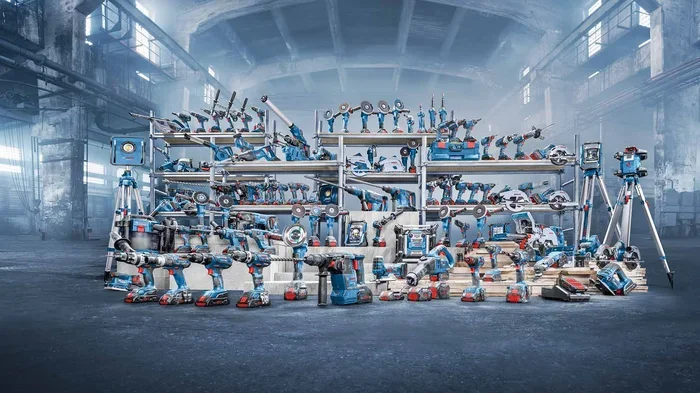
You do not need a huge workshop full of gadgets. A handful of quality tools covers most beginner projects. Here are the must-have power tools for beginners that every starter should have in their collection.
Power Drill
A power drill is the single most important tool in any beginner kit. You use it for drilling holes, driving screws, and even sanding with the right attachments. Both corded and cordless models work great. Cordless drills give you freedom of movement, while corded drills deliver constant power.
Look for a drill with adjustable speed settings. This lets you work slowly on delicate materials and speed up on harder surfaces. A keyless chuck makes it easy to swap bits quickly.
Circular Saw
A circular saw handles straight cuts through wood, plywood, and even metal with the right blade. It is the go-to tool for cutting large panels or trimming boards to size. Start with a basic model and upgrade as your skills grow.
Always use a guide rail for straight cuts. Freehand cutting takes practice, so start small and work your way up.
Impact Driver
An impact driver drives screws faster and with more torque than a regular drill. It is perfect for building furniture, decks, or any project that requires many screws. The compact size makes it easy to handle for beginners.
Jigsaw
A jigsaw cuts curved lines and irregular shapes. It is perfect for cutting out patterns in wood or installing curved countertops. The blade moves up and down quickly, giving you smooth control over curved cuts.
Power Sander
Sanding by hand takes forever. A power sander smooths surfaces in a fraction of the time. Orbital sanders work well for beginners because they are easy to control and leave a uniform finish.
Angle Grinder
An angle grinder is great for cutting metal, grinding welds, and polishing surfaces. It is a versatile tool that opens up many project possibilities. Just remember to always wear safety glasses when using one.
Power Tool Safety: Rules You Must Follow
Safety is the most important part of learning how to use power tools. Every year, thousands of people visit emergency rooms due to power tool injuries. Most of these accidents are completely preventable with the right precautions.
Wear the Right Protective Gear
Always wear safety glasses before turning on any tool. Ear protection is essential for loud tools like grinders and saws. Work gloves protect your hands from splinters and sharp edges, and a dust mask keeps particles out of your lungs.
Read the Manual First
Every tool comes with a manual for a reason. It tells you the correct voltage, speed settings, and safety warnings. Skipping this step is one of the most common mistakes beginners make. Take five minutes to read it before you plug anything in.
Keep Your Work Area Clean
A cluttered workspace leads to accidents. Keep cords away from cutting areas. Store unused tools properly. Make sure your workbench is stable and your materials are secured before you start cutting or drilling.
Never Disable Safety Features
Modern tools come with safety features like blade guards and trigger locks. Some people remove these to make the tool feel lighter or faster. Never do this. These features exist to protect you from serious injury.
Unplug Before Changing Accessories
Always unplug a corded tool before swapping blades, bits, or discs. For cordless tools, remove the battery. This simple habit prevents accidental starts that can cause severe injuries.
Corded vs Battery Powered Tools: Which Is Better?
One of the first decisions you will face is choosing between corded and cordless tools. Both have real advantages, and the right choice depends on your needs.
| Feature | Corded Tools | Battery Powered Tools |
|---|---|---|
| Power Source | Plugs into wall outlet | Rechargeable lithium-ion battery |
| Runtime | Unlimited while plugged in | Limited by battery life |
| Portability | Restricted by cord length | Fully portable |
| Power Output | Generally higher and consistent | Slightly less but improving fast |
| Best For | Heavy-duty, stationary work | Mobile projects and quick tasks |
| Maintenance | Low | Battery replacement over time |
For beginners, a mix of both works best. Use corded tools for heavy-duty tasks like sanding or running a shop vacuum. Use battery powered tools for mobile work like drilling on a ladder or trimming boards outside.
If you also use an air compressor in your shop, knowing how to get the most out of it is key. Check out our guide on how to get more CFM from your air compressor to boost performance and efficiency.
When Corded Wins
Corded tools deliver uninterrupted power. You never have to wait for a battery to recharge. For tasks that take a long time, like sanding a large floor or running a table saw, corded tools keep going without stopping.
When Battery Powered Wins
Battery powered tools offer unmatched convenience. You can carry them anywhere without finding an outlet. Modern lithium-ion batteries last a long time and charge quickly. For quick jobs like hanging shelves or driving a few screws, cordless tools are hard to beat.
How to Maintain Your Power Tools
Proper maintenance keeps your tools working at their best. A well-maintained tool cuts cleaner, runs smoother, and lasts for years. Neglecting maintenance leads to dull blades, overheating, and even dangerous malfunctions.
Clean After Every Use
Wipe down your tools after each session. Sawdust, debris, and grease build up fast. Use a soft brush to clear vents and moving parts. A clean tool runs cooler and performs better.
Replace Blades and Bits Regularly
Dull blades make your work harder and less safe. A dull saw blade forces the motor to work harder, which causes overheating. Replace blades when you notice rough cuts or burning marks on the wood.
Store Tools Properly
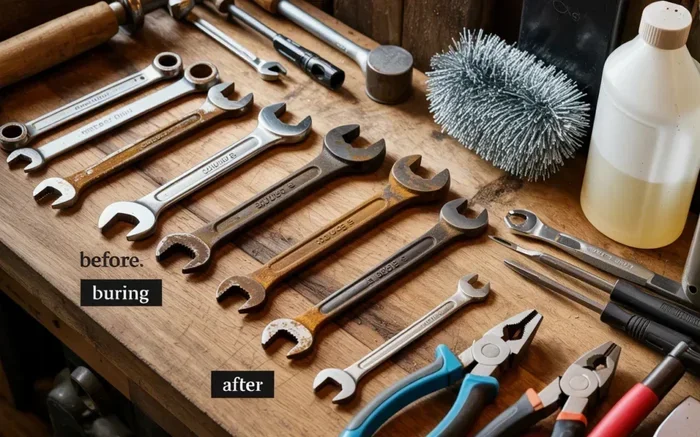
Keep tools in a dry, organized space. Moisture causes rust on metal parts. Use tool bags, cases, or a dedicated toolbox. Hanging power tools on pegboard saves space and keeps them within easy reach.
Check Cords and Batteries
Inspect power cords for fraying or damage before each use. A damaged cord is a serious safety hazard. For battery powered tools, clean the battery contacts periodically to ensure a solid connection.
Want to learn more about getting the most from your shop equipment? Our article on easy air compressor how to use covers setup and maintenance tips that apply to many power tools in your workshop.
Common Beginner Mistakes and How to Avoid Them
Everyone makes mistakes when starting out. The trick is learning from them before they cause harm. Here are the most common errors beginners make with power tools and how to avoid each one.
Rushing Into Projects
Excitement can make you want to jump right in. But rushing leads to sloppy cuts, stripped screws, and potential injuries. Take your time. Measure twice, cut once. Practice on scrap wood before working on your actual project.
Using the Wrong Blade or Bit
Not all blades and bits are the same. Using a wood-cutting blade on metal, or a fine-tooth bit for rough cutting, damages both the material and the tool. Always match the accessory to the material you are working with.
Ignoring Tool Settings
Every power tool has adjustable settings for speed, torque, and depth. Using the default setting for every job leads to poor results. Take a moment to adjust the settings based on the material and the task at hand.
Overloading the Tool
Pushing a tool too hard does not make it work faster. It strains the motor and increases the risk of kickback. Let the tool do the work. Apply steady, gentle pressure and let the blade or bit do the cutting.
Skipping Test Runs
Always test a new tool or new setting on scrap material first. This lets you see how the tool behaves and make adjustments before committing to your real workpiece. It is a habit that pro woodworkers follow every single time.
How to Build a Beginner Power Tool Setup
Setting up your first workshop does not need to be expensive or complicated. Start with the basics and expand as your skills grow. Here is a simple step-by-step plan to build your starter setup.
Step 1: Choose a Dedicated Workspace
You do not need a full garage. A clear corner of a room works fine. Make sure you have enough space to move around safely. Good lighting is essential for accuracy and safety.
Step 2: Buy the Core Tools
Start with a drill, impact driver, circular saw, and a power sander. These four tools handle the vast majority of beginner projects. Add a jigsaw or angle grinder as your confidence grows.
Step 3: Get Quality Accessories
Invest in good blades, bits, and sanding discs. Cheap accessories dull fast and produce poor results. A few quality accessories outperform a dozen cheap ones every time.
Step 4: Organize Your Space
Use a pegboard, tool chest, or shelving unit to keep everything in order. A tidy workspace makes projects more enjoyable and helps you find what you need quickly.
Step 5: Expand Gradually
Do not buy every tool at once. As you take on new projects, you will naturally discover which additional tools you need. This approach keeps your budget in check and prevents tool clutter.
If your projects involve an air compressor, understanding how it works gives you a big advantage. Check out our guide on how a 2 stage compressor works to understand compressor types and pick the right one for your needs.
Expert Tips to Work Like a Pro
Professional tradespeople follow habits that make their work faster and cleaner. You can adopt these same habits as a beginner. Here are some expert tips that make a real difference.
- Mark your cut line with a pencil and use painter’s tape to prevent the saw from wandering.
- Use clamps to secure your workpiece instead of holding it with your hands.
- Keep a dedicated charging station for your battery powered tools so they are always ready.
- Label your tools after each use so you always know where everything is.
- Record your settings for different materials in a small notebook or phone app.
- Watch tutorial videos before trying a new technique on your actual project.
- Join a local DIY community to learn from experienced builders and share your own progress.
These small habits separate beginners from pros. They take almost no extra time but pay off with better results and a much safer workshop experience.
Final Thoughts
Learning how to use power tools is a journey that starts with a single step. You do not need to master everything at once. Start with the basic tools, follow the safety rules, and practice regularly. Each project teaches you something new and builds your skills further.
The most important thing is to enjoy the process. Power tools open up a world of possibilities for DIY projects, home repairs, and creative builds. With the right knowledge and a little practice, you will be working like a pro before you know it. So grab your tools, put on your safety gear, and start building something amazing today.
Frequently Asked Questions
What are the best power tools for beginners?
A power drill, impact driver, circular saw, jigsaw, and power sander cover most beginner needs. These five tools handle the majority of DIY projects and are easy to learn. Start with these and add more tools as your skills grow.
Is it safe to use power tools as a beginner?
Yes, power tools are safe when you follow the basic safety rules. Always wear protective gear, read the manual, and never disable safety features. Taking it slow and practicing on scrap material builds your confidence and keeps you safe.
Should I buy corded or cordless power tools?
A mix of both works best for most beginners. Corded tools offer unlimited runtime and strong power for heavy tasks. Battery powered tools give you portability and convenience for quick jobs. Choose based on the type of work you plan to do most often.
How often should I replace power tool blades?
Replace blades when you notice rough cuts, burning marks, or the tool working harder than usual. For regular DIY use, most blades last between 10 and 20 projects depending on the material. Keeping spare blades on hand is always a smart move.
Can I use power tools for woodworking projects?
Absolutely. Power tools are perfect for woodworking. Drills, saws, sanders, and routers all make woodworking faster and more precise. Start with simple projects like shelves or birdhouses to build your skills before tackling larger builds.
How do I store power tools safely?
Store tools in a dry, organized space away from moisture and children. Use tool cases, bags, or wall-mounted racks. Always unplug corded tools and remove batteries from cordless tools before storing them long term.