How Much Oil Does Your AC Compressor Actually Need
Your AC compressor needs the right amount of oil to cool, lubricate, and run smoothly. Most residential units require between 4 and 8 ounces of oil, but the exact amount depends on your system size, compressor type, and manufacturer specifications. Using the wrong oil or overfilling can cause serious damage, so always check your manual first.
Your AC compressor is the heart of your cooling system. Without proper lubrication, it simply cannot do its job. But here is the thing most homeowners get wrong: they never think about AC compressor oil until something goes wrong.
Whether you are dealing with a noisy compressor, poor cooling, or you are just trying to do routine maintenance, understanding how much oil your system needs is essential. In this guide, we will walk you through everything you need to know about compressor lubricant, from the right amount to use to the best type for your unit. Let us get into it.
Key Takeaways
- Oil Amount Varies: Most AC compressors need 4 to 8 ounces of oil, but always check your specific unit.
- Right Oil Type Matters: Use PAG or POE oil based on your system, never mix types.
- Low Oil Causes Damage: Running low on oil leads to overheating, seized pistons, and costly repairs.
- Check Oil Regularly: Inspect oil levels during seasonal AC maintenance to prevent problems.
- Overfilling Is Dangerous Too: Too much oil can flood the compressor and reduce cooling efficiency.
- Follow Manufacturer Guidelines: The owner’s manual is your best source for exact oil capacity and type.
📑 Table of Contents
- What Does AC Compressor Oil Actually Do?
- How Much Oil Does Your AC Compressor Actually Need?
- Types of AC Compressor Oil
- Signs Your AC Compressor Oil Is Low
- How to Check and Add Oil to Your AC Compressor
- Common Mistakes When Adding Compressor Oil
- Expert Tips for Maintaining AC Compressor Oil
- How Long Can You Go Between Oil Checks?
- How Much Does Compressor Oil Cost?
- Conclusion
What Does AC Compressor Oil Actually Do?
AC compressor oil serves two main jobs. First, it lubricates all the moving parts inside the compressor. Second, it helps transfer heat away from the internal components. Without enough oil, metal parts grind against each other, creating friction and heat.
Over time, this friction causes wear and tear. Eventually, your compressor can seize up completely. That means a very expensive repair or even a full replacement.
The Lubrication Process
When your AC runs, the compressor cycles on and off many times per hour. Each cycle creates movement inside the unit. The oil coats the pistons, valves, and bearings. This thin film prevents metal-to-metal contact. It also helps the refrigerant flow smoothly through the system.
Heat Transfer Role
Compressors generate a lot of heat during operation. The oil absorbs some of this heat and carries it away. This keeps the internal temperature within safe limits. Without proper heat transfer, components can warp or fail prematurely.
How Much Oil Does Your AC Compressor Actually Need?
The amount of oil your AC compressor needs depends on several factors. There is no single answer that fits every unit. However, most residential systems fall within a specific range.
General Oil Capacity Guidelines
For most standard home AC compressors, the oil capacity ranges from 4 to 8 ounces. Here are some general guidelines:
- Small window units: 2 to 4 ounces
- Central AC systems (up to 3 tons): 4 to 6 ounces
- Larger central systems (3 to 5 tons): 6 to 8 ounces
- Heat pump systems: 6 to 10 ounces
These numbers are starting points. Always refer to your unit’s owner manual for the exact capacity. The manual will list the specific oil amount and type recommended by the manufacturer.
Why Exact Amounts Matter
Adding too little oil means poor lubrication. Your compressor will work harder and wear out faster. On the other hand, adding too much oil can cause oil flooding. This happens when excess oil pools in the compressor cylinders and prevents proper refrigerant compression.
Both underfilling and overfilling lead to problems. The key is getting the amount exactly right.
When you are maintaining your HVAC system, it is also worth understanding the broader power requirements. If you are considering a backup power solution, check out this guide on how many KW generator to run a house to make sure your system stays running during outages.
Types of AC Compressor Oil
Not all compressor oils are the same. Using the wrong type can damage your system. Let us look at the two main types you will encounter.
PAG Oil (Polyalkylene Glycol)
PAG oil is the most common type used in modern AC compressors. It is synthetic and works well with R-134a refrigerant. Many car AC systems and newer home units use PAG oil. It comes in different viscosities, usually PAG 46, PAG 100, and PAG 150.
PAG oil is hygroscopic, which means it absorbs moisture from the air. This is actually a problem if you leave the oil container open too long. Moisture in the oil can cause corrosion inside the compressor.
POE Oil (Polyolester)
POE oil is another synthetic option. It is commonly used in systems that use R-410A refrigerant. POE oil has excellent chemical stability and works well at higher temperatures. Many modern home AC systems rely on POE oil for their compressor oil fill.
POE oil is also more tolerant of moisture than PAG oil, but it is still best to keep it sealed and stored properly.
Mineral Oil
Older AC systems sometimes use mineral oil. This is a petroleum-based lubricant. It is not compatible with newer refrigerants like R-410A. If you have an older unit, check what type of oil it uses before adding anything.
Quick Comparison Table
| Oil Type | Best For | Compatibility | Moisture Tolerance |
|---|---|---|---|
| PAG Oil | R-134a systems, car AC | Synthetic refrigerants | Low (absorbs moisture) |
| POE Oil | R-410A home systems | Modern refrigerants | Moderate |
| Mineral Oil | Older R-22 systems | Legacy refrigerants only | High |
Never mix different oil types. PAG and POE do not blend well together. Mixing them can create sludge that clogs your system and damages the compressor.
Signs Your AC Compressor Oil Is Low
Low oil in your AC compressor shows clear warning signs. Catching these early can save you from expensive repairs.
Unusual Noises
If you hear clicking, ticking, or grinding sounds coming from your compressor, the oil level may be low. Without enough lubricant, metal parts start to make contact. The noise is a direct result of increased friction.
Reduced Cooling Performance
Low oil makes your compressor work harder. This reduces its ability to cool your home efficiently. You might notice that your AC runs longer but does not cool the house as well. If you are also dealing with AC maintenance issues, low oil could be a contributing factor.
Overheating
Oil helps manage heat inside the compressor. When oil levels drop, heat builds up faster. You might notice the unit shutting off unexpectedly or the compressor running very hot to the touch. Overheating is one of the most serious signs of low oil.
Oil Leaks
Sometimes the problem is not that you need to add oil but that oil is leaking out. Look for oily spots around the compressor or refrigerant lines. If you see leaks, address them before simply refilling the oil.
Regularly checking your system helps prevent these issues. If you are also running other equipment like a backup generator, understanding fuel consumption matters too. Learn more about how much gas a generator uses to keep all your home systems running smoothly.
How to Check and Add Oil to Your AC Compressor
Checking and adding oil to your AC compressor is something you can do yourself with the right tools. But safety comes first. Always turn off the power before working on any HVAC equipment.
Step-by-Step Oil Check
- Turn off the power: Switch off the breaker that controls your AC unit.
- Locate the oil service port: This is usually on the side of the compressor. Check your manual if you are not sure where it is.
- Attach a gauge: Use an oil pressure gauge to check the current oil level.
- Compare to specs: Match the reading against the manufacturer’s recommended level.
- Add oil if needed: Use the correct oil type and add small amounts slowly.
How to Add Oil Safely
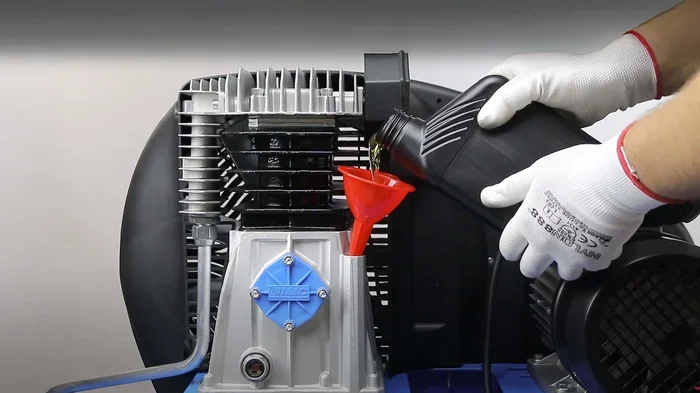
Adding oil is straightforward but requires care. Use a syringe or oil dispenser to inject oil into the service port. Add it in small increments, checking the level after each addition.
Do not rush this process. Adding too much oil at once is a common mistake. Go slow and monitor the level closely.
When to Call a Professional
If you are not comfortable working with your AC compressor, call a licensed HVAC technician. They have the tools and experience to handle oil checks and refills safely. A professional can also check for leaks and other issues that might be causing oil loss.
For homeowners who are also managing electrical connections for backup systems, proper wiring is critical. If you need guidance on electrical setups, see this article about how to wire a generator to a breaker box for safe installation practices.
Common Mistakes When Adding Compressor Oil
Even well-meaning homeowners make mistakes when dealing with AC compressor oil. Here are the most common ones to avoid.
Using the Wrong Oil Type
This is the number one mistake. Using the wrong oil type can cause chemical reactions inside the compressor. It can also damage seals and o-rings. Always double-check that you have the right oil for your specific system.
Overfilling the Oil
More oil does not mean better performance. Overfilling causes oil to mix with the refrigerant and circulate through the entire system. This reduces cooling efficiency and can damage other components like the expansion valve.
Ignoring Oil Contamination
If your oil looks dark, gritty, or smells burnt, do not just top it off. Contaminated oil signals internal wear or a deeper problem. Flushing the system and replacing the oil completely is often the better approach.
Skipping the Oil Filter
Some AC systems have an oil filter or screen. If this becomes clogged, oil cannot circulate properly. Always check the filter when you inspect oil levels.
Not Checking for Leaks
If you keep losing oil, something is leaking. Simply adding more oil without finding the leak is a waste of time and money. Have a professional inspect the system for leaks and repair them promptly.
Expert Tips for Maintaining AC Compressor Oil
Proper maintenance keeps your compressor oil in great shape and extends the life of your AC unit. Here are some expert-backed tips.
Stick to a Maintenance Schedule
Have your AC system inspected at least once a year, preferably before the cooling season starts. A technician can check oil levels, identify leaks, and recommend any needed service.
Keep the Area Clean
Debris around the outdoor compressor unit can restrict airflow and cause overheating. Keep the area clear of leaves, dirt, and other obstructions. Good airflow helps the oil circulate properly.
Monitor Oil Levels Seasonally
Check your oil levels at the start of each cooling season. This simple habit can catch low oil before it causes damage. It takes just a few minutes and can save you hundreds in repair costs.
Use Quality Oil and Filters
Do not cut corners on oil quality. Use manufacturer-recommended oil and replace filters on schedule. Cheap or incompatible oil can cause long-term damage that far outweighs any savings.
Understand Your System
Every AC system is different. Take the time to read your owner manual and understand your specific unit’s oil requirements. Knowing your system gives you an advantage when troubleshooting problems.
For those considering whole-home power protection, understanding your electrical setup is important. The home generator cost varies based on your needs, and having a reliable backup can keep your AC running during power outages.
How Long Can You Go Between Oil Checks?
Most manufacturers recommend checking your AC compressor oil at least once per year. However, if you live in a hot climate or run your AC heavily during summer, consider checking it twice a year.
Systems that are older or have higher running hours may need more frequent checks. Listen to your compressor and watch for the warning signs we discussed earlier. If anything seems off, do not wait for the next scheduled check. Investigate right away.
How Much Does Compressor Oil Cost?
AC compressor oil is relatively affordable. A can of PAG or POE oil typically costs between 15 and 40 dollars, depending on the brand and quantity. Most residential systems only need one can per service interval.
If you hire a professional to check and refill the oil, expect to pay between 100 and 200 dollars for the service call. This includes labor and any diagnostic time. While it costs more than a DIY approach, professional service ensures the job is done correctly and safely.
When budgeting for home systems, keep in mind that compressor repairs can be expensive. A new compressor can cost anywhere from 1,000 to 3,000 dollars installed. Regular oil maintenance is a small investment that pays off by avoiding these large costs.
Conclusion
Your AC compressor needs the right amount of AC compressor oil to work properly. Most units need between 4 and 8 ounces, but always check your manual for the exact number. Use the correct oil type, check levels regularly, and never ignore warning signs.
Proper oil maintenance is one of the simplest things you can do to extend the life of your AC system. It keeps your compressor cool, reduces wear, and ensures efficient cooling all summer long. Take a few minutes to check your oil levels this season. Your compressor and your wallet will thank you.
Remember, when in doubt, call a professional. A licensed HVAC technician can handle oil checks, refills, and any underlying issues with confidence. Stay proactive, and your AC system will keep you cool for years to come.
Frequently Asked Questions
Can I use motor oil in my AC compressor?
No, never use regular motor oil in an AC compressor. AC compressors require specific oils like PAG or POE that are designed to work with refrigerant. Motor oil is not compatible and can cause serious damage to your system.
How do I know if my AC compressor has enough oil?
The best way is to check the oil level through the service port using a gauge. You can also look for warning signs like unusual noises, reduced cooling, or overheating. If you are unsure, have a professional inspect your unit.
What happens if I put too much oil in my AC compressor?
Overfilling causes oil to mix with the refrigerant and circulate through the system. This reduces cooling efficiency, can flood the compressor, and may damage other components like the expansion valve. Always add oil in small amounts and check the level frequently.
How often should I change my AC compressor oil?
Most systems do not need a full oil change. Instead, check the oil level annually and top off as needed. If the oil becomes contaminated or dark, a full flush and replacement may be necessary. Consult your owner manual for specific guidance.
Can low oil cause my AC compressor to fail?
Yes, absolutely. Low oil causes increased friction and overheating inside the compressor. Over time, this leads to worn bearings, seized pistons, and eventual compressor failure. Keeping oil levels proper is one of the best ways to prevent costly breakdowns.
Is it normal for AC compressor oil to decrease over time?
Some gradual decrease is normal, especially if there are minor leaks or oil absorption into the refrigerant. However, a significant drop in oil level usually indicates a leak or a more serious problem that needs professional attention.