Oil Free Centrifugal Compressor Everything You Need to Know
An oil free centrifugal compressor delivers pure, oil-free compressed air using high-speed rotating impellers. It’s ideal for industries like food, pharma, and electronics where contamination is a dealbreaker. This guide covers how they work, benefits, types, and how to choose the right one.
If you work in manufacturing, you know that clean, dry compressed air is not a luxury—it is a necessity. An oil free centrifugal compressor makes that possible by delivering air with zero oil contamination. Unlike oil lubricated machines, these compressors use no oil in the compression chamber, which means your final product stays pure. In this guide, we will walk through everything you need to know, from how they work to which model fits your needs.
Whether you are upgrading an existing system or installing a new one, understanding the basics of an oil free centrifugal compressor helps you make a smart investment. These machines are built for high flow, continuous operation, and industries where even tiny oil traces can ruin a batch of product. Let us break it all down in simple terms.
Key Takeaways
- Oil-free means pure air: No oil carries over into your process, keeping products and equipment safe.
- Centrifugal design excels at high flow: These machines handle large volumes of compressed air efficiently.
- Low maintenance and long life: With fewer wear parts and no oil to change, downtime drops significantly.
- Perfect for sensitive industries: Food and beverage, pharmaceuticals, and electronics rely on this technology.
- Energy efficiency saves money: Modern oil free centrifugal compressors use advanced aerodynamics to cut power costs.
- Choosing the right size matters: Match the compressor to your air demand to avoid wasted energy or short cycling.
📑 Table of Contents
What Is an Oil Free Centrifugal Compressor?
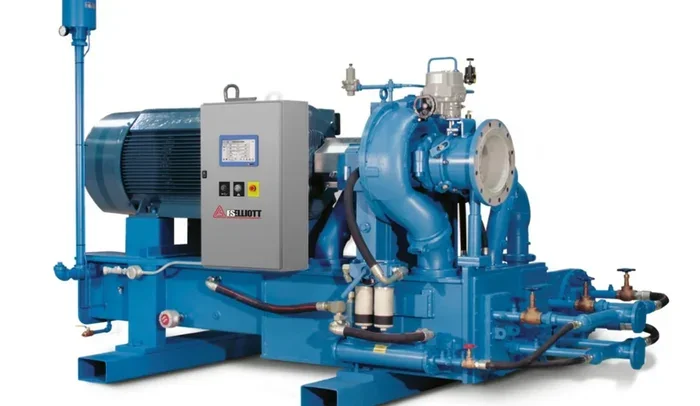
An oil free centrifugal compressor is a type of dynamic compressor that uses a high-speed rotating impeller to add energy to air. The air then moves through a diffuser, where its speed drops and pressure rises. Because no oil touches the air stream, the output is completely oil free. This design is part of a broader family of oil free air compressor technologies that includes rotary screw and scroll types, but the centrifugal style stands out for large scale needs.
The term oil free means the compression chamber has no lubricating oil. In an oil lubricated compressor, oil serves as a seal and coolant, but it can leak into the air. With an oil free centrifugal design, you eliminate that risk entirely. This is why industries like food processing and semiconductor manufacturing trust these machines.
How It Differs from Oil Lubricated Models
An oil lubricated centrifugal compressor uses oil inside the compression zone to cool and seal the bearings and gear. The oil then separates from the air and gets recycled. While this works well for many industrial tasks, it carries a small risk of oil carryover. An oil free centrifugal compressor skips the oil entirely, using air bearings or water cooling instead. The result is absolutely pure compressed air with no hydrocarbons.
Here is a quick side by side look.
| Feature | Oil Free Centrifugal | Oil Lubricated Centrifugal |
|---|---|---|
| Oil in compression chamber | None | Yes |
| Air purity | Class 0 (oil free) | Requires after-treatment |
| Maintenance frequency | Lower (no oil changes) | Regular oil and filter changes |
| Typical flow range | High (hundreds to thousands of CFM) | High, but with oil system |
| Best for sensitive processes | Yes | No, unless fully filtered |
How Does an Oil Free Centrifugal Compressor Work?
The working principle is elegant and simple. Air enters the compressor through an inlet screen. A high speed impeller spinning at 10,000 to over 30,000 RPM flings the air outward, adding kinetic energy. The air then enters a diffuser, where its velocity converts into pressure. Finally, a swelling chamber or exit collects the compressed air and sends it to your system.
Because the oil free centrifugal compressor has no oil in the compression path, it relies on either air bearings or water cooling for the shaft and bearings. Air bearings use a thin film of pressurized air to float the shaft, creating zero friction and zero oil contamination. Water cooling removes heat from the outer casing, keeping the process air cool and dry.
The Role of the Impeller
The impeller is the heart of the system. It is a disk with curved blades attached to a high speed shaft. As the shaft spins, the blades accelerate the air. The faster the impeller spins, the higher the pressure gain. Modern oil free centrifugal compressor designs use aerodynamic blade shapes to maximize efficiency and reduce noise. This is a key reason why these machines last for decades with minimal wear.
Cooling Without Oil
Since there is no oil to absorb heat, the compressor must cool another way. Most large units use water cooling, where a separate water loop absorbs heat from the compressor casing. Some smaller units use air cooling with large fans. Both methods keep the oil free centrifugal compressor running at a safe temperature without introducing any lubricant into the air stream.
Key Benefits of an Oil Free Centrifugal Compressor
Switching to an oil free centrifugal compressor brings several powerful advantages. Let us explore the ones that matter most to plant managers and engineers.
Pure, Oil Free Compressed Air
The biggest benefit is obvious: your compressed air contains zero oil. This meets strict standards like ISO 8573-1 Class 0, which guarantees no measurable oil content. In a food grade compressor application, this means no risk of oil contaminating your product. In pharmaceutical manufacturing, it means compliance with rigorous purity rules. You also avoid the cost and hassle of installing extra filtration downstream.
Lower Maintenance Costs
Because there is no oil system, you eliminate oil changes, oil filters, and separator elements. The bearings in an oil free centrifugal compressor often last for the full service life of the machine when properly maintained. This translates to fewer scheduled stops and lower unplanned repair costs. Plant teams love the predictable maintenance schedule.
High Efficiency at Full Load
Centrifugal compressors are inherently efficient when running near their design point. Modern oil free centrifugal compressor units use advanced aerodynamics and variable speed drives to maintain high efficiency across a range of flows. This can lead to significant energy savings compared to older, fixed speed machines. Over time, the electricity savings often offset the higher upfront cost.
Quiet and Compact for Their Capacity
Surprisingly, a high capacity oil free centrifugal compressor can be quite compact and quiet compared to an equivalent oil lubricated machine. The absence of an oil pump, oil cooler, and large separator tank simplifies the design. Many units come as packaged skid mounts, which means fast installation and a smaller footprint.
Reduced Risk of Contamination
In an oil lubricated compressor, a seal failure can introduce oil into the air system. This can shut down production lines and ruin product. An oil free centrifugal compressor removes this risk entirely. Even if a bearing wears, no oil enters the air. This peace of mind is invaluable in continuous manufacturing environments.
Common Applications and Industries
An oil free centrifugal compressor shines where air purity is non negotiable. Here are the main sectors that rely on this technology.
Food and Beverage
In food processing plants, compressed air touches products directly or indirectly. An oil free centrifugal compressor ensures that no hydrocarbons, particles, or water vapor (beyond what a dryer removes) contaminate the food. Breweries, bakeries, and dairy processors use these machines to power pneumatic conveyors, packaging lines, and spray nozzles.
Pharmaceuticals and Healthcare
Pharmaceutical manufacturing demands the highest air purity. An oil free centrifugal compressor provides the Class 0 oil free air required by FDA and GMP guidelines. Hospitals and medical device manufacturers also depend on these compressors for clean, dry air in surgical tools and breathing equipment.
Electronics and Semiconductor Manufacturing
Semiconductor fabrication requires ultra clean environments. Even trace oil can ruin microchips. An oil free centrifugal compressor supplies the large volume of pure, dry air needed for cleanroom operations, wafer handling, and precision tooling.
Chemical and Petrochemical Plants
In chemical processes, oil contamination can trigger dangerous reactions or ruin product quality. An oil free centrifugal compressor safely handles process air, instrument air, and purge gas applications without the risk of oil leaks.
Textile and Automotive Painting
Paint shops need oil free air to avoid defects in finishes. An oil free centrifugal compressor delivers the high flow rates needed for large spray booths, ensuring a smooth, blemish free coat on cars or fabrics.
How to Choose the Right Oil Free Centrifugal Compressor
Selecting the best oil free centrifugal compressor for your facility requires a clear look at your air demand, pressure needs, and operating conditions. Follow these steps to make a confident choice.
Step 1: Determine Your Air Demand
Measure the total compressed air flow your facility needs, usually in CFM (cubic feet per minute) or m3/h. Consider both the average load and the peak load. An oil free centrifugal compressor works best at or near full load, so sizing it correctly is critical. An undersized machine will short cycle and wear out quickly. An oversized machine wastes energy.
Step 2: Set the Required Pressure
Identify the minimum pressure your tools and processes need. Most centrifugal compressors deliver air at 4 to 10 bar (60 to 150 psi). Check your highest pressure point and add a small margin for pressure drops in the distribution system.
Step 3: Consider the Duty Cycle
Will the compressor run 24/7, or only during shifts? A continuous duty oil free centrifugal compressor is built for round the clock operation. If your demand varies, look for a unit with a variable speed drive (VSD) to match output to load and save energy.
Step 4: Evaluate the Cooling Method
Water cooling is common for large oil free centrifugal compressors because it handles the heat load efficiently. Air cooling works well for smaller packages or where water is scarce. Choose the method that fits your plant environment.
Step 5: Check Certifications and Standards
Look for ISO 8573-1 Class 0 certification for oil free air. Also check for UL, CE, or other local safety certifications. A reputable oil free centrifugal compressor manufacturer will provide clear documentation of air purity and performance guarantees.
Quick Tips for Sizing
- Add 10% to your peak CFM to account for leaks and future growth.
- Use a pressure dew point chart to match your dryer capacity to the compressor output.
- Ask your supplier for a full load efficiency (FLE) figure to compare energy performance.
- Consider a backup or standby unit if downtime is very costly.
Maintenance Tips for Long Service Life
An oil free centrifugal compressor is designed for minimal intervention, but regular checks keep it running smoothly for 15 to 20 years or more.
Routine Inspections
Check the inlet screen for dust buildup once a week. Inspect the water cooling system for leaks or blockages monthly. Listen for unusual sounds in the bearings or gearbox. Most modern units have vibration sensors that alert you before a problem becomes serious.
Bearing and Gear Care
The bearings in an oil free centrifugal compressor are either air bearings or rolling element bearings. Air bearings need a clean, dry supply air and proper pressure. Rolling element bearings should be inspected at the manufacturer recommended intervals. Keeping the shaft alignment perfect reduces wear on both types.
Common Mistakes to Avoid
- Skipping inlet filter changes: A clogged filter starves the compressor of air, raising temperatures and reducing efficiency.
- Ignoring vibration readings: Vibration is an early warning sign of bearing wear or imbalance. Address it promptly.
- Running below minimum flow: Centrifugal compressors need a minimum flow to stay stable. Operating too low can cause surge, which damages the impeller.
- Neglecting the cooling water: Poor water quality or low flow leads to overheating and premature failure.
Expert Insight
Many plant engineers treat the oil free centrifugal compressor as a set and forget asset. In reality, a simple 15 minute daily walk around the machine, checking pressure gauges, temperatures, and any leaks, prevents 90% of common issues. The small time investment pays off in years of reliable, oil free air.
Conclusion
An oil free centrifugal compressor is a powerful, reliable solution for any industry that demands pure, high volume compressed air. From food and pharma to electronics and chemical plants, this technology delivers clean air with minimal maintenance and excellent efficiency. By understanding how it works, what it offers, and how to choose the right size, you can make a confident investment that will serve your plant for decades.
Remember to prioritize air purity, match the machine to your real demand, and stick to a simple maintenance routine. The benefits of going oil free are clear: no contamination risk, lower operating costs, and a cleaner, safer production environment. If you are ready to explore options, talk to a trusted compressor supplier today and ask about their oil free centrifugal compressor lineup.
Frequently Asked Questions
What makes a centrifugal compressor oil free?
An oil free centrifugal compressor has no oil in the compression chamber. It uses air bearings or water cooling instead of oil lubrication, so the compressed air stays completely pure with zero oil carryover.
How long does an oil free centrifugal compressor last?
With proper maintenance, these machines often run for 15 to 20 years. The impeller and casing are durable, and modern bearings are designed for a long service life without oil related degradation.
Is an oil free centrifugal compressor more expensive than an oil lubricated one?
The upfront cost is usually higher, but the lower maintenance, energy savings, and avoidance of oil contamination often make it more cost effective over the life of the machine.
Can an oil free centrifugal compressor be used for high pressure applications?
Yes. Multi stage oil free centrifugal compressors can achieve pressures up to 10 bar or more. Each stage adds pressure incrementally while keeping the air oil free.
What industries need an oil free centrifugal compressor most?
Food and beverage, pharmaceuticals, electronics manufacturing, chemical processing, and automotive painting are the top sectors that rely on oil free compressed air for quality and safety.
How do I know if my facility needs an oil free centrifugal compressor?
If your process requires Class 0 oil free air, or if you are tired of oil filter replacements and potential contamination risks, an oil free centrifugal compressor is likely the right choice. A compressed air audit can confirm your exact needs.