Everything You Need to Know About Puma Air Compressor Parts
Puma air compressor parts keep your machine running strong and efficient. Whether you need replacement filters, valves, or motor components, knowing the right parts makes all the difference. This guide covers everything from common parts to maintenance tips and buying advice for puma compressor owners.
Puma air compressor parts are the building blocks that keep your compressor running smoothly. Whether you use your puma compressor at home, in a garage, or on a job site, eventually you will need to replace or upgrade a component. Knowing which parts you need and how to install them can save you time, money, and a lot of frustration.
This guide breaks down everything you need to know about puma air compressor parts. We will cover the most common components, how to find the right fit, maintenance tips, and where to buy quality replacements. If you own a puma compressor, this article is your go-to resource.
Air compressors are workhorses. They power pneumatic tools, inflate tires, and run spray guns. But like any machine, they need regular care. Understanding your puma air compressor parts helps you keep your unit in top shape for years to come. Let us dive in.
Key Takeaways
- Know Your Compressor: Understanding your puma air compressor model helps you find the correct parts every time.
- Common Parts Matter: Filters, valves, belts, and fittings are the most frequently replaced components.
- Maintenance Saves Money: Regular upkeep with quality puma compressor parts extends your machine’s lifespan significantly.
- OEM vs Aftermarket: Both options have pros and cons. Choose based on your budget and performance needs.
- Safety First: Always use compatible parts and follow manufacturer guidelines when replacing components.
- Right Fit Matters: Using incorrect parts can damage your compressor and void your warranty.
📑 Table of Contents
- Understanding Your Puma Air Compressor
- Common Puma Air Compressor Parts
- How to Find the Right Puma Air Compressor Parts
- Puma Air Compressor Parts Maintenance Tips
- Common Mistakes When Replacing Puma Air Compressor Parts
- Where to Buy Quality Puma Air Compressor Parts
- When to Call a Professional for Puma Compressor Repair
- Final Thoughts on Puma Air Compressor Parts
Understanding Your Puma Air Compressor
Before you can pick the right puma air compressor parts, you need to understand your machine. Puma makes several compressor models for different purposes. Each model has unique parts that fit its design and motor size.
Know Your Model Number
Every puma compressor has a model number on the nameplate or manual. Write this down and keep it handy. When you search for replacement parts, the model number ensures you get the correct fit. Using the wrong part can cause damage or safety issues.
Check your owner’s manual for a parts list. Most puma compressors come with a detailed breakdown of every component. This makes shopping for puma compressor accessories much easier. If you lost your manual, try searching online with your model number.
Types of Puma Compressors
Puma makes both portable and stationary compressors. Portable units are lighter and easier to move around. Stationary models are bigger and more powerful. Each type uses different puma air compressor parts, so knowing your unit type is essential.
- Portable Compressors: Smaller tanks, lighter frames, and compact motors.
- Stationary Compressors: Larger tanks, heavier-duty motors, and industrial-grade components.
- Oil-Lubricated Models: Use compressor oil and have different internal parts than oil-free models.
- Oil-Free Models: Lighter and lower maintenance but may need different wear parts over time.
Common Puma Air Compressor Parts
Every compressor has parts that wear out over time. Knowing these common components helps you stay ahead of breakdowns. Here are the puma air compressor parts you will likely need to replace at some point.
Air Filters
The air filter keeps dust and debris out of your compressor’s motor. A clogged filter reduces airflow and makes the motor work harder. Most puma compressors use standard replaceable filters. Check your filter every few weeks, especially if you use the compressor in dusty environments.
Replacing an air filter is one of the easiest puma compressor repair tasks you can do. Just remove the old filter, clean out any debris, and insert the new one. This simple step can improve your compressor’s efficiency by a noticeable margin.
Pressure Switch
The pressure switch tells your compressor when to turn on and off. It monitors the air pressure in the tank. When pressure drops below a set level, the switch activates the motor. When it reaches the maximum pressure, it shuts the motor off.
A faulty pressure switch is one of the most common reasons a compressor stops working. If your puma air compressor parts include a pressure switch replacement, do not delay the fix. A bad switch can cause the motor to run continuously, which leads to overheating and serious damage.
Valve Kit
Compressor valves control the flow of air into and out of the tank. The intake valve lets air in during the downstroke. The discharge valve pushes air into the tank during the upstroke. Over time, these valves wear out or get clogged with moisture and debris.
A valve kit is one of the most important puma compressor accessories to keep on hand. Replacing valves restores proper pressure and prevents air leaks. Most valve kits come with all the small parts you need for a complete replacement.
Compressor Belt
The belt connects the motor to the pump. It transfers power from the motor to compress the air. Belts wear out over time, especially with heavy use. A worn belt slips, makes noise, and reduces compression efficiency.
When replacing a puma air compressor belt, always match the exact size and type. Using the wrong belt can slip off or break, causing further damage to the motor or pump. Keep a spare belt in your toolbox if you use your compressor frequently.
Tank Fittings and Hoses
The tank connects to your tools through fittings and hoses. These components can corrode, crack, or loosen over time. Rusty fittings cause air leaks that waste energy and reduce pressure. Cracked hoses are a safety hazard and should be replaced immediately.
Inspect your compressor hose fittings regularly. Tighten any loose connections and replace any damaged parts. Using quality puma compressor accessories for your hoses and fittings ensures a tight, leak-free connection every time.
How to Find the Right Puma Air Compressor Parts
Finding the correct parts for your puma compressor does not have to be difficult. With a little know-how, you can quickly identify and order the right components. Here is a step-by-step approach.
Step 1: Identify the Part You Need
Start by figuring out exactly which part is causing the problem. Listen for unusual noises. Check for air leaks. Look for visible wear or damage. Sometimes the issue is obvious, like a cracked hose. Other times, you may need to test the pressure switch or valve to diagnose the problem.
Keep a log of any issues you notice. This helps you track patterns and prevents small problems from becoming big repairs. A little observation goes a long way when it comes to puma compressor repair.
Step 2: Check Your Model Number
Once you know which part you need, pull up your model number. Search for that number along with the part name. Most manufacturers list compatible parts by model. This ensures you get a puma air compressor part that fits perfectly.
Step 3: Choose OEM or Aftermarket
You have two main options when buying replacement parts. OEM parts are made by puma or authorized suppliers. Aftermarket parts are made by third-party manufacturers. Both have advantages.
OEM parts offer the best fit and reliability. They match the exact specifications of your compressor. Aftermarket parts are often more affordable and widely available. For critical components like pressure switches or valves, OEM is usually the safer choice. For simpler parts like filters or hoses, aftermarket options work well.
Step 4: Buy from Trusted Sources
Always buy puma compressor accessories from reputable sellers. Check reviews and verify return policies. Avoid counterfeit parts that look cheap but perform poorly. A trusted supplier guarantees quality and compatibility.
Puma Air Compressor Parts Maintenance Tips
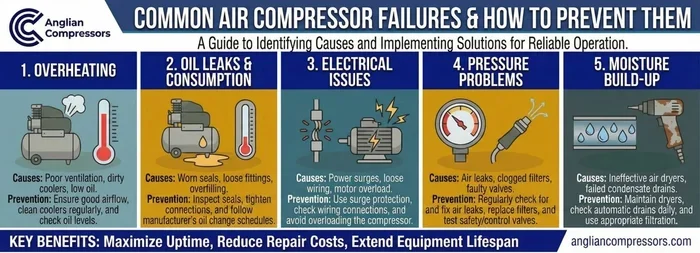
Regular maintenance keeps your compressor running efficiently and extends the life of every puma air compressor part. A little effort goes a long way toward preventing costly repairs.
Daily Maintenance
Before each use, do a quick visual check. Look for loose fittings, cracked hoses, or unusual wear. Drain moisture from the tank after every session. Moisture buildup causes rust inside the tank and damages internal puma air compressor parts over time.
Weekly Maintenance
Once a week, check the air filter and clean or replace it if needed. Inspect the compressor belt for signs of wear or cracking. Test the pressure switch to make sure it activates at the correct pressure levels.
Monthly Maintenance
Once a month, inspect all fittings and connections. Tighten any that have loosened. Check the compressor oil level if your model uses oil. Change the oil according to the manufacturer’s schedule. Clean the exterior of the unit to prevent dust buildup around vents and cooling fins.
Seasonal Maintenance
At the start of each season, do a thorough inspection. Replace any parts that show significant wear. Check the regulator and gauge for accuracy. If you store your compressor during off-seasons, run it briefly before each use to circulate fresh oil and clear any settled moisture.
Quick Tips for Part Longevity
- Always use the recommended compressor oil for your puma model.
- Never exceed the maximum tank pressure rated for your unit.
- Store your compressor in a dry, clean environment.
- Replace worn parts immediately instead of waiting for a breakdown.
- Keep spare puma compressor accessories on hand for quick fixes.
- Follow the maintenance schedule in your owner’s manual.
Common Mistakes When Replacing Puma Air Compressor Parts
Even experienced users make mistakes when replacing compressor parts. Avoid these common errors to keep your puma compressor running safely and efficiently.
Using the Wrong Part
The biggest mistake is installing a part that does not match your model. A slightly different fitting or a mismatched belt size can cause serious problems. Always double-check compatibility before you install any new puma air compressor part.
Skipping Safety Steps
Never replace parts while the compressor is running or still pressurized. Always disconnect the power supply and release all tank pressure first. Working on a pressurized system is dangerous and can cause injury.
Ignoring Small Leaks
A small air leak might seem harmless, but it wastes energy and puts extra strain on the motor. Over time, a tiny leak can cause the motor to overheat and fail. Fix any leak as soon as you notice it, whether it is a fitting, hose, or valve issue.
Over-Tightening Fittings
It is tempting to crank down on fittings to stop a leak. But over-tightening can crack threads or damage seals. Hand-tighten fittings first, then give them a quarter turn with a wrench. This is usually enough to create a secure seal without causing damage.
Neglecting Regular Maintenance
Many users only think about puma compressor repair when something breaks. By then, the damage may already be done. A proactive maintenance routine prevents most problems before they start. Set reminders on your phone or calendar to check key components regularly.
Where to Buy Quality Puma Air Compressor Parts
Finding genuine puma compressor accessories is easier than you think. Here are the best places to source your replacement parts.
- Official Puma Dealers: They carry the full range of OEM parts and offer expert advice.
- Online Marketplaces: Many authorized sellers list puma air compressor parts on major retail websites. Always verify the seller’s reputation.
- Specialty Compressor Shops: Local shops that specialize in compressors often carry a wide selection of parts and can help with installation.
- Manufacturer Websites: Puma’s official website may have a parts lookup tool where you enter your model number and find compatible components.
When shopping online, compare prices but also check return policies and warranty coverage. The cheapest option is not always the best, especially for critical components like pressure switches or motor parts. Investing in quality puma air compressor parts pays off in reliability and performance.
If you are running other pneumatic equipment alongside your compressor, make sure your power supply can handle the load. For example, if you are using a generator to power your compressor in a remote location, check that it is properly sized. You can learn more about matching power sources to equipment in our guide on what size generator works best for a 30 amp rv air conditioner, which covers similar power-matching principles for different tools.
When to Call a Professional for Puma Compressor Repair
Not every repair is a DIY job. Some puma air compressor parts require professional tools and expertise to replace safely. Here are signs that you should call a technician.
- Motor Problems: If the motor hums but does not start, or if it trips the breaker repeatedly, you need professional help.
- Tank Corrosion: Rust inside the tank is dangerous and usually requires a full tank replacement.
- Persistent Pressure Loss: If your compressor cannot hold pressure even after replacing valves and seals, there may be a deeper issue.
- Unusual Vibrations: Excessive vibration can indicate internal damage that needs expert diagnosis.
A qualified technician has the tools and experience to diagnose complex problems accurately. They can also perform safety checks that ensure your compressor operates within safe pressure limits. Do not hesitate to seek professional help when the repair goes beyond simple part replacement.
Final Thoughts on Puma Air Compressor Parts
Keeping your puma air compressor in great shape comes down to knowing the right parts and maintaining them properly. From air filters and pressure switches to belts and valve kits, every puma air compressor part plays a vital role in performance. Regular maintenance, smart part choices, and prompt repairs keep your compressor running at its best.
Take the time to understand your specific model and its parts list. Keep a supply of commonly replaced components on hand. And when in doubt, consult the manufacturer or a qualified technician. Your compressor works hard for you, so give it the care and quality puma compressor accessories it deserves.
With the right knowledge and the right parts, your puma compressor will serve you reliably for many years. Start today by checking your filters, inspecting your fittings, and making a list of any parts that need replacing. A little effort now saves big headaches later.
Frequently Asked Questions
What are the most common puma air compressor parts that need replacing?
The most common parts are air filters, pressure switches, valve kits, compressor belts, and tank fittings. These components wear out with regular use and need periodic replacement to keep your compressor running efficiently.
How do I know which puma air compressor part fits my model?
Check your model number on the nameplate or owner’s manual. Use that number to search for compatible parts on the manufacturer’s website or through authorized dealers. Always verify the part number before purchasing.
Are aftermarket puma compressor parts as good as OEM parts?
Aftermarket parts can be a great budget-friendly option, especially for simple components like filters and hoses. However, for critical parts like pressure switches or motor components, OEM parts offer better fit, reliability, and warranty coverage.
How often should I replace puma air compressor parts?
It depends on usage frequency and operating conditions. Air filters may need replacement every few months, while belts and valves can last one to two years with proper care. Follow the maintenance schedule in your owner’s manual for the best results.
Can I use any air compressor part with my puma compressor?
No, you should always use parts designed for your specific puma model. Using incompatible parts can cause poor performance, safety hazards, and void your warranty. Always check compatibility before installing any replacement component.
Where can I find a complete list of puma air compressor parts for my model?
Your owner’s manual includes a detailed parts breakdown. You can also find parts lists on the official Puma website or by contacting an authorized Puma dealer directly. Having the parts list makes shopping and replacement much easier.