Tri Fuel Inverter Generator Reviews and Buying Guide
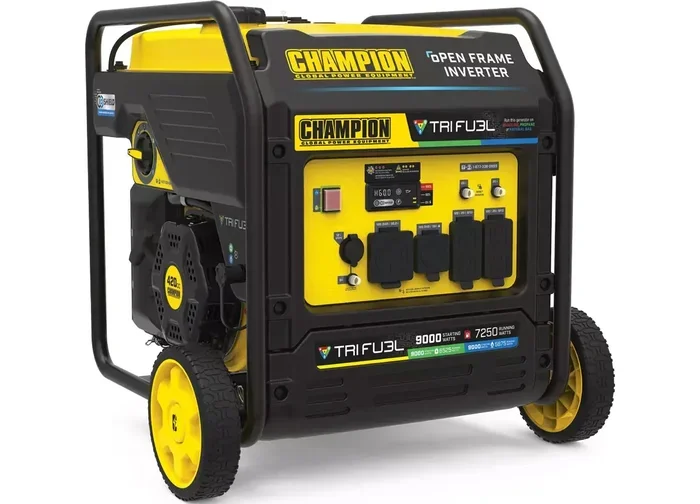
A tri fuel inverter generator gives you the freedom to run on gasoline, propane, or natural gas, making it one of the most versatile portable power solutions available. Whether you need backup power for your home, clean energy for camping, or reliable electricity for an RV trip, a tri fuel unit adapts to any situation. Our guide covers top models, key features, and expert tips to help you choose the right machine for your budget and needs.
A tri fuel inverter generator is a game-changer for anyone who needs reliable portable power. Unlike standard generators that run on just one fuel type, these machines give you three options: gasoline, propane, and natural gas. That kind of flexibility is incredibly valuable whether you are preparing for emergencies, heading out camping, or powering tools at a remote job site.
In this guide, we break down everything you need to know about tri fuel inverter generators. We will look at how they work, why they matter, and which models stand out in today’s crowded market. By the end, you will feel confident picking the right unit for your specific situation.
Key Takeaways
- Fuel Flexibility: Tri fuel inverter generators let you switch between gasoline, propane, and natural gas depending on availability and cost.
- Clean Power Output: Inverter technology delivers stable, low-harmonic distortion power safe for sensitive electronics like laptops and phones.
- Portability Meets Power: Modern tri fuel units are surprisingly lightweight and compact while still delivering impressive wattage.
- Cost Savings: Propane and natural gas often cost less than gasoline and have longer shelf lives, saving you money over time.
- Noise Reduction: Most tri fuel inverter generators run significantly quieter than traditional conventional generators.
- Parallel Capability: Many models allow you to link two units for doubled power output when you need it most.
- Emergency Preparedness: Having three fuel options means you are never left in the dark during a power outage or disaster.
📑 Table of Contents
- What Is a Tri Fuel Inverter Generator?
- Top Benefits of a Tri Fuel Inverter Generator
- How to Choose the Right Tri Fuel Inverter Generator
- Common Mistakes to Avoid When Buying a Tri Fuel Generator
- Expert Tips for Getting the Most Out of Your Tri Fuel Generator
- How Tri Fuel Generators Compare to Other Generator Types
- Who Should Buy a Tri Fuel Inverter Generator?
- Final Thoughts
What Is a Tri Fuel Inverter Generator?
A tri fuel inverter generator combines two key technologies. First, the inverter part means the generator produces clean, stable electricity. Second, the tri fuel part means it can run on three different fuel sources. This combination gives you the best of both worlds: clean power and fuel flexibility.
How Inverter Technology Works
Traditional generators produce raw AC power that can be rough on sensitive electronics. An inverter generator, on the other hand, converts AC power to DC and then back to clean AC power. This process reduces harmonic distortion and delivers a smooth, steady electrical current. Your laptops, smartphones, and TVs stay safe when connected to an inverter generator.
The result is what experts call clean power output with very low total harmonic distortion (THD). Most quality inverter generators keep THD under 3%, which is safe for virtually all electronic devices. This is a huge advantage over conventional generators that often exceed 20% THD.
Why Three Fuels? The Power of Fuel Versatility
The real standout feature of a tri fuel inverter generator is the ability to use three different fuels. Here is a quick look at each:
- Gasoline: The most widely available fuel. Great for quick starts and high power output. However, gasoline has a shorter shelf life and tends to be pricier.
- Propane: Clean burning and stores indefinitely. Propane is often cheaper than gasoline and produces fewer emissions. It is also widely available at gas stations and hardware stores.
- Natural Gas: The most affordable option in many areas. Natural gas connects directly to your home’s gas line, giving you an endless fuel supply during emergencies. It burns very cleanly and produces minimal odor.
Having all three options means you are never stuck without power. If gasoline is scarce, you can switch to propane. If you are at home during an outage, you can plug into your natural gas line. That kind of fuel versatility is what makes tri fuel generators so appealing.
Top Benefits of a Tri Fuel Inverter Generator
There are many reasons to consider a tri fuel inverter generator over a conventional or single-fuel model. Let us walk through the biggest advantages.
Fuel Efficiency and Cost Savings
One of the best things about a portable power generator with tri fuel capability is the potential for cost savings. Propane and natural gas generally cost less per gallon equivalent than gasoline. Over time, these savings add up, especially if you use your generator frequently.
Here is a quick comparison of average fuel costs:
| Fuel Type | Avg. Cost per Gallon | Shelf Life | Burn Cleanliness |
|---|---|---|---|
| Gasoline | $3.00 – $4.00 | 3-6 months | Moderate |
| Propane | $2.00 – $3.00 | Indefinite | High |
| Natural Gas | $1.50 – $2.50 | Unlimited (line) | Very High |
As you can see, switching to propane or natural gas can significantly reduce your fuel costs. And because propane and natural gas do not degrade over time, you can store them long-term without worrying about stale fuel.
Clean Power for Sensitive Electronics
If you have ever tried running a laptop or TV on a conventional generator, you know the frustration of flickering screens and weird noises. A tri fuel inverter generator solves this problem completely. The inverter technology produces power that is just as clean as what comes from your wall outlet.
This makes tri fuel generators ideal for:
- Camping and outdoor recreation
- RV living and travel
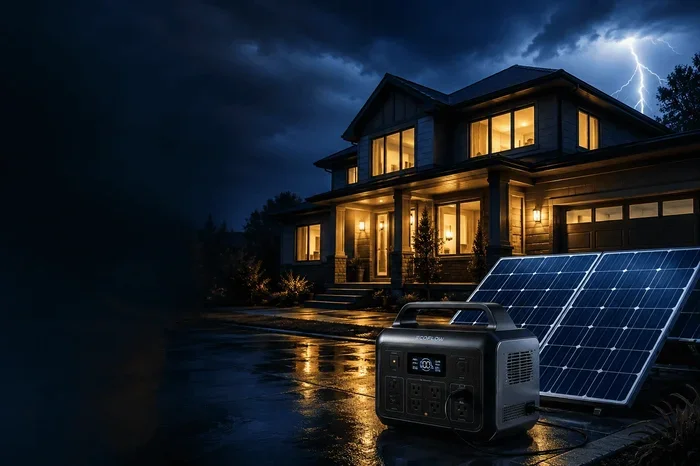
- Home backup during power outages
- Construction sites with sensitive tools
- Tailgating and outdoor events
Quiet Operation
Nobody wants a generator that sounds like a jet engine. One of the biggest complaints about traditional generators is noise. Tri fuel inverter generators are designed to run much quieter, often between 50 and 65 decibels. That is about as loud as a normal conversation. Some models even come with eco-mode, which automatically adjusts the engine speed to reduce noise and save fuel when full power is not needed.
Portability and Ease of Use
Despite packing a lot of power, modern tri fuel inverter generators are surprisingly portable. Most models weigh between 50 and 90 pounds and come with folding handles and wheels. You can easily move them from your garage to your backyard or take them on a camping trip without needing a second person.
How to Choose the Right Tri Fuel Inverter Generator
Not all tri fuel generators are created equal. Choosing the right one depends on several factors. Here is what you should consider before making a purchase.
Determine Your Power Needs
The first step is figuring out how much power you actually need. Think about what devices and appliances you want to run simultaneously. Add up their wattage to get your total power requirement.
Here are some common wattage needs:
- Basic camping setup: 1,000 – 2,000 watts (phones, lights, small fan)
- RV living: 2,000 – 3,500 watts (AC unit, fridge, microwave)
- Home backup essentials: 3,500 – 5,000 watts (fridge, lights, furnace blower)
- Job site power: 5,000 – 7,500 watts (tools, compressors, lights)
Always choose a generator that can handle at least 20% more wattage than you think you need. This gives you room to spare and prevents the generator from overloading.
Consider Run Time
Run time tells you how long the generator can operate on a single tank of fuel at a given load. For emergency backup, you want at least 8 to 12 hours of run time at 25-50% load. For recreational use, 6-8 hours is usually sufficient.
Some higher-end models offer extended run times of 15-20 hours on a single tank of propane. This is especially useful during prolonged power outages when you cannot refuel frequently.
Look for Parallel Capability
If you ever need more power, look for a model with parallel capability. This feature lets you connect two identical generators using a parallel cable. The combined wattage effectively doubles your power output. This is a great option if you occasionally need more juice but do not want to buy a much larger single unit.
Check the Starting and Running Wattage
Every generator lists two wattage numbers: starting wattage and running wattage. Starting wattage is the burst of power needed to kick-start motor-driven appliances like refrigerators and air conditioners. Running wattage is the continuous power the generator can sustain.
Make sure the starting wattage exceeds the highest surge demand of any appliance you plan to run. Otherwise, the generator will shut down or fail to start the appliance.
Portability Features
Look for features that make the generator easy to move and store:
- Fold-down handles and wheels
- Compact footprint for small storage spaces
- Built-in fuel gauge
- USB charging ports for direct device charging
- Remote start capability
Common Mistakes to Avoid When Buying a Tri Fuel Generator
Even experienced buyers sometimes make poor decisions when shopping for a tri fuel inverter generator. Here are the most common mistakes to watch out for.
Ignoring Fuel Conversion Kits
Some generators claim to be tri fuel but require a separate conversion kit for propane and natural gas. These kits can be expensive and complicated to install. Always check whether the tri fuel capability comes standard or requires an additional purchase. The best models include everything you need right out of the box.
Overlooking Maintenance Requirements
Every generator needs regular maintenance to perform well. Oil changes, air filter cleaning, and spark plug replacement are all part of keeping your machine running smoothly. Some models make this easier than others with tool-less access panels and clear maintenance schedules. Do not skip this step, or you risk poor performance and a shortened lifespan.
Buying Based on Price Alone
The cheapest tri fuel generator is not always the best value. A lower price often means lower build quality, shorter run times, and less reliable performance. Instead of focusing only on price, look at the overall value, including fuel efficiency, warranty, and customer reviews.
Underestimating Noise Levels
Even inverter generators produce some noise. If you plan to use your generator in a campground or residential area, check the decibel rating carefully. A unit rated at 60 dB or lower is generally considered quiet enough for most recreational and residential uses.
Expert Tips for Getting the Most Out of Your Tri Fuel Generator
Want to get the best performance and longest life from your tri fuel inverter generator? Follow these expert tips:
- Use fuel stabilizer if you store gasoline for more than 30 days. This prevents the fuel from going bad and clogging your carburetor.
- Run the generator under load regularly. Even if you do not need power, start it up once a month and let it run for 15-20 minutes. This keeps the engine in good condition.
- Store propane tanks upright and in a well-ventilated area. Never store them indoors or near heat sources.
- Keep the generator dry. Use a generator cover or store it in a dry shed. Moisture can damage electrical components and create safety hazards.
- Perform regular oil changes according to the manufacturer’s schedule. Clean oil keeps the engine running smoothly and extends its life significantly.
For more detailed guidance on testing and maintaining your generator, check out our generator testing guide, which covers essential maintenance steps and performance checks for all generator types.
How Tri Fuel Generators Compare to Other Generator Types
Still not sure if a tri fuel inverter generator is right for you? Here is how it compares to other popular options.
Tri Fuel vs. Dual Fuel Generators
A dual fuel generator runs on gasoline and propane only. It lacks the natural gas option, which means you are limited during extended emergencies. A tri fuel generator gives you that extra flexibility with natural gas, making it the superior choice for home backup and long-term use.
Tri Fuel vs. Conventional Generators
Conventional generators are simpler and often cheaper upfront. However, they produce dirty power, run louder, and are less fuel efficient. If you need clean power for electronics or want the quietest possible operation, a tri fuel inverter generator is the clear winner.
Tri Fuel vs. Solar Generators
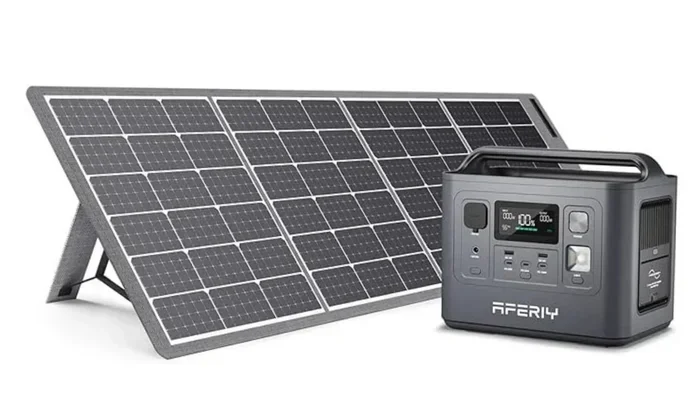
Solar generators are eco-friendly and silent, but they depend on sunlight and have limited power output. A tri fuel inverter generator works day or night, rain or shine, and can deliver much higher wattage. For reliable backup power, a tri fuel unit is the more practical choice.
For more information on fuel consumption and efficiency, see our article on how much natural gas does a generator use, which provides detailed breakdowns of fuel costs across different generator types.
Who Should Buy a Tri Fuel Inverter Generator?
A tri fuel inverter generator is a smart investment for a wide range of people and situations:
- Homeowners who want reliable backup power during outages
- RV owners who need quiet, clean power on the road
- Campers and outdoor enthusiasts who want flexible fuel options
- Contractors and tradespeople who work at remote job sites
- Prepares and survivalists who value fuel versatility for long-term emergencies
- Festival and event organizers who need portable power in various locations
If any of these situations sound familiar, a tri fuel inverter generator is worth serious consideration. The upfront cost may be higher than a single-fuel model, but the versatility and long-term savings make it well worth the investment.
For help determining the right size generator for your home or business, read our guide on how big of a backup generator do I need. It walks you through sizing calculations and helps you avoid buying a unit that is too small or unnecessarily large.
When you are ready to explore available options, you can also browse our electrical generator category for a broader selection of generator types and brands.
Final Thoughts
A tri fuel inverter generator is one of the most versatile and practical power solutions you can own. The ability to run on gasoline, propane, or natural gas gives you unmatched flexibility and peace of mind. Whether you are preparing for the next storm, planning a camping trip, or powering your RV, a quality tri fuel generator delivers clean, reliable electricity wherever you need it.
Take the time to assess your power needs, compare models, and read real user reviews before making your final decision. The right tri fuel inverter generator will serve you well for years to come, keeping your lights on and your devices charged no matter what comes your way.
Frequently Asked Questions
What is a tri fuel inverter generator?
A tri fuel inverter generator is a portable power unit that can run on three different fuel types: gasoline, propane, and natural gas. It uses inverter technology to produce clean, stable electricity that is safe for sensitive electronics like laptops, phones, and TVs.
Are tri fuel generators worth the extra cost?
Yes, for most users they are worth it. The fuel versatility saves you money over time, and having three fuel options means you are never without power during an emergency. The quiet operation and clean power output are additional benefits that justify the higher upfront price.
Can I use a tri fuel generator for my RV?
Absolutely. Tri fuel inverter generators are popular among RV owners because they provide clean power for air conditioners, refrigerators, and electronics. The quiet operation is also a major plus for campground stays where noise rules are strictly enforced.
How long does a tri fuel inverter generator last?
With proper maintenance, a quality tri fuel inverter generator can last 10 to 15 years or more. Regular oil changes, air filter cleaning, and proper fuel storage all contribute to a longer lifespan. Following the manufacturer’s maintenance schedule is the single best thing you can do to extend your generator’s life.
What is the difference between starting wattage and running wattage?
Starting wattage is the short burst of power needed to start motor-driven appliances like refrigerators and air conditioners. Running wattage is the continuous power the generator can sustain over time. Always make sure your generator’s starting wattage exceeds the highest surge demand of any appliance you plan to run.
Can I connect two tri fuel generators together?
Many models support parallel capability, which lets you link two identical generators with a parallel cable. This doubles your available wattage and is perfect for times when you need extra power without buying a much larger single unit. Check your specific model’s manual to confirm compatibility.