Water Turbine Generator Everything You Need to Know
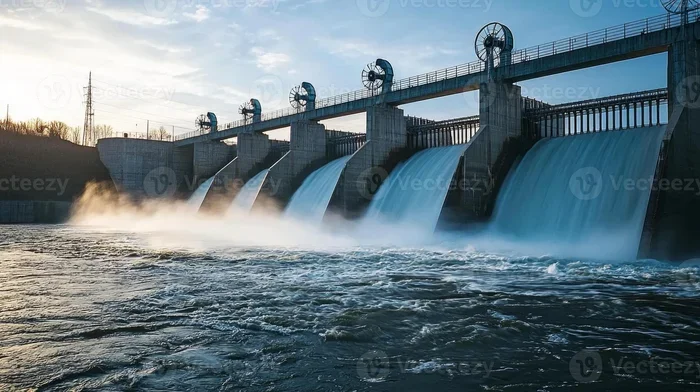
A water turbine generator converts the energy of moving water into electricity. It is a clean, renewable power source that has been used for centuries. Whether you want to power a remote cabin or support a large-scale grid, a water turbine generator can meet your needs. This guide covers how they work, the different types, benefits, and how to pick the right one.
A water turbine generator is one of the most reliable and eco-friendly ways to produce electricity. If you have access to a stream, river, or even a strong water flow on your property, this technology can turn that natural resource into usable power. People have been using water to do work for thousands of years. From ancient grain mills to modern power plants, water has always been a powerful force. Today, we can capture that force and turn it into electricity for our homes, businesses, and communities.
This guide will walk you through everything you need to know. We will cover how water turbine generators work, the different types available, their benefits, and how to choose the right one. Whether you are a homeowner looking to go off-grid or a business owner exploring renewable options, this article has you covered. Let us dive in.
Key Takeaways
- Water turbine generators harness kinetic energy from flowing water to produce clean electricity.
- There are four main types: impulse, reaction, kinetic, and micro hydro turbines.
- Choosing the right size depends on water flow rate, head height, and your energy needs.
- Regular maintenance keeps your system running efficiently for 25+ years.
- Water turbine generators offer a sustainable alternative to fossil fuel-based electrical generator systems.
- Small-scale systems can power homes, while large ones support entire communities.
📑 Table of Contents
- What Is a Water Turbine Generator?
- How Does a Water Turbine Generator Work?
- Types of Water Turbine Generators
- Benefits of Using a Water Turbine Generator
- How to Choose the Right Water Turbine Generator
- Water Turbine Generator vs Other Power Sources
- Maintenance Tips for Your Water Turbine Generator
- Common Mistakes People Make with Water Turbine Generators
- Final Thoughts on Water Turbine Generators
What Is a Water Turbine Generator?
A water turbine generator is a device that uses the energy of moving water to spin a turbine. That spinning motion drives an alternator, which produces electricity. Think of it like a wind turbine, but instead of wind, it uses water. The faster the water moves, and the more of it there is, the more electricity the system can generate.
These systems come in all shapes and sizes. Some are small enough to power a single cabin. Others are massive installations that feed electricity into city-wide grids. The basic principle stays the same: water flows, the turbine spins, and electricity is born. It is a beautifully simple process that has powered human civilization for a very long time.
How Water Turbine Generators Differ from Other Generators
Unlike a gas-powered electrical generator, a water turbine does not burn fuel. It relies entirely on the natural movement of water. This makes it a form of renewable energy. It also means lower operating costs and zero emissions during operation. While a traditional electrical generator needs constant fuel supply and maintenance, a water turbine runs as long as there is water flow.
How Does a Water Turbine Generator Work?
The process is simpler than most people think. Water flows through a channel or pipe. It hits the blades of a turbine. The force of the water causes the turbine to spin. That spinning shaft connects to a generator. The generator converts the mechanical energy into electrical energy. That electricity then flows into your home, battery bank, or the grid.
Two key factors determine how much power you get. The first is water head, which is the height the water drops from. The greater the height, the more pressure and energy the water carries. The second is flow rate, which is how much water moves through the system per second. More water means more force on the turbine blades. Together, head and flow rate define your system’s total energy output.
The Role of Turbine Blades
The turbine blades are the heart of the system. They are designed to capture as much energy as possible from the water. Different blade shapes work better for different water conditions. Some blades are curved to catch fast-moving water. Others are flat and wide for slower, steadier flows. The material matters too. Modern turbine blades are often made from stainless steel or reinforced composites. These materials resist corrosion and last for decades with proper generator maintenance.
From Kinetic Energy to Electricity
Here is the step-by-step breakdown of how kinetic energy becomes electricity:
- Water flows from a higher point to a lower point, gaining speed and pressure.
- The moving water hits the turbine blades, causing them to spin.
- The spinning turbine turns a shaft connected to an alternator or generator.
- The alternator converts the rotational energy into alternating current (AC) electricity.
- The electricity is then regulated, stored in batteries, or sent to your electrical panel.
Each step is important. If one part is not working right, your power generation drops. This is why choosing quality components and doing regular generator testing is so important.
Types of Water Turbine Generators
Not all water turbine generators are the same. Different designs work best for different water conditions. Let us look at the main types so you can understand which one fits your situation.
Impulse Turbines
Impulse turbines work best when you have high head and low flow. These turbines use the pressure of falling water to spin the blades. The water hits the buckets on the turbine wheel at high speed. A classic example is the Pelton wheel. It looks like a circle with cups around the edge. When water jets hit those cups, the wheel spins fast. Impulse turbines are simple, durable, and very efficient in the right conditions.
Reaction Turbines
Reaction turbines work best when you have low head and high flow. These turbines operate fully submerged in water. The pressure of the water pushes against the blades, causing them to turn. The Francis turbine is one of the most popular reaction turbine designs. It works well for medium head and medium flow conditions. Kaplan turbines are another type that excels in low-head, high-flow situations. They have adjustable blades that can change shape to capture more energy.
Kinetic Turbines
Kinetic turbines are different from the other two types. They do not rely on water falling from a height. Instead, they capture the natural flow of a river or stream. Think of them like underwater wind turbines. The moving water spins the blades directly. These systems are great for rivers with consistent flow but no significant drop in elevation. They are also less invasive to the environment because they do not require damming or redirecting water.
Micro Hydro Turbines
If you are a homeowner with a small stream on your property, a micro hydro turbine might be perfect. These small water turbine generators produce between 1 and 100 kilowatts of power. They are ideal for remote cabins, farms, or small businesses. Micro hydro systems are affordable, easy to install, and require very little maintenance. They can run 24 hours a day as long as water flows. This makes them one of the most reliable renewable energy options available.
Benefits of Using a Water Turbine Generator
There are many reasons to consider a water turbine generator for your energy needs. Let us look at the biggest advantages.
Renewable and Sustainable
Water is a natural resource that replenishes itself through the water cycle. As long as it rains and rivers flow, you have fuel. Unlike solar panels that need sunlight or wind turbines that need wind, water flow is often consistent year-round. This makes hydropower one of the most reliable forms of sustainable energy.
Low Operating Costs
Once installed, a water turbine generator has very low ongoing costs. There is no fuel to buy. Maintenance is minimal compared to a gas-powered electrical generator. Many systems last 25 to 50 years with basic care. Over time, the savings on electricity bills can be substantial.
Environmentally Friendly
Water turbines produce no direct emissions. They do not burn fossil fuels. They do not create noise pollution like a conventional electrical generator. Small-scale systems have minimal impact on the local ecosystem. Fish and wildlife can often coexist with well-designed installations. This makes hydropower one of the cleanest energy sources available.
Energy Independence
If you live in a remote area, a water turbine generator gives you energy independence. You are not tied to the grid. You do not rely on fuel deliveries. As long as your water source flows, you have power. This is a huge advantage for off-grid living, rural properties, and emergency backup situations.
Consistent Power Output
Unlike solar panels that stop working at night or on cloudy days, water turbines can run around the clock. Flowing water does not depend on the weather in the same way. A well-designed system provides steady, reliable power generation 24 hours a day, 365 days a year.
How to Choose the Right Water Turbine Generator
Choosing the right system is critical. A poorly sized turbine will either underperform or waste resources. Here is what you need to consider.
Assess Your Water Source
Start by evaluating your water source. How much water flows through it? What is the elevation drop? These two factors determine how much power you can realistically generate. You can measure flow rate with a simple bucket test or hire a professional. Measuring head height requires knowing the vertical distance the water drops. Even a small stream with good head can produce meaningful electricity.
Match the Turbine Type to Your Conditions
High head and low flow? Go with an impulse turbine. Low head and high flow? A reaction turbine is your best bet. Consistent river flow with no drop? A kinetic turbine will work. Getting the right match ensures maximum efficiency and energy output.
Consider Your Power Needs
Think about what you want to power. A single home might need 5 to 10 kilowatts. A small farm could need 20 to 50 kilowatts. A large operation might require 100 kilowatts or more. Calculate your daily energy use in kilowatt-hours. Then size your system to meet or exceed that demand. If you are unsure, consult with a water turbine specialist. They can help you design a system that fits your needs perfectly.
Budget and Installation
Costs vary widely. A small micro hydro system might cost a few thousand dollars. Larger installations can run tens of thousands. Factor in the cost of the turbine, alternator, piping, wiring, and installation labor. Also consider permits and environmental regulations. In some areas, you may need approval before installing a hydropower system on your property.
Quick Tips for Choosing Your System
- Always measure your water source before buying. Do not guess.
- Choose a turbine rated for your specific head and flow conditions.
- Add a battery bank if you want to store excess energy.
- Consider future needs. It is better to slightly oversize than to outgrow your system.
- Check local regulations before investing in a water turbine generator.
Common Mistakes to Avoid
One of the biggest mistakes is buying a turbine without measuring your water source first. Another is ignoring maintenance. Even the best water turbine generator will lose efficiency if you skip regular checkups. Some people also underestimate the importance of proper wiring and electrical connections. A poor installation can waste the energy your system produces. Finally, do not ignore environmental factors like debris in the water, seasonal flow changes, or freezing temperatures. All of these can affect performance.
Before you invest, do your research. Read up on generator testing methods. Understand how your system will perform in different seasons. And if you are unsure, get professional advice. A little planning goes a long way.
Water Turbine Generator vs Other Power Sources
How does a water turbine generator stack up against other power options? Let us compare.
| Feature | Water Turbine Generator | Solar Panel | Wind Turbine | Gas Generator |
|---|---|---|---|---|
| Fuel Source | Flowing water | Sunlight | Wind | Gasoline or diesel |
| Operating Cost | Very low | Very low | Low | High (fuel costs) |
| Emissions | None | None | None | High |
| Consistency | High | Daytime only | Variable | High (with fuel) |
| Lifespan | 25-50 years | 20-30 years | 20-25 years | 10-20 years |
| Upfront Cost | Medium to High | Low to Medium | Medium | Low |
| Maintenance | Low | Low | Medium | High |
As you can see, a water turbine generator offers a great balance of reliability, low cost, and environmental friendliness. It may not be the best choice for everyone, but for those with access to flowing water, it is hard to beat. Unlike a gas-powered backup backup generator, it requires no fuel and produces no emissions. It runs quietly and lasts for decades.
Maintenance Tips for Your Water Turbine Generator
Keeping your system in top shape is not hard. A little effort goes a long way. Here are some practical maintenance tips.
- Inspect the turbine blades regularly. Look for wear, corrosion, or debris buildup.
- Clean the intake screen to prevent leaves, rocks, and sediment from entering the system.
- Check the alternator and wiring for loose connections or corrosion.
- Monitor your energy output monthly. A drop in output often signals a problem.
- Lubricate moving parts as recommended by the manufacturer.
- Schedule professional generator testing at least once a year.
Regular maintenance keeps your water turbine generator running at peak efficiency. It also extends the lifespan of the system. A well-maintained turbine can produce clean electricity for 30 years or more.
Expert Insight: Why Maintenance Matters
Many people assume that once a water turbine generator is installed, it just works forever. That is not true. Debris in the water can damage blades over time. Mineral buildup can reduce efficiency. Electrical connections can corrode. Simple routine checks catch these issues early. Think of it like maintaining a car. A little care prevents big problems later.
Common Mistakes People Make with Water Turbine Generators
Even with the best intentions, some common mistakes can hurt your system’s performance. Here are a few to watch out for.
- Underestimating seasonal changes. Water flow can vary dramatically between seasons. Design your system for the lowest flow period.
- Skipping the intake filter. Debris can damage turbine blades quickly. A simple screen saves a lot of trouble.
- Ignoring electrical safety. Water and electricity are a dangerous combination. Always hire a licensed electrician for wiring.
- Overlooking permits. Many areas require permits for hydropower installations. Check with your local authorities first.
- Choosing the wrong turbine type. Not every turbine works in every condition. Match the design to your water source.
Avoiding these mistakes saves time, money, and frustration. A little upfront planning makes all the difference.
Final Thoughts on Water Turbine Generators
A water turbine generator is a smart investment for anyone with access to flowing water. It provides clean, reliable, and affordable electricity for decades. Whether you want to power a remote cabin, reduce your energy bills, or support a larger grid, this technology delivers. The key is choosing the right type, sizing it correctly, and maintaining it well.
Renewable energy is the future. And hydropower is one of the most proven and dependable forms of that future. A water turbine generator gives you energy independence, lower costs, and a smaller carbon footprint. It is a win-win for you and the planet.
Take the time to evaluate your water source. Research your options. And when you are ready, invest in a quality system. Your future self will thank you for the clean, reliable power it provides.
Frequently Asked Questions
What is a water turbine generator used for?
A water turbine generator converts the energy of flowing water into electricity. It is used to power homes, farms, businesses, and even entire communities. Small micro hydro systems work great for remote cabins, while larger installations can feed power into the electrical grid.
How much electricity can a water turbine generator produce?
The output depends on water head, flow rate, and turbine size. A small micro hydro system might produce 1 to 10 kilowatts. Larger systems can generate 100 kilowatts or more. A well-designed system can provide consistent power generation 24 hours a day.
Is a water turbine generator better than a solar panel?
It depends on your situation. Water turbines produce power day and night, regardless of weather. Solar panels only work during daylight hours. If you have a reliable water source, a water turbine generator can be more consistent than solar panels. Many people use both together for the best results.
How long does a water turbine generator last?
A well-maintained water turbine generator can last 25 to 50 years. The turbine blades and alternator are the main components that need occasional replacement. Regular generator maintenance and generator testing help maximize the system’s lifespan.
Do I need a permit to install a water turbine generator?
In many areas, yes. Regulations vary by location. Some jurisdictions require permits for any hydropower installation. Others have specific rules about water diversion or environmental impact. Always check with your local authorities before starting an installation.
Can a water turbine generator work in winter?
Yes, but freezing temperatures can cause problems. Ice can block water flow and damage turbine components. Proper winterization, such as insulated piping and a bypass system, helps keep your water turbine generator running safely in cold weather.