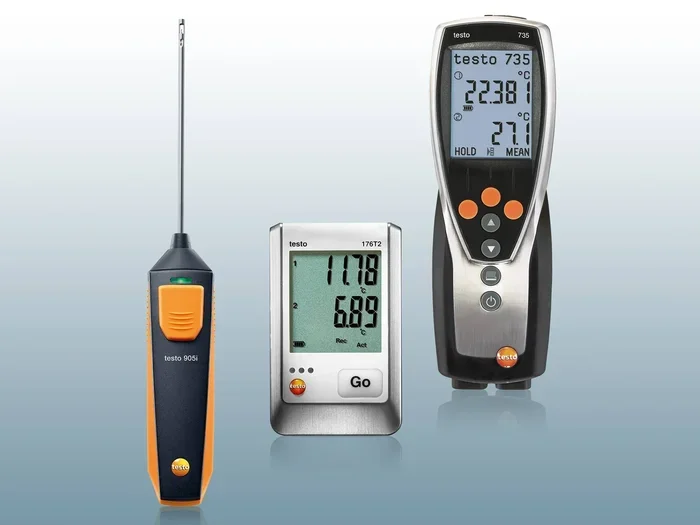
Tools Used to Measure Temperature and How They Work
Knowing the right tools used to measure temperature is essential for cooking, automotive work, HVAC repairs, and industrial operations. Whether you need a simple liquid-in-glass thermometer or a high-tech infrared thermometer, each tool serves a specific purpose. This guide covers how every temperature gauge works, what to look for when buying one, and how to keep your tools accurate for years.
Temperature measurement is everywhere. You check it when cooking dinner. You check it when your car engine runs hot. You check it when a doctor takes your child’s temperature. But have you ever stopped to think about the tools used to measure temperature? There are more types than most people realize, and each one works in a completely different way.
Whether you are a home cook, a mechanic, a lab technician, or just someone who is curious, understanding these temperature gauges helps you pick the right tool for the job. In this guide, we will walk through every major type of temperature measuring tool, explain how it works, and give you practical tips for choosing and maintaining them.
The world of heat measurement is fascinating. From simple glass tubes filled with colored liquid to advanced digital sensors that give readings in under a second, these tools shape our daily lives more than we notice. Let us dive in and explore them all.
Key Takeaways
- Liquid-in-glass thermometers are the oldest and most reliable type for basic temperature reading.
- Digital and probe thermometers offer fast, precise readings for kitchen and medical use.
- Infrared thermometers let you measure temperature without touching the surface.
- Bimetallic and thermocouple sensors are built for heavy-duty industrial and mechanical applications.
- Regular calibration keeps your temperature tools accurate and trustworthy.
- Choosing the right temperature range and sensor type matters more than brand name.
- Even who sells Craftsman tools carries reliable temperature measurement options for home users.
📑 Table of Contents
- What Are the Most Common Tools Used to Measure Temperature?
- How Do Temperature Measurement Tools Actually Work?
- Choosing the Right Tool for the Job
- Maintaining and Calibrating Your Temperature Tools
- Common Mistakes When Using Temperature Measurement Tools
- The Future of Temperature Measurement
- Conclusion
What Are the Most Common Tools Used to Measure Temperature?
Before we get into the details, let us look at the big picture. There are many temperature measurement tools on the market, but they all fall into a few main categories. Each category uses a different method to detect and display heat levels.
Liquid-in-Glass Thermometers
The classic thermometer you remember from school science class is a liquid-in-glass thermometer. It uses a thin glass tube filled with a liquid, usually mercury or colored alcohol. As the temperature rises, the liquid expands and moves up the tube. When it drops, the liquid contracts and moves down.
This is one of the oldest tools used to measure temperature, and it has been around for hundreds of years. Galileo Galilei invented an early version in the late 1500s. Today, these thermometers are still widely used in homes, schools, and laboratories.
The main advantage of a liquid-in-glass thermometer is its simplicity. There are no batteries, no digital parts, and nothing to break electronically. The downside is that they can be fragile, and the readings take a little time to stabilize.
Digital Thermometers
Digital thermometers have become the go-to choice for most households. They use electronic sensors to detect temperature and display the reading on a small screen. You will find them in kitchens, bathrooms, and first aid kits.
A digital thermometer gives you a reading in seconds, which is a huge advantage over older glass models. Most digital versions are battery-powered and easy to read. Some even beep when the reading is complete.
For kitchen use, a digital probe thermometer is especially handy. You insert the thin metal probe into food, and the display shows the internal temperature almost instantly. This is critical for food safety, especially when cooking meat.
Infrared Thermometers
An infrared thermometer is one of the most exciting tools used to measure temperature because it works without touching the object. It reads the infrared energy that every warm object emits and converts that into a temperature reading.
You point the thermometer at the surface, pull the trigger, and get an instant reading. This makes infrared thermometers perfect for checking radiator temperatures, electrical panels, or even the temperature of a car engine without waiting for it to cool down.
The main limitation is that infrared thermometers measure surface temperature only. They cannot tell you what the internal temperature of an object is. Also, shiny or reflective surfaces can give inaccurate readings unless you adjust the emissivity setting.
Bimetallic Thermometers
A bimetallic thermometer uses two different metals bonded together. When heat is applied, one metal expands more than the other, causing the strip to bend. This bending motion moves a needle across a dial, showing the temperature.
You will find bimetallic thermometers in many industrial settings. They are used in ovens, HVAC systems, and manufacturing equipment. Their durability makes them ideal for environments where glass thermometers would break too easily.
These gauges are also common in backyard weather stations and outdoor thermometers mounted on patios or sheds. They are tough, reliable, and do not need batteries.
Thermocouples and RTDs
For high-precision and extreme temperature applications, thermocouples and Resistance Temperature Detectors (RTDs) are the go-to temperature sensors. A thermocouple generates a small voltage when two different metals are joined and exposed to heat. This voltage is measured and converted into a temperature reading.
RTDs work differently. They measure the change in electrical resistance of a metal (usually platinum) as the temperature changes. RTDs are extremely accurate and stable, which makes them perfect for laboratory work and precise industrial processes.
Both thermocouples and RTDs are used in settings where accuracy matters most. You will find them in pharmaceutical manufacturing, aerospace engineering, and food processing plants.
How Do Temperature Measurement Tools Actually Work?
Understanding how these tools work helps you trust the readings they give. At the core of every temperature gauge is a sensor that responds to heat in a predictable way. Let us break down the science behind each type.
The Science of Heat and Expansion
Most basic thermometers rely on a simple principle: most materials expand when heated and contract when cooled. In a liquid-in-glass thermometer, the liquid inside the glass tube expands as it gets warmer. Since the tube is very narrow, even a small expansion pushes the liquid column up significantly.
This is why you see the red or silver line move so visibly when you hold the thermometer in your hand or place it in hot water. The scale on the outside of the glass translates the liquid level into a temperature number, usually in Celsius or Fahrenheit.
Electronic Sensors and Electrical Signals
Digital thermometers and RTDs use a different approach. They rely on the way electricity behaves in different materials at different temperatures. A thermistor, for example, is a type of resistor whose resistance changes with temperature. The device measures this change and calculates the temperature using a built-in microchip.
Thermocouples generate what is called the Seebeck effect. When two wires made of different metals are joined at one end and that end is heated, a tiny voltage is produced. The device measures this voltage and translates it into a temperature reading. This process happens almost instantly.
Infrared Radiation and Emissivity
Infrared thermometers work by detecting the thermal radiation that all objects emit. Everything warmer than absolute zero gives off infrared energy. The hotter an object is, the more infrared radiation it puts out.
The thermometer’s lens focuses this radiation onto a detector, which converts it into an electrical signal. The signal is then processed and displayed as a temperature. The concept of emissivity is important here. Different materials emit infrared energy at different rates, which is why some infrared thermometers let you adjust the emissivity setting for more accurate readings.
Choosing the Right Tool for the Job
Not every temperature measurement tool is right for every situation. Choosing the wrong one can lead to inaccurate readings or even safety risks. Here is how to pick the right tool based on what you need.
For Home and Kitchen Use
If you are cooking at home, a digital probe thermometer is your best friend. It gives you quick and accurate internal temperatures for meat, baked goods, and even candy making. A simple kitchen thermometer with a range of 0 to 220 degrees Fahrenheit covers most cooking needs.
For checking oven temperature or room temperature, a basic bimetallic dial thermometer works well. You can also keep an infrared thermometer in the kitchen for checking pan surfaces or grill temperatures without touching anything hot.
For Automotive and Mechanical Work
When working on vehicles or machinery, you need tools that can handle higher temperatures and harsh conditions. A bimetallic thermometer mounted on an engine block or radiator gives you a reliable temperature check. An infrared thermometer is excellent for checking exhaust pipe temperatures or electrical connections.
For air compressor work, temperature plays a big role in performance and oil behavior. Understanding what temperature your compressor runs at helps you know what oil does an air compressor take, since different oils are rated for different temperature ranges. Always check your compressor manual for guidance.
For Medical and Laboratory Use
Medical settings require the highest level of accuracy and hygiene. Digital thermometers with flexible probe tips are standard in clinics and hospitals. Forehead scanning infrared thermometers have become popular for quick, non-contact screening.
Laboratories use RTDs and precision thermocouples where even a fraction of a degree matters. These sensors are calibrated to strict standards and often come with certification documents.
Quick Tips for Choosing a Temperature Tool
- Check the temperature range before buying. Make sure it covers the temperatures you will encounter.
- Look for a fast response time if you need quick readings.
- Consider durability if the tool will be used in rough conditions.
- Choose a display that is easy to read, especially in low light.
- Check if calibration is included or if you need to calibrate it yourself.
- Read reviews from real users, especially for brands like Craftsman, which you can find at any store that who sells Craftsman tools carries them.
Maintaining and Calibrating Your Temperature Tools
A temperature tool is only as good as its accuracy. Over time, sensors can drift, and readings can become less reliable. Proper maintenance keeps your temperature gauges working correctly for years.
How to Calibrate a Thermometer
Calibration means checking your tool against a known reference. The most common method is the ice water test. Fill a glass with crushed ice and add just enough water to create a slushy mixture. This should read exactly 32 degrees Fahrenheit or 0 degrees Celsius.
Place your thermometer in the ice water and wait for the reading to stabilize. If it does not read 32°F, note the difference and adjust your tool if it has a calibration feature. For digital thermometers, many models let you offset the reading by the difference you observed.
Cleaning and Storage Tips
Keep your thermometers clean to ensure accurate readings. After each use, wipe the probe with a sanitizing solution or rubbing alcohol. For glass thermometers, handle with care and store them in a protective case.
Store all your temperature measurement tools in a cool, dry place. Extreme heat or cold can damage sensors and affect accuracy over time. If you notice rust forming on metal parts, it is important to how to remove rust from tools properly to prevent damage to the sensor or probe.
When to Replace Your Temperature Tool
No tool lasts forever. If your digital thermometer gives inconsistent readings, the battery might be low, or the sensor could be failing. If a glass thermometer shows a cracked tube, replace it immediately. For industrial tools, follow the manufacturer’s recommended replacement schedule for sensors and probes.
Common Mistakes When Using Temperature Measurement Tools
Even experienced users make mistakes that lead to inaccurate readings. Being aware of these pitfalls helps you get better results every time.
- Not waiting for the reading to stabilize. Rushing the measurement is the most common mistake. Give your probe or sensor time to adjust to the temperature.
- Measuring the wrong surface. With infrared thermometers, make sure you are targeting the right surface and not reflecting heat from a nearby object.
- Ignoring emissivity settings. Different materials emit heat differently. Failing to adjust emissivity on an infrared thermometer leads to wrong readings.
- Skipping calibration. Even the best temperature gauge drifts over time. Calibrate at least once a season for best results.
- Using the wrong tool for the temperature range. A kitchen thermometer is not designed to measure furnace temperatures. Always match the tool to the application.
- Ignoring battery health. Low batteries in digital thermometers cause slow responses and inaccurate readings. Replace batteries regularly.
The Future of Temperature Measurement
The world of temperature sensors is evolving fast. Smart thermometers now connect to your phone via Bluetooth, letting you monitor temperatures remotely. Some of these devices log data over time, creating temperature charts that help you track trends.
Wireless sensors are also becoming popular in agriculture, where farmers monitor soil and ambient temperature across large fields. In food safety, smart probes alert users when meat reaches a safe internal temperature, reducing the risk of foodborne illness.
As technology improves, these tools will become even more accurate, affordable, and accessible. But the basic principles remain the same. Whether it is a simple glass tube or a wireless smart sensor, every tool used to measure temperature is designed to answer one fundamental question: how hot or cold is it?
Understanding these tools gives you confidence in your measurements and helps you make better decisions, whether you are in the kitchen, the garage, or the lab. Keep your tools maintained, calibrate them regularly, and always choose the right temperature sensor for the task at hand.
Conclusion
The tools used to measure temperature are more varied and fascinating than most people realize. From the simple liquid-in-glass thermometer to advanced thermocouples and smart digital sensors, each tool has its place. The key is understanding how they work and choosing the right one for your specific needs.
Whether you are checking food temperatures in the kitchen, monitoring engine heat in your garage, or running precision measurements in a lab, there is a temperature gauge built for the job. Keep your tools calibrated, store them properly, and replace them when they show signs of wear. With the right knowledge and the right tool, you will always have accurate and reliable temperature readings at your fingertips.
Start by picking one or two quality tools that match your most common needs. Once you experience the difference a good digital thermometer or infrared thermometer makes, you will wonder how you ever managed without one.
Frequently Asked Questions
What is the most accurate tool used to measure temperature?
RTDs (Resistance Temperature Detectors) are generally the most accurate temperature measurement tools available. They offer excellent precision and stability, which makes them ideal for laboratory and industrial applications. However, for everyday use, a quality digital probe thermometer provides more than enough accuracy for cooking and home tasks.
How often should I calibrate my temperature measuring tools?
You should calibrate your thermometers at least once every season or before any important measurement task. For professional and industrial use, monthly calibration is recommended. The ice water test is the simplest and most reliable way to check if your tool is reading correctly.
Can an infrared thermometer measure internal temperature?
No, an infrared thermometer only measures surface temperature. It reads the infrared radiation emitted by the surface of an object. If you need to know the internal temperature of food, a liquid, or a mechanical component, you will need a probe thermometer or immersion sensor instead.
What is the difference between Celsius and Fahrenheit on temperature tools?
Celsius and Fahrenheit are two different temperature scales. Celsius is used in most countries worldwide and sets water’s freezing point at 0 and boiling point at 100. Fahrenheit is primarily used in the United States and sets water’s freezing point at 32 and boiling point at 212. Most digital thermometers allow you to switch between both scales.
Do temperature tools need batteries?
Liquid-in-glass and bimetallic thermometers do not need batteries since they work through physical expansion and contraction. Digital thermometers, infrared thermometers, and electronic sensors all require batteries to power their circuits and displays. Always keep spare batteries on hand for your digital tools.
Are expensive temperature tools worth the investment?
For professional or industrial use, yes. High-quality thermocouples, RTDs, and industrial infrared thermometers offer better accuracy, durability, and faster response times. For home use, a mid-range digital probe thermometer and an infrared thermometer cover most needs without breaking the bank. Focus on features and accuracy rather than price alone.