Whole Home Backup Generator Guide for Every Homeowner
A whole home backup generator keeps your house running during power outages. This guide covers everything from choosing the right size to installation and maintenance. You will learn how standby generators work, what they cost, and why every homeowner should consider one.
Power outages happen more often than you might think. Storms, equipment failures, and grid overloads can leave your home in the dark for hours or even days. A whole home backup generator solves this problem by keeping your lights on, your fridge running, and your family comfortable no matter what.
If you have ever sat in a dark house during a blackout, you know how stressful it can be. Food spoils, pipes freeze, and devices lose charge. A backup power system changes all of that. In this guide, we will walk you through everything you need to know about whole house generator options, from sizing and fuel types to costs and maintenance.
Whether you live in a hurricane zone, a rural area with frequent grid issues, or simply want to protect your home, this guide has you covered. Let us dive in.
Key Takeaways
- Whole home backup generators provide uninterrupted power during outages, keeping essential systems like HVAC, refrigeration, and lights running smoothly.
- Choosing the right size depends on your home’s energy needs, and understanding wattage requirements is the first step toward making the best decision.
- Natural gas and propane are the most popular fuel types, each offering distinct advantages in cost, availability, and runtime.
- Professional installation is strongly recommended to ensure safety, compliance with local codes, and optimal performance.
- Regular maintenance extends generator lifespan and prevents unexpected failures when you need it most.
- The upfront cost is significant, but the long-term value and peace of mind make it a smart investment for many households.
📑 Table of Contents
What Is a Whole Home Backup Generator?
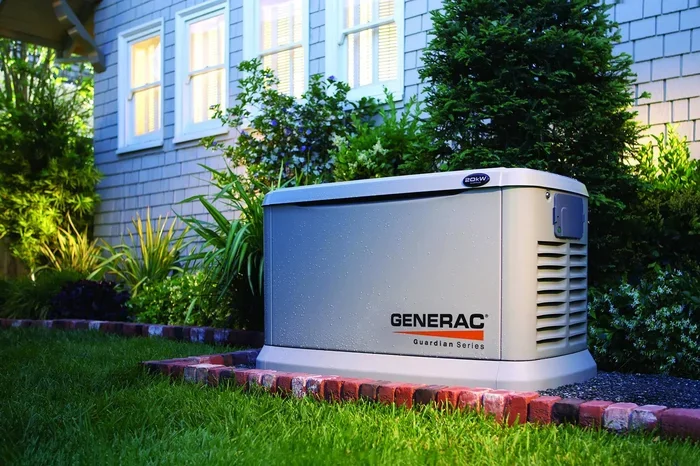
A whole home backup generator is a permanent power system installed outside your house. It automatically detects a power loss and turns on within seconds. Unlike a portable generator, a standby unit is hardwired into your home’s electrical panel and can power everything from your air conditioner to your washing machine.
Most standby generators run on natural gas or propane. Some models can switch between both fuels. The unit sits on a concrete pad outside your home and connects directly to your fuel supply. This means you do not need to refuel it manually during an outage.
How Does It Work?
When the grid goes down, a sensor in the generator detects the loss of power. The automatic transfer switch disconnects your home from the grid and connects it to the generator. This entire process takes about 10 to 30 seconds. Once grid power returns, the switch shifts back automatically and the generator shuts down and enters standby mode.
The process is seamless. You do not need to flip any switches or drag a generator out of your garage. It all happens on its own, which is one of the biggest advantages of a standby generator over a portable one.
Why Every Homeowner Should Consider One
A whole home backup generator is not just a luxury. It is a practical investment that protects your home, your family, and your wallet. Here are the top reasons to consider one.
Protect Your Home and Appliances
Power surges that happen when electricity returns after an outage can damage sensitive electronics and appliances. A backup generator keeps your home powered continuously, which reduces the risk of surge damage. Your refrigerator, HVAC system, sump pump, and security system all stay online.
Maintain Comfort During Outages
In summer, a power outage can make your home dangerously hot. In winter, frozen pipes can burst and cause thousands of dollars in water damage. A backup power system keeps your heating and cooling running so your home stays safe and comfortable year round.
Increase Property Value
Homes with installed standby generators sell faster and often at higher prices. Buyers love the idea of a turnkey emergency power supply already in place. It signals that the home is well-maintained and ready for any situation.
Peace of Mind
Knowing that your family will stay safe and comfortable during a blackout is priceless. You do not have to worry about food spoilage, frozen pipes, or losing internet and phone service. A whole house generator gives you that peace of mind every single day.
How to Choose the Right Size
Sizing is one of the most important decisions you will make. Too small and the generator will not handle your needs. Too big and you waste money. The right size depends on what you want to power during an outage.
Understand Your Wattage Needs
Every appliance and system in your home uses a certain number of watts. To size your generator correctly, add up the wattage of everything you want to keep running. Essentials like lights, the refrigerator, and the furnace might need 5,000 to 7,500 watts. Adding central air conditioning, the water heater, and laundry can push that number to 15,000 watts or more.
If you are unsure about your energy needs, check out our guide on how big of a backup generator do I need. It walks you through the calculation step by step.
Essential vs. Full Home Power
Many homeowners choose to power only essential circuits. This approach uses a smaller, more affordable generator. A licensed electrician can install a subpanel that connects only the most important loads to the generator. Full home power, on the other hand, keeps everything running, including non-essential items like the garage door opener and entertainment systems.
Here is a quick comparison to help you decide:
- Essential Power (7,000 to 12,000 watts): Covers fridge, lights, furnace, a few outlets, and basic electronics.
- Partial Home (12,000 to 18,000 watts): Adds the water heater, window AC units, and kitchen appliances.
- Full Home (20,000 to 30,000+ watts): Powers everything in the home, including central AC, electric range, and multiple electronics.
Consider Your Fuel Source
The fuel type you choose affects both the upfront cost and ongoing expenses. Let us break down the two most common options.
Natural Gas Generators: These connect directly to your home’s natural gas line. You never need to refill the tank. Natural gas is generally cheaper than propane and burns cleaner. However, availability depends on your location, and some areas do not have natural gas service.
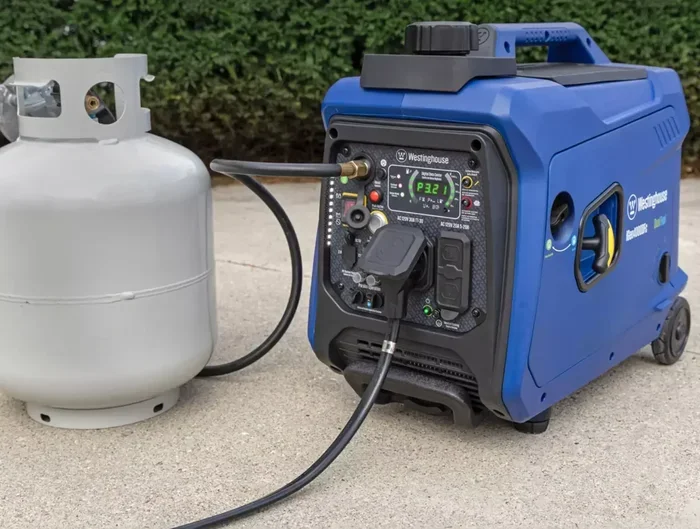
Propane Generators: Propane is widely available and works well in rural areas. You will need one or two propane tanks on your property. Propane has a longer shelf life than gasoline, which makes it a reliable choice for long outages. If you want to learn more about fuel consumption, check out our article on how much natural gas does a generator use.
Installation and Setup
Installing a whole home backup generator is not a DIY project. It requires electrical knowledge, plumbing or gas line connections, and compliance with local building codes. Always hire a licensed professional for installation.
Where to Place the Generator
The unit should sit on a concrete pad outside your home. Code requirements typically mandate a minimum distance from the house, often 18 inches to 5 feet depending on your local regulations. The location should also allow for proper ventilation and easy access for maintenance.
What the Installation Process Looks Like
First, the installer prepares the site and pours the concrete pad. Next, they run the gas line and electrical connections. The automatic transfer switch is installed between the generator and your main panel. Finally, the unit is tested to make sure everything works correctly.
A typical installation takes one to three days. The total cost includes the unit, the pad, the transfer switch, gas line work, and labor. Expect to pay between $4,000 and $15,000 depending on the size and complexity of the job.
Maintenance and Care
A standby generator is built to last, but it still needs regular care. Just like your car, a generator needs scheduled maintenance to perform at its best. Skipping upkeep can lead to failures when you need the unit most.
Routine Maintenance Tasks
Most manufacturers recommend the following maintenance schedule:
- Every 1 to 2 weeks: Run the generator under load for 30 minutes to keep the engine in good condition.
- Every 6 months: Check oil levels, inspect the air filter, and look for any leaks or damage.
- Annually: Have a professional perform a full inspection, including spark plug replacement and coolant check.
Regular generator testing is essential. Many modern units have a built-in exercise mode that runs weekly tests automatically. This keeps the system primed and ready for an emergency.
Common Maintenance Mistakes to Avoid
- Letting the unit sit unused for months without running it.
- Ignoring warning lights or error codes on the control panel.
- Skipping oil changes, which can cause engine damage over time.
- Placing the unit too close to structures, which restricts airflow and creates safety hazards.
Costs and Budgeting
The price of a whole home backup generator varies widely based on size, fuel type, and brand. Here is what you can expect to pay.
Generator Price Ranges
- Small standby units (7,000 to 10,000 watts): $3,000 to $6,000 installed. These cover essential circuits and are great for smaller homes.
- Mid-size units (12,000 to 18,000 watts): $6,000 to $10,000 installed. These handle partial home power and work well for most households.
- Large whole-home units (20,000 to 30,000+ watts): $10,000 to $20,000+ installed. These power everything and are ideal for larger homes or those in extreme weather areas.
Is It Worth the Investment?
The upfront cost can feel steep, but consider what you are protecting. A single outage that spoils hundreds of dollars of food or freezes your pipes can cost more than the generator itself. Add in the comfort, safety, and property value benefits, and the math starts to make a lot of sense.
If you are still on the fence, think about how many hours you lost to power outages last year. Multiply that by the cost of spoiled food, missed work, and discomfort. A backup power system pays for itself over time.
Safety Tips for Generator Owners
Generators are safe when used correctly, but they do come with risks. Following these safety tips will protect your family and your home.
Carbon Monoxide Awareness
Generators produce carbon monoxide, which is odorless and deadly. Always place the unit outside and away from windows, doors, and vents. Install carbon monoxide detectors on every floor of your home and test them regularly.
Electrical Safety
Never plug a standby generator directly into a wall outlet. This practice, known as backfeeding, is dangerous and can electrocute utility workers. The automatic transfer switch prevents this by design, which is another reason why professional installation is so important.
Fuel Storage
If you use a propane or gasoline model, store fuel in approved containers in a well-ventilated area away from the generator. Follow all local fire codes and keep a fire extinguisher nearby.
Portable vs. Standby: Which Is Right for You?
Not sure whether a portable or standby generator fits your needs? Here is a quick comparison.
- Portable generators are cheaper upfront (typically $500 to $2,000) and easy to store. However, they require manual setup, refueling, and extension cords. They are best for short outages and powering a few essentials.
- Standby generators cost more upfront but offer automatic operation, whole-home coverage, and no refueling needed. They are the better choice for long outages and homeowners who want a hands-free solution.
If you want reliable, automatic power for your entire home, a whole home backup generator is the clear winner. For occasional light use, a portable unit might suffice.
Final Thoughts
A whole home backup generator is one of the best investments you can make for your home and family. It keeps the lights on, the food cold, and the heat or air conditioning running no matter what Mother Nature throws at you. From choosing the right size to scheduling regular maintenance, this guide has given you the tools to make an informed decision.
Take the time to assess your energy needs, compare fuel options, and work with a trusted installer. The result is a reliable emergency power supply that gives you confidence and comfort every day. Power outages do not have to be a nightmare. With the right backup power system in place, you can face them with total ease.
Start your research today. Your future self will thank you the next time the lights go out.
Frequently Asked Questions
How long can a whole home backup generator run continuously?
Most standby generators can run for days or even weeks continuously as long as they have a steady fuel supply. Natural gas models connected to your home’s gas line can run indefinitely. Propane models depend on tank size, but larger tanks can sustain operation for several days without needing a refill.
What size generator do I need for a 2,000 square foot home?
For a 2,000 square foot home, a generator in the 12,000 to 15,000 watt range typically covers essential circuits and some additional loads. If you want full home power including central air conditioning, you may need a unit in the 20,000 to 25,000 watt range. Check out our guide on how big of a backup generator do I need for a more detailed sizing breakdown.
Is it safe to run a generator during a storm?
Yes, standby generators are designed to operate in all weather conditions. They are built with weather-resistant enclosures and are installed outside at a safe distance from your home. Just make sure the area around the unit is clear of debris and that the unit has proper drainage to prevent water damage.
How much does it cost to install a whole home backup generator?
Installation costs typically range from $4,000 to $15,000, depending on the generator size, fuel type, and complexity of the installation. This includes the unit, the transfer switch, gas line work, the concrete pad, and professional labor. Get quotes from at least three licensed installers in your area to ensure a fair price.
Do I need a permit to install a backup generator?
Most localities require a permit for generator installation. This ensures the unit meets electrical and gas safety codes. Your installer should handle the permitting process for you. Always check with your local building department before starting the project to avoid any compliance issues.
How often should I service my backup generator?
You should run the generator under load every one to two weeks and schedule a professional inspection annually. Regular maintenance includes oil changes, air filter replacement, spark plug checks, and coolant inspections. Staying on top of these tasks keeps your generator running reliably for 20 to 30 years or more.