Fridge Compressor Noise Why It Happens and How to Fix
A fridge compressor noise can signal anything from a minor fix to a serious repair need. Understanding what causes fridge compressor noise helps you act fast and save money. This guide covers every common sound type, its root cause, and practical step-by-step fixes you can try at home. Whether it is a humming compressor, a rattling noise, or a clicking sound, we have you covered.
There is nothing worse than walking into your kitchen and hearing a loud, unusual sound coming from your fridge. That fridge compressor noise can keep you up at night and make you wonder if your refrigerator is about to break down completely. Whether it is a low hum that has gotten louder or a sudden rattling that started out of nowhere, a noisy compressor is your fridge telling you something.
The good news is that most compressor noise problems are fixable. You do not need to be a repair expert to handle many of these issues. In this guide, we will walk you through exactly why your refrigerator compressor makes noise, what each sound means, and the steps you can take to fix it. By the end, you will feel confident tackling the problem head-on.
Let us dive in and silence that noisy fridge for good.
Key Takeaways
- Loose or dirty parts are the most common cause of a noisy fridge compressor. Regular cleaning and tightening can eliminate many sounds.
- Different noises mean different problems. A humming sound, clicking noise, or rattling vibration each points to a specific issue.
- Simple DIY fixes like cleaning condenser coils and leveling the fridge can reduce noise significantly. No professional help needed for many cases.
- Ignoring a noisy compressor can lead to expensive repairs or full replacement. Early action saves money and extends appliance life.
- Call a professional if you hear grinding, high-pitched squealing, or notice the compressor overheating. These signs point to serious internal damage.
- Prevention is easy with routine maintenance. Cleaning coils, checking mounts, and ensuring proper ventilation keeps your fridge running quietly.
📑 Table of Contents
What Causes Fridge Compressor Noise
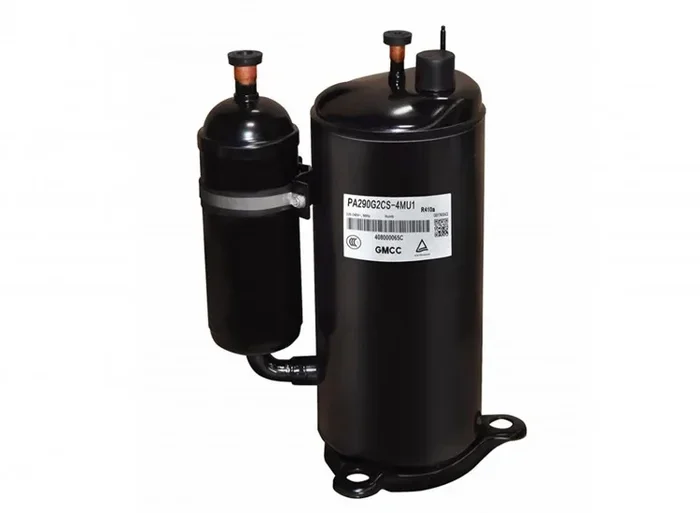
Your fridge compressor is the heart of the cooling system. It pumps refrigerant through the coils and keeps your food cold. When it starts making unusual compressor sounds, something is off. Understanding the root causes helps you choose the right fix.
Several factors can lead to a noisy fridge compressor. Some are simple and easy to address. Others may need a professional touch. Let us look at the most common culprits behind compressor noise.
Normal vs. Abnormal Sounds
Not every sound from your refrigerator compressor is a cause for alarm. A fridge compressor naturally makes some noise during operation. A steady, low humming sound is completely normal. It means the compressor is running and doing its job.
However, you should pay attention when the sound changes. If the fridge compressor humming gets louder, becomes irregular, or is joined by new sounds, that is a red flag. Here is a quick way to tell the difference:
- Normal sounds: A soft, steady hum or gentle clicking when the compressor kicks on.
- Abnormal sounds: Loud rattling, grinding, buzzing, squealing, or repetitive clicking that never stops.
If your fridge passes the normal sound test, you can relax. But if it does not, it is time to investigate further.
Common Culprits Behind the Noise
Several things can cause your fridge compressor noise to spike. Here are the top reasons a noisy refrigerator compressor starts acting up:
- Dirty condenser coils: Dust and grime build up on the coils, forcing the compressor to work harder and vibrate more.
- Loose components: Over time, screws, fan blades, and internal parts can loosen and rattle against the fridge housing.
- Worn compressor mounts: The rubber mounts that hold the compressor in place can degrade, causing excessive vibration and noise.
- Failing start relay: The compressor start relay helps the compressor begin its cooling cycle. When it fails, it can produce a clicking noise or even a buzzing sound.
- Refrigerant issues: Low refrigerant levels or a refrigerant leak can cause the compressor to strain and make unusual sounds.
- Compressor overloading: When the fridge is overpacked or placed in a warm area, the compressor works overtime and may produce a loud buzzing noise.
Each of these causes leads to a different type of sound. Knowing what to listen for is the first step toward a solution.
Common Types of Fridge Compressor Sounds
Not all compressor noise sounds the same. The type of sound your fridge makes gives you a clue about what is going on inside. Here is a breakdown of the most common sounds and what they mean.
| Sound Type | What It Sounds Like | Likely Cause | Urgency Level |
|---|---|---|---|
| Humming | Steady, low, continuous hum | Normal operation or dirty coils | Low |
| Buzzing | Loud, vibrating buzz | Overloaded compressor or loose part | Medium |
| Clicking | Repeated clicking, especially at startup | Failing start relay | Medium |
| Rattling | Shaking or clanking inside the unit | Loose component or worn mounts | Medium |
| Grinding | Harsh, metallic grinding | Compressor motor failure | High |
| Squealing | High-pitched, shrieking sound | Compressor internal damage | High |
Use this table as a quick reference when your fridge starts making unusual compressor sounds. The urgency level tells you whether you should act immediately or schedule a repair soon.
Humming and Buzzing Noises
A fridge compressor humming that has gotten louder is one of the most common complaints homeowners report. Often, the cause is simple. Dirty refrigerator condenser coils force the compressor to run longer and harder, which increases vibration and noise.
A buzzing noise from the compressor area can also point to a loose part. Check if the fridge is level. An unlevel refrigerator causes the compressor to vibrate against the floor or cabinet, creating a persistent buzz. Sometimes, a compressor vibration noise comes from a fan blade that has shifted or a pipe that is touching the fridge wall.
Clicking and Ticking Sounds
A compressor clicking sound that happens once when the fridge starts up is usually normal. But if you hear rapid, repeated clicking, that is a problem. The compressor start relay is often the culprit. This small part sends an electrical signal to kick the compressor into action. When it fails, it sends repeated clicking signals without actually starting the compressor.
Another cause of clicking and ticking is a loose cover panel. Vibration from the compressor can cause panels to knock against each other. This is an easy fix that does not require any technical skill.
Rattling and Vibrating Noises
A compressor rattling noise can be unsettling. It often sounds like something is loose inside the fridge. In many cases, it is. Check the water supply line if your fridge has a built-in dispenser. A loose or improperly seated water line can vibrate and rattle constantly.
Compressor vibration noise can also come from the compressor itself. When the internal springs or mounts wear out, the compressor shifts and bumps against its housing. This type of noisy fridge compressor issue usually requires a professional to replace the mounts or the compressor unit.
How to Diagnose the Source of the Noise
Before you start fixing anything, you need to figure out exactly where the noise is coming from. Refrigerator noise troubleshooting is simpler than most people think. With a few basic checks, you can narrow down the cause of the fridge compressor noise.
The Water Glass Test
Here is a simple trick to pinpoint the source of the noise. Place a glass of water on different shelves in your fridge. Then listen carefully. If the water in the glass vibrates or ripples, you have found the general area of the noise source. This test helps you determine whether the noise is coming from the compressor at the back or from a different component.
This method is especially useful for distinguishing between a compressor vibration noise and a fan noise. Both can sound similar from across the room, but the water glass test reveals the truth.
Listening from Different Angles
Move around the fridge and listen from different positions. Stand behind the unit and press your ear close to the back panel. A loud humming noise or buzzing noise coming from the compressor area confirms the compressor is the source.
If the noise seems to come from the top or sides, the condenser fan or evaporator fan may be the problem. Fridge compressor troubleshooting involves checking all possible noise sources, not just the compressor itself.
Check the Surrounding Area
Sometimes the noise is not from the fridge at all. Items placed on top of or next to the fridge can vibrate when the compressor runs. Check for cookbooks, magnets, small appliances, or any objects sitting near the unit. Remove them and see if the noise stops. This is one of the simplest refrigerator maintenance tips and often the most overlooked.
Step-by-Step Fixes for a Noisy Fridge Compressor
Now that you have identified the likely cause, it is time to fix the problem. Many fridge compressor noise issues can be resolved with basic tools and a little effort. Here are the most effective fixes, in order of difficulty.
Fix 1: Clean the Condenser Coils
Dirty condenser coils are the number one cause of a noisy compressor. When dust, pet hair, and grease build up on the coils, the compressor has to work much harder to maintain the right temperature. This extra effort leads to louder operation and increased vibration.
Here is how to clean them:
- Unplug the fridge from the power outlet.
- Locate the condenser coils. They are usually at the back or underneath the unit.
- Use a vacuum cleaner with a brush attachment to remove dust and debris.
- For stubborn grime, use a coil cleaning brush designed for this purpose.
- Plug the fridge back in and listen for changes in noise level.
Clean the coils at least twice a year. This simple refrigerator maintenance tip can dramatically reduce compressor noise and extend the refrigerator compressor lifespan.
Fix 2: Check the Start Relay
The compressor start relay is a small device connected to the compressor. It provides the extra boost of electricity needed to start the compressor. When the relay fails, the compressor may struggle to start, producing a clicking noise or a buzzing sound.
To check the start relay:
- Unplug the fridge and pull it away from the wall.
- Locate the start relay, which is usually a small box attached to the side of the compressor.
- Remove the relay and shake it gently. If you hear rattling inside, the relay is faulty.
- Use a multimeter to test for continuity. No continuity means the relay needs replacement.
Replacing a compressor start relay is inexpensive and straightforward. Most replacement relays cost between $15 and $30. This fix can eliminate a persistent clicking noise and get your fridge running quietly again.
Fix 3: Level Your Refrigerator
An unlevel fridge is a common but overlooked cause of compressor vibration noise. When the refrigerator tilts even slightly, the compressor does not sit evenly in its mounts. This creates extra vibration and noise during operation.
Use a spirit level on top of the fridge to check if it is level. Adjust the leveling legs at the bottom until the fridge is perfectly flat. You can also place a shim under one leg if the floor is uneven. A level fridge runs quieter and lasts longer.
Fix 4: Inspect and Tighten Loose Components
Over time, the panels and covers on your fridge can loosen. Loose panels rattle and vibrate when the compressor runs. Open the access panel at the back of the fridge and check for any loose screws or brackets. Tighten them with a screwdriver.
Also check the water supply line if your fridge has a water dispenser or ice maker. A loose water line vibrates against the fridge wall and creates a rattling noise. Secure the line with a bracket or wrap it with foam tape to dampen the vibration.
Fix 5: Replace Worn Compressor Mounts
The rubber mounts that hold the compressor in place can crack and harden over time. When they fail, the compressor vibrates freely and makes loud rattling and buzzing noise. Replacing the mounts is a more advanced fix but can make a huge difference.
You will need to access the compressor at the back of the fridge. Look for the rubber grommets or springs that secure the compressor. If they appear cracked, compressed, or broken, replacement is the way to go. New compressor mounts typically cost between $20 and $50.
When to Call a Professional for Compressor Repair
Many fridge compressor noise issues can be fixed at home. But some problems are beyond DIY repair. Knowing when to call a professional saves you time, money, and frustration.
You should call a technician if you notice any of the following:
- Grinding or squealing sounds coming from the compressor. These sounds often indicate internal motor damage that requires professional repair or replacement.
- The compressor runs constantly and never shuts off. This could signal a refrigerant leak or a failing compressor motor.
- The fridge is not cooling properly along with the noise. A compressor that is both noisy and ineffective is a serious problem.
- You smell burning or notice overheating near the compressor area. This is a safety hazard that needs immediate attention.
- The fridge compressor replacement cost is worth considering if the compressor has failed completely. A new compressor can cost between $200 and $450, plus labor charges.
A professional technician can run diagnostic tests, check refrigerant levels, and determine whether the compressor can be repaired or needs full replacement. Always get a written estimate before approving any major repair work.
Preventing Fridge Compressor Noise in the Future
The best way to deal with fridge compressor noise is to prevent it from happening in the first place. Simple refrigerator maintenance tips can keep your compressor running quietly for years.
Here is what you can do to keep compressor noise at bay:
- Clean the condenser coils every six months. This is the single most important maintenance task for a quiet compressor.
- Keep the fridge level at all times. Check the level after moving the fridge or rearranging your kitchen.
- Do not overpack the fridge. Overloading the fridge restricts airflow and forces the compressor to work harder, leading to compressor overloading and increased noise.
- Ensure proper ventilation around the fridge. Leave at least two inches of space between the back of the fridge and the wall. Good airflow reduces heat buildup and keeps the compressor running efficiently.
- Check the door seals regularly. Worn door gaskets let cold air escape, which makes the compressor run longer and louder.
- Schedule professional maintenance annually. A technician can spot early signs of compressor motor failure before they become major problems.
Following these refrigerator maintenance tips not only reduces noise but also improves energy efficiency. A well-maintained fridge uses less electricity and lasts longer. That is a win for your wallet and your peace and quiet.
Conclusion
A noisy fridge compressor does not have to be a permanent problem. Most causes of fridge compressor noise are simple and fixable. From cleaning dirty condenser coils to replacing a faulty start relay, the steps in this guide give you everything you need to troubleshoot and resolve the issue.
Remember to listen carefully to the type of noise your fridge makes. A humming sound is usually fine, but grinding, squealing, or persistent rattling needs immediate attention. Use the diagnostic tips and fixes in this article to take action quickly. If the problem is beyond your skill level, do not hesitate to call a professional.
Taking care of your refrigerator compressor with regular maintenance is the best investment you can make. A quiet, efficient fridge keeps your food fresh and your home peaceful. Apply what you have learned here, and your fridge will thank you with years of quiet, reliable service.
Frequently Asked Questions
Why is my fridge compressor making a loud humming noise?
A loud humming noise from the compressor usually means the fridge is working harder than it should. Dirty condenser coils, a failing start relay, or low refrigerant levels are the most common causes. Start by cleaning the coils and checking the start relay. If the noise persists, a professional can check the refrigerant level and compressor health.
Is it normal for a fridge compressor to make clicking sounds?
A single click when the compressor starts up is completely normal. However, rapid or repeated clicking sounds usually indicate a failing compressor start relay. The relay is trying to start the compressor but cannot complete the circuit. Replacing the relay is a simple and affordable fix that most homeowners can handle.
How much does it cost to replace a fridge compressor?
The fridge compressor replacement cost typically ranges from $200 to $450 for the part alone. With professional labor, you can expect to pay between $400 and $800 total. The exact cost depends on your fridge model, the complexity of the repair, and your local labor rates. Always get multiple quotes before committing to a replacement.
Can a noisy fridge compressor damage other parts of the refrigerator?
Yes, a noisy compressor that is overworking can put extra strain on other components. It can wear out the start relay, damage the condenser fan, and increase energy consumption. Over time, a neglected noisy compressor can shorten the overall refrigerator compressor lifespan and lead to more expensive repairs.
How do I know if my compressor is failing?
Signs of a failing compressor include loud grinding or squealing noises, the fridge not cooling properly, the compressor running constantly without shutting off, and visible overheating near the compressor area. If you notice these symptoms, contact a qualified technician immediately for refrigerator compressor repair or replacement.
What is the average lifespan of a refrigerator compressor?
A well-maintained refrigerator compressor typically lasts between 10 and 15 years. Regular cleaning, proper ventilation, and avoiding overloading the fridge can help it reach the upper end of that range. Neglecting maintenance, on the other hand, can shorten the lifespan significantly and increase the risk of sudden compressor motor failure.