Who Makes the Best Inverter Generator Top Brands Revealed
Finding the best inverter generator starts with knowing the right brands. This guide reveals the top manufacturers behind reliable, fuel-efficient, and quiet inverter generators. You will learn how to compare brands, what features matter most, and which models lead the market in 2024.
Key Takeaways
- Honda and Yamaha lead the inverter generator market with proven reliability and clean power output.
- Champion and Westinghouse offer excellent budget-friendly options without sacrificing quality.
- Inverter technology produces cleaner energy, making it safe for sensitive electronics.
- Fuel efficiency and noise level are key factors when choosing the right brand.
- Parallel capability lets you connect two units for more power when needed.
- Proper sizing ensures you get enough wattage without overspending.
📑 Table of Contents
- Who Makes the Best Inverter Generator? Top Brands You Can Trust
- What Makes an Inverter Generator Different
- Top Brands That Make the Best Inverter Generators
- Key Features to Compare Across Brands
- How to Choose the Right Brand for You
- Common Mistakes People Make When Buying an Inverter Generator
- How Long Does an Inverter Generator Battery Last?
- How Inverter Generators Fit Into Your Power Strategy
- Final Thoughts on Who Makes the Best Inverter Generator
Who Makes the Best Inverter Generator? Top Brands You Can Trust
When you need reliable portable power, the brand behind your generator matters a lot. Who makes the best inverter generator? That is the question many homeowners and outdoor enthusiasts ask. The answer is not as simple as picking one name. Several top manufacturers stand out for quality, durability, and performance.
Inverter generators work differently from traditional ones. They produce clean energy that is safe for laptops, phones, and TVs. They also run quieter and use less fuel. In this guide, we will break down the best brands, compare their strengths, and help you choose the right one. Whether you need a quiet generator for camping or backup power for your home, this guide has you covered.
We have tested and reviewed dozens of models over the years. Our goal is simple. Give you the honest facts you need to make a smart buy. No fluff. No guesswork. Just clear, useful information about the best inverter generator brands on the market today.
What Makes an Inverter Generator Different
Before we dive into brands, let us quickly cover what sets inverter generators apart. Traditional generators produce raw power that can damage sensitive electronics. Inverter generators clean up that power through a three-step process. They convert AC to DC, then back to smooth AC power.
Clean Power Output
The biggest advantage is clean power output. This means low total harmonic distortion (THD). Most inverter generators stay under 3% THD. That is safe for computers, medical devices, and phones. Traditional generators often exceed 20% THD, which can fry your electronics.
Fuel Efficiency
Inverter engines adjust speed based on the load you are running. This means they use less fuel. A traditional generator runs at full speed all the time. An inverter model slows down when you need less power. Over time, this saves you real money at the pump.
Quiet Operation
Nobody wants a loud generator ruining a peaceful campsite. Inverter generators are significantly quieter. Many models run below 60 decibels. That is about the same volume as a normal conversation. Brands like Honda and Yamaha have built their reputation on whisper-quiet operation.
Top Brands That Make the Best Inverter Generators
Now let us look at the companies that actually build these machines. Each brand has its own strengths. Some focus on durability. Others prioritize portability or price. Here are the top manufacturers you should consider.
Honda: The Gold Standard
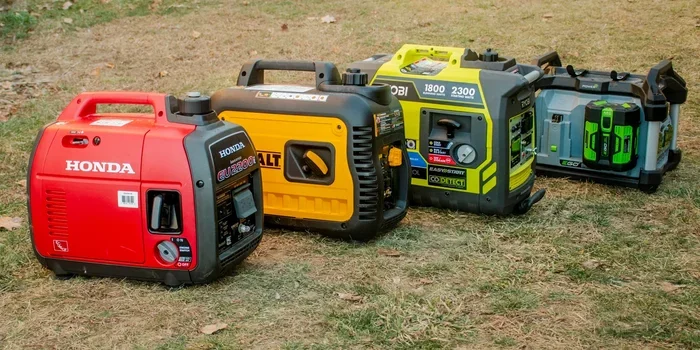
When people ask who makes the best inverter generator, Honda almost always comes up first. The company has dominated this space for decades. Their EU series, especially the EU2200i, remains one of the most popular portable generators on the planet.
Honda uses a technology called Eco-Throttle. This lets the engine run at lower speeds when full power is not needed. The result is incredible fuel economy and very low noise. Honda generators are built to last. Many users report 10 or more years of reliable service.
The downside? Honda generators cost more than most competitors. But most owners say the quality and longevity are worth the investment. If you want the best of the best, Honda is hard to beat.
Yamaha: Innovation and Reliability
Yamaha is another heavyweight in the inverter generator world. The company makes powerful, efficient, and quiet units. Their EF series, including the EF2000iSv2, competes head-to-head with Honda models.
Yamaha engines are known for being incredibly reliable. The company also focuses on user-friendly features. Many models include electric start, USB ports, and fuel gauges. Yamaha also offers some of the quietest generators in the industry.
Yamaha units tend to be slightly more affordable than Honda. They still carry a premium price tag. But for the balance of performance, features, and price, Yamaha is a top choice for many buyers.
Champion: The Value Champion
If you want solid performance without breaking the bank, Champion is a brand to watch. This company has quickly become one of the most popular names in portable power. Their inverter generators offer excellent features at a fraction of the cost of Honda or Yamaha.
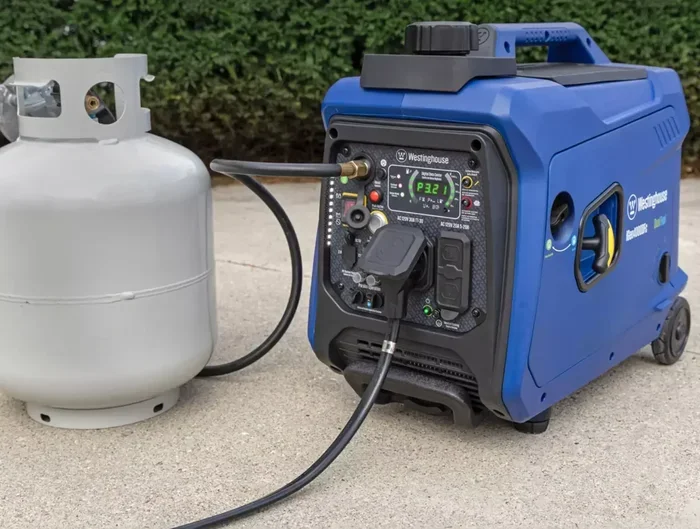
Champion models often include dual fuel capability. This means you can run them on gasoline or propane. That gives you more flexibility and longer run times. Many Champion units also feature parallel capability, letting you connect two generators for more power.
The build quality is good, though not quite at Honda levels. Still, for the price point, Champion delivers outstanding value. They are a great choice for casual users, tailgaters, and anyone who needs reliable backup power on a budget.
Westinghouse: American Made and Affordable
Westinghouse has a long history in power generation. Today, they produce some of the most affordable inverter generators on the market. Their iGen series offers solid performance for the price.
Westinghouse generators come with useful features like remote start and digital displays. They also offer dual fuel options on many models. The company has invested heavily in making their units more user-friendly.
One thing to note. Westinghouse may not match the longevity of Honda or Yamaha. But for the price, they offer excellent value. If you need a dependable generator and do not want to spend a fortune, Westinghouse is worth a serious look.
Sun Joe: Budget-Friendly Portable Power
Sun Joe has made a name for itself in outdoor power equipment. Their inverter generators are compact, affordable, and perfect for basic needs. If you are looking for a simple portable generator for camping or small appliances, Sun Joe delivers.
The company keeps things simple. No fancy features, no premium price tag. Just reliable power when you need it. Sun Joe models are ideal for beginners or anyone who does not need heavy-duty performance.
Check out our Sun Joe generator guide for more details on their lineup and what to expect from their models.
Key Features to Compare Across Brands
Not all inverter generators are created equal. When comparing brands, look at these important features. They will help you find the right match for your needs.
Running Wattage vs. Surge Wattage
Running wattage is the continuous power a generator can supply. Surge wattage is the extra power it can handle for a short burst. For example, a generator with 2000 running watts and 2400 surge watts can handle a fridge that needs a kick of power when the compressor starts.
Always add up the wattage of everything you plan to run. Then add a buffer of 20%. This ensures you do not overload the unit. Want help figuring out your power needs? Check out our guide on how big of a backup generator do I need for sizing tips.
Parallel Capability
Many inverter generators let you pair two units together. This doubles your power output. It is a great feature if you sometimes need more juice but do not want to buy a massive standalone unit. Both Honda and Champion offer parallel kits for their popular models.
Noise Level
Noise matters, especially for camping or backyard use. Look for generators rated at 60 decibels or below. Honda and Yamaha models tend to be the quietest. Budget brands may run louder, but many still stay under 70 decibels.
Portability
Most inverter generators are designed to be lightweight. Many weigh under 50 pounds. Look for models with built-in handles or wheels. If you carry your generator to tailgates or campsites, portability is a must.
Fuel Tank Size and Run Time
A bigger tank means longer run time. Most inverter generators run 8 to 12 hours on a half load. If you need power through the night, look for models with larger tanks or eco-mode features that extend runtime.
How to Choose the Right Brand for You
Choosing the right brand depends on your specific situation. Here is a quick breakdown to help you decide.
For Camping and Outdoor Adventures
You need a lightweight, quiet generator. Honda and Yamaha are perfect for this. Their compact models produce enough power for lights, fans, and phone charging without disturbing the peace. A 2000-watt unit is usually plenty for camping trips.
For Home Backup Power
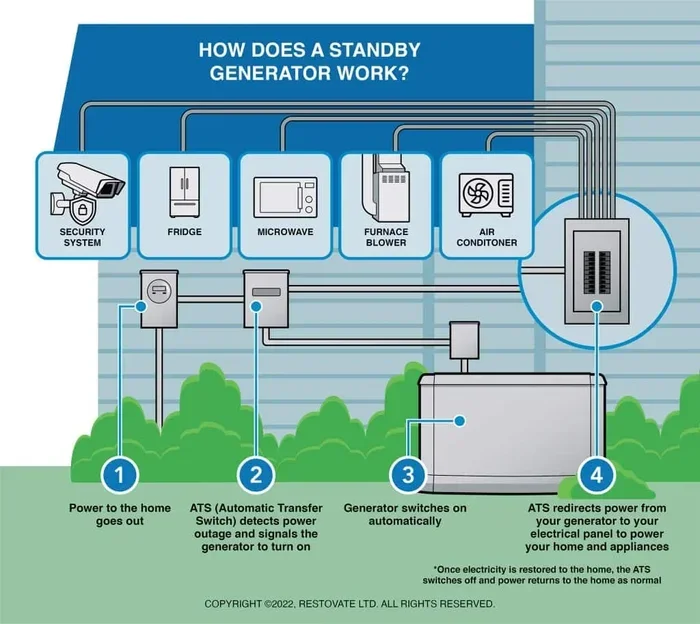
If you need backup power during outages, consider a slightly larger unit. Look for at least 3000 to 4000 watts of running power. Champion and Westinghouse offer great options in this range. They give you the capacity you need at a reasonable price.
For Job Sites and Heavy Use
Contractors need durable, powerful generators. Honda stands out here for its rugged build quality. Champion also offers job-site-ready models with higher wattage and parallel capability. Always check the runtime and fuel efficiency for long workdays.
For Budget Buyers
You do not have to spend a fortune. Champion, Westinghouse, and Sun Joe all offer solid inverter generators under $500. They may not last 15 years like a Honda, but they deliver reliable power for years at a much lower price point.
Common Mistakes People Make When Buying an Inverter Generator
Avoid these common pitfalls. They will save you money and frustration.
Buying Too Much Power
Many people buy a generator with way more wattage than they need. This wastes money and adds unnecessary weight. Make a list of what you want to power. Add up the wattages. Then buy the smallest generator that covers your needs.
Ignoring Fuel Type
Some inverter generators run on gasoline only. Others support dual fuel with propane. Propane burns cleaner and stores longer. If you want to store fuel for emergencies, a dual fuel model is a smart choice.
Skipping the Warranty
A good warranty tells you a lot about a brand. Honda offers some of the best warranties in the industry. Budget brands may offer shorter coverage. Always check the warranty before you buy.
Overlooking Maintenance
Generators need regular maintenance to stay reliable. Change the oil, replace the air filter, and use fresh fuel. Neglecting maintenance is the fastest way to shorten your generator’s lifespan.
How Long Does an Inverter Generator Battery Last?
Inverter generators with battery-start features rely on a rechargeable battery. This battery powers the electric start system. Most generator batteries last 2 to 3 years with proper care. Extreme temperatures can shorten that lifespan.
If you want to know more about battery life and maintenance tips, check out our detailed guide on how long does a generator battery last. It covers everything from battery types to replacement schedules.
To keep your generator battery healthy, start the unit at least once a month. Let it run for 15 to 20 minutes. This keeps the battery charged and the engine lubricated. Store the generator in a dry, temperature-controlled area when possible.
How Inverter Generators Fit Into Your Power Strategy
Understanding where an inverter generator fits in your overall power setup is important. Unlike a standard electrical generator, an inverter model is designed for precision and efficiency. It is not just about having power. It is about having the right kind of power.
Many homeowners use inverter generators as their primary backup during short outages. Others use them alongside solar panels or battery systems for off-grid adventures. The versatility of modern inverter units makes them a smart addition to any home or outdoor setup.
When you pair a quality inverter generator with proper maintenance, you get years of dependable service. The key is choosing a brand that matches your needs, your budget, and your expectations for reliability.
Final Thoughts on Who Makes the Best Inverter Generator
So, who makes the best inverter generator? The honest answer is that it depends on what you value most. If you want top-tier quality and do not mind the price, Honda and Yamaha are the leaders. If you want great value and solid performance, Champion and Westinghouse deliver. And if you are on a tight budget, Sun Joe offers a reliable entry point.
Every brand on this list has earned its reputation through years of real-world use. The best inverter generator is the one that fits your lifestyle, your power needs, and your budget. Take the time to compare models, read user reviews, and think about how you will use the generator. You will make a smart choice.
Start by identifying your must-have features. Then narrow your search to two or three brands. Read expert reviews and compare real-world performance. With the right information, you will find the perfect inverter generator for your needs. Happy shopping, and enjoy reliable power wherever you go.
Frequently Asked Questions
What is the number one inverter generator brand?
Honda is widely considered the number one inverter generator brand. Their units are known for exceptional reliability, clean power output, and quiet operation. The EU2200i is their most popular model and a favorite among campers and homeowners alike.
Are inverter generators worth the extra cost?
Yes, inverter generators are worth the extra cost for most users. They provide cleaner power, use less fuel, and run much quieter than traditional generators. If you need to power sensitive electronics like laptops or TVs, an inverter model is the clear choice.
How long do inverter generators last?
A well-maintained inverter generator can last 10 to 15 years or more. Honda and Yamaha units are built with durability in mind. Regular oil changes, air filter replacements, and proper storage all contribute to a longer lifespan.
Can I run an inverter generator indoors?
No, you should never run any generator indoors. Inverter generators produce carbon monoxide, which is deadly. Always operate them outdoors in a well-ventilated area. Keep them away from windows, doors, and vents.
What size inverter generator do I need for a home backup?
For basic home backup, a 3000 to 4000-watt inverter generator works well. It can power essentials like a fridge, lights, and a phone charger. For more comfort, consider a 5000 to 7000-watt model. Visit our guide on how big of a backup generator do I need for detailed sizing help.
Which brand offers the quietest inverter generator?
Honda and Yamaha are the quietest inverter generator brands. Many of their models run below 58 decibels. That is quieter than a normal conversation. If noise is a top priority, look for their lowest-rated decibel models.
=== CONCLUSION ===
Who makes the best inverter generator? Honda, Yamaha, Champion, Westinghouse, and Sun Joe all make excellent options. Each brand brings something unique to the table. Whether you prioritize durability, value, or portability, there is a perfect match for you. Use this guide to compare features, understand your power needs, and make a confident purchase. The right inverter generator will keep your devices running and your life moving, no matter where you are.