Why a 15000 Watt Generator Is Perfect for Your Home
A 15000 watt generator delivers serious power for your home during outages, making it one of the most popular choices for home backup power today. Whether you face storms, grid failures, or just want peace of mind, this size unit strikes the perfect balance between portable power and whole-house coverage. In this guide, you will learn how it works, what it can run, and how to choose the best model for your needs.
Key Takeaways
- Versatile Power Output: A 15000 watt generator can handle most household essentials and even some heavy-duty appliances during a power outage.
- Fuel Efficiency Matters: Understanding fuel consumption and generator runtime helps you plan for longer outages without running out of gas or propane.
- Right Generator for Your Home: Choosing between a portable and standby model depends on your electrical loads, budget, and how much automation you want.
- Safety First: Proper installation, ventilation, and use of an automatic transfer switch protect your family and your home’s circuit breaker system.
- Regular Maintenance: Following simple maintenance tips keeps your generator running reliably for years, ensuring consistent power output when you need it most.
📑 Table of Contents
Why a 15000 Watt Generator Is Perfect for Your Home
Power outages are annoying. They come out of nowhere and suddenly your lights are off, your fridge is warming up, and you cannot even charge your phone. That is exactly why so many homeowners are turning to a 15000 watt generator as their go-to solution for emergency power. It gives you enough juice to keep your house running without going all-in on a massive whole-house system.
So what makes this particular size so special? Well, a 15000 watt unit hits a sweet spot. It is powerful enough to cover most of your home backup power needs, yet compact and affordable enough that you do not need a construction crew to install it. Whether you go portable or standby, this wattage gives you real, practical coverage during storms, grid failures, or any situation where the lights go out.
In this guide, we will walk you through everything you need to know. We will cover how this generator works, what it can power, how much fuel it uses, and how to pick the right model. By the end, you will know exactly why a 15000 watt generator deserves a spot in your home improvement plans.
What Is a 15000 Watt Generator?
Let us start with the basics. A generator rated at 15000 watts produces 15 kilowatts of power output. That number refers to the maximum electrical load the unit can handle at any given time. Most generators list two wattage numbers: surge wattage and running wattage. The surge number is the extra punch the engine has for starting heavy motors, while the running number is what it sustains over time.
Portable vs. Standby Models
You can find 15000 watt generators in two main forms. Each serves a different need and lifestyle.
- Portable generators: These sit on wheels and you move them around. You plug appliances directly into outlets on the unit. They are affordable and easy to set up, but you need to run extension cords to get power where you need it.
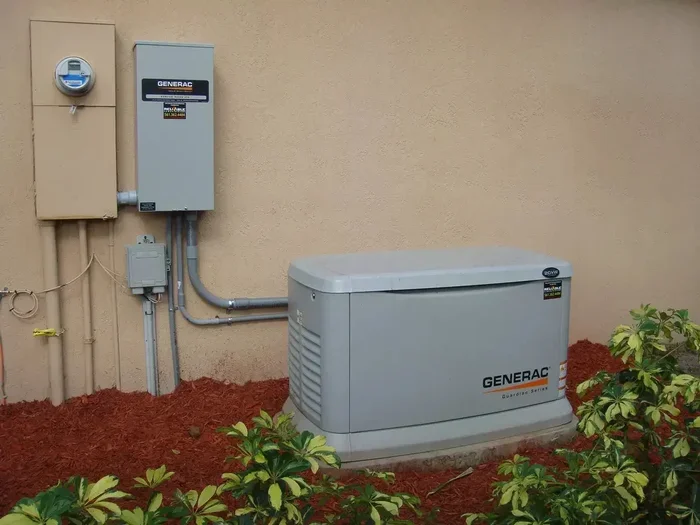
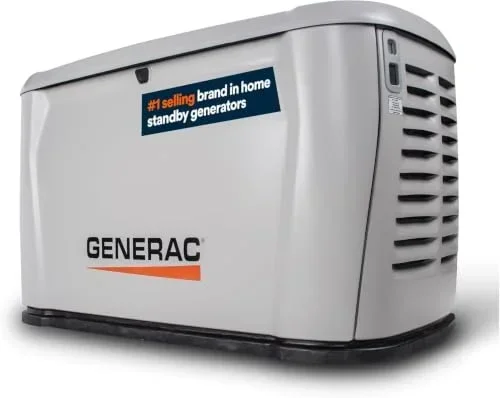
- Standby generators: These sit outside your home on a permanent pad. They connect to your electrical panel through an automatic transfer switch. When the grid goes down, they kick on automatically within seconds. They cost more upfront but offer hands-free convenience.
Both types come in the 15000 watt range. Your choice depends on how much automation you want, your budget, and whether you want to manually start the unit or let it handle things itself. For most homeowners who want reliable home improvement and peace of mind, a standby model at this wattage is hard to beat.
What Can You Actually Power?
Here is where things get exciting. A 15000 watt generator covers a lot of ground. You can run a surprising number of household items at the same time. Think of it as keeping your home in a state of normalcy even when the grid is down.
- Refrigerator and freezer (about 700 to 1500 watts each)
- Central air conditioner (2000 to 5000 watts depending on size)
- Well pump (around 1500 to 3000 watts)
- Microwave (1000 to 1500 watts)
- Television and internet router (200 to 500 watts)
- Lighting throughout the house (200 to 1000 watts total)
- Phone chargers and small electronics
You could easily run your kitchen, some climate control, and all your communication devices without breaking a sweat. The key is understanding your electrical loads and making sure you do not exceed the running wattage of the generator. Add up what you plan to use at once, and you will see that 15000 watts goes a long way.
How a 15000 Watt Generator Powers Your Home
Understanding how your home gets powered during an outage helps you plan better. When you own a 15000 watt generator, you basically become your own mini power plant operator. Let us break down the process so it feels less intimidating.
The Role of the Automatic Transfer Switch
If you choose a standby model, the automatic transfer switch (or ATS) is your best friend. This device monitors your home’s connection to the grid. When it detects a power outage, it signals the generator to start. Once the unit reaches stable speed and voltage, the switch redirects your home’s power to the generator.
This all happens in about 10 to 30 seconds. You might not even notice the outage unless your freezer is partially empty. When the grid comes back on, the switch reverses the flow and shuts down the generator. It is smooth, safe, and takes all the guesswork out of the equation.
For portable models, you do the switching yourself. You start the engine, warm it up, and plug your essential appliances into the unit. It takes a bit more effort, but you still get solid emergency power coverage.
Managing Your Electrical Loads
One of the most important skills to learn is load management. You cannot run everything at full blast simultaneously without tripping something. Your home’s circuit breaker panel is designed to protect against overloads, and your generator has its own limits too.
Here is a practical approach:
- Start with the biggest draw first, like your air conditioner or well pump. Heavy motors need a moment to stabilize.
- Add medium loads next, such as the refrigerator and microwave.
- Finally, plug in smaller devices like lights, chargers, and the TV.
By staggering your startup, you avoid hitting that surge wattage ceiling. The result is a stable, safe power supply that keeps your home humming along during any power outage.
Fuel Consumption and Runtime
Let us talk about the practical side. How long can a 15000 watt generator actually run, and how much fuel does it burn? These are the questions every homeowner needs answered before buying.
Understanding Fuel Types
Most 15000 watt generators run on one of three fuel sources. Each has pros and cons worth considering.
- Gasoline: Easy to find and widely available. However, gasoline has a shelf life of about 6 to 12 months, so you need to rotate your fuel supply. It also burns faster than other options.
- Propane: Clean burning and does not degrade over time. You can store large tanks for long-term use. Propane produces slightly fewer watts per gallon compared to gasoline, so consumption rates differ.
- Dual-fuel: Many modern units let you switch between gasoline and propane. This gives you flexibility and the best of both worlds.
If you want detailed numbers on fuel use for different models and conditions, check out this guide on how much natural gas does a generator use. It breaks down consumption rates in a way that makes planning much easier.
Estimated Runtime at 15000 Watts
Here is a general idea of what to expect:
- At half load (around 7500 watts), a gasoline unit might run 8 to 12 hours on a full 20-pound tank or equivalent.
- At full load (15000 watts), expect runtime to drop significantly, often to 4 to 6 hours depending on the fuel tank size.
- Propane units tend to run a bit longer because the fuel burns cleaner and tanks are often larger.
Runtime matters a lot during extended outages. If you live in an area prone to storms that knock out power for days, you want a model with good generator fuel efficiency or the ability to add extra fuel tanks. Some homeowners keep multiple propane tanks on hand so they can swap and keep running without stopping.
You might also wonder about the internal battery that handles the generator’s own electronics and startup system. For more on that topic, see this helpful resource on how long does a generator battery last. Keeping that small battery healthy ensures your generator starts reliably every single time.
Choosing the Right 15000 Watt Generator
Not all 15000 watt generators are created equal. Brands differ in build quality, noise level, fuel efficiency, and warranty coverage. Here is what to look for before you spend your money.
Power Output and Surge Capacity
Always check both the running and surge wattage. A unit might say 15000 watts on the box, but if the surge capacity is weak, you will struggle to start air conditioners or well pumps. Look for at least 18000 to 20000 watts of surge capacity to handle those heavy motor startups comfortably.
Noise Level
Nobody wants a generator that sounds like a jet engine next to their house. Inverter models tend to run much quieter, often between 55 and 70 decibels. That is about the volume of normal conversation to a vacuum cleaner. If noise is a concern for your neighborhood or family comfort, invest in an inverter-style unit.
Portability vs. Permanent Installation
Think about where you will place the generator. Portable units need wheel kits, a flat surface, and safe distance from windows and doors. Standby units need a concrete pad, professional wiring, and compliance with local codes. If you are unsure about sizing your backup needs, this article on how big of a backup generator do i need walks you through the decision step by step.
Brand Reputation and Warranty
Stick with trusted brands that offer at least a 2 to 3 year warranty. Read user reviews for real-world feedback on durability and customer service. A strong brand also means better availability of replacement parts when you need them.
Quick Tips for Buyers
- Measure your available space before buying. Standby units are bulky and need clearance on all sides.
- Ask about dealer support in your area. Local service makes a huge difference when something breaks.
- Consider a model with a digital display that shows fuel level, voltage, and runtime. It makes managing your power output much simpler.
- Do not forget to budget for the cost of installation, fuel, and an oil change kit.
Installation and Safety Tips
Installing a generator is not just about setting a box down outside. There are real safety considerations that protect your family, your home, and even the utility workers in your neighborhood. Take these steps seriously.
Placement Matters
Never run a generator indoors or in an enclosed space. Carbon monoxide from exhaust can be deadly within minutes. Place your unit outside, at least 20 feet away from any window, door, or vent. Make sure the exhaust points away from your house and neighboring homes.
Keep the generator on a dry, level surface. Rain and moisture cause shorts and corrosion. Many people build a simple open-air shelter to protect the unit from rain while still allowing full ventilation. Never cover a running generator with a tarp or enclosed box.
Wiring and Electrical Safety
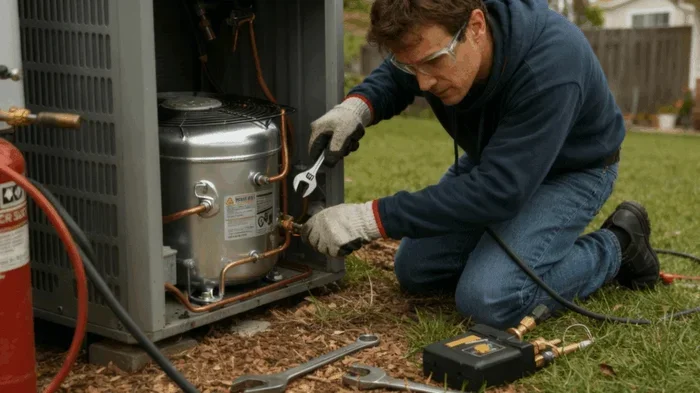
If you install a standby model, hire a licensed electrician. They will connect the unit to your circuit breaker panel using proper wiring and install the automatic transfer switch correctly. This work involves live electrical systems and local building codes. Professional installation prevents fires, equipment damage, and backfeeding power onto utility lines, which is extremely dangerous.
For portable generators, use heavy-duty extension cords rated for outdoor use. Check that the cord gauge matches the wattage you are powering. A thin cord under heavy load will overheat and potentially start a fire. Always plug your appliances directly into the generator rather than daisy-chaining cords together.
Quick Safety Checklist
- Install carbon monoxide detectors on every level of your home
- Never refuel a running generator. Turn it off and let it cool first
- Store fuel in approved containers away from living spaces
- Test your generator monthly under light load to keep it ready
- Keep a fire extinguisher nearby during operation
Maintenance for Long Lasting Performance
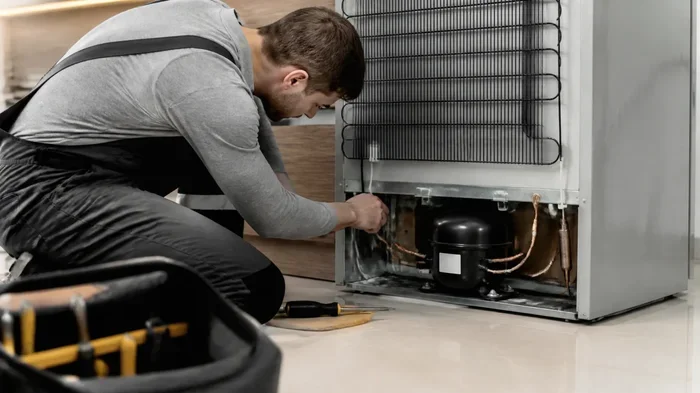
Your 15000 watt generator is an investment. Like any engine, it needs regular care to perform when it matters most. Skipping maintenance leads to unreliable starts, poor fuel economy, and premature breakdowns. Here is how to keep your unit in top shape.
Routine Maintenance Schedule
Follow these basic steps to extend the life of your generator significantly:
- Oil changes: Change the oil after the first 20 hours of use, then every 100 to 150 hours or at least once per season. Fresh oil keeps the engine running smooth and cool.
- Air filter: Check and clean or replace the air filter every 3 to 6 months. A dirty filter chokes the engine and reduces generator fuel efficiency.
- Spark plug: Inspect the spark plug annually. Replace it if you see corrosion or wear. This small part has a big impact on starting reliability.
- Fuel system: If you store gasoline, use a fuel stabilizer to prevent degradation. Stale fuel causes carburetor problems that are expensive to fix.
- Battery: Keep the starter battery charged and clean the terminals. A dead battery means a generator that will not start when you need it most.
Seasonal Preparation
Before storm season, run your generator under load for at least 15 to 30 minutes. This warms up the engine, circulates the oil, and confirms everything is working. Make sure you have enough fuel stored and that your transfer switch is functioning correctly.
In winter, protect your unit from freezing temperatures. If your generator sits outside, consider a cold weather kit that includes a battery warmer and an oil heater. These small additions ensure your engine fires up even on the coldest mornings. For more detailed advice on keeping your generator running year round, explore these practical maintenance tips that experienced homeowners swear by.
Common Mistakes to Avoid
- Running the generator until the tank is completely empty. This can damage the fuel system.
- Ignoring unusual sounds or vibrations. Address problems early before they become costly repairs.
- Overloading the unit by plugging in too many appliances at once. Respect the rated wattage capacity at all times.
- Forgetting to exercise the generator under load. An idle unit that never runs can develop fuel and electrical issues over time.
Conclusion
A 15000 watt generator is one of the smartest investments a homeowner can make. It gives you reliable home backup power without the overwhelming cost and complexity of a massive whole-house system. You get enough power output to run your essentials, great flexibility in fuel choices, and the option to go portable or standby depending on your lifestyle.
From understanding fuel consumption and generator runtime to handling installation and maintenance, this guide has covered everything you need to make a confident decision. Remember to respect safety guidelines, keep up with regular upkeep, and choose a model that fits your home’s specific electrical loads. With the right 15000 watt generator on your side, the next power outage becomes just a minor inconvenience instead of a major disruption. Take action today, and enjoy the comfort of knowing your home is always ready for whatever comes next.
Frequently Asked Questions
How long can a 15000 watt generator run continuously?
At half load, most units run 8 to 12 hours on gasoline or up to 18 hours on propane. At full load, expect 4 to 6 hours depending on fuel tank size. Always check the manufacturer’s rated runtime for your specific model.
Can a 15000 watt generator run my central air conditioner?
Yes, a 15000 watt generator can handle most central air conditioners, especially units up to 3 to 4 tons. Just make sure you account for the surge wattage needed to start the compressor motor, which can temporarily spike above the running wattage.
Is a 15000 watt generator loud?
It depends on the model. Inverter generators in this range run around 55 to 70 decibels, which is comparable to normal conversation or a vacuum cleaner. Conventional models tend to be louder, often 75 to 85 decibels. If noise is a concern, choose an inverter-style unit.
What fuel type is best for a 15000 watt generator?
Gasoline is the most widely available and convenient. Propane burns cleaner and stores indefinitely. Dual-fuel models give you both options. Your best choice depends on local fuel availability, storage space, and how long you expect to run the generator during an outage.
Do I need a professional to install a 15000 watt standby generator?
Yes, you should always hire a licensed electrician for standby installation. They will properly wire the unit to your circuit breaker panel, install the automatic transfer switch, and ensure everything meets local building codes and safety standards.
How often should I maintain my 15000 watt generator?
Change the oil every 100 to 150 hours of use or at least once per season. Check the air filter, spark plug, and fuel system every few months. Run the generator under load for 15 to 30 minutes monthly to keep everything in working order.