50 Amp Generator The Ultimate Guide to Reliable Power
A 50 amp generator delivers up to 12,000 watts of power, making it ideal for running entire households, job sites, and outdoor events. This guide covers sizing, fuel types, top models, maintenance tips, and common mistakes to help you choose the right unit. Whether you need backup power during outages or portable energy for camping, a 50 amp generator offers the perfect balance of capacity and convenience.
A 50 amp generator is one of the most versatile and powerful options available for homeowners, contractors, and outdoor enthusiasts alike. If you have ever experienced a power outage or needed reliable electricity at a remote worksite, you know how important it is to have the right machine. A 50 amp generator strikes a sweet spot between portability and raw power. It can handle everything from keeping your fridge running during a storm to powering multiple power tools on a construction site.
In this guide, we will walk you through everything you need to know. We will cover how a 50 amp generator works, what size you actually need, which fuel type makes the most sense, and how to maintain your unit for years of dependable service. By the end, you will feel confident making the right choice for your power needs.
A 50 amp generator operates by converting mechanical energy into electrical energy. The engine drives an alternator, which produces alternating current, or AC power. Most 50 amp generators deliver 120/240 volts, which means they can power both standard household outlets and larger 240-volt appliances like electric dryers and air conditioners.
The amperage rating tells you how much electrical current the generator can safely handle. A 50 amp circuit can support up to 12,000 watts on a 240-volt system. This makes a 50 amp generator significantly more powerful than smaller 30 amp units, which max out around 7,500 watts. For many families, a 50 amp unit means the difference between powering just the essentials and keeping the entire house comfortable during an outage.
When shopping for a 50 amp generator, you will encounter several types. Each type has its own strengths and ideal use cases.
Portable 50 amp generators are the most popular choice for homeowners and RV users. They are compact enough to store in a garage or shed but powerful enough to run a full household. Most portable units weigh between 200 and 300 pounds, so you will want wheels or a helper for moving them. These generators typically run on gasoline or propane and can last anywhere from 8 to 15 hours on a single tank depending on the load.
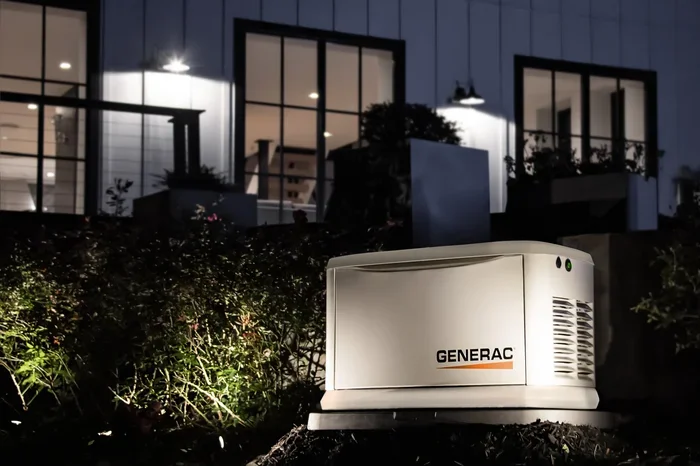
Standby 50 amp generators are permanent installations that automatically kick in when the power goes out. They connect directly to your home’s electrical panel and run on natural gas or propane from your existing utility lines. Standby units are more expensive upfront but offer unmatched convenience. You never need to refuel or start them manually. They simply keep the lights on.
If you are comparing options, you might also consider an electrical generator with a lower amp rating. Smaller generators work well for basic needs, but a 50 amp generator gives you room to grow and handle unexpected demands.
Choosing the right size 50 amp generator starts with understanding your power needs. You need to calculate the total wattage of all the appliances and tools you plan to run simultaneously.
Start by listing your essential loads. A refrigerator typically draws about 700 watts. A sump pump needs around 1,300 watts. A furnace blower uses roughly 600 watts. Add up these numbers to get a baseline. Then factor in surge wattage, which is the extra power needed to start motors like air conditioners and well pumps.
A quick way to estimate is to add up all your running wattages and then add 20 to 30 percent for surges. If your total comes to around 8,000 to 10,000 watts, a 50 amp generator will handle the job comfortably. Going too small risks overloading the unit. Going too large wastes fuel and money.
Here is a simple breakdown of common household loads:
- Refrigerator: 700 watts running, 2,200 watts surge
- Window AC Unit: 1,500 watts running, 4,500 watts surge
- Sump Pump: 1,300 watts running, 2,300 watts surge
- Electric Water Heater: 4,500 watts running
- Microwave: 1,000 watts running
- Lights (10 bulbs): 500 watts running
Fuel type is one of the most important decisions when buying a 50 amp generator. Your choice affects runtime, cost, availability, and environmental impact.
Gasoline is the most common fuel for portable generators. It is easy to find at any gas station and affordable upfront. However, gasoline has a shorter shelf life, typically 3 to 6 months, which means you need to use fuel stabilizers for long-term storage.
Propane burns cleaner than gasoline and has an indefinite shelf life. Many 50 amp generators offer dual-fuel capability, letting you switch between gasoline and propane. This flexibility is a big advantage during emergencies when fuel supply chains can be disrupted.
Natural gas is the cleanest-burning option and ideal for standby generators. Since it connects to your home’s gas line, you never run out as long as the utility keeps flowing. If you live in an area prone to frequent outages, a natural gas 50 amp generator is worth the investment.
If you are curious about fuel consumption, the amount of fuel your generator uses depends on the load and engine efficiency. For detailed information on fuel usage, check out our guide on how much natural gas a generator uses.
Not all generators produce the same quality of electricity. The type of electrical output matters for sensitive electronics like laptops, smartphones, and medical devices.
Conventional generators produce raw AC power that can contain voltage fluctuations and harmonic distortion. This can damage sensitive electronics over time. Inverter generators, on the other hand, produce clean, stable power that is safe for all your devices. Many modern 50 amp generators use inverter technology to deliver consistent electricity.
Clean power is especially important if you plan to run computers, TVs, or medical equipment. Look for a generator with total harmonic distortion (THD) below 3 percent. This ensures your electronics stay safe and perform at their best.
Before you buy, you should understand the electrical components that work with a 50 amp generator. A transfer switch is one of the most important pieces of equipment you can add. It safely connects your generator to your home’s wiring and prevents backfeeding, which can endanger utility workers.
A circuit breaker protects both the generator and your appliances from overloads. A 50 amp generator typically requires a 50 amp breaker or a NEMA 14-50 outlet. Make sure your wiring and outlets match the generator’s output to avoid electrical hazards.
If you want to learn more about testing and evaluating generators before purchase, our generator testing guide provides detailed insights on what to look for and how to compare models effectively.
Maintaining your 50 amp generator is essential for long-term reliability. A well-maintained unit starts easily, runs smoothly, and lasts for thousands of hours.
Change the oil every 50 to 100 hours of operation, or at least once per season. Use the oil type recommended by the manufacturer. Fresh oil keeps the engine lubricated and prevents premature wear.
Replace the air filter every 100 to 200 hours. A clogged air filter reduces airflow and forces the engine to work harder, which wastes fuel and shortens its lifespan. Check the spark plug annually and replace it if you notice fouling or wear.
Fuel management is another critical maintenance step. If you store your generator for long periods, use a fuel stabilizer to prevent gasoline from going stale. Drain the carburetor if the unit will sit unused for months.
Load testing is also important. Run your generator under at least 50 percent load for 30 minutes every few months. This keeps the engine and alternator in good condition and burns off carbon buildup. For a deeper look at this process, refer to our generator testing resource.
Finally, check the battery regularly if your generator has an electric start. A weak battery means a frustrating startup when you need power the most. For information on battery longevity, you might find our article on how long a generator battery lasts helpful.
Safety should always come first when operating any generator. A 50 amp generator produces electricity that can be dangerous if handled improperly.
Never operate a generator indoors or in enclosed spaces. Generators produce carbon monoxide, which is odorless and deadly. Always place the unit outdoors in a well-ventilated area, at least 20 feet from your home, doors, and windows.
Use a transfer switch to connect the generator to your home’s electrical system. Never plug a generator directly into a wall outlet. This practice, known as backfeeding, can energize utility lines and kill workers repairing power lines.
Keep the generator dry and operate it on a dry surface under a canopy or shelter. Wet conditions increase the risk of electrical shock and short circuits.
Store fuel in approved containers away from the generator and any heat sources. Gasoline vapors can ignite easily, so always let the engine cool before refueling.
Following these simple safety rules ensures that your 50 amp generator provides reliable power without putting your family at risk.
The price of a 50 amp generator varies widely based on type, brand, and features. Portable models typically range from $1,000 to $3,000. Standby models can cost anywhere from $3,000 to $8,000 or more, including installation.
When evaluating cost, consider the long-term value. A more expensive standby generator with automatic start and natural gas compatibility may save you money on fuel and hassle over time. A portable unit offers flexibility and lower upfront cost but requires manual operation and fuel management.
Here are a few quick tips to get the best value:
- Compare warranty terms across brands
- Look for models with low-hour engines
- Consider fuel costs over the unit’s lifetime
- Check for local rebate programs for standby generators
- Read user reviews for real-world reliability data
Top brands that consistently deliver quality 50 amp generators include Honda, Generac, Westinghouse, and Champion. Each brand offers a balance of durability, performance, and price that suits different budgets and needs.
Now that you understand the basics, let us look at some practical scenarios where a 50 amp generator shines.
During a power outage, a 50 amp generator can keep your entire household running. Run the refrigerator, freezer, furnace blower, sump pump, and a few lights simultaneously without breaking a sweat. This means no food spoilage, no frozen pipes, and no discomfort for your family.
On a job site, contractors rely on 50 amp generators to power circular saws, compressors, welders, and lighting rigs. The high wattage capacity means fewer extension cords and less risk of tripping breakers.
For RV owners and campers, a 50 amp connection provides the power of a home. Run the air conditioner, microwave, coffee maker, and charge multiple devices all at once. It makes roughing it feel a lot more comfortable.
Even for tailgating and outdoor events, a portable 50 amp generator can power speakers, grills, lights, and popcorn machines for a crowd of 50 or more people.
The versatility of a 50 amp unit makes it a smart investment for anyone who values preparedness and convenience.
Even experienced generator users make mistakes. Here are some common ones to avoid.
Undersizing the generator is the number one mistake people make. They calculate only running wattage and forget about surge wattage. Always add a safety margin of 20 to 30 percent to your total load calculation.
Neglecting maintenance leads to unreliable starts and poor performance. Set calendar reminders for oil changes, filter replacements, and load tests.
Using the wrong extension cords can create fire hazards. Always use heavy-duty, outdoor-rated cords that match the amperage of your generator.
Ignoring fuel freshness can leave you stranded during an emergency. Gasoline goes bad in as little as three months. Add stabilizer and rotate your fuel supply regularly.
Skipping the transfer switch is dangerous and often illegal. Always install a proper transfer switch to protect your home and your utility workers.
Avoiding these mistakes ensures your 50 amp generator stays safe, efficient, and ready when you need it most.
The future of generator technology is exciting. Smart generators with Wi-Fi connectivity let you monitor fuel levels, runtime, and power output from your smartphone. Some models can even detect outages and start automatically before you even notice the power is gone.
Solar-hybrid generators are also emerging as a greener alternative. These systems combine a 50 amp generator with solar panels and battery storage, reducing fuel consumption and emissions. While still niche, hybrid technology is gaining traction among eco-conscious homeowners.
As fuel efficiency standards tighten and battery technology improves, we can expect even cleaner and quieter generator options in the coming years.
A 50 amp generator is a powerful and practical investment for anyone who needs reliable backup power or portable electricity. From keeping your home comfortable during outages to powering heavy equipment on job sites, a 50 amp unit delivers the performance and flexibility you need.
Take the time to size your generator correctly, choose the right fuel type, and commit to regular maintenance. Follow safety guidelines and invest in a transfer switch. These steps ensure your generator runs safely and efficiently for many years to come.
Whether you choose a portable unit for flexibility or a standby system for automatic convenience, a 50 amp generator gives you peace of mind. Power outages, storms, and remote work locations no longer need to disrupt your life. With the right machine, you stay powered up no matter what comes your way.
Key Takeaways
- Power Capacity: A 50 amp generator provides up to 12,000 watts, enough to run most household appliances and heavy-duty tools.
- Fuel Options: Choose from gasoline, propane, natural gas, or dual-fuel models depending on your needs and budget.
- Sizing Matters: Match your generator’s output to your actual electrical load to avoid overloads and wasted fuel.
- Maintenance Is Key: Regular oil changes, filter replacements, and load testing keep your unit running reliably for years.
- Safety First: Always use a transfer switch, place generators outdoors, and follow manufacturer guidelines to prevent carbon monoxide risks.
- Top Brands: Honda, Generac, Westinghouse, and Champion consistently rank among the most reliable 50 amp generator manufacturers.
Frequently Asked Questions
What can a 50 amp generator power?
A 50 amp generator can power most household appliances simultaneously, including the refrigerator, furnace blower, sump pump, lights, microwave, and even a window air conditioner. It delivers up to 12,000 watts, which is enough to keep a typical home running comfortably during an outage.
How long does a 50 amp generator run on a tank of gas?
Runtime varies by model and load. Most portable 50 amp generators run between 8 and 15 hours on a full tank at 50 percent load. Standby models connected to natural gas or propane lines can run continuously for days without refueling.
Do I need a transfer switch for a 50 amp generator?
Yes, a transfer switch is essential for safe operation. It prevents backfeeding into utility lines and protects your home’s electrical system. A licensed electrician should install the transfer switch to ensure it meets local building codes and safety standards.
Can I use a 50 amp generator to power my RV?
Absolutely. Many RV parks offer 50 amp hookups, and a portable 50 amp generator can power all your RV’s systems, including the air conditioner, microwave, and charging stations. Just make sure the generator’s output matches the RV’s electrical requirements.
What is the difference between a 30 amp and 50 amp generator?
A 30 amp generator produces around 7,500 watts, while a 50 amp generator produces up to 12,000 watts. The 50 amp unit can handle more appliances and heavier loads, making it a better choice for full-house backup power or running multiple power tools at once.
How often should I maintain my 50 amp generator?
Change the oil every 50 to 100 hours of use, replace the air filter every 100 to 200 hours, and inspect the spark plug annually. Run the unit under load for at least 30 minutes every few months to keep the engine and alternator in good condition.