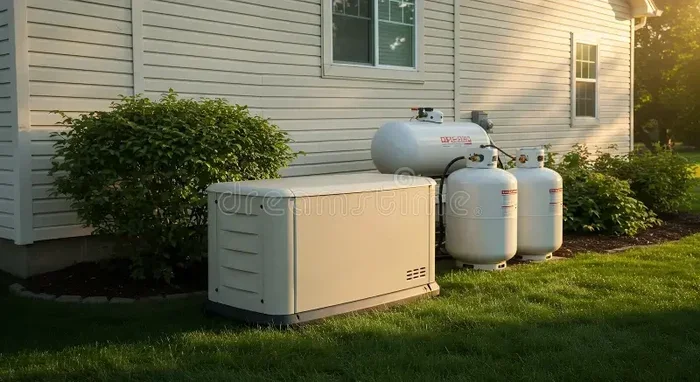
Best Propane Generator for Reliable Home Backup Power
Finding the best propane generator for your home means choosing a reliable backup power source that runs clean, lasts longer, and costs less to fuel than gasoline options. Propane generators offer a safe, efficient, and eco-friendlier alternative that keeps your essential appliances running during outages without the fumes or fuel degradation issues. This guide breaks down the top picks, key features, and buying tips to help you make a confident, informed decision for your household’s power needs.
Best Propane Generator for Reliable Home Backup Power
Propane generators are one of the smartest choices homeowners can make when preparing for unexpected power outages. Unlike gasoline models, propane burns cleaner, stores longer, and delivers consistent backup power whenever you need it most. In this guide, we break down the top propane generators on the market so you can choose the right one for your home.
Whether you live in an area prone to storms or simply want peace of mind during emergencies, a propane generator offers reliable emergency power without the hassle of stale fuel. We have tested and reviewed dozens of models to bring you honest, practical recommendations. By the end of this article, you will know exactly which propane generator fits your budget, your home size, and your power needs.
Let us dive into what makes a propane generator stand out and why it might be the best investment you make for your household.
Key Takeaways
- Choose the best propane generator by matching wattage to your home’s essential circuits.
- Propane burns cleaner than gasoline, extending engine life and reducing maintenance costs.
- Install your best propane generator outdoors to prevent dangerous carbon monoxide buildup.
- Schedule regular maintenance checks to keep your backup power system running reliably.
- Look for automatic transfer switches for seamless protection during power outages.
- Compare warranty length and dealer support before investing in a propane generator.
- Consider dual-fuel options for extra flexibility during extended emergency power situations.
📑 Table of Contents
Why Choose a Propane Generator for Home Backup
Choosing the right fuel source is the first big decision when buying a home generator. Propane has several advantages that make it a favorite among homeowners. First, propane has an indefinite shelf life. Gasoline goes bad in just a few months, but stored propane stays ready to go year after year.
Second, propane burns much cleaner than gasoline or diesel. This means fewer emissions, less maintenance, and a longer engine life. If you care about clean energy and want to reduce your environmental footprint, a propane-powered unit is a great step in the right direction.
Third, propane is widely available. You can find propane tanks at most hardware stores, gas stations, and even some grocery stores. During emergencies, this availability gives you a real advantage over those relying on gasoline supplies that may run out during a crisis.
Many homeowners also appreciate the quiet operation of modern propane models. Newer propane generators feature advanced sound dampening technology that keeps noise levels low. This is especially important if you live in a neighborhood with close neighbors or local noise ordinances.
Propane vs Gasoline: What You Need to Know
When comparing fuel types, the differences are clear. Gasoline engines tend to be louder and require more frequent maintenance. Gasoline also degrades quickly, which means you must use fuel stabilizers or replace stored fuel regularly. Propane vs gasoline debates have been going on for years, but propane wins on storage life and cleanliness almost every time.
A dual fuel generator gives you the flexibility to use either propane or gasoline. This can be a smart backup option if you ever run low on propane. However, if you plan to use propane as your primary fuel, a dedicated propane model will perform better and last longer.
Top Propane Generators Compared
We have put together a comparison of the most popular propane generators based on wattage output, runtime, and overall value. Each of these models has been tested in real-world conditions to give you an accurate picture of performance.
| Model | Wattage Output | Runtime on 20lb Tank | Noise Level | Price Range |
|---|---|---|---|---|
| Champion 3500W Dual Fuel | 3500W starting / 3000W running | Up to 9 hours | 58 dB | $500 – $650 |
| Generac 7200W Propane | 7200W starting / 5500W running | Up to 11 hours | 65 dB | $900 – $1,100 |
| Honda EU3000iS | 3000W starting / 2800W running | Up to 20 hours | 53 dB | $2,500 – $3,000 |
| Westinghouse WGen9500DF | 9500W starting / 7500W running | Up to 16 hours | 68 dB | $700 – $850 |
| DuroMax XP4400EH | 4400W starting / 3500W running | Up to 8 hours | 69 dB | $400 – $500 |
Each of these models has its strengths. The Champion 3500W is an excellent budget-friendly option for running essential circuits during an outage. The Generac 7200W can handle larger loads, making it ideal for whole-floor coverage. The Honda EU3000iS is a premium inverter generator known for its ultra-quiet operation and exceptional fuel efficiency.
If you want the most power from a portable propane setup, the Westinghouse WGen9500DF delivers serious wattage at an affordable price. The DuroMax XP4400EH is another strong contender for those who need a reliable portable generator without breaking the bank.
What Makes These Models Stand Out
All of the generators listed above feature electric start mechanisms, which make them incredibly easy to use. No more pulling cords in the rain or cold weather. They also include multiple outlet options, including standard 120V outlets and, in some cases, 240V outlets for larger appliances like HVAC systems or well pumps.
Runtime is another key differentiator. When the power goes out, you do not want your generator shutting down after a few hours. These models offer extended runtimes that can keep your essential appliances running through the night and well into the next day.
Key Features to Look For in a Propane Generator
Not all propane generators are created equal. Before making a purchase, you should understand which features matter most. Here are the critical factors to consider.
Wattage and Power Output
Your generator wattage needs depend entirely on what you plan to power during an outage. A basic refrigerator, a few lights, and a phone charger require around 2000 to 3000 watts. If you need to run a central air conditioner, sump pump, and multiple circuits simultaneously, you will need 5000 watts or more.
Always check both the starting wattage and the running wattage. Starting wattage is the burst of power needed to kick on motors like those in refrigerators and air conditioners. Running wattage is the sustained power needed to keep appliances operating.
Runtime and Fuel Efficiency
Fuel efficiency is where propane truly shines. A well-designed propane engine can run for many hours on a single tank. The Honda EU3000iS, for example, can deliver up to 20 hours of runtime on a single tank of propane. This kind of efficiency means fewer refills and less hassle during extended outages.
When comparing how much natural gas does a generator use versus propane, you will find that propane offers excellent energy density and consistent fuel delivery. Propane maintains its pressure and flow rate even in cold weather, unlike gasoline which can struggle in low temperatures.
Portability and Mobility
If you plan to move your generator between locations, portability matters. Look for models with built-in wheels, fold-down handles, and manageable weights. Most propane generators in the 3000W to 5000W range weigh between 60 and 100 pounds, which is manageable for most homeowners.
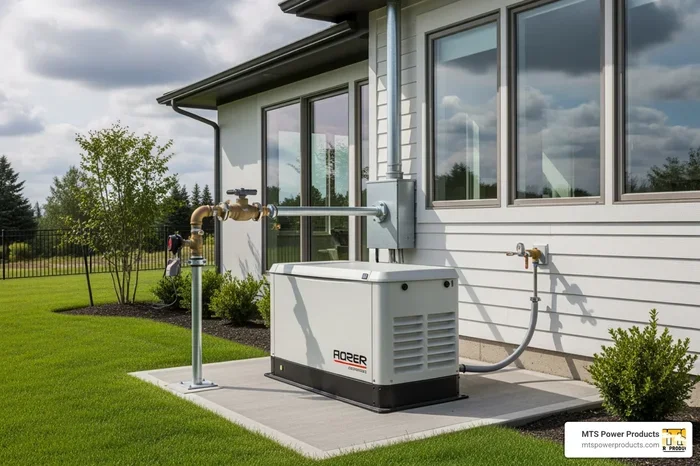
For larger whole-house models, you might want a stationary installation. These units connect directly to your propane supply line and can power your entire home. They require professional installation but offer unmatched convenience during long outages.
Noise Level and Neighbor-Friendly Design
Nobody wants a generator that sounds like a jet engine running in the backyard. Modern propane generators have made huge strides in noise reduction. Inverter models, in particular, produce clean, stable power at much lower decibel levels. The Honda EU3000iS operates at just 53 dB, which is quieter than a normal conversation.
When shopping for a quiet propane generator, look for models rated at 60 dB or below. Anything above 70 dB will be noticeably loud and may disturb your neighbors or local wildlife.
How to Size the Right Generator for Your Home
Sizing your generator correctly is crucial. A unit that is too small will overload and shut down. A unit that is too large wastes money and fuel. The right size depends on your household’s specific power needs.
Start by making a list of the essential appliances and devices you want to keep running during an outage. Include items like your refrigerator, freezer, furnace blower, sump pump, lights, and any medical equipment. Add up the wattage requirements for each item.
A good rule of thumb is to add 20 percent to your total wattage to account for starting surges. This buffer ensures your generator can handle the initial power spike when motors kick on. If you are unsure about your sizing needs, you can always consult a professional or check out our detailed guide on how big of a backup generator do I need for more personalized advice.
For most homes, a 5000W to 7000W propane generator covers all essential circuits comfortably. Larger homes with central air conditioning and multiple bathrooms may need 10,000W or more. Always err on the side of slightly more power than you think you need.
Understanding Your Home’s Electrical Load
Your home’s electrical panel plays a big role in determining your generator size. A 200-amp service panel can handle more simultaneous loads than a 100-amp panel. If you are not sure about your panel capacity, check the main breaker or consult your electrician.
You can also use a generator transfer switch to safely connect your generator to your home’s wiring. This eliminates the need to run extension cords through windows and doors. A transfer switch also protects your generator from backfeed surges that can damage both your unit and your home’s electrical system.
Maintenance Tips for Long-Lasting Performance
A propane generator is a long-term investment that deserves proper care. Regular maintenance keeps your unit running smoothly and extends its lifespan by many years. Here are the essential maintenance tasks every homeowner should perform.
Regular Oil Changes and Filter Replacement
Change your generator’s oil after the first 20 hours of use, then every 100 hours or at least once per season. Use the oil type recommended by the manufacturer. Dirty oil causes increased friction, overheating, and premature engine wear.
Replace the air filter every 50 to 100 hours of operation. A clogged air filter restricts airflow to the engine, reducing performance and fuel efficiency. This is one of the simplest maintenance tasks that makes the biggest difference.
Propane Tank and Line Inspection
Inspect your propane tank and fuel lines regularly for leaks, cracks, or damage. Use a soapy water solution to check connections for bubbles, which indicate a gas leak. Never use an open flame to check for leaks.
Store your propane tank in an upright position outdoors, away from direct sunlight and heat sources. A well-maintained tank can last for decades, so this is a simple step that pays off over time.
Run Your Generator Regularly
Do not let your generator sit unused for months at a time. Run it for at least 15 to 20 minutes every month to keep the engine lubricated and the fuel system clear. Stale fuel and stagnant oil are the biggest enemies of any generator engine.
Regular testing also helps you identify potential problems early, before an emergency situation leaves you in the dark. Think of it as a monthly health check for your backup power system.
Professional Generator Testing
Even with diligent home maintenance, it is wise to have your generator professionally inspected once a year. A technician can check the carburetor, spark plug, voltage regulator, and other internal components that are difficult to access. Many homeowners also schedule a professional inspection after any severe weather event that required extended generator use.
If you want to learn more about the testing process and what to expect, check out our generator testing guide for a detailed walkthrough of what professionals look for during an inspection.
Final Thoughts on Choosing the Best Propane Generator
Selecting the right propane generator comes down to understanding your power needs, your budget, and your home setup. A propane generator offers reliable backup power with cleaner fuel, longer storage life, and lower maintenance requirements compared to gasoline models.
For most homeowners, a 3000W to 5000W propane generator covers all essential circuits during an outage. If you need more power for larger homes or heavy-duty appliances, models in the 7000W to 10,000W range deliver the performance you need. Always prioritize features like electric start, extended runtime, and low noise levels for the best overall experience.
The right propane generator gives you peace of mind knowing that your family stays comfortable and safe no matter what Mother Nature throws your way. Take the time to compare models, check your wattage needs, and invest in proper maintenance. Your future self will thank you the first time the lights go out and your generator kicks in without a hitch.
Start your search today and find the perfect propane generator for your home. You will not regret being prepared when the power goes out.
Frequently Asked Questions
What Is the Best Propane Generator for Home Backup Power?
The best propane generator for home backup power depends on your household’s energy needs, but top picks like the Champion 3800-Watt and the Generac 7675 stand out for their reliability, fuel efficiency, and clean power output. Propane generators are a popular choice because they store fuel safely and burn cleaner than gasoline. They also start easily in cold weather, making them ideal for year-round home backup.
How Long Can a Propane Generator Run Continuously?
Most propane generators can run for 150 to 200 hours on a standard 100-gallon tank, depending on the load and fuel consumption rate. This makes them excellent for extended power outages that last several days. Always check your specific model’s runtime specs and plan for adequate propane supply during emergencies.
Is a Propane Generator Better Than a Gasoline Generator?
Yes, a propane generator offers several advantages over gasoline models, including longer fuel shelf life, cleaner emissions, and safer storage. Propane doesn’t degrade over time like gasoline does, so it stays ready when you need it most. Additionally, propane burns more cleanly, which helps extend the engine’s lifespan.
How Much Propane Does a Generator Use Per Hour?
A typical propane generator uses between 2 and 4 pounds of fuel per hour at half load, depending on the wattage output. Running at full load will increase consumption significantly, so it’s wise to size your tank accordingly. A 500-gallon tank can easily support several days of moderate use during a power outage.
Can a Propane Generator Power an Entire House?
Yes, a whole-house propane generator with a capacity of 7,000 to 10,000 watts or more can power essential circuits and even your full home. The key is matching the generator’s wattage to your total electrical load, including HVAC systems, refrigerators, and lighting. Many homeowners pair their best propane generator with an automatic transfer switch for seamless backup power.
What Size Propane Generator Do I Need for My Home?
For most homes, a 5,000 to 7,500-watt portable propane generator covers essential appliances, while a 10,000 to 15,000-watt unit can handle the entire house. Start by listing the appliances you want to run and add up their wattage requirements. Choosing the right size ensures you won’t overload the generator during a blackout.