Best 30 Amp RV Generator for Camping and Road Trips
Finding the right 30 amp RV generator can make or break your camping experience. A quality generator provides clean power for your AC, fridge, and devices while keeping things quiet and fuel-efficient on the road.
Key Takeaways
- Right wattage matters: A 30 amp RV generator needs to deliver at least 3,000-3,600 running watts to handle common appliances safely.
- Noise level is critical: Look for generators under 60 decibels to keep your campsite peaceful and neighbor-friendly.
- Fuel type affects runtime: Gasoline, propane, and dual-fuel options each offer different benefits for camping trips.
- Portability counts: A lightweight, carry-friendly design makes a huge difference when hauling gear to your site.
- Parallel capability adds flexibility: Some generators can link together for double the power when you need it most.
- Inverter technology ensures clean power: Inverter generators protect sensitive electronics like laptops and phones from power surges.
📑 Table of Contents
- Why a 30 Amp RV Generator Is a Game-Changer for Campers
- Understanding 30 Amp RV Power Needs
- Types of Generators for 30 Amp RVs
- Top Features to Look For in a 30 Amp RV Generator
- Best 30 Amp RV Generators for Every Budget
- Generator Maintenance Tips for Longevity
- Common Mistakes When Using a 30 Amp RV Generator
- Expert Insights on Choosing the Right Generator
- Quick Tips for Maximizing Generator Efficiency
- Conclusion
Why a 30 Amp RV Generator Is a Game-Changer for Campers
There is nothing quite like pulling into a campsite and firing up the air conditioner after a long drive. But here is the thing. Not every campground offers shore power. That is where a solid 30 amp RV generator steps in and saves the day.
A good generator gives you independence. You are not tied to a pedestal. You can camp in remote spots and still run your fridge, lights, fans, and even your microwave. The key is picking the right one for your rig and your lifestyle.
In this guide, we break down everything you need to know. From wattage requirements to fuel efficiency and noise levels, we have you covered. Let us find the perfect portable power solution for your next adventure.
Understanding 30 Amp RV Power Needs
Before shopping for a generator, you need to understand what 30 amp power actually means for your RV. Most modern RVs come with a 30 amp electrical system. This setup can handle a specific amount of load before the breaker trips.
How Many Watts Does a 30 Amp System Use?
A 30 amp system at 120 volts gives you 3,600 watts total. But you rarely use all of it at once. Your air conditioner typically pulls around 1,200 to 1,500 watts. Your refrigerator uses about 100 to 800 watts depending on the type. Add in lighting, fans, and charging stations, and you start to see the full picture.
For a 30 amp RV generator, you want at least 3,000 running watts. This gives you enough headroom to run multiple appliances without tripping the breaker. Always check your RV owner manual for your specific power draw numbers.
Common Appliances and Their Power Draw
- Air conditioner: 1,200 to 1,500 watts
- Refrigerator: 100 to 800 watts
- Microwave: 600 to 1,200 watts
- TV: 100 to 400 watts
- Laptop charger: 50 to 100 watts
- Ceiling fan: 50 to 100 watts
As you can see, running a microwave alongside your AC and fridge is tough on a 30 amp system. Plan your power usage wisely and stagger high-draw appliances when possible.
Types of Generators for 30 Amp RVs
Not all generators are the same. Each type brings different strengths to the table. Your choice depends on budget, noise tolerance, and how much power you actually need.
Conventional Generators
Traditional generators run at a constant speed to produce power. They are affordable and widely available. These units often deliver high wattage for lower prices. However, they tend to be louder and less fuel-efficient.
Conventional generators work well for basic RV needs. If you mainly charge devices and run a fridge, one of these gets the job done. Just expect more noise and more fuel consumption.
Inverter Generators
Inverter generators are the go-to choice for most RV owners. They produce clean power that is safe for sensitive electronics. These units adjust their engine speed based on the load, which saves fuel and reduces noise.
Most inverter generators run between 50 and 65 decibels. That is roughly the volume of a normal conversation. This makes them ideal for campgrounds where noise matters. They cost more upfront but pay off in fuel savings and quiet operation.
Dual-Fuel Generators
Dual-fuel units give you the option to run on gasoline or propane. This is a great backup strategy for long trips. Propane burns cleaner and stores indefinitely. Gasoline is easier to find at gas stations and often provides more power.
Having both fuel options gives you flexibility. You can carry extra propane tanks without worrying about spills or storage issues. For remote camping, this dual option is a real lifesaver.
Top Features to Look For in a 30 Amp RV Generator
Shopping for the right unit can feel overwhelming. Focus on these key features to narrow your search quickly and make a smart choice.
Wattage and Power Output
Always match your generator output to your RV electrical system. A 30 amp RV generator should provide at least 3,000 running watts. Peak or surge wattage should reach around 3,500 to 4,000 watts. This extra headroom handles startup surges from appliances like AC units and fridges.
Check the rated watts, not just the peak watts. Rated watts tell you what the generator can sustain over time. Peak watts only last a few seconds. Both numbers matter, but the rated watts matter more for daily use.
Noise Level
Noise can ruin the camping experience. Nobody wants to be the campsite neighbor blasting noise all night. Look for generators rated at 60 decibels or lower. Some premium units run as quiet as 50 decibels.
For comparison, a standard conventional generator often hits 75 to 85 decibels. That is like standing next to a busy road. An inverter generator at 55 decibels sounds like a quiet library. The difference is night and day.
Weight and Portability
You will likely move your generator often. A unit that weighs 50 to 60 pounds is easy to carry with a built-in handle. Some heavier models exceed 100 pounds and need a mounting setup or two-person carry.
Look for compact designs that fit in an RV storage compartment. Models with telescoping handles and pneumatic tires make transport much easier. Every little detail adds convenience over the life of the unit.
Fuel Tank Size and Runtime
A larger fuel tank means fewer refueling stops. At half load, a good generator should run 8 to 12 hours on a single tank. This covers a full night of camping without interruption.
Some units feature a fuel gauge so you can track consumption easily. Others require you to estimate based on tank size and load. Built-in fuel gauges are a nice bonus that saves guesswork.
Parallel Capability
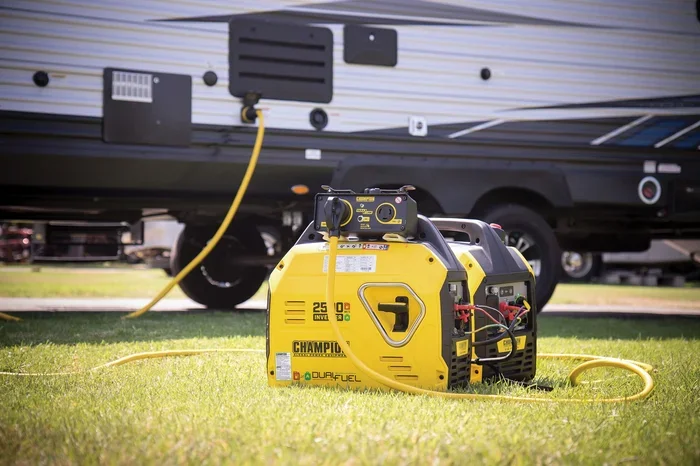
Parallel capability lets you connect two identical generators for double the output. This is perfect when you need extra power for high-draw appliances. You run both units in sync and share the load evenly.
Not every generator supports this feature. But if you plan to run two AC units or a large microwave regularly, parallel mode is a game-changer. Check compatibility before purchasing and only pair matching units.
Best 30 Amp RV Generators for Every Budget
Here are some top picks across different price ranges. These recommendations are based on performance, reliability, noise levels, and overall value for RV campers.
Budget Pick: Lightweight and Affordable
For those watching their wallet, there are solid generators under $500. These units deliver around 2,800 to 3,000 running watts. They run on standard gasoline and offer basic features. Noise levels hover around 65 decibels, which is acceptable for most campgrounds.
Budget models work well for car camping and short trips. They handle phone charging, LED lights, and small fans easily. Just expect less fuel efficiency and a louder operation compared to premium units.
Mid-Range Pick: The Sweet Spot
Most RV owners find their perfect match in the $500 to $900 range. These portable RV generators offer inverter technology, 3,000 to 3,600 running watts, and noise levels around 55 to 60 decibels. Runtime on a single tank reaches 10 to 14 hours at 25 percent load.
This category includes dual-fuel models that run on gasoline or propane. Parallel capability is common here. You get clean power, solid build quality, and great fuel economy. It is the best overall value for regular campers.
Premium Pick: Quiet Power and Maximum Features
Top-tier generators cost $1,000 or more. These units whisper at 50 decibels or less. They deliver 3,600+ running watts with ultra-stable power output. Premium models feature LED screens showing fuel level, runtime, and power usage.
Build quality is exceptional. Engines last longer and require less maintenance. If you camp frequently or live the full-time RV lifestyle, investing in a premium unit pays for itself in reliability and peace of mind.
Generator Maintenance Tips for Longevity
A well-maintained generator lasts for years. Neglect leads to breakdowns at the worst possible times. Follow these simple tips to keep your unit running strong.
Change the Oil Regularly
Oil lubricates the engine and prevents overheating. Most manufacturers recommend changing oil after the first 20 hours of use. After that, change it every 100 hours or at least once per season. Always use the oil type specified in your owner manual.
Replace Air and Fuel Filters
Clogged filters starve the engine of clean air and fuel. Replace them at the start of each camping season. If you use your generator frequently, check filters every 50 hours. Clean or replace them as needed to maintain optimal performance.
Store Fuel Properly
Stale fuel causes starting problems and engine damage. Use fuel stabilizer if you store the generator for more than 30 days. Drain the fuel tank and carburetor before long-term storage. Fresh fuel ensures reliable starts every single time.
Run Your Generator Monthly
Even if you do not camp every month, start your generator and let it run for 15 minutes. This keeps the engine lubricated and prevents fuel system buildup. It also reveals small issues before they become big problems on a trip.
Common Mistakes When Using a 30 Amp RV Generator
Even experienced campers make avoidable mistakes with their generators. Here are a few pitfalls to watch out for.
Overloading the System
Plugging in too many high-draw appliances at once will trip your breaker. Do not run the microwave, AC, and hairdryer simultaneously. Spread out your power usage throughout the day to stay within limits.
Ignoring Voltage Requirements
Always match your generator plug to your RV inlet. A 30 amp plug has three prongs. Forcing a 50 amp adapter onto a 30 amp generator creates safety hazards. Verify compatibility every time you connect power.
Running the Generator in Enclosed Spaces
Never operate a generator inside your RV, tent, or closed vehicle. Exhaust fumes contain carbon monoxide, which is deadly. Always place the unit outdoors at least 20 feet away from windows and vents. Position it downwind from your sleeping area.
Skipping Surge Protection
Power surges can fry your RV electronics. Use a surge protector designed for RV generators. This inexpensive device protects your investment and prevents costly repair bills down the road.
Forgetting to Turn Off the Generator Before Hooking Up Shore Power
Switching between generator and shore power without turning off the unit can cause electrical damage. Always kill the generator before plugging into a campground pedestal. This simple habit protects your RV electrical system.
Expert Insights on Choosing the Right Generator
Experienced RVers agree on a few core principles when it comes to portable power. Here is what the experts want you to know.
First, always test your generator before a trip. Run it at home, check for unusual sounds, and verify the power output. Second, invest in a quality extension cord rated for outdoor use. A cheap cord loses power over distance and creates heat buildup. Third, consider your camping style. If you mostly stay at established campgrounds with power, a generator is a backup. If you boondock frequently, your generator becomes your primary power source and deserves a bigger investment.
Quick Tips for Maximizing Generator Efficiency
- Turn off unused appliances to reduce overall load.
- Use LED lighting instead of incandescent bulbs to save watts.
- Run your AC on a lower setting to cut power draw significantly.
- Keep the generator clean and free of dust and debris.
- Use a fuel stabilizer for any gasoline stored longer than 30 days.
- Turn off the generator during the day if you are not using power.
Conclusion
Choosing the right 30 amp RV generator comes down to matching your power needs, noise preferences, and budget. A reliable unit gives you the freedom to camp anywhere while keeping your essential appliances running smoothly. Focus on wattage, noise level, fuel type, and portability when shopping. Maintain your generator regularly and avoid common usage mistakes. With the right setup, you will enjoy clean, quiet power on every camping trip and road adventure. Take the time to research, compare models, and invest in quality. Your future self will thank you every time you flip that switch at a remote campsite.
Frequently Asked Questions
What can a 30 amp generator run in an RV?
A 30 amp generator can easily run your air conditioner, refrigerator, lights, fans, TV, and device chargers. It handles most daily camping needs comfortably. Just avoid running multiple high-draw appliances like a microwave and AC at the same time.
Is 3000 watts enough for a 30 amp RV?
Yes, 3,000 running watts is the minimum recommended output for a 30 amp RV system. This provides enough power for common appliances with some headroom. Look for units with 3,500 to 3,600 peak watts for better performance during startup surges.
How loud is a typical 30 amp RV generator?
Inverter generators usually run between 50 and 65 decibels, which is comparable to a normal conversation. Conventional generators are louder, often reaching 75 to 85 decibels. Choosing an inverter model keeps your campsite peaceful and neighbor-friendly.
Can I use a 30 amp generator with a 50 amp RV?
Yes, you can use a 30 amp generator with a 50 amp RV using a proper adapter. However, you will be limited to the generator’s 30 amp capacity. You must still manage your power usage carefully to avoid tripping the breaker.
How long will a 30 amp generator run on a tank of gas?
Most generators run 8 to 14 hours on a full tank at half load. Runtime depends on the fuel tank size and your power consumption. Inverter models are more fuel-efficient because they adjust engine speed based on demand.
What is the difference between a conventional and inverter generator?
Conventional generators run at a constant speed and produce raw power. Inverter generators adjust speed to match the load, delivering cleaner and more stable electricity. Inverter units are quieter, more fuel-efficient, and safer for sensitive electronics like laptops and phones.