Best Generator for Home Backup Power You Can Trust
Finding the best generator for home backup power starts with understanding your home’s energy needs, fuel type preferences, and budget. Whether you choose a portable generator or a standby generator, the right unit keeps your lights on, appliances running, and family safe during unexpected outages. In this guide, we break down the top-rated options so you can make a confident, informed decision.
Key Takeaways
- Choose wisely: The best generator for home backup power depends on your energy needs and budget.
- Match the type: Portable generators suit small homes, while standby generators provide whole-house protection reliably.
- Calculate wattage first: Always add up total wattage before purchasing to avoid underpowered systems.
- Pick the right fuel: Propane and natural gas models offer longer run times than gasoline units.
- Maintain regularly: Routine upkeep keeps your home generator running smoothly during emergencies and outages.
- Install a transfer switch: A transfer switch ensures safe, automatic backup power during blackouts.
📑 Table of Contents
- Why Every Home Needs a Backup Power Source
- Types of Generators for Home Backup Power
- Top Features to Look for in the Best Generator for Home Backup Power
- How to Size Your Home Generator Correctly
- Our Top Picks for the Best Generator for Home Backup Power
- Generator Maintenance Tips for Long-Lasting Performance
- Final Thoughts on Finding the Best Generator for Home Backup Power
Why Every Home Needs a Backup Power Source
Power outages are more common than most people think. Storms, grid failures, and equipment breakdowns can leave your home in the dark within minutes. When the lights go out, your refrigerator stops working, your security system goes offline, and your family is left uncomfortable and unsure. That is exactly why finding the best generator for home backup power is such an important decision.
A reliable backup power source keeps your household running smoothly, even when the main grid fails. It protects your electronics, keeps your food fresh, and gives you peace of mind during emergencies. But not all generators are created equal. Choosing the wrong one can mean wasted money, noisy operation, or worse, not enough power when you need it most.
In this guide, we will walk you through everything you need to know. We will cover the different types of generators, the key features to look for, and how to size your system correctly. By the end, you will feel confident picking the best generator for home backup power that fits your home, your budget, and your lifestyle.
Whether you have experienced a long blackout or you are just preparing for the future, this guide has you covered. Let us get started.
Types of Generators for Home Backup Power
Not all generators work the same way. Each type has its own strengths and weaknesses. Understanding the differences helps you make a smart choice. Here is a breakdown of the most popular options for home backup power.
Portable Generators
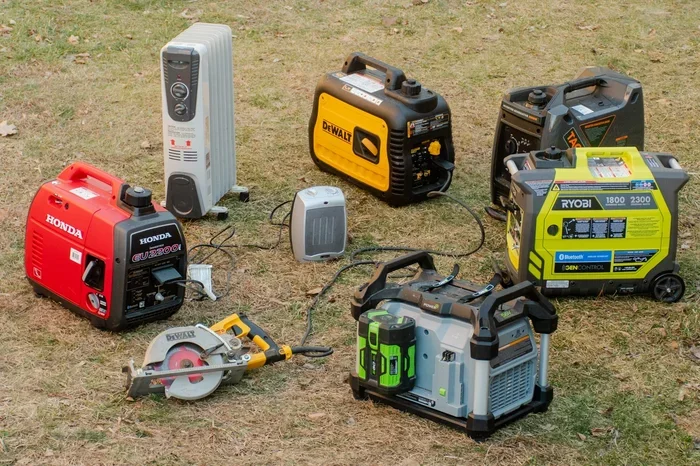
Portable generators are small, movable units that run on gasoline or propane. They are great for short-term use and smaller power needs. You can store them easily and fire them up when needed. However, they usually produce limited wattage and need manual setup every time there is an outage.
These units work well for camping, outdoor events, or powering a few essential appliances. But if you want to run your entire home during a long blackout, a portable unit may fall short. They also tend to run louder than other options.
Standby Generators
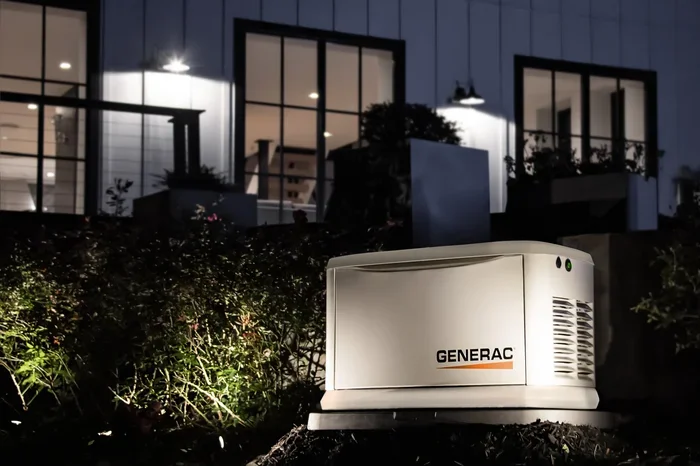
A standby generator is a permanent installation that activates automatically when the power goes out. These systems run on natural gas or propane and can power your whole house without any effort from you. They are the gold standard for home emergency power.
Standby units connect to your home through an automatic transfer switch. When the grid fails, the switch detects the loss and starts the generator within seconds. You barely notice the outage. The main downside is the higher upfront cost and the need for professional generator installation.
Inverter Generators
Inverter generators produce clean, stable power that is safe for sensitive electronics like laptops and phones. They are quiet, fuel-efficient, and lightweight. However, they typically offer lower wattage output, making them better for individual use rather than whole-home backup.
Diesel and Propane Generators
Some homeowners prefer propane generators or diesel generators for their long runtime and fuel availability. Propane burns clean and stores indefinitely. Diesel units are tough and fuel-efficient but can be noisy. Your choice often depends on local fuel access and personal preference.
| Generator Type | Best For | Fuel Source | Auto Start | Noise Level |
|---|---|---|---|---|
| Portable | Small appliances, outdoor use | Gasoline, Propane | No | Moderate to High |
| Standby | Whole-home backup | Natural Gas, Propane | Yes | Low to Moderate |
| Inverter | Electronics, camping | Gasoline, Propane | No | Low |
| Diesel | Long runtime, heavy loads | Diesel Fuel | Optional | High |
Top Features to Look for in the Best Generator for Home Backup Power
Shopping for a backup power system can feel overwhelming. Every brand promises great performance. But a few key features separate a good generator from a great one. Here is what to focus on.
Wattage Capacity
Wattage capacity is the single most important factor. You need enough power to run your essential circuits during an outage. Think about your refrigerator, HVAC system, lights, sump pump, and any medical equipment. Add up the running watts and account for surge watts on startup.
As a rule of thumb, a whole-house generator needs at least 15,000 to 22,000 watts for most average homes. If you only want to power a few essentials, a portable unit with 3,000 to 5,000 watts may be enough. Always calculate your electrical load before buying.
Automatic Transfer Switch
An automatic transfer switch (ATS) is a must-have for standby generators. It senses a power loss and switches your home over to generator power automatically. Without it, you have to start and connect the generator manually, which is inconvenient and sometimes unsafe.
Fuel Efficiency and Runtime
Nobody wants to refuel every two hours. Look for a generator with strong fuel efficiency and long generator runtime. Many modern units can run for 24 to 48 hours on a single tank. Generator fuel type matters too. Natural gas is convenient if your home already has it piped in.
If you are curious about consumption rates, you can check resources like how much natural gas a generator uses to plan your fuel budget more accurately. Understanding these costs helps you choose a system that stays affordable over time.
Noise Level
Nobody enjoys a loud machine running for hours. Look for units with low decibel ratings. Inverter generators tend to be the quietest. Standby generators are also relatively quiet because they are enclosed and installed at a distance from living spaces.
Surge Protection and Clean Power
Your generator should deliver clean power with built-in surge protection. Dirty power can damage sensitive electronics. Look for units with THD (Total Harmonic Distortion) ratings below 5% for safe operation of TVs, computers, and medical devices.
Quick Tips:
- Always calculate your total wattage needs before purchasing.
- Prioritize units with an automatic transfer switch for convenience.
- Check the decibel rating if noise is a concern for your neighborhood.
- Choose a fuel type that is easy to access and store safely.
- Look for warranties of at least 3 to 5 years for added protection.
How to Size Your Home Generator Correctly
Sizing a generator correctly prevents frustrating surprises during an actual outage. Too small and you will overload it. Too large and you waste money on fuel and installation. Here is how to get it right.
Step 1: List Your Essential Appliances
Walk through your home and write down every appliance you want to keep running. Focus on essentials like refrigeration, lighting, heating or cooling, and any medical devices. Check the label or manual for wattage information.
Step 2: Calculate Total Watts
Add up the running watts for all your chosen appliances. Then check if any appliances have a higher startup surge. For example, an air conditioner or sump pump may need two to three times its running watts to start. This is your electrical load calculation.
Step 3: Add a Buffer
Always add a 10 to 20 percent buffer to your total. This gives your generator room to breathe and prevents it from running at full capacity all the time. Running at maximum capacity shortens the unit’s lifespan and reduces generator runtime.
Step 4: Consult a Professional
If you are unsure, consult an electrician. They can perform a load test and recommend the right size. Proper generator installation also ensures safety and code compliance. For more guidance on choosing the right size, check out this helpful resource on how big of a backup generator you need to match your home’s specific requirements.
Common Mistakes to Avoid:
- Underestimating your power needs by forgetting important appliances.
- Ignoring startup surge watts on motors and compressors.
- Buying based on price alone without checking capacity specs.
- Skipping professional installation for standby units.
Our Top Picks for the Best Generator for Home Backup Power
Now let us look at some strong contenders for the best generator for home backup power in 2024. These picks balance performance, reliability, and value.
Best Overall Standby Generator
For whole-home protection, a natural gas standby unit offers unmatched reliability. These systems power everything from your kitchen to your security system without breaking a sweat. They start automatically, run quietly, and connect directly to your home’s gas line. The upfront cost is higher, but the convenience and peace of mind are worth every penny.
Best Portable Generator for Essentials
If your budget is tight or you only need to power a few items, a quality portable generator gets the job done. Look for models with at least 4,000 to 6,000 running watts. Choose one with an electric start, multiple outlets, and a fuel tank that lasts 12 hours or more at half load. These units are perfect for home power outage situations where you want quick, affordable backup.
Best Inverter Generator for Clean Power
If you have sensitive electronics or work from home, an inverter generator is your best friend. These units produce incredibly clean power and run at very low noise levels. While they lack the capacity for heavy appliances, they keep your laptops, routers, and medical devices safe and powered. For more insights on different generator options and their uses, you can explore our overview of generators for electricity to understand the full range of choices available.
Best Propane Generator for Long Storage
Propane is a smart choice if you want fuel that lasts. Unlike gasoline, propane does not degrade over time. A propane generator is ideal for homeowners who want fuel ready for years. It also burns cleaner than gasoline, which reduces maintenance and extends engine life.
Key Takeaways:
- Standby generators offer the most complete home protection.
- Portable units are budget-friendly and great for essential loads.
- Inverter generators excel at powering sensitive electronics.
- Propane models are excellent for long-term fuel storage.
Generator Maintenance Tips for Long-Lasting Performance
Buying the best generator for home backup power is only half the battle. Regular maintenance keeps it ready when you need it most. A well-maintained unit runs safer, cleaner, and longer.
Run It Regularly
Do not let your generator sit unused for months. Start it at least once a month and let it run for 15 to 20 minutes. This keeps the engine lubricated, charges the battery, and helps you catch problems early. Think of it like exercising a muscle. If you do not use it, it weakens.
Change the Oil and Filters
Fresh oil is essential for engine health. Change it after the first 20 hours of use and then every 100 to 150 hours. Replace air and fuel filters on schedule. Dirty filters reduce performance and can cause serious damage over time.
Check the Battery and Spark Plugs
A dead battery means your automatic transfer switch will not work. Test the battery regularly and replace it every two to three years. Inspect spark plugs for wear and replace them if they look corroded or cracked.
Store Fuel Properly
If you use gasoline, never store it for more than a few months. It degrades quickly and can clog your fuel system. Use fuel stabilizer to extend shelf life, or switch to propane for longer storage. For those considering gasoline-powered options, understanding fuel consumption can help. Learn more about fuel usage by reading about how long a generator battery lasts and how to maximize your system’s reliability.
Schedule Professional Inspections
For standby generators, schedule an annual professional inspection. A technician can spot hidden issues, test the transfer switch, and ensure everything meets safety codes. This small investment can prevent costly breakdowns when a storm hits.
Expert Insight:
Most generator failures during emergencies happen because of neglected maintenance, not bad units. A simple monthly routine can save you from a completely useless system when it matters most. Treat your generator like a partner, not a tool you forget about.
Final Thoughts on Finding the Best Generator for Home Backup Power
Choosing the best generator for home backup power comes down to understanding your home’s needs, your budget, and your lifestyle. There is no one-size-fits-all answer. A large family in a storm-prone area has very different needs than a couple in a mild climate powering a few essentials.
Take your time. Calculate your wattage capacity needs. Decide between a portable or standby system. Prioritize features like automatic transfer switch, fuel efficiency, and surge protection. Then maintain your unit properly so it is always ready to go.
Power outages do not wait for a convenient time. They hit at night, during holidays, and when you least expect them. Having a dependable backup power system means your family stays safe, comfortable, and connected no matter what happens with the grid. Invest in the right home emergency power solution today, and you will thank yourself tomorrow.
Frequently Asked Questions
What Is the Best Generator for Home Backup Power During an Outage?
The best generator for home backup power depends on your household’s energy needs, but a portable propane or natural gas generator in the 7,000–10,000-watt range covers most essentials like refrigerators, lights, and HVAC systems. Standby generators offer automatic backup and are ideal if you want zero interruption during power outages.
How Big of a Generator Do I Need to Power My Entire House?
To power your entire house, look for a standby generator rated between 20,000 and 25,000 watts. This size handles central air conditioning, electric stoves, and multiple appliances running simultaneously without overloading the system.
Which Fuel Type Is Best for a Home Backup Generator?
Natural gas and propane are the most popular fuel types for home backup generators because they are readily available and burn cleaner than gasoline. Standby units typically connect directly to your home’s gas line, so you never need to worry about refueling during an emergency.
How Long Can a Backup Generator Run Continuously?
A quality home backup generator can run for 24 to 72 hours on a full propane tank or natural gas supply. Regular maintenance, like checking oil levels and air filters, helps ensure your generator runs reliably for extended periods without unexpected shutdowns.
Are Portable Generators or Standby Generators Better for Home Backup?
Standby generators are better for whole-home backup because they turn on automatically when the power goes out. Portable generators are more affordable and portable but require manual setup and have limited wattage for running only essential devices.
How Much Should I Budget for a Reliable Home Backup Generator?
Portable generators for home backup cost between $500 and $2,000, while standby generators range from $3,000 to $10,000 installed. Investing in a higher-quality unit may cost more upfront but saves money on repairs and provides reliable backup power for many years.