Automatic Backup Generator Your Ultimate Power Solution
An automatic backup generator is a smart power solution that kicks in within seconds of an outage, keeping your home running without any manual effort. These systems detect power loss, start up automatically, and switch your load seamlessly so you never even notice the interruption. Whether you face storms, grid failures, or planned outages, a backup power system gives you peace of mind and protects your home.
An automatic backup generator is one of the most valuable upgrades you can make to your home. Unlike a portable unit you wheel out by hand, these systems sit outside your house and activate on their own the moment the grid goes down. You could be sleeping, at work, or on vacation, and the generator handles everything without you lifting a finger.
Power outages happen more often than most people realize. Storms, equipment failures, and even animals touching power lines can knock out electricity for hours or days. A standby generator solves this problem completely. It acts as a safety net that never sleeps, ready to spring into action whenever you need it.
The beauty of an automatic backup system lies in its simplicity. You set it up once, and it takes care of itself from that point on. No extension cords, no gasoline runs in the dark, no fumbling with manual switches. Just reliable power when the lights go out.
Key Takeaways
- Instant Power Restoration: An automatic backup generator detects outages in seconds and starts delivering power without any human intervention.
- Whole Home Protection: These systems can power essential circuits or your entire home, depending on the size and wattage you choose.
- Fuel Flexibility: Automatic generators run on natural gas, propane, or diesel, giving you options based on availability and budget.
- Low Maintenance Needs: With proper upkeep, a standby generator lasts 20 to 30 years and stays reliable when you need it most.
- Safety First: Built-in features like automatic transfer switches and surge protection keep your home and family safe during power events.
- Smart Investment: Installing a home backup power system can increase property value and prevent costly damage from frozen pipes, food spoilage, and more.
📑 Table of Contents
- What Is an Automatic Backup Generator?
- Benefits of Having an Automatic Backup Generator
- Types of Automatic Backup Generators
- How to Choose the Right Size Automatic Backup Generator
- Installation and Setup
- Maintenance Tips for Long-Lasting Performance
- Cost and Return on Investment
- Expert Insights on Automatic Backup Generators
- Final Thoughts on Automatic Backup Generators
What Is an Automatic Backup Generator?
An automatic backup generator is a permanently installed electrical system that provides power to your home during an outage. It connects directly to your electrical panel and runs on a fuel source like natural gas or propane. When utility power fails, the generator detects the loss and starts up automatically.
Inside the system, there is a key component called an automatic transfer switch. This switch monitors the power supply from the grid. The instant it senses a drop or a complete loss, it sends a signal to the generator. Within about 10 to 30 seconds, the generator starts producing electricity and the transfer switch routes that power to your home. When grid power returns, the switch shifts back seamlessly and the generator shuts down and waits for the next call.
Think of it like a security system for your electricity. You set it and forget it, but it works hard every single day to protect your comfort and safety.
How Does It Differ from a Portable Generator?
A portable generator requires you to set it up manually each time. You need to drag it outside, fill it with gasoline, connect extension cords, and start the engine yourself. During a storm or at night, this process can be dangerous and frustrating. An automatic system eliminates all of that hassle.
Portable units also have limited capacity. They typically power a few essential items like a refrigerator or a space heater. A permanent whole house generator can run your HVAC system, water heater, kitchen appliances, and electronics all at once. The difference in convenience and capability is enormous.
Benefits of Having an Automatic Backup Generator
Owning an automatic backup power system brings many advantages that go far beyond just keeping the lights on. Let us explore the biggest benefits.
Uninterrupted Power During Outages
The most obvious benefit is continuous electricity. Your refrigerator keeps running, your internet stays active, and your heating or cooling system never stops. This matters a lot if you live in an area prone to harsh winters or sweltering summers.
For families with young children, elderly members, or anyone with medical equipment, uninterrupted power is not just a convenience. It is a necessity. An automatic system ensures that critical devices like oxygen concentrators or CPAP machines never lose power.
Protection for Your Home and Appliances
Power surges often happen when electricity returns after an outage. These surges can damage sensitive electronics, appliances, and even your wiring. A whole house generator provides clean, stable power that protects everything connected to your electrical system.
Beyond surges, a generator prevents frozen pipes in winter by keeping your heating system running. It also stops food spoilage in your refrigerator and freezer. Over time, these protections save you thousands of dollars in potential repairs and replacements.
Increased Home Value
Homebuyers love properties with built-in backup power. An installed standby generator signals that the home is move-in ready and well maintained. Studies show that homes with backup generators can sell faster and sometimes at a higher price than comparable homes without one.
Types of Automatic Backup Generators
Not all automatic generators are the same. Understanding the different types helps you choose the right one for your home and budget.
Standby Generators
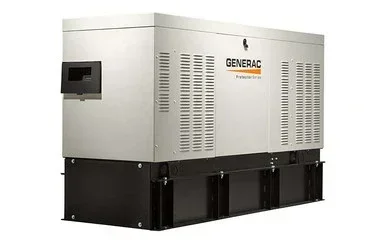
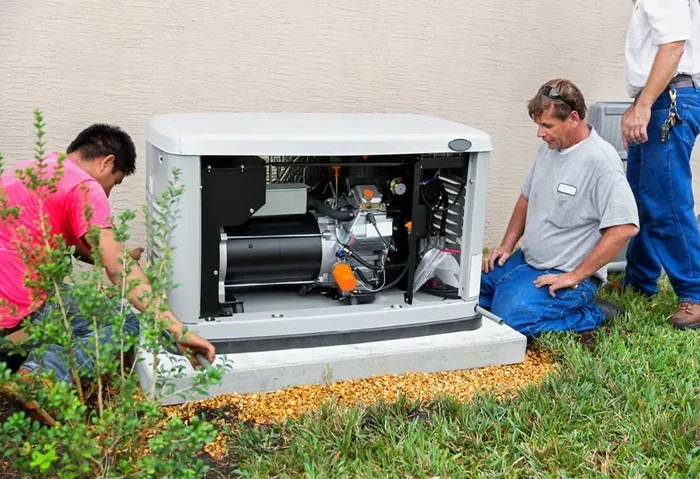
Standby generators are the most popular choice for homeowners. They are permanent units installed outside your home, usually on a concrete pad. They connect to your natural gas or propane line, so you never need to refuel them manually.
These units range from about 7 kilowatts to 200 kilowatts or more. A smaller unit can power essential circuits like your refrigerator, furnace, and a few lights. A larger unit can handle your entire electrical load. The electrical generator market offers many options in between to fit different needs and budgets.
Whole House Generators
A whole house generator is essentially a large standby unit designed to power everything in your home simultaneously. These systems typically start at 20 kilowatts and go up from there. They are ideal for larger homes or for homeowners who want zero compromise during an outage.
Whole house generators cost more upfront, but they provide the ultimate peace of mind. You never have to decide which appliances to prioritize because everything keeps running.
Dual-Fuel and Multi-Fuel Models
Some modern automatic generators can run on more than one fuel type. Dual-fuel models switch between natural gas and propane automatically. This gives you flexibility if one fuel source is unavailable or too expensive in your area.
These units are especially useful in regions where natural gas service might be interrupted along with electricity. Having a backup fuel option means your generator keeps running no matter what.
How to Choose the Right Size Automatic Backup Generator
Sizing your generator correctly is one of the most important decisions you will make. Too small and it will not handle your load. Too large and you waste money on a unit you do not fully need.
Calculate Your Power Needs
Start by listing the essential items you want to keep running during an outage. A refrigerator typically needs about 700 watts to run and 2,200 watts to start. A furnace blower uses around 400 watts. A sump pump needs about 1,300 watts. Add up the running wattage of everything you want covered.
Most experts recommend adding a 20 to 25 percent buffer to your total. This extra capacity handles startup surges and prevents the generator from running at maximum capacity all the time. If you are unsure, a professional generator sizing consultation can help you get it right.
Consider Your Fuel Source
Natural gas is the most convenient fuel for automatic generators because it connects to your existing gas line. You never need to refill a tank. Propane is a great alternative, especially in rural areas without natural gas service. Diesel models exist but are less common for residential use.
Each fuel has different costs and availability in different regions. Natural gas tends to be the most affordable long-term option, while propane offers energy independence if you have a storage tank on your property.
Installation and Setup
Professional installation is strongly recommended for any automatic backup system. A licensed electrician or certified generator installer handles the entire process from permits to final testing.
What the Installation Process Involves
The installer begins by placing the generator unit on a concrete pad outside your home. They connect the fuel line, either natural gas or propane, to the unit. Next, they install the automatic transfer switch, which is the brain of the system. This switch connects the generator to your home’s electrical panel.
After everything is wired, the installer runs a full test cycle. They simulate a power outage to confirm the generator starts, transfers the load, and shuts down properly when power returns. This testing phase ensures everything works before you ever face a real outage.
Permits and Local Codes
Most municipalities require permits for generator installations. Local building codes dictate setback distances from property lines, fuel line routing, and electrical connections. Your installer should handle all permit applications and inspections. Always verify that your installer is licensed and familiar with local codes in your area.
Maintenance Tips for Long-Lasting Performance
An automatic backup generator is a reliable machine, but it still needs regular care to perform at its best. Think of it like maintaining your car. Regular checkups prevent breakdowns and extend the life of the system.
Routine Maintenance Schedule
Most manufacturers recommend a professional inspection once a year. During this visit, a technician checks the fuel lines, air filters, battery, and electrical connections. They also run a test cycle under load to confirm everything operates correctly.
Between professional visits, there are a few things you can do yourself. Keep the area around the generator clear of debris, leaves, and snow. Check the fuel level and ensure the gas valve is open. Listen for any unusual sounds during the weekly test cycle.
How Long Do These Generators Last?
A well-maintained automatic backup generator can last 20 to 30 years or more. The engine and alternator are built for heavy-duty, long-term use. The key is consistent maintenance and prompt repairs when issues arise. Neglecting upkeep will shorten the lifespan significantly.
Common Mistakes to Avoid
One common mistake is skipping the annual inspection. Even if the generator has not been used for months, internal components can degrade over time. Another mistake is ignoring the automatic transfer switch. This component is the most critical part of the system and should be tested regularly.
Some homeowners also underestimate their power needs and buy a unit that is too small. Always plan for future needs, not just current ones. If you are considering adding a new appliance or upgrading your HVAC system, factor that into your generator size.
Cost and Return on Investment
The cost of an automatic backup generator varies widely based on size, fuel type, and brand. A basic 7 to 10 kilowatt unit suitable for essential circuits typically costs between $3,000 and $6,000 installed. A whole house system of 20 to 30 kilowatts ranges from $8,000 to $15,000 installed. Larger units for bigger homes or commercial use can exceed $20,000.
When you consider the cost of food spoilage during a multi-day outage, the damage from frozen or burst pipes, or the inconvenience of being without power, the investment pays for itself quickly. Many homeowners also find that a backup generator provides intangible value in the form of security and comfort that is hard to put a price on.
Quick Tips for Saving on Generator Costs
- Get quotes from at least three licensed installers before committing.
- Ask about seasonal promotions, as many dealers offer discounts in the fall before storm season.
- Consider a pre-owned or refurbished unit if your budget is tight, but always have it inspected by a professional first.
- Factor in the cost of any electrical panel upgrades you may need to support the generator.
Expert Insights on Automatic Backup Generators
Industry professionals consistently recommend automatic systems over portable options for permanent homes. The convenience, safety, and reliability advantages are significant. According to power systems experts, the automatic transfer switch alone is what sets these systems apart. It removes human error from the equation entirely.
Regular generator testing is something many homeowners overlook. Running your unit under load for at least 30 minutes every month keeps the engine exercised and the battery charged. This simple habit can prevent startup failures when you need the generator most. Most modern units come with a weekly self-test feature that automates this process for you.
Fuel consumption is another topic experts emphasize. Natural gas generators burn fuel continuously while running, so your gas bill may increase slightly during extended outages. Propane models are more efficient in terms of fuel usage per hour of operation. Understanding your fuel consumption helps you plan for longer outages and avoid running out of gas unexpectedly.
Final Thoughts on Automatic Backup Generators
An automatic backup generator is more than a luxury. It is a practical investment in your home’s resilience and your family’s comfort. Power outages are not a matter of if but when, and being prepared makes all the difference.
Whether you choose a compact standby unit for essential circuits or a powerful whole house system, the benefits are clear. You get automatic, hands-free power restoration. You protect your home and appliances from damage. You gain peace of mind that no amount of candles and flashlights can match.
If you have been thinking about adding backup power to your home, now is the time to act. Talk to a licensed installer, get a quote, and take the first step toward never worrying about the next power outage again. Your future self will thank you when the lights go out and your generator kicks in without a single sound.
Frequently Asked Questions
How fast does an automatic backup generator turn on during an outage?
Most automatic generators detect a power loss and start up within 10 to 30 seconds. The automatic transfer switch then routes the generator’s power to your home seamlessly. You may not even notice the brief interruption.
What fuel type is best for an automatic backup generator?
Natural gas is the most popular and convenient option because it connects to your existing gas line and never needs refilling. Propane is a solid alternative, especially in areas without natural gas service. Each fuel has its own cost and availability considerations.
How much does it cost to install an automatic backup generator?
Installation costs range from about $3,000 for a small standby unit to $15,000 or more for a large whole house system. The exact price depends on the generator size, fuel type, and any electrical upgrades your home needs.
Do automatic generators require a lot of maintenance?
Not really. Annual professional inspections and monthly self-test runs are usually all that is needed. Keeping the unit clean and the fuel supply clear goes a long way toward trouble-free operation.
Can an automatic backup generator power my entire house?
Yes, if you choose a unit with enough wattage. Whole house generators rated at 20 kilowatts or higher can handle your full electrical load. For smaller budgets, essential-only systems can power your most critical circuits like the furnace, refrigerator, and medical equipment.
Is an automatic backup generator worth the investment?
Absolutely. Beyond the obvious comfort benefits, a backup generator protects your home from costly damage caused by power loss. It also adds resale value to your property. For most homeowners in areas prone to outages, the return on investment is clear and significant.