How Long Does an AC Compressor Last and When to Replace
Most AC compressors last between 10 and 15 years with proper care. However, factors like usage, maintenance, and climate can shorten or extend that timeline. Knowing when to replace your compressor can save you money and keep your home cool all summer long.
This is a comprehensive guide about how long does an ac compressor last.
Key Takeaways
- Average lifespan: A well-maintained AC compressor typically lasts 10 to 15 years.
- Replacement cost: Expect to pay between $1,000 and $2,500 for a compressor replacement.
- Warning signs: Warm air, strange noises, and frequent cycling are clear indicators of compressor failure.
- Maintenance matters: Regular cleaning and seasonal checkups can add years to your compressor’s life.
- Age is a factor: Units over 10 years old may benefit more from full system replacement than a compressor-only fix.
- Climate impact: Hotter climates put more strain on compressors, potentially reducing their lifespan.
[FEATURED_IMAGE_PLACEHOLDER]
How Long Does an AC Compressor Last and When to Replace
Your AC compressor is the heart of your cooling system. It works tirelessly every summer to keep your home comfortable. But like any hardworking component, it won’t last forever. So, how long does an AC compressor last, and what can you do to get the most out of it?
The short answer is that most AC compressor lifespan ranges from 10 to 15 years. But that number can shift based on how you use your system, where you live, and how well you maintain it. In this guide, we will walk you through everything you need to know about compressor longevity, warning signs, replacement costs, and simple tips to extend its life.
Whether you are dealing with a failing unit right now or just want to plan ahead, this article has you covered. Let us dive in and make sure your cooling system keeps running strong.
Understanding Your AC Compressor
The compressor is the component that circulates refrigerant through your HVAC system. It compresses the refrigerant gas and pushes it through the condenser coil. Without a working compressor, your entire air conditioning system is useless.
Think of the compressor as the engine of your cooling system. Just like a car engine, it endures wear and tear over time. The average air conditioning compressor is designed to handle thousands of cycles per cooling season. But eventually, the mechanical parts start to break down.
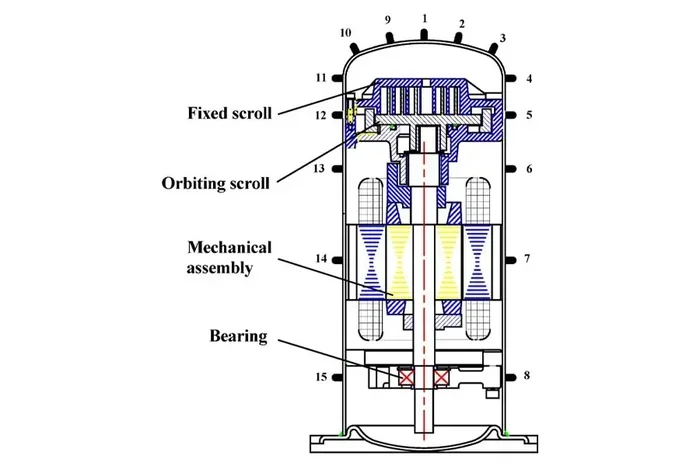
Most residential compressors fall into one of two categories: reciprocating or rotary. Both types serve the same purpose, but they differ in design and durability. Reciprocating compressors use pistons, while rotary compressors use a spinning mechanism. Rotary compressors tend to be quieter and often last a bit longer in certain applications.
How the Compressor Fits Into Your Cooling System
Your cooling system relies on a cycle of compression, condensation, expansion, and evaporation. The compressor kicks off this cycle by raising the pressure of the refrigerant. This allows the heat to be released outside your home.
If any part of this cycle breaks down, your comfort suffers. A failing compressor means poor airflow, warm air from vents, and rising energy bills. That is why understanding how long your compressor should last is so important.
Factors That Affect AC Compressor Lifespan
Not all compressors age the same way. Several factors determine whether your unit lasts 8 years or 18 years. Let us look at the biggest influences.
Usage and Run Hours
The more you run your AC, the faster the compressor wears out. In hot and humid climates, compressors work harder and longer. A unit in Arizona will naturally have a shorter AC compressor lifespan than one in a mild coastal area.
Here are some usage factors that matter:
- Daily run time: Running your AC 12+ hours a day adds wear faster.
- Thermostat settings: Setting your thermostat very low forces the compressor to work harder.
- Frequent cycling: If your system turns on and off constantly, the compressor experiences more stress.
Maintenance Habits
Regular AC unit maintenance is the single best way to extend compressor life. Simple tasks like cleaning coils and checking refrigerant levels go a long way. Neglecting maintenance is one of the top reasons compressors fail early.
Here is what you should do regularly:
- Clean or replace your air filters every 1 to 3 months.
- Keep the outdoor condenser unit free of debris and dirt.
- Schedule a professional tune-up at least once a year.
- Check for refrigerant leaks and address them immediately.
- Ensure your thermostat settings are reasonable and consistent.
Installation Quality
A poor installation can shorten your compressor’s life dramatically. Improper refrigerant charging, incorrect duct sizing, and electrical issues all add stress to the compressor motor. Always hire a licensed and experienced HVAC technician for your installation.
Environmental Factors
Corrosive air, high humidity, and exposure to salt or chemicals can damage the condenser unit over time. If your outdoor unit is near a beach or an industrial area, it may face more wear than expected.
Signs Your AC Compressor Is Failing
Catching compressor problems early can save you from a full system breakdown. Here are the most common compressor failure signs to watch for.
Warm Air From Vents
This is the most obvious sign. If your AC is running but blowing warm air, the compressor may not be pumping refrigerant properly. Check your thermostat settings first, but if everything looks normal, the compressor could be the culprit.
Strange Noises
Grinding, squealing, or clanking sounds coming from the outdoor unit are never a good sign. These noises often indicate internal mechanical wear in the compressor motor. Ignoring them will only make the problem worse.
Frequent Cycling
If your system turns on and off more often than usual, it may be short-cycling. This puts extra strain on the compressor and reduces its overall durability. Short cycling can be caused by a variety of issues, including a clogged filter or low refrigerant.
Tripping Circuit Breakers
A compressor that draws too much power can trip your breakers repeatedly. This is often a sign of electrical problems or an overheating compressor. If this happens, turn the system off and call a professional.
Ice Buildup on the Unit
Ice forming on the refrigerant lines or the outdoor unit usually points to a refrigerant issue. Low refrigerant forces the compressor to work harder, which can lead to overheating and eventual failure.
Rising Energy Bills
A struggling compressor uses more electricity to produce the same cooling output. If you notice a sudden spike in your energy bills without changing your usage habits, your compressor may be losing efficiency.
When Should You Replace the Compressor?
Deciding between a repair and a full replacement is one of the trickiest decisions homeowners face. Here is how to think about it.
Consider the Age of Your System
If your system is less than 5 years old, a compressor repair usually makes sense. But if your unit is over 10 years old, you should seriously consider replacing the entire system. A new cooling system will be far more energy efficient and come with a warranty.
Evaluate the Repair Cost
A general rule of thumb is the 50% rule. If the repair costs more than 50% of the price of a new system, replacement is the smarter choice. A compressor replacement cost typically ranges from $1,000 to $2,500, depending on the unit size and brand.
Check the SEER Rating
Older units often have a low SEER rating, which means they waste energy. Newer systems can cut your cooling costs by 30% or more. When you factor in lower energy bills, a new system pays for itself over time.
How to Extend the Life of Your AC Compressor
You cannot stop aging, but you can slow it down. These practical tips will help your compressor run smoothly for as long as possible.
1. Keep Up with Seasonal Maintenance
Schedule a professional inspection before each cooling season. A technician will check refrigerant levels, clean the coils, and inspect electrical connections. This small investment can prevent major compressor overheating problems later.
2. Use a Programmable Thermostat
A programmable thermostat helps your system run more efficiently. Set it to raise the temperature when you are away and lower it before you return. This reduces unnecessary compressor cycles and extends its life.
3. Ensure Proper Airflow
Blocked vents and dirty filters restrict airflow, forcing the compressor to work harder. Keep all vents open and clean. Make sure furniture or curtains are not blocking any registers in your home.
4. Address Problems Immediately
Do not ignore small issues. A minor refrigerant leak today can become a major compressor failure next month. Call a technician at the first sign of trouble to avoid costly repairs down the road.
5. Protect the Outdoor Unit
Keep the area around your outdoor condenser unit clear of leaves, dirt, and debris. Trim back any bushes or trees that might block airflow. Good ventilation around the unit reduces strain on the compressor.
Compressor Replacement: What to Expect
If your compressor needs to be replaced, it helps to know what the process looks like. Here is a simple breakdown.
The Replacement Process
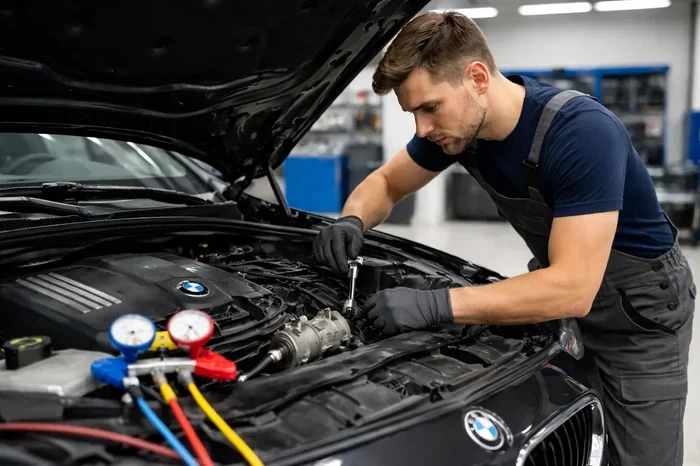
A technician will first diagnose the problem and confirm that the compressor is the issue. They will then recover the remaining refrigerant, remove the old compressor, and install the new one. After installation, they will recharge the system and test it to make sure everything works properly.
Typical Costs
The compressor replacement cost varies based on the unit size and model. For most homes, you can expect to pay between $1,000 and $2,500 for the compressor alone. Labor typically adds another $500 to $1,000. If your system is under warranty, some or all of the cost may be covered.
Keep in mind that if your unit is older, a technician may advise replacing the entire system instead of just the compressor. A new HVAC system with a higher SEER rating will save you money on energy bills and provide better home comfort.
How Long Does the Replacement Take?
Most compressor replacements take one to two days. The timeline depends on the complexity of the installation and whether any additional parts need to be replaced. Your technician will give you a clear estimate before starting the work.
Repair vs. Replace: Making the Smart Decision
Sometimes the best choice is not obvious. Here is a simple comparison to help you decide.
- Repair: Best for newer systems under 5 years old, minor issues, and affordable repair costs.
- Replace: Best for older systems over 10 years, major compressor failures, and repair costs exceeding 50% of replacement price.
When in doubt, get a second opinion from a trusted HVAC professional. A reliable technician will give you an honest assessment without pushing unnecessary replacements.
If you are considering a backup cooling solution during the replacement process, you might want to explore how long a portable generator can keep your home running. For more on that topic, check out how long a generator can run and home generator cost options to keep your space comfortable even during an HVAC breakdown.
Conclusion
So, how long does an AC compressor last? The honest answer is that it depends. With proper care, most compressors last between 10 and 15 years. But usage, maintenance, and climate all play a role in determining your specific timeline.
The key is to stay proactive. Watch for warning signs, keep up with seasonal maintenance, and do not ignore small problems. When the time comes to replace, make an informed decision based on your system age, repair costs, and energy efficiency goals.
Your comfort is worth the investment. Take care of your compressor today, and it will keep your home cool for years to come.
Frequently Asked Questions
What is the average lifespan of an AC compressor?
Most AC compressors last between 10 and 15 years. However, well-maintained units in mild climates can last up to 18 years. Usage patterns and maintenance habits are the biggest factors that determine how long your specific unit will run.
How much does it cost to replace an AC compressor?
The compressor replacement cost typically ranges from $1,000 to $2,500 for the part alone. Adding labor brings the total to around $1,500 to $3,500. If your system is still under warranty, some or all of the cost may be covered by the manufacturer.
Can I just replace the compressor without replacing the whole unit?
Yes, in many cases a compressor-only replacement is possible. However, if your system is over 10 years old, a full replacement may be more cost-effective. Newer units offer better energy efficiency and come with warranties that protect you for years.
What causes an AC compressor to fail early?
Common causes include refrigerant leaks, dirty coils, electrical issues, and lack of maintenance. Overheating from blocked airflow and short cycling also put extra stress on the compressor motor. Addressing small problems early can prevent premature failure.
How can I make my AC compressor last longer?
Regular maintenance is the single best thing you can do. Clean or replace filters every 1 to 3 months, keep the outdoor unit clear of debris, and schedule annual professional tune-ups. Using a programmable thermostat and avoiding extreme temperature settings also helps reduce wear.
Is it worth repairing a 15-year-old AC compressor?
Generally, no. If your system is 15 years old, a compressor repair may only buy you a few more years of service. A new system will be far more energy efficient, improve your home comfort, and come with a warranty. The 50% rule is a good guide: if the repair costs more than half of a new system, replacement is the smarter choice.
Frequently Asked Questions
What is how long does an ac compressor last?
how long does an ac compressor last is an important topic with many practical applications.